
Navigating the Sale of a Home on Tribal Trust Land: A Comprehensive Review of the Process
Selling a home is, for most, a significant life event, fraught with paperwork, negotiations, and emotional ties. Now, imagine adding layers of federal regulations, tribal sovereignty, complex land tenure systems, and the unique challenges of intergenerational heirship. This is the reality for individuals seeking to sell a home situated on tribal trust land in the United States. Far from a conventional real estate transaction, this process is an intricate dance between federal agencies, tribal governments, individual landowners, and potential buyers, demanding specialized knowledge, immense patience, and a deep understanding of unique legal frameworks.
This article provides a comprehensive review of the process for selling a home on tribal trust land, evaluating its complexities, advantages, disadvantages, and offering recommendations for those considering this distinctive path.
Understanding the Foundation: What is Tribal Trust Land?
Before delving into the selling process, it’s crucial to understand the nature of tribal trust land. Unlike fee simple land, which an individual owns outright, tribal trust land is held in trust by the U.S. government for the benefit of an Indian tribe or individual Indians. This trust relationship, established through treaties, statutes, and executive orders, means the land cannot be alienated (sold, mortgaged, or taxed) without the approval of the Secretary of the Interior, acting through the Bureau of Indian Affairs (BIA).
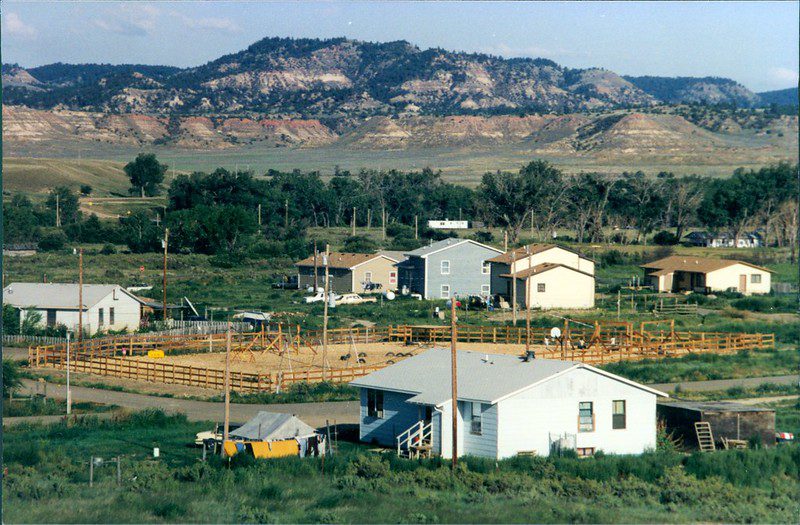
This unique ownership structure is designed to protect tribal lands and resources, stemming from a history of land dispossession. Homes built on trust land are often on parcels that are either:
- Tribal Trust Land: Owned collectively by a tribe, with individual homes built on land leased from the tribe.
- Allotted Trust Land: Owned by individual tribal members, but still held in trust by the federal government. This often involves complex "fractionated heirship," where a single parcel of land can have hundreds or even thousands of individual owners due to generations of inheritance without partition.
The presence of a "home" on this land introduces another layer of complexity. While the land itself is trust property, the physical structure (the "improvements") might be owned directly by an individual. The sale, therefore, often involves the transfer of the improvements and the assignment or creation of a new leasehold interest in the underlying trust land.
The "Product" Review: The Selling Process on Tribal Trust Land
The process of selling a home on tribal trust land is not a single, linear path but rather a multi-faceted journey that can vary significantly depending on the specific tribe, the nature of the land interest (allotted vs. tribal leasehold), and the complexity of the heirship. However, a general framework can be outlined:
Phase 1: Preparation and Due Diligence (The Groundwork)

- Understand Your Interest: The absolute first step is to obtain a Title Status Report (TSR) from the BIA. This document is paramount, detailing the exact ownership of the land (who holds the trust interest), any encumbrances, and, critically, the list of all legal heirs if it’s allotted land. For homes on tribal trust land, it means understanding the terms of the existing land lease.
- Evaluation: This step is fundamental but often the first bottleneck. TSRs can take months, even years, to obtain and clarify, especially for fractionated parcels. Without it, no other step can proceed.
- Consult with the Tribe and BIA: Engage early with the relevant tribal housing authority, land department, or tribal government, and the local BIA agency office. They are indispensable resources and ultimately hold approval authority. Understand their specific policies, procedures, and any tribal ordinances that might impact the sale.
- Evaluation: Crucial for alignment, but tribal and BIA resources can be stretched thin, leading to delays in obtaining information and guidance.
- Address Heirship and Title Issues: If the land is allotted and has multiple heirs (common scenario), all legal owners must agree to the sale, or the seller must have clear authority to act on their behalf (e.g., through probate, power of attorney, or a court order). Resolving heirship issues often requires formal probate proceedings through the Department of the Interior’s Office of Hearings and Appeals (OHA) or a Tribal Court, which can be lengthy.
- Evaluation: This is arguably the most challenging and time-consuming aspect, often taking years to resolve. Fractionated ownership is a significant barrier to efficient sales.
- Property Valuation and Appraisal: The BIA will typically require an appraisal of the home and the leasehold interest (if applicable) conducted by a BIA-approved appraiser. This ensures fair market value and protects the trust asset.
- Evaluation: Necessary, but finding BIA-approved appraisers with experience in tribal trust lands can be difficult, and their reports can take time to process and approve.
- Environmental Review (NEPA): Depending on the nature of the transaction and any proposed changes, a review under the National Environmental Policy Act (NEPA) might be required, assessing potential environmental impacts.
- Evaluation: Adds another layer of federal compliance and potential delays.
Phase 2: Marketing and Finding a Buyer (The Outreach)
- Specialized Marketing: Traditional real estate marketing channels (MLS, Zillow) may not be effective or even applicable. Marketing often occurs through tribal newspapers, community bulletins, word-of-mouth within the tribal community, or directly through the tribal housing authority or BIA. Buyers are often tribal members or individuals affiliated with the tribe.
- Evaluation: The market is significantly smaller and more specialized, limiting exposure and potentially the sale price.
- Buyer Qualification: Buyers need to understand the unique ownership structure and, critically, the financing challenges. Conventional mortgages are often unavailable for homes on trust land because banks cannot place a lien on the underlying trust land. Buyers typically need cash, specialized tribal lending programs (e.g., HUD Section 184 Indian Home Loan Guarantee Program), or tribal housing assistance.
- Evaluation: Restricts the pool of potential buyers dramatically, making the sale more difficult and potentially lowering the achievable price.
- Negotiation: Once a buyer is found, negotiations will cover the sale price of the improvements and the terms of the land lease assignment or new lease.
Phase 3: The Transaction and BIA Approval (The Gauntlet)
- Purchase Agreement: A purchase agreement is drafted, outlining the terms of the sale of the improvements and the transfer/assignment of the land lease. This agreement must comply with BIA and tribal requirements and often uses BIA-approved templates.
- Evaluation: Requires careful drafting to meet specific federal and tribal legal standards.
- BIA Review and Approval: This is the most critical and often the most prolonged phase. The entire package – TSR, appraisal, purchase agreement, lease assignment/new lease, environmental reviews, and all supporting documentation – is submitted to the BIA for review and final approval. The BIA ensures the transaction is in the best interest of the Indian landowner(s) and complies with all federal regulations. This includes:
- Approving the sale of the improvements.
- Approving the assignment of an existing land lease or the execution of a new land lease between the tribe/allottee(s) and the new buyer.
- Ensuring all legal requirements are met.
- Evaluation: This is where the process often grinds to a halt. BIA offices are frequently understaffed, processing thousands of complex land transactions. Approvals can take anywhere from several months to several years, with frequent requests for additional documentation or clarification. This uncertainty is a major disincentive for both sellers and buyers.
- Closing: Once BIA approval is granted, the closing can proceed. This is not a typical escrow closing. It often involves the BIA, tribal representatives, and possibly a specialized title company or attorney. Funds are exchanged, and the necessary documents are signed and recorded in the BIA’s Land Title and Records Office (LTRO).
- Evaluation: Even after approval, the closing process can be unique and require specialized expertise.
Phase 4: Post-Sale
- Recording: The change in ownership of the improvements and the new or assigned lease interest are recorded with the BIA’s LTRO, formally documenting the transaction.
- New Owner Responsibilities: The new homeowner assumes responsibility for lease payments (if applicable), tribal taxes/fees, and adherence to tribal laws and regulations.
Advantages (Kelebihan) of the Process
While challenging, the process does offer some inherent advantages, primarily from a land preservation and community stability perspective:
- Protection of Trust Land: The BIA’s rigorous approval process is designed to protect the integrity of tribal trust lands, preventing their unauthorized alienation and ensuring transactions are fair and in the best interest of the Indian landowners.
- Community Focus: Sales often occur within the tribal community, ensuring homes remain accessible to tribal members and contributing to the stability and cultural continuity of the reservation.
- Culturally Appropriate Development: The tribal involvement in the process often ensures that housing development aligns with tribal values, planning, and needs.
- Potential for Affordability (for Buyers): Due to the lack of traditional financing and the specialized market, homes on tribal trust land can sometimes be more affordable than comparable fee simple properties, especially for tribal members utilizing specific programs.
- Reduced Property Tax Burden (for Landowners): Trust land itself is generally exempt from state and local property taxes, which can be an advantage for the underlying land interest.
Disadvantages (Kekurangan) of the Process
The disadvantages are numerous and often significantly outweigh the advantages for an individual seller seeking a quick or easy transaction:
- Exceedingly Long Timelines: This is the most significant drawback. The entire process, from initial due diligence to final BIA approval and recording, can easily take 1-3 years, and in complex heirship cases, even longer. This uncertainty is a major deterrent.
- Bureaucratic Complexity and Red Tape: Dealing with multiple layers of federal and tribal bureaucracy, each with its own regulations and procedures, is incredibly complex and frustrating. The BIA is often understaffed and overwhelmed.
- Limited Financing Options for Buyers: The inability to secure conventional mortgages for homes on trust land drastically shrinks the pool of potential buyers, making it harder to sell and potentially depressing sale prices. This is a critical barrier to homeownership on tribal lands.
- Fractionated Heirship: For allotted lands, the existence of multiple heirs can create an administrative nightmare, requiring unanimous consent or complex legal maneuvers (like partition or purchase of heirship interests) before a sale can proceed.
- Limited Market Exposure: Traditional real estate marketing is largely ineffective, restricting sales to a niche market, primarily tribal members or those familiar with the system.
- Lack of Transparency and Information: Navigating the process often feels like moving through a maze with insufficient signposts. Clear, consistent information and guidance from the BIA and sometimes even tribal entities can be difficult to obtain.
- High Transaction Costs (Indirect): While direct fees might be low, the indirect costs of delays, legal counsel specializing in Indian law, and the opportunity cost of time can be substantial.
- Appraisal Challenges: Obtaining accurate and timely appraisals from BIA-approved appraisers familiar with the nuances of tribal trust land can be difficult.
- Uncertainty: The entire process is characterized by uncertainty regarding timelines, approvals, and ultimately, the successful completion of the sale.
Recommendations for "Purchase" (Advice for Sellers, Buyers, and Stakeholders)
Given the complexities, "purchasing" into this process (whether as a seller or a buyer) requires careful consideration and strategic planning.
For Sellers:
- Start Early, Very Early: Begin the due diligence process (especially obtaining the TSR and addressing heirship) years before you intend to sell.
- Gather All Documents: Compile every piece of documentation related to your land interest, home construction, and family history.
- Seek Specialized Legal Counsel: Engage an attorney experienced in Indian law and tribal real estate transactions. Their expertise is invaluable for navigating the legal intricacies and BIA procedures.
- Communicate Constantly: Maintain open lines of communication with the BIA, tribal authorities, and all co-owners/heirs.
- Be Patient: This process will test your patience. Set realistic expectations for timelines and be prepared for significant delays.
- Consider Tribal Programs: Explore whether your tribe has a housing authority or land department that might be interested in purchasing the home, as this can sometimes streamline the process.
For Buyers:
- Understand the Land Tenure: Fully grasp that you are likely buying the home and a leasehold interest, not fee simple land. This has implications for ownership rights and future transactions.
- Secure Specialized Financing: Do not assume conventional mortgages are available. Explore the HUD Section 184 program or other tribal lending initiatives. Cash buyers have a significant advantage.
- Engage Experts: Work with real estate professionals, lenders, and attorneys who have specific experience with tribal trust land transactions.
- Respect Tribal Sovereignty: Understand that you will be living under tribal jurisdiction and must abide by tribal laws and regulations.
- Factor in Timelines: Be prepared for a lengthy closing process, similar to the seller’s experience.
For Tribes and Federal Agencies (Systemic Improvements):
- Streamline BIA Processes: Invest in increased staffing, modern technology, and clearer, more accessible guidelines for BIA land offices.
- Develop More Financing Options: Collaborate with federal and private lenders to expand financing mechanisms for homes on trust land, making homeownership more accessible.
- Address Fractionated Heirship: Continue to implement programs like the Land Buy-Back Program for Tribal Nations to consolidate ownership interests, reducing complexity.
- Enhance Information Dissemination: Create comprehensive, easy-to-understand resources (online portals, dedicated navigators) for sellers and buyers.
- Promote Tribal Capacity Building: Support tribal governments in developing robust housing and land departments capable of assisting their members with these transactions.
Conclusion
Selling a home on tribal trust land is a process unlike any other in American real estate. It is a system deeply rooted in historical context, federal trust responsibilities, and tribal sovereignty. While it offers the advantage of protecting tribal land and fostering community stability, its overwhelming complexity, protracted timelines, and limited financing options present significant hurdles for individual sellers and buyers.
Approaching this process requires an extraordinary degree of preparation, specialized expertise, and an abundance of patience. It is not merely a real estate transaction; it is a journey through a unique legal and cultural landscape that demands respect, understanding, and an unwavering commitment to navigating its intricate pathways. For those prepared to undertake this journey, the rewards can be significant, contributing to the vitality of tribal communities and the preservation of a vital cultural heritage.


