The Intricate Tapestry: Unique Challenges of Appraising Homes on Tribal Land
Appraising residential properties is a complex discipline, demanding a deep understanding of market dynamics, construction, and legal frameworks. However, when the property in question is situated on tribal land, the appraisal process transcends conventional methodologies, presenting a unique set of challenges that can bewilder even seasoned professionals. The intertwining of federal Indian law, tribal sovereignty, unique land tenure systems, and cultural considerations creates an intricate tapestry that requires specialized knowledge, sensitivity, and meticulous due diligence. This article delves into the distinctive hurdles faced when appraising homes on tribal land, explores the advantages and disadvantages associated with such properties, and offers crucial recommendations for potential buyers and appraisers navigating this specialized market.
The Unique Landscape of Tribal Land Ownership
At the heart of the appraisal challenges on tribal land lies the distinctive nature of land ownership. Unlike fee simple ownership, where an individual holds absolute title to the land and improvements, properties on tribal lands typically fall under one of several categories:
- Trust Land: Land held in trust by the United States government for the benefit of a tribe or individual tribal members. The title is with the U.S. government, not the individual or tribe.
- Restricted Fee Land: Land owned by individual tribal members or a tribe, but title is "restricted" against alienation (sale or transfer) without the consent of the Secretary of the Interior (acting through the Bureau of Indian Affairs – BIA).
- Leasehold Interest: Many homes on tribal land are built on land leased from the tribe or individual allottees. The homeowner owns the improvements, but not the underlying land, which is subject to the terms of a long-term lease.

These forms of ownership directly impact marketability, financing, and the very concept of "value" as understood in conventional real estate. Appraisers must determine not just the value of the physical structure, but also the value of the specific interest being appraised – whether it’s a leasehold estate, a restricted fee interest, or the improvements on trust land.
Unique Challenges in Appraising Homes on Tribal Land
The specialized nature of tribal land tenure gives rise to a multitude of unique appraisal challenges:
-
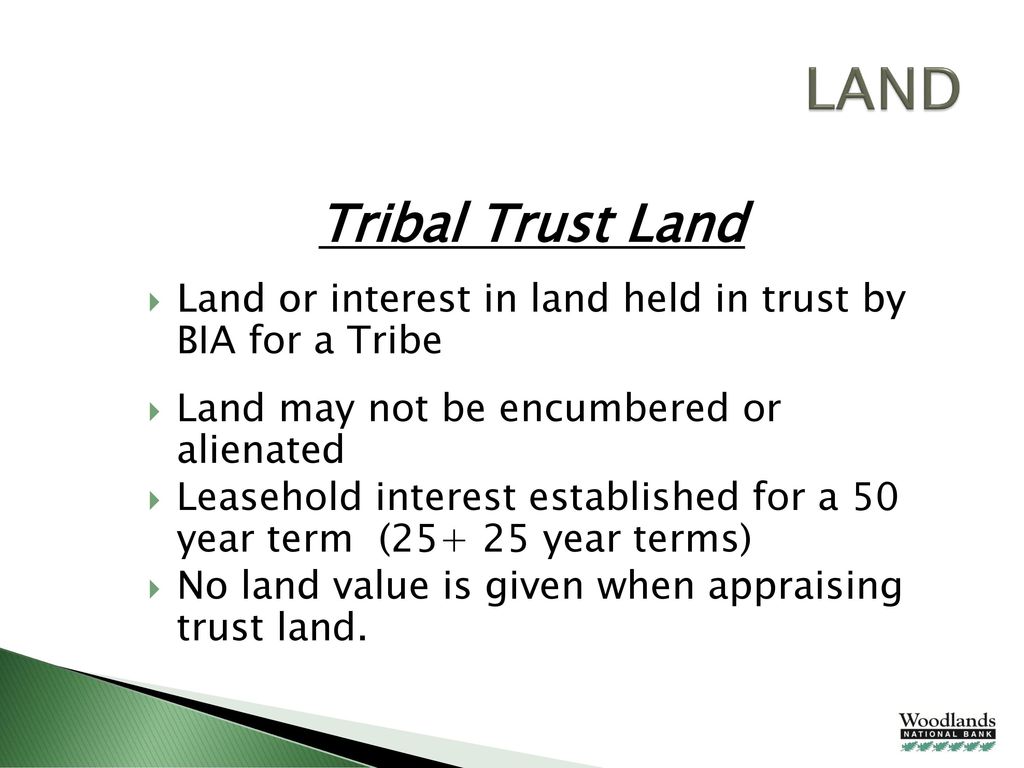
Lack of Fee Simple and Comparables (Comps): The most significant hurdle is the absence of fee simple ownership. Traditional appraisal relies heavily on analyzing comparable sales of similar properties in the open market. On tribal lands, an "open market" rarely exists in the conventional sense. Sales are often restricted to tribal members, or transfers may occur through internal tribal mechanisms, making direct comparisons to off-reservation properties invalid. Data on sales, leases, and transfers is often scarce, not publicly recorded, or managed internally by tribal housing authorities or the BIA, making it incredibly difficult to find truly comparable transactions. This forces appraisers to employ more complex methodologies, such as income capitalization for leasehold interests, or rely on cost approaches which can be less reliable without robust market data.
-
Jurisdictional Complexity: Tribal lands operate under a unique tripartite system of governance involving federal, state, and tribal laws. This creates a jurisdictional labyrinth. For example, building codes, zoning regulations, environmental standards, and even property tax structures (or lack thereof) can be determined by the tribe, the federal government (BIA), or a combination, rather than standard state or county authorities. An appraiser must identify which jurisdiction’s rules apply to the specific property and how these impact its use, value, and marketability.
-
Financing Hurdles and Lender Reluctance: Traditional lenders are often hesitant to finance homes on tribal land due to the complexities of land tenure and the difficulties in foreclosure. In the event of a default, foreclosing on a property where the land is held in trust or is restricted fee can be protracted, expensive, and legally ambiguous. The BIA’s involvement in approving transfers or lease assignments adds layers of bureaucracy. While programs like the HUD Section 184 Indian Home Loan Guarantee Program exist to mitigate some of these risks, they have specific requirements and are not universally available or understood. The limited availability of conventional financing significantly restricts the buyer pool, thereby depressing market values.
-
Data Scarcity and Information Gaps: Public record systems prevalent in conventional real estate markets (county recorders, tax assessors) often do not apply or are incomplete for tribal lands. Detailed property characteristics, sales histories, and even accurate legal descriptions can be challenging to obtain. Appraisers often need to work closely with tribal housing authorities, BIA offices, and individual tribal members to gather necessary data, which can be time-consuming and require specific permissions.
-
Cultural Sensitivity and Community Nuances: Appraising on tribal land requires an understanding and respect for the specific tribe’s culture, traditions, and community values. What might be considered a "highest and best use" in an urban setting might not align with tribal land use plans or cultural priorities. Proximity to sacred sites, community facilities, or traditional areas can influence desirability and value in ways not captured by standard market analysis. Appraisers must approach assignments with a culturally informed perspective to accurately assess value.
-
Infrastructure and Access: The quality and availability of essential infrastructure (roads, water, sewer, utilities, internet) on tribal lands can vary significantly. Some tribal communities have excellent, modern infrastructure, while others, particularly in remote areas, may lack basic services. The source of these services (tribal government, private utility, self-provided) and their reliability can significantly impact a property’s utility and value. Access to the property itself, especially if it involves private tribal roads, can also be a consideration.
-
Environmental and Regulatory Considerations: Beyond standard environmental assessments, properties on tribal lands may be subject to tribal environmental regulations or specific federal oversight that differs from state regulations. Issues related to natural resources, cultural resource protection, and specific land use policies can all influence the appraisal.
Advantages (Pros) of Homes on Tribal Land
Despite the challenges, owning a home on tribal land can present several advantages, some of which can indirectly influence appraisal value:
- Strong Community and Cultural Richness: For tribal members, living on ancestral lands offers an unparalleled connection to culture, community, and heritage. This intrinsic value, while difficult to quantify, fosters a strong sense of belonging and can make these homes highly desirable within the tribal community.
- Potential Tax Benefits: Homes on trust land are generally exempt from state and local property taxes. While leaseholders might pay "payments in lieu of taxes" to the tribe, the overall tax burden can sometimes be lower than for comparable off-reservation properties.
- Affordability and Stability (in some contexts): Due to the restricted market and unique financing, prices for homes on tribal land can sometimes be more affordable than those in nearby conventional markets. The market may also be less susceptible to speculative bubbles, offering a degree of stability for long-term residents.
- Access to Specific Federal Programs: Programs like the HUD Section 184 loan guarantee specifically target Native American borrowers on tribal lands, making homeownership more accessible than traditional conventional loans. Tribes may also offer their own housing assistance programs.
- Tribal Investment in Infrastructure and Services: Many tribes are actively investing in modern infrastructure, community facilities, and social services for their members, enhancing the quality of life and potentially the value of homes within these communities.
- Unique Lifestyle and Connection to Nature: Tribal lands often offer a lifestyle deeply connected to the natural environment, with opportunities for traditional practices, hunting, fishing, and outdoor recreation, which can be a significant draw.
Disadvantages (Cons) & Risks
The unique nature of tribal land also carries inherent disadvantages and risks that appraisers must consider and buyers should be aware of:
- Limited Marketability and Exit Strategy: The restricted nature of sales (often limited to tribal members or those approved by the tribe/BIA) significantly shrinks the potential buyer pool. This can make it difficult to sell the property quickly or at a price comparable to an unrestricted market, creating a challenging exit strategy for owners.
- Financing Limitations and Higher Costs: The scarcity of traditional lenders and the complexities of tribal land tenure often lead to higher interest rates, more stringent loan requirements, or the necessity of using specialized federal programs. This increases the cost of ownership and limits financial flexibility.
- Complex Foreclosure Process: For lenders, the process of foreclosing on a property on tribal land in the event of default is fraught with legal challenges, jurisdictional questions, and lengthy administrative procedures. This high risk for lenders translates into higher costs and fewer options for borrowers.
- Leasehold Specific Risks: For homes on leased land, the terms of the lease are paramount. Potential risks include lease expiration without renewal, renegotiation of ground rent (which can increase significantly), and restrictions on alterations or improvements to the property. The remaining lease term directly impacts the property’s value and financibility.
- Appraisal Difficulty and Cost: The specialized knowledge, extensive research, and complex methodologies required for appraising homes on tribal land mean these assignments are typically more time-consuming and thus more expensive than conventional appraisals.
- Potential for Jurisdictional Disputes: Ambiguity over which laws apply in certain situations (e.g., land use, environmental enforcement, civil disputes) can lead to legal complications and uncertainties for property owners.
Recommendations for Potential Buyers and Appraisers
Navigating the tribal land market requires a proactive and informed approach.
For Potential Buyers:
- Seek Specialized Expertise: Engage real estate agents, lenders, appraisers, and attorneys who have proven experience with tribal land transactions. Their expertise is invaluable.
- Thorough Due Diligence on Land Tenure: Understand precisely what you are buying – is it a leasehold, restricted fee, or improvements on trust land? Obtain and meticulously review all documents related to the land, including the specific lease agreement (if applicable), tribal codes, and BIA regulations.
- Secure Appropriate Financing: Explore all financing options, prioritizing federal programs like HUD Section 184. Be prepared for a potentially longer and more complex loan application process.
- Understand the Long-Term Commitment: Recognize that homes on tribal land may not appreciate in the same manner as conventional properties and may have limited liquidity. View it as a long-term investment in a community rather than a quick return.
- Engage with the Community: Understand the tribal government, community values, and specific regulations that may impact property ownership and daily life. Building good relationships can be beneficial.
For Appraisers:
- Obtain Specialized Education and Experience: Tribal land appraisal is a niche field. Seek out specific training, seminars, and mentorship to understand federal Indian law, tribal sovereignty, and the unique land tenure systems.
- Verify Land Tenure and Jurisdictional Authority: Always start by definitively determining the specific type of land ownership and which governmental bodies (tribal, federal, state) have jurisdiction over the property and its use.
- Expand Data Collection Efforts: Go beyond traditional public records. Collaborate with tribal housing authorities, BIA offices, and local tribal real estate professionals to gather relevant sales, lease, and property characteristic data.
- Utilize Appropriate Valuation Methodologies: Be prepared to use income capitalization for leasehold interests, cost approach, or other non-traditional methods when comparable sales are scarce or invalid. Adjustments for lease terms, marketability restrictions, and financing limitations are crucial.
- Practice Cultural Competency: Approach assignments with respect for tribal sovereignty and cultural values. Understand that land has deep cultural significance beyond its economic utility.
- Clearly State Assumptions and Limiting Conditions: Given the complexities, clearly articulate all assumptions made, the scope of work, and any limiting conditions in the appraisal report to protect all parties.
Conclusion
Appraising homes on tribal land is a discipline rich with unique challenges, rooted primarily in the distinctive nature of land tenure, jurisdictional complexities, and data scarcity. While offering advantages like strong community ties and potential tax benefits, these properties also come with disadvantages such as limited marketability and financing hurdles. For both appraisers and potential buyers, success in this specialized market hinges on acquiring in-depth knowledge, seeking out specialized expertise, and conducting meticulous due diligence, all underscored by a profound respect for tribal sovereignty and cultural heritage. Only through such a comprehensive approach can the true value of homes on tribal land be accurately and ethically assessed.


