
The Veteran’s Home Advantage: A Deep Dive into VA NADL vs. Regular VA Loans
For millions of American veterans, the dream of homeownership is a tangible reward for their selfless service. The U.S. Department of Veterans Affairs (VA) home loan program stands as a cornerstone of this benefit, offering unparalleled advantages designed to make that dream a reality. However, not all VA loans are created equal, and understanding the nuances between them is crucial for veterans to make an informed decision.
This comprehensive review delves into two distinct pathways to homeownership offered by the VA: the Regular VA Loan and the Native American Direct Loan (NADL). While both share the overarching goal of supporting veterans, they cater to different circumstances and come with unique sets of benefits and limitations. We will explore each in detail, conduct a head-to-head comparison, and ultimately provide a recommendation to guide veterans on their journey to finding the perfect home financing solution.
The Regular VA Loan: The Cornerstone of Veteran Homeownership
The Regular VA Loan, often simply referred to as a "VA loan," is the most widely utilized and recognized home loan benefit available to eligible service members, veterans, and surviving spouses. It is not a loan issued directly by the VA in most cases, but rather a mortgage offered by private lenders (banks, credit unions, mortgage companies) and guaranteed by the VA. This guarantee protects lenders from loss if the borrower defaults, enabling them to offer incredibly favorable terms to veterans.
What it is: A federally guaranteed home loan designed to help eligible veterans purchase, build, or refinance a primary residence with no down payment, no private mortgage insurance (PMI), and competitive interest rates.
Key Features:
- Eligibility: Generally requires a Certificate of Eligibility (COE) based on service requirements (e.g., 90 days active service during wartime, 181 days during peacetime, 6 years in Reserves/National Guard).
- Property Type: Primarily for owner-occupied, primary residences (single-family homes, condos, townhouses, some multi-unit properties).
- Lenders: Offered by a vast network of private mortgage lenders.
Advantages of the Regular VA Loan:
- Zero Down Payment: For many veterans, this is the most significant advantage. Qualified borrowers can purchase a home with 100% financing, eliminating the need to save tens of thousands of dollars for a down payment. This significantly lowers the barrier to entry for homeownership.
- No Private Mortgage Insurance (PMI): Unlike conventional loans with less than 20% down, VA loans do not require PMI. This saves veterans hundreds of dollars per month, making their mortgage payments more affordable and allowing them to build equity faster.
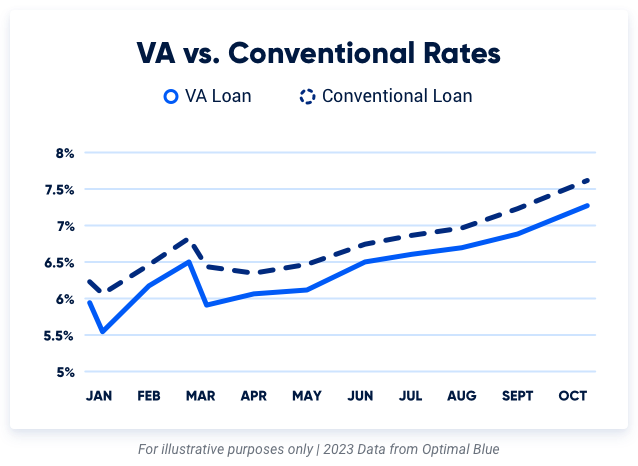
- Competitive Interest Rates: Due to the VA guarantee, lenders view VA loans as less risky, often leading to interest rates that are lower than or comparable to conventional loans, even without a down payment.
- Flexible Credit Requirements: While lenders set their own minimum credit scores, VA loans generally have more forgiving credit requirements compared to conventional mortgages, making homeownership accessible to a broader range of veterans.
- Limited Closing Costs: The VA limits certain closing costs that veterans can be charged, and sellers are often allowed to pay all of a veteran’s loan-related closing costs, further reducing upfront expenses.
- No Prepayment Penalties: Veterans can pay off their loan early without incurring any extra fees, offering financial flexibility.
- Assumable Mortgages: In some cases, a VA loan can be assumed by another qualified buyer (even a non-veteran), which can be an attractive feature for sellers in certain market conditions, as the buyer can take over the existing low-interest rate.
- Variety of Refinancing Options:
- Interest Rate Reduction Refinance Loan (IRRRL), or VA Streamline: A quick and easy way to refinance an existing VA loan to a lower interest rate, often with minimal paperwork and no appraisal.
- VA Cash-Out Refinance: Allows veterans to refinance an existing VA or conventional loan for a higher amount, pulling cash out of their home equity for various needs.
- No Loan Limits (for full entitlement): As of 2020, veterans with full VA loan entitlement are no longer subject to loan limits, meaning they can borrow as much as a lender will approve without a down payment.
Disadvantages of the Regular VA Loan:
- VA Funding Fee: Most VA loans require a one-time funding fee, a percentage of the loan amount, which helps offset the cost of the program to taxpayers. While it can be financed into the loan, it adds to the total cost. Exemptions apply for veterans receiving VA disability compensation or Purple Heart recipients.
- Primary Residence Only: The VA loan benefit is intended for a veteran’s primary residence, not for investment properties or vacation homes.
- Property Requirements (MPRs): Homes financed with a VA loan must meet Minimum Property Requirements (MPRs) to ensure they are safe, sanitary, and structurally sound. This can sometimes lead to delays if repairs are needed before closing.
- Appraisal Process: A VA-specific appraisal is required, which can sometimes be more stringent than conventional appraisals, potentially leading to additional repair requirements.
- Limited Availability for Some Property Types: While most standard homes qualify, certain unique properties or properties in very rural areas might face challenges finding a VA-approved appraiser or meeting specific criteria.
- Entitlement Usage: While "no loan limits" is a pro, using your VA entitlement does reduce the amount of entitlement you have available for future VA loans until the current one is paid off or refinanced.
The VA Native American Direct Loan (NADL): A Specialized Path for Trust Lands
The Native American Direct Loan (NADL) program is a unique and highly specialized VA loan benefit designed to help eligible Native American veterans purchase, construct, or improve homes on federal trust land or to refinance an existing NADL loan. Unlike the Regular VA Loan, the NADL is issued directly by the VA, rather than being guaranteed through a private lender. This direct lending model addresses the specific challenges of home financing on tribal lands, where traditional lending structures often struggle due to land tenure issues.
What it is: A direct loan from the VA to eligible Native American veterans (or their non-Native American spouses) for the purpose of purchasing, constructing, or improving a home on Native American trust lands, or to refinance an existing NADL.
Key Features:
- Eligibility: Must be an eligible Native American veteran (or the non-Native American spouse of an eligible Native American veteran). Must also meet standard VA loan eligibility requirements (COE).
- Property Type: Exclusively for homes on Native American trust lands, including federal trust lands, tribal trust lands, and Alaskan Native allotments.
- Lenders: The VA itself acts as the lender.
Advantages of the VA NADL Loan:
- Addresses Unique Housing Needs on Trust Lands: This is the primary and most crucial advantage. The NADL program is specifically designed to overcome the complex legal and jurisdictional challenges associated with home financing on trust lands, where traditional lenders are often unwilling or unable to operate due to difficulties with collateral and foreclosure rights.
- Direct VA Administration: As the VA is the direct lender, the process can sometimes feel more streamlined or less profit-driven. Veterans work directly with VA loan specialists who understand the unique aspects of tribal lands.
- Zero Down Payment: Like the Regular VA Loan, the NADL requires no down payment, making homeownership more accessible.
- No Private Mortgage Insurance (PMI): Veterans are not required to pay PMI, resulting in lower monthly housing costs.
- Low, Fixed Interest Rate: The VA sets a low, fixed interest rate for NADL loans, which can be significantly more favorable than what might be available (if at all) through conventional means on trust lands. This stability provides predictable monthly payments.
- No VA Funding Fee: Unlike the Regular VA Loan, NADL loans do not typically require a VA funding fee, further reducing upfront costs.
- Flexible Use: Can be used to purchase an existing home, construct a new home, make improvements to an existing home, or refinance an existing NADL.
- Negotiated Tribal Agreements: The VA works directly with tribal organizations to establish Memoranda of Understanding (MOU) or other agreements to facilitate the program, ensuring proper land use and tenure arrangements.
Disadvantages of the VA NADL Loan:
- Limited Eligibility: The most significant limitation is that it’s exclusively for Native American veterans (or their non-Native spouses) and only for homes on Native American trust lands. This severely restricts its applicability.
- Loan Limit: NADL loans have a fixed loan limit, which can be a significant constraint. While it’s adjusted annually, it may not cover the full cost of a larger or more expensive home, requiring the veteran to cover the difference out of pocket. As of early 2024, the limit is often around $175,000, though this can vary.
- Complexity of Land Tenure and Tribal Agreements: While designed to address this, the process itself can still be complex and lengthy due to the need for tribal approval, leases, and agreements concerning the land. The veteran must have a valid leasehold interest in the land.
- Slower Processing Times: Because the VA is the direct lender and due to the complexities of land tenure on trust lands, NADL loans can often take longer to process and close compared to Regular VA loans from private lenders.
- Fewer Resources/Awareness: Compared to the widely advertised Regular VA Loan, awareness and readily available information about the NADL program can be scarcer, making it harder for eligible veterans to learn about and navigate the process.
- Direct VA Relationship: While an advantage for some, working directly with a government agency can sometimes involve more bureaucracy and less personalized service than a private lender might offer.
- Limited to Refinancing Existing NADL Loans: While Regular VA loans offer IRRRL and Cash-Out options for existing VA loans, the NADL’s refinancing option is typically limited to refinancing an existing NADL, not other types of loans.
Direct Comparison: NADL vs. Regular VA Loan
| Feature | Regular VA Loan | VA Native American Direct Loan (NADL) |
|---|---|---|
| Primary Beneficiary | All eligible veterans, service members, and spouses | Eligible Native American veterans (or their non-Native spouses) |
| Property Location | Any standard residential property in the U.S. | Exclusively on Native American trust lands |
| Lender | Private mortgage lenders (VA guarantees) | The VA itself (direct lender) |
| Down Payment | 0% (for full entitlement) | 0% |
| PMI | No | No |
| VA Funding Fee | Yes (can be waived for disability) | No |
| Interest Rate | Competitive, market-driven (fixed or adjustable) | Low, fixed rate set by the VA |
| Loan Limits | None for full entitlement (since 2020) | Yes, a fixed limit (e.g., ~$175,000 as of 2024, varies) |
| Processing Speed | Varies by lender, generally efficient | Can be slower due to land tenure complexities |
| Refinancing Options | IRRRL (Streamline), Cash-Out | Refinance existing NADL only |
| Complexity | Standard mortgage process with VA overlay | High, due to tribal land tenure and direct VA interaction |
| Availability/Awareness | Widespread, highly advertised | Niche, less widely known |
Who Should Choose Which? (Recommendation)
The choice between a Regular VA Loan and a VA NADL is not about which is inherently "better," but which is appropriate for a veteran’s specific circumstances.
Choose a Regular VA Loan if:
- You are any eligible veteran (Native American or not).
- You plan to purchase a home in a standard residential community (off-reservation).
- You need a higher loan amount than the NADL limit can provide.
- You prioritize speed and efficiency in the loan process and want access to a wide range of private lenders.
- You might want diverse refinancing options in the future (like a cash-out refinance).
- You are purchasing a condo, single-family home, or multi-unit property that meets standard VA requirements.
For the vast majority of eligible veterans, the Regular VA Loan is the clear and superior choice. Its flexibility, higher loan limits, and widespread availability make it the most accessible and powerful homeownership tool. Even if you are a Native American veteran, if you are purchasing a home off tribal trust lands, the Regular VA Loan is the program you will use.
Choose a VA Native American Direct Loan (NADL) if:
- You are an eligible Native American veteran (or a non-Native spouse of one).
- Your primary goal is to purchase, construct, or improve a home specifically on Native American trust lands. This is the only reason to consider an NADL.
- You are comfortable with the specific process and potential complexities involved with tribal land tenure and direct VA interaction.
- The NADL’s loan limit is sufficient for your housing needs.
- You value the direct relationship with the VA as the lender and the low, fixed interest rate it provides.
The NADL is a highly specialized and invaluable program for the specific subset of Native American veterans seeking to establish or improve their homes on tribal trust lands. It addresses a critical gap in traditional lending that often leaves these communities underserved. Without the NADL, homeownership on trust lands would be significantly more challenging, if not impossible, for many.
Final Purchase Recommendation
For the overwhelming majority of veterans, the Regular VA Loan is the recommended and most appropriate pathway to homeownership. Its comprehensive benefits, including zero down payment, no PMI, competitive rates, and no loan limits for full entitlement, offer unparalleled advantages in the broader housing market.
The VA Native American Direct Loan (NADL) is a vital and essential program for a very specific demographic and purpose. It is not an alternative to the Regular VA Loan but rather a complementary program designed to solve a unique set of challenges for Native American veterans on trust lands. If you are a Native American veteran and your housing aspirations are specifically tied to trust land, then the NADL is undoubtedly the program for you, and you should pursue it vigorously.
Before making any decision, all veterans should:
- Obtain their Certificate of Eligibility (COE): This is the first step for both loan types.
- Contact the VA directly: For NADL inquiries, speak with a VA loan specialist familiar with the program. For Regular VA loans, the VA can provide general guidance.
- Consult with VA-approved lenders: For Regular VA loans, shop around among several lenders to compare rates, fees, and service.
- Understand their specific tribal land requirements: For NADL, engage with your tribal housing authority or leadership early in the process.
Both the Regular VA Loan and the NADL are testaments to the nation’s commitment to its veterans. By understanding their differences, veterans can confidently choose the path that best aligns with their unique homeownership dreams and secure the future they so rightfully deserve.


