Building Dreams on Sacred Ground: A Comprehensive Review of the VA NADL for Veteran Custom Home Construction
The dream of homeownership resonates deeply within the American spirit, a testament to stability, freedom, and the promise of a future built on one’s own terms. For many veterans, this dream is even more profound, representing a return to civilian life, a place to heal, grow, and build a legacy. And for Native American veterans, the desire to establish a home on ancestral trust land carries an additional layer of cultural significance, a connection to heritage and community that is invaluable.
However, the path to custom home construction, especially on trust land, is often fraught with unique challenges, from navigating complex land ownership structures to securing appropriate financing. This is where the VA Native American Direct Loan (NADL) program steps in, offering a unique and powerful pathway. But is it the panacea it appears to be? This comprehensive review will delve into the VA NADL specifically for veterans seeking to build a custom home, exploring its myriad advantages and significant drawbacks, ultimately providing a balanced recommendation for those considering this deeply personal and impactful journey.
Understanding the VA Native American Direct Loan (NADL)
Before dissecting its application to custom home building, it’s crucial to understand the NADL itself. The NADL program is a direct loan from the Department of Veterans Affairs (VA) designed to help eligible Native American veterans finance the purchase, construction, or improvement of homes on Federal Trust Land, or to refinance existing NADL loans. Unlike the more common VA-guaranteed loans, where a private lender provides the financing and the VA guarantees a portion of it, the NADL is issued directly by the VA.
+Program.jpg "VA NADL loan for veterans wanting to build a custom home")
Key Features of the NADL:
- Direct Loan: The VA is both the lender and the guarantor.
- No Down Payment: Typically, NADL loans require no down payment, making homeownership more accessible.
- Low Interest Rates: Interest rates are often competitive and fixed, providing financial predictability.
- No Private Mortgage Insurance (PMI): Eliminating PMI significantly reduces monthly housing costs.
- Flexible Underwriting: The VA’s underwriting process can be more flexible, taking into account unique circumstances often found on trust lands.
- Purpose: Can be used for purchasing an existing home, constructing a new home, making improvements, or refinancing.
- Location Specific: Exclusively for homes on Federal Trust Land.
- Eligibility: Must be an eligible Native American veteran, and the land must be held in trust by the federal government for a federally recognized tribe or individual tribal members.
The NADL is not just a financial product; it’s a bridge, connecting veterans to their heritage and empowering them to build a future on land that holds deep personal and cultural meaning. For those dreaming of a custom home, it offers a unique opportunity to design a living space that perfectly aligns with their needs, values, and traditions.
The Allure of Custom Home Construction with NADL
For many, a custom home isn’t just about brick and mortar; it’s about creating a sanctuary tailored to every facet of their life. For veterans, especially those with service-connected disabilities, this personalization can be critical. The NADL opens the door to this level of customization in ways that standard home purchases simply cannot.
Imagine a home designed with specific accessibility features – wider doorways, roll-in showers, ramps, or even an elevator – meticulously integrated from the ground up. Consider a layout that accounts for unique family dynamics, cultural practices, or even a quiet space for managing PTSD. A custom build allows for the integration of energy-efficient technologies, sustainable materials, or architectural styles that pay homage to tribal traditions.
Beyond practicalities, building a custom home on trust land with the NADL is an act of profound self-determination. It signifies putting down roots, contributing to the community, and creating generational wealth on land that might have been out of reach through conventional financing. This combination of financial accessibility, personal tailoring, and cultural resonance makes the NADL for custom home building an exceptionally attractive proposition.
Advantages (Pros) of Using VA NADL for Custom Home Construction
The VA NADL, when applied to custom home building, offers a compelling suite of advantages that can be transformative for eligible veterans:
-
Unbeatable Financial Terms:
- No Down Payment: This is perhaps the most significant financial benefit, removing a major barrier to homeownership. Saving tens of thousands of dollars for a down payment can be challenging, and the NADL eliminates this hurdle.
- Low, Fixed Interest Rates: NADL rates are consistently competitive, often lower than conventional loans, and fixed for the life of the loan. This provides predictable and affordable monthly payments, crucial for long-term financial planning.
- No PMI: The absence of private mortgage insurance (PMI) means substantial savings over the life of the loan, further reducing the monthly housing expense compared to FHA or conventional loans with less than 20% down.
- Reduced Closing Costs: While some fees are still present, the direct nature of the loan can sometimes lead to fewer third-party fees compared to traditional mortgage processes.
-
Complete Customization and Accessibility:
- Dream Home Realization: Veterans can design a home that perfectly fits their lifestyle, family size, and aesthetic preferences. This includes everything from floor plans to finishes.
- Accessibility Integration: For veterans with service-connected disabilities, the ability to build a home from scratch allows for seamless integration of ADA-compliant features, ensuring comfort, safety, and independence from day one. This goes beyond simple modifications to a pre-existing home.
- Energy Efficiency & Sustainability: The custom build allows for the incorporation of modern energy-saving technologies (solar panels, superior insulation, efficient HVAC systems) and sustainable building materials, leading to lower utility bills and a reduced environmental footprint.
- Cultural and Personal Expression: The home can be designed to reflect tribal aesthetics, incorporate specific cultural elements, or provide spaces conducive to traditional practices, reinforcing a strong connection to heritage.
-
Security and Support from the VA:
- Direct VA Relationship: Working directly with the VA means direct access to their expertise and support throughout the construction process. This can be reassuring, especially for complex custom builds.
- VA Oversight: The VA has a vested interest in the success of the project, often providing a layer of oversight and adherence to quality standards that might not always be present with other construction loans.
- Long-Term Investment: Building on trust land with the NADL can be a powerful way to build generational wealth within the community, securing a physical asset on ancestral land.
-
Homeownership on Ancestral Land:
- Unique Opportunity: For many Native American veterans, the NADL provides the only viable path to build a home on their tribal trust land, which is often unmortgageable through conventional lenders due to the unique land tenure system.
- Community and Cultural Connection: Living on trust land fosters a deeper connection to family, community, and cultural traditions, providing a sense of belonging and continuity that is invaluable.
Disadvantages (Cons) of Using VA NADL for Custom Home Construction
While the benefits are substantial, the journey of building a custom home with the VA NADL is not without its significant challenges. These drawbacks require careful consideration and robust preparation.
-
Bureaucratic Complexity and Extended Timelines:
- Trust Land Hurdles: Navigating the intricate legal and administrative framework of Federal Trust Land is perhaps the biggest obstacle. This involves working not only with the VA but also with tribal housing authorities, the Bureau of Indian Affairs (BIA), and potentially individual tribal councils.
- Leasehold Estates: NADL loans are often secured by a leasehold estate, not a fee simple title, which requires a valid lease agreement (often 25-50 years, renewable) between the veteran and the tribe or individual landholder, approved by the BIA. Obtaining and processing these leases can be lengthy and complex.
- Multi-Agency Coordination: The sheer number of entities involved (VA, BIA, Tribal Housing, local permits, contractors) means a significantly longer and more convoluted approval and construction process than a conventional build. Patience is not just a virtue; it’s a necessity.
- Paperwork Overload: Expect extensive documentation and approvals at every stage, from land lease agreements to construction plans and funding disbursements.
-
Contractor and Builder Challenges:
- Limited Availability: Finding qualified, licensed, and insured contractors with experience building on tribal trust land can be extremely difficult, especially in remote areas. Many contractors are unfamiliar with the unique requirements and regulations.
- Vetting and Due Diligence: Veterans must conduct exhaustive due diligence on potential builders, checking references, verifying licenses, and ensuring they understand the specific requirements for VA-financed construction on trust land.
- Cost and Quality Control: Limited competition can sometimes lead to higher construction costs or, conversely, a lack of options for quality builders. Monitoring construction quality and progress remotely can also be a challenge.
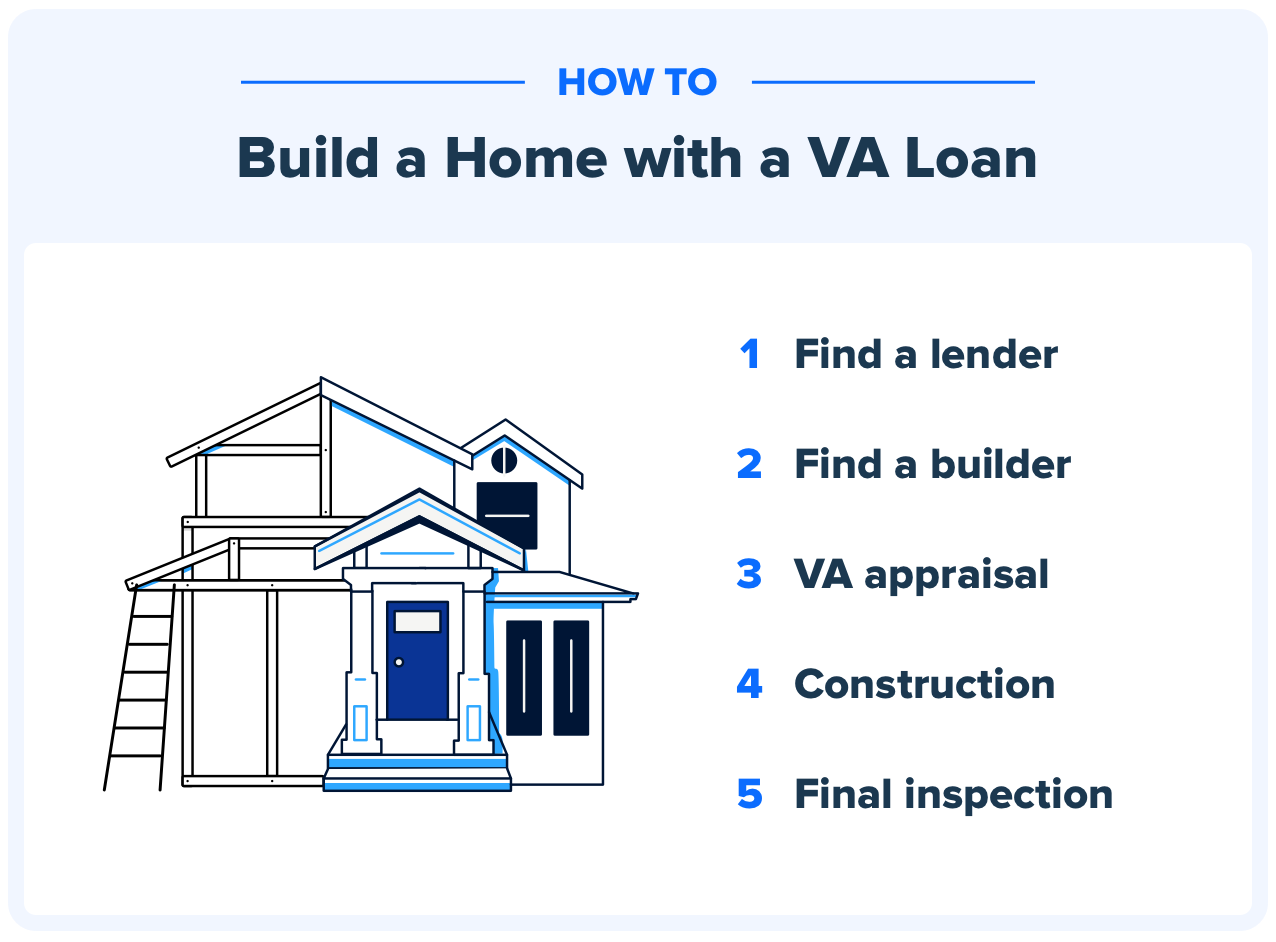
- Construction Loan Management: The NADL functions as a construction-to-permanent loan, with funds disbursed in draws as construction milestones are met. Managing these draws, inspections, and approvals requires meticulous organization and communication.
-
Appraisal and Loan Limit Considerations:
- Unique Property Appraisals: Appraising custom homes on trust land can be challenging. Comparables (comps) are often scarce, as properties are unique and sales data for homes on trust land is limited. This can impact the appraised value and, consequently, the maximum loan amount.
- Loan Limits: While the NADL does not have a strict dollar limit in the same way some other loans do, the maximum loan amount is tied to the appraised value of the home. For very elaborate or high-cost custom builds, the appraised value might not cover all desired features if comps are weak.
- "Subject-To" Appraisal: The VA appraiser will often provide a "subject-to" appraisal, meaning the valuation is contingent on the home being built according to plans and specifications.
-
Geographic and Infrastructure Limitations:
- Remote Locations: Many trust lands are in rural or remote areas, which can pose challenges for accessing utilities (water, sewer, electricity), internet, and emergency services. Bringing in these services can add significant costs and time to the project.
- Material and Labor Transport: Transporting building materials and skilled labor to remote sites can increase construction costs and project timelines.
-
Risk of Cost Overruns and Delays:
- Unforeseen Issues: Custom construction inherently carries risks of unforeseen issues – weather delays, material shortages, labor problems, or unexpected site conditions. These can lead to cost overruns and significant delays.
- Impact of Bureaucracy: The multi-layered approval process exacerbates the risk of delays, as one hold-up in one agency can cascade through the entire timeline.
- Financial Buffer Needed: Despite the no-down-payment benefit, veterans embarking on a custom build should ideally have a financial buffer to cover potential cost overruns or living expenses during extended construction periods.
Navigating the NADL Custom Build Journey: Tips and Considerations
For veterans determined to pursue a custom home on trust land with the NADL, a strategic and patient approach is paramount:
- Start Early with Research: Begin the process well in advance. Understand your specific tribal requirements, land lease procedures, and BIA regulations.
- Consult Your Tribe and VA Experts: Engage with your tribal housing authority and a VA NADL specialist early on. They can provide invaluable guidance specific to your situation and location.
- Vet Your Builder Meticulously: This cannot be stressed enough. Seek out builders with proven experience on trust land, verify licenses, check references, and review their portfolio. Ensure they understand VA requirements and the NADL construction loan process.
- Detailed Plans and Specifications: Work with an architect to develop comprehensive and detailed blueprints, including all desired features and accessibility modifications. The more detailed the plans, the smoother the approval process and construction.
- Build a Strong Support Team: Surround yourself with knowledgeable professionals: a good architect, a reliable contractor, and a VA NADL representative who understands your project.
- Financial Preparedness: While no down payment is required, have a contingency fund for potential cost overruns, unexpected expenses, or to cover living costs during construction.
- Patience and Persistence: Recognize that this will be a marathon, not a sprint. Be prepared for delays, bureaucracy, and the need for persistent follow-up with multiple agencies.
- Stay Informed and Engaged: Actively participate in every step of the process. Understand your lease agreement, construction schedule, and draw disbursements. Regular site visits (if possible) are crucial.
Recommendation: Is the VA NADL for Custom Home Construction the Right Choice?
The VA NADL for custom home construction is a uniquely powerful and profoundly meaningful benefit, but it is not for every veteran.
Highly Recommended For:
- Native American veterans with a deep desire to build a custom home on their ancestral trust land. This is the primary and most compelling use case.
- Veterans with specific accessibility needs that cannot be met by existing homes, for whom a custom build is essential for quality of life and independence.
- Those who are exceptionally patient, organized, and willing to navigate complex administrative processes. A high degree of persistence and self-advocacy is required.
- Individuals who have a clear vision for their home and are prepared to work closely with architects and builders to bring it to fruition.
- Veterans with strong ties to their tribal community who can leverage local knowledge and support networks.
Proceed with Caution (or Consider Alternatives) If:
- You are seeking a quick and easy path to homeownership. The NADL custom build process is inherently lengthy and complex.
- You are not prepared for significant administrative hurdles and potential delays. Frustration is a real risk for those who are not mentally prepared.
- You are not building on Federal Trust Land. The NADL is exclusively for this purpose.
- Your primary goal is simply the lowest interest rate, without the specific need for customization or trust land location. Other VA loan options might be simpler if not building on trust land.
- You lack a robust support system or local knowledge within your tribal community.
Overall, the VA NADL for custom home construction is an extraordinary, invaluable tool for a specific group of veterans. It offers unparalleled financial benefits and the profound opportunity to create a deeply personalized home on culturally significant land. However, it demands a significant investment of time, patience, and effort. It is a journey that, while challenging, promises a reward that extends far beyond bricks and mortar – a legacy built on sacred ground, a testament to service, and a home perfectly crafted for a veteran’s unique future. For those willing to embrace the complexity, the dream of a custom home through the NADL is absolutely worth pursuing.


