VA Home Loan Consolidation: A Review of the NADL and Broader VA Refinance Options for Veterans
For many veterans, the dream of homeownership is one of the most significant benefits earned through their service. The Department of Veterans Affairs (VA) home loan program has been instrumental in making this dream a reality for millions. However, as financial circumstances evolve, veterans may seek to optimize their existing home loans, often through consolidation. While the VA Native American Direct Loan (NADL) serves a specific and vital purpose, its application for general consolidation of existing home loans is often misunderstood or conflated with other powerful VA refinance tools.
This article aims to clarify the NADL’s role, explore how it might intersect with consolidation in specific cases, and more broadly, review the VA’s primary refinance options that veterans typically leverage for consolidating their existing home loans. We will delve into the advantages and disadvantages of these programs and provide a comprehensive recommendation for veterans considering such a financial move.
Understanding the VA Native American Direct Loan (NADL)
The VA Native American Direct Loan (NADL) program is a unique and invaluable benefit designed to assist Native American veterans and their spouses in purchasing, constructing, or improving homes on Federal Trust Land. It is a direct loan from the VA, meaning the VA itself acts as the lender, rather than a private bank.
Key Characteristics of the NADL:
- Eligibility: Must be a Native American veteran or the spouse of a Native American veteran, and meet standard VA loan eligibility requirements (Certificate of Eligibility – COE).
- Property Location: The property must be located on Federal Trust Land, which is land held in trust by the U.S. government for Native American tribes or individuals. This is a critical and restrictive criterion.
- Purpose: Primarily for purchasing a home, constructing a home, or making home improvements.
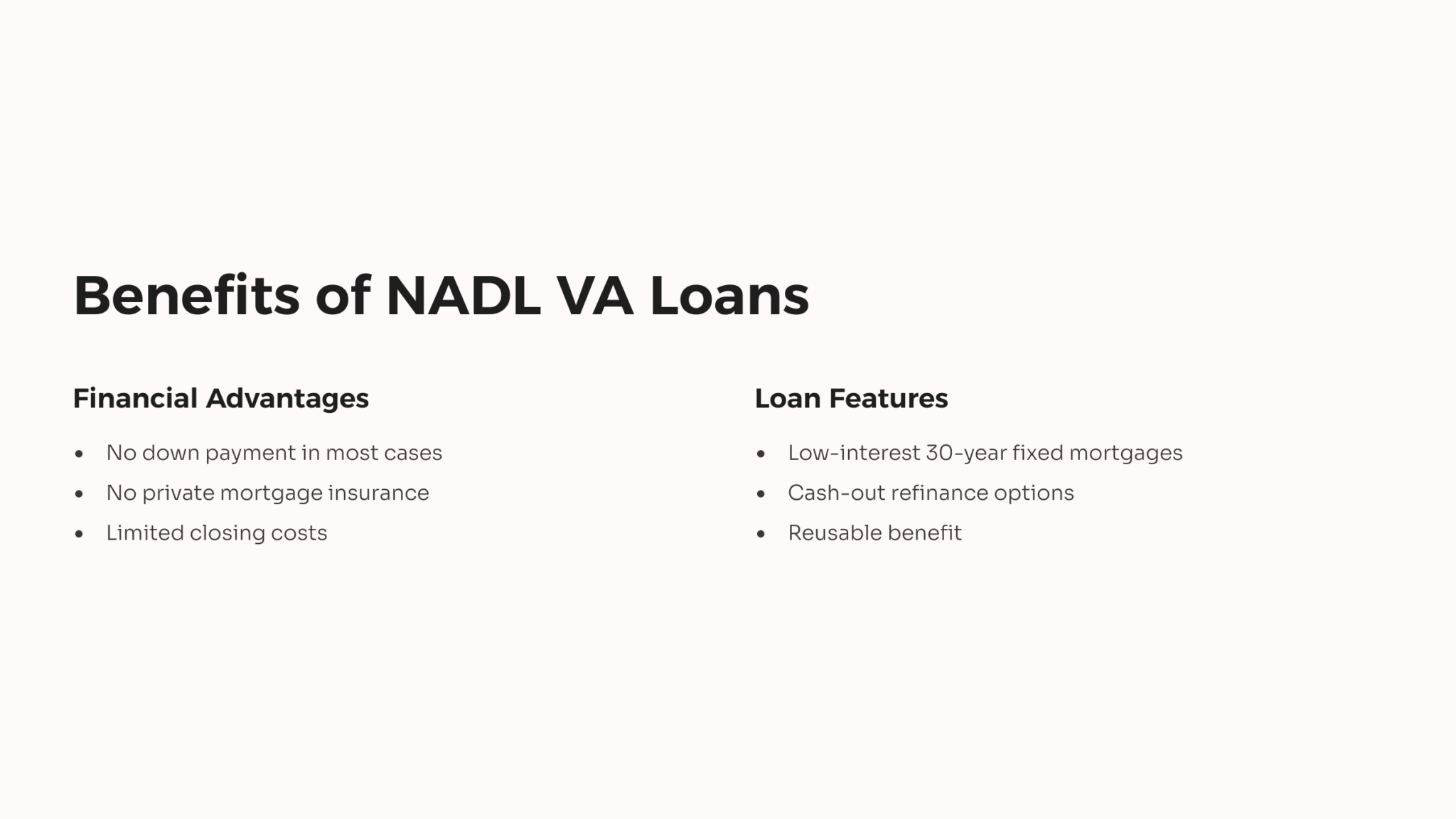
- No Down Payment: Like other VA loans, the NADL typically requires no down payment.
- Low Interest Rates: Interest rates are competitive and often fixed.
- No Private Mortgage Insurance (PMI): Another hallmark of VA loans, saving veterans significant monthly costs.
- Limited Closing Costs: The VA limits the closing costs lenders can charge.
NADL and the Concept of "Consolidation"
It’s important to clarify that the NADL program is not primarily designed for the general consolidation of existing home loans in the way a conventional refinance or cash-out refinance might be. For instance, an NADL cannot be used to combine a non-VA mortgage with a VA mortgage on a property not on trust land, nor can it typically consolidate a first and second mortgage on a property outside of its specific scope.
However, in very specific circumstances, the NADL could involve elements that might be considered "consolidation" within its narrow framework:
- Refinancing an Existing NADL: If a Native American veteran already has an NADL and wishes to obtain a lower interest rate or different loan terms, they might be able to refinance their existing NADL with a new NADL. This is a form of consolidation of the same type of loan.
- Combining Improvement Costs: If a veteran on trust land has an existing loan (perhaps even an NADL) and wishes to make significant home improvements, an NADL could potentially be used to fund those improvements and integrate them into a new loan structure, effectively consolidating the original loan’s balance with the new improvement costs.
- Specific Tribal Programs: In some instances, tribal housing authorities might have unique programs that, when combined with an NADL, facilitate a form of financial restructuring that could be broadly termed consolidation. These are highly specific and not general market offerings.
In essence, for the vast majority of veterans seeking to consolidate existing home loans – whether combining a first and second mortgage, refinancing a non-VA loan into a VA loan, or cashing out equity to pay off other debts – the NADL is not the appropriate or available tool. For these broader consolidation needs, the Department of Veterans Affairs offers two distinct and highly effective refinance programs.
Broader VA Refinance Options for Home Loan Consolidation
For most veterans, the term "consolidating existing home loans" refers to one of the following scenarios, best addressed by the VA’s dedicated refinance programs:
- Interest Rate Reduction Refinance Loan (IRRRL), or VA Streamline Refinance: This is designed for veterans who already have a VA loan and wish to reduce their interest rate, shorten their loan term, or convert an adjustable-rate mortgage (ARM) to a fixed-rate mortgage.
- VA Cash-Out Refinance: This allows veterans (with or without an existing VA loan) to refinance their current mortgage for a higher amount than they currently owe, taking the difference in cash. This cash can then be used to pay off other debts, including a second mortgage, student loans, credit cards, or for home improvements.
Let’s explore these in detail.
1. VA Interest Rate Reduction Refinance Loan (IRRRL) – The "Streamline" Option
The IRRRL is often called a "VA Streamline" because of its simplified application process. It’s specifically for veterans who want to refinance an existing VA-guaranteed loan to get a lower interest rate or switch from an adjustable to a fixed rate.
Pros of IRRRL:
- Simplified Process: Often requires less paperwork, no appraisal in most cases, and sometimes no credit underwriting by the VA (though lenders may still require it).
- No VA Funding Fee (in some cases): Veterans who receive VA compensation for service-connected disabilities, or are surviving spouses of veterans who died in service or from a service-connected disability, are exempt from the VA funding fee.
- Lower Interest Rates: The primary benefit is to secure a more favorable interest rate, leading to lower monthly payments.
- Convert ARM to Fixed Rate: Provides stability and predictability in monthly housing costs.
- Flexible Closing Costs: Closing costs can often be rolled into the new loan or paid by the lender in exchange for a slightly higher interest rate.
- No Occupancy Requirement: Unlike the original VA loan, you don’t necessarily have to occupy the property as your primary residence at the time of the IRRRL, though some lenders may require it.
Cons of IRRRL:
- Cannot Take Cash Out: The IRRRL is purely for rate and term adjustments; you cannot receive cash back from the equity.
- Must Already Have a VA Loan: Only applicable if your existing mortgage is a VA loan.
- VA Funding Fee: Unless exempt, a funding fee applies (currently 0.50% of the loan amount), though it’s typically lower than for a purchase or cash-out refinance.
- Potential for "Net Tangible Benefit" Requirement: Lenders must ensure the refinance offers a clear benefit to the veteran (e.g., lower payment, shorter term).
2. VA Cash-Out Refinance
The VA Cash-Out Refinance allows veterans to tap into their home equity. This program is incredibly versatile and is the primary VA tool for comprehensive debt consolidation. It can be used whether you currently have a VA loan or a conventional/FHA loan.
Pros of VA Cash-Out Refinance:
- Debt Consolidation: The most significant benefit for this discussion. You can use the cash out to pay off high-interest credit card debt, personal loans, student loans, or even a second mortgage, simplifying your finances into one lower-interest mortgage payment.
- Home Improvements: Fund renovations or necessary repairs.
- Cash for Other Needs: Use the funds for any legitimate purpose, from medical bills to educational expenses.
- Refinance Non-VA Loans: You can convert a conventional or FHA loan into a VA loan, unlocking all the benefits of the VA program (no PMI, competitive rates).
- Competitive Interest Rates: VA loans generally offer lower interest rates than conventional cash-out options.
- No PMI: A major cost-saving advantage over conventional cash-out refinances.
- High Loan-to-Value (LTV): Can often go up to 100% LTV (meaning you can borrow up to the full appraised value of your home), which is rare for other loan types.
Cons of VA Cash-Out Refinance:
- Higher VA Funding Fee: The funding fee is typically higher than for an IRRRL or first-time purchase (currently 2.15% for first-time use, 3.3% for subsequent use, unless exempt). This fee can be rolled into the loan.
- Appraisal Required: A new appraisal is necessary to determine the home’s current value, which might reveal less equity than anticipated.
- Closing Costs: While competitive, closing costs are still a factor and can be substantial, though they can often be financed into the loan.
- Increased Loan Amount: While consolidating debt is good, you are increasing your mortgage principal and potentially extending the loan term, which means you’ll pay more interest over the life of the loan.
- Impact on Future VA Loan Eligibility: Using your entitlement for a cash-out refinance will reduce the amount of entitlement you have available for future VA loans until the cash-out loan is paid off.
General Advantages of VA Loans (Applicable to NADL & Refinance)
Regardless of the specific program, VA loans offer several overarching benefits that make them highly attractive:
- No Private Mortgage Insurance (PMI): This is a huge cost saver, especially compared to conventional loans with less than 20% equity or FHA loans which require mortgage insurance for the life of the loan.
- Competitive Interest Rates: VA loans typically boast some of the lowest interest rates on the market due to the government guarantee.
- Flexible Underwriting: VA guidelines are often more forgiving regarding credit scores and debt-to-income ratios compared to conventional loans.
- Limited Closing Costs: The VA limits what lenders can charge veterans in closing costs, and sellers are also permitted to pay many of these costs.
- No Prepayment Penalties: Veterans can pay off their loan early without incurring any fees.
- VA Assistance: If you encounter financial difficulties, the VA has programs and counselors to help you avoid foreclosure.
General Disadvantages of VA Loans (Applicable to NADL & Refinance)
While beneficial, VA loans also have some drawbacks:
- VA Funding Fee: As mentioned, this fee (unless exempt) is added to the loan amount and increases the overall cost.
- Property Requirements: Properties must meet specific VA minimum property requirements (MPRs) to ensure they are safe, sanitary, and structurally sound. This can sometimes lead to delays or require repairs before closing.
- Bureaucracy and Processing Time: While often streamlined, dealing with government-backed loans can sometimes involve more paperwork or longer processing times compared to conventional loans.
- Not All Lenders Offer VA Loans: While most major lenders do, some smaller or local banks may not be familiar with or offer VA products.
Eligibility and Application Process for VA Refinance Loans
To pursue a VA refinance (IRRRL or Cash-Out), veterans will generally follow these steps:
- Obtain Your Certificate of Eligibility (COE): This document verifies your service and confirms your eligibility for VA home loan benefits. You can get this online, through your lender, or by mail.
- Choose a VA-Approved Lender: Shop around for lenders experienced in VA loans. Compare interest rates, fees, and customer service.
- Submit Your Application: Provide financial documentation, including income verification, credit history, and details about your current mortgage(s) and any debts you wish to consolidate.
- Property Appraisal (for Cash-Out): For a Cash-Out Refinance, an appraisal will be ordered to determine your home’s current market value and assess equity.
- Underwriting: The lender reviews your application to ensure it meets VA and their own internal guidelines.
- Closing: Once approved, you’ll sign the closing documents, and the loan will be disbursed.
Recommendation: Is a VA Refinance Right for You?
For veterans seeking to consolidate existing home loans, a VA Cash-Out Refinance is generally the most powerful and versatile tool. If you currently have a VA loan and your primary goal is simply to lower your interest rate or change your loan terms without taking cash out, then a VA IRRRL is an excellent, streamlined option. The NADL, while a fantastic benefit for its intended purpose, is not recommended for general home loan consolidation due to its highly specific eligibility and property requirements.
When to Consider a VA Cash-Out Refinance:
- High-Interest Debt: If you have significant high-interest debt (credit cards, personal loans) that you want to roll into a lower-interest mortgage payment.
- Second Mortgage: If you want to combine your first and second mortgages into one VA loan.
- Home Improvements: If you need funds for substantial home renovations.
- Converting a Non-VA Loan: If you have a conventional or FHA loan and want to take advantage of the VA’s benefits (no PMI, competitive rates).
When to Be Cautious:
- Increased Debt: Remember, consolidating debt into your mortgage means you’re increasing your home loan balance. While the interest rate may be lower, you’ll pay interest over a much longer term, potentially increasing the total cost of the debt.
- Loss of Equity: Tapping into your home equity means you have less buffer if home values decline.
- Funding Fee: Factor in the VA funding fee, especially for a Cash-Out Refinance, as it can be substantial.
Crucial Steps Before Deciding:
- Assess Your Financial Situation: Clearly understand your current interest rates, monthly payments, and total debt.
- Calculate the Costs and Benefits: Get quotes from multiple VA-approved lenders. Compare interest rates, closing costs, and the new total loan amount. Use an online calculator to see how your monthly payments and total interest paid will change.
- Consider the Long-Term Impact: Will consolidating debt into your mortgage truly improve your financial health, or will it just shift the problem? Do you have a plan to avoid accumulating new debt?
- Seek Professional Advice: Consult with a financial advisor or a HUD-approved housing counselor. They can help you evaluate if a refinance is the best move for your unique circumstances.
- Shop Around: Interest rates and fees vary between lenders. Obtain quotes from at least three different VA-approved lenders to ensure you get the best deal.
Conclusion
The VA home loan program remains one of the most powerful and flexible benefits available to veterans. While the VA Native American Direct Loan (NADL) serves a critical niche for Native American veterans on trust land, it is not the general consolidation tool the prompt implies. For the broader veteran community seeking to consolidate existing home loans, the VA Interest Rate Reduction Refinance Loan (IRRRL) and the VA Cash-Out Refinance are the true workhorses.
These refinance options offer unparalleled advantages like no PMI, competitive interest rates, and flexible terms, making them excellent choices for optimizing your mortgage or consolidating other debts. However, like any major financial decision, they require careful consideration of their pros and cons, a thorough understanding of your personal financial situation, and diligent comparison shopping. By leveraging these powerful VA benefits wisely, veterans can secure a more stable and financially sound future in their homes.


