The Foundation of Home: A Comprehensive Review of the VA Native American Direct Loan (NADL) for Manufactured Homes
For many, the dream of homeownership remains a cornerstone of the American experience, representing stability, security, and the building of generational wealth. However, this dream can be particularly challenging for Native American veterans seeking to establish roots on tribal lands. Unique land tenure systems, limited access to conventional financing, and specific cultural considerations often create significant barriers. Enter the VA Native American Direct Loan (NADL) program, a vital, albeit often overlooked, resource designed to bridge this gap. When combined with the increasing quality and affordability of manufactured homes, the NADL program presents a powerful pathway to homeownership.
This comprehensive review will delve into the intricacies of the VA NADL program specifically for manufactured homes, exploring its mechanisms, dissecting its numerous advantages and potential drawbacks, and ultimately providing a well-rounded recommendation for eligible veterans.
Understanding the VA Native American Direct Loan (NADL) Program
The VA Native American Direct Loan (NADL) program, authorized under Section 376 of Title 38, U.S. Code, is a direct loan program, meaning the Department of Veterans Affairs itself acts as the lender, rather than guaranteeing a loan from a private institution. Its primary purpose is to help Native American veterans finance the purchase, construction, or improvement of homes on Federal Trust Land or individually allotted land.

Key Eligibility Criteria:
- Veteran Status: The applicant must be an eligible Native American veteran. This typically means meeting standard VA eligibility requirements (service time, discharge status) and being Native American.
- Tribal Enrollment: The veteran must be an enrolled member of a federally recognized Native American Tribe.
- Land Status: The home must be located on Federal Trust Land or individually allotted land. This is a critical distinction, as conventional mortgages are often difficult or impossible to obtain on such lands due to their unique legal status where the land is held in trust by the U.S. government for the benefit of the tribe or individual.
- Occupancy: The veteran must intend to occupy the home as their primary residence.
- Income & Credit: While the NADL program offers more flexible credit requirements than conventional loans, veterans must demonstrate the ability to repay the loan and have satisfactory credit.
How it Works:
The VA works directly with eligible veterans, tribal organizations, and sometimes tribal housing authorities to facilitate the loan process. The loan can be used for:
- Purchasing a home: Existing homes on trust land.
- Constructing a home: Building a new home, including manufactured homes.
- Renovating a home: Making improvements to an existing home.
- Refinancing an existing NADL loan: To reduce interest rates or extend terms.
The Nexus: Manufactured Homes and VA NADL
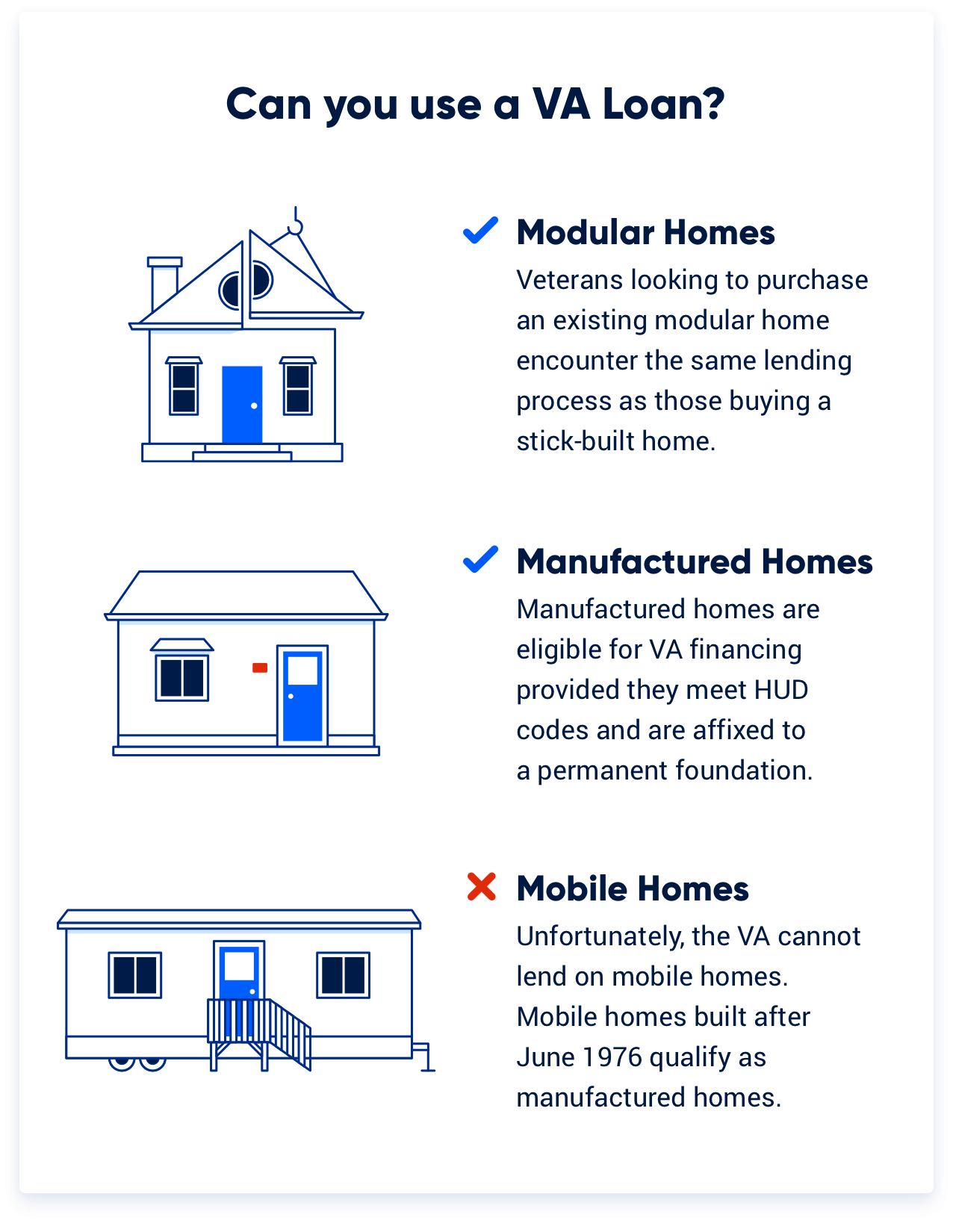
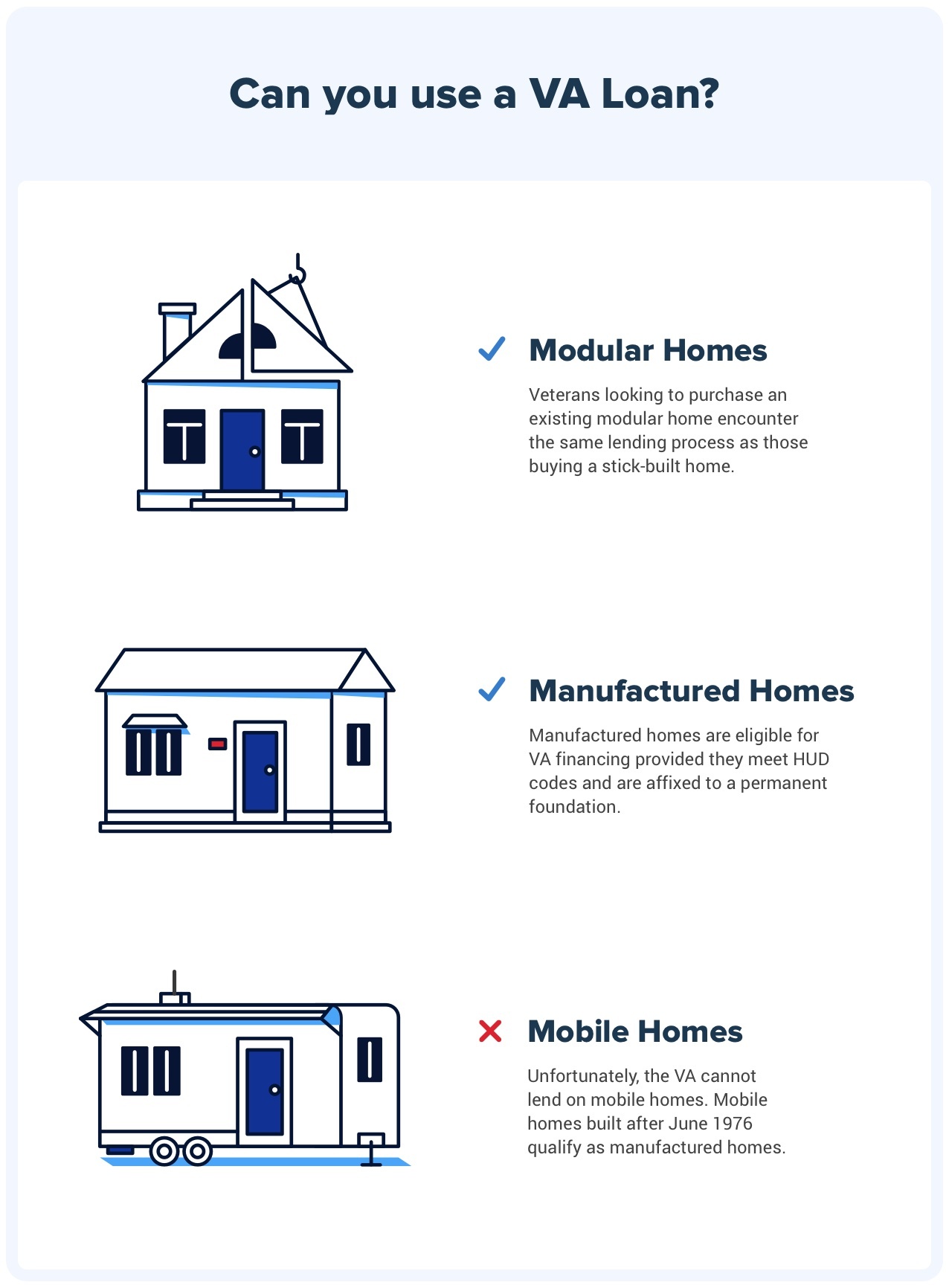
Manufactured homes, once burdened by the stigma of "mobile homes," have evolved significantly. Modern manufactured homes are built to stringent HUD (Housing and Urban Development) code standards, are increasingly energy-efficient, and offer a level of quality and customization comparable to site-built homes, often at a significantly lower cost.
For the NADL program, manufactured homes are an ideal fit for several reasons:
- Affordability: Their lower per-square-foot cost makes homeownership more accessible, especially for veterans on fixed incomes or those with limited savings.
- Speed of Construction: Factory-built homes can be constructed and placed on a permanent foundation much faster than traditional stick-built homes, reducing wait times for veterans.
- Quality & Durability: When properly installed on a permanent foundation and connected to utilities, manufactured homes can offer decades of comfortable living and meet all VA requirements for safety and structural integrity.
- Land-Home Package: NADL can finance both the purchase of the manufactured home and the necessary site improvements (foundation, utilities, septic, etc.), providing a comprehensive solution.
Important Note: For a manufactured home to qualify for VA NADL, it must be permanently affixed to a foundation and classified as real property, not personal property. It must also meet all HUD codes and local building requirements.
Advantages of the VA NADL Loan for Manufactured Homes
The VA NADL program, particularly when utilized for manufactured homes, offers a compelling array of benefits that directly address the unique challenges faced by Native American veterans.
- No Down Payment Requirement: This is arguably the most significant advantage. For many veterans, accumulating a substantial down payment is the primary barrier to homeownership. NADL eliminates this hurdle entirely, making homeownership immediately accessible.
- Low, Fixed Interest Rates: NADL loans typically come with highly competitive, fixed interest rates set by the VA. This provides veterans with predictable monthly payments throughout the life of the loan, protecting them from market fluctuations and offering significant long-term savings compared to many conventional loans.
- Flexible Credit Requirements: While creditworthiness is still assessed, the VA NADL program often has more flexible credit guidelines than traditional lenders. This acknowledges that some veterans may have had financial challenges that do not necessarily reflect their current ability to repay a loan, widening the net of eligible applicants.
- No Private Mortgage Insurance (PMI): Unlike conventional loans with less than a 20% down payment, NADL loans do not require private mortgage insurance. This saves veterans hundreds of dollars per month, further reducing their housing costs and making homeownership more affordable.
- Direct Loan Relationship with the VA: As a direct loan, veterans work directly with the VA, rather than navigating a private lender. This can simplify the process, provide direct access to VA expertise and support, and offer a more personalized experience.
- Affordability of Manufactured Homes: By leveraging manufactured homes, the overall cost of homeownership is significantly reduced. This means a smaller loan amount, lower monthly payments, and more disposable income for the veteran and their family.
- Speed of Home Attainment: The factory-built nature of manufactured homes means quicker construction and deployment. This translates to a faster path to moving into a new home, which can be a major relief for veterans currently in temporary housing or difficult living situations.
- Empowering Tribal Homeownership & Economic Development: The NADL program is crucial for promoting homeownership on tribal lands, which in turn fosters economic stability and community development within Native American nations. It provides a means for veterans to remain connected to their tribal communities and contribute to their growth.
- Long-Term Security and Equity Building: Despite past perceptions, a properly installed and maintained manufactured home on a permanent foundation can appreciate in value, allowing veterans to build equity over time, a vital component of personal wealth and financial security.
Potential Disadvantages and Considerations
While the VA NADL program for manufactured homes offers substantial benefits, it’s essential to approach it with a clear understanding of its limitations and potential challenges.
- Limited to Tribal Lands/Trust Lands: This is the most significant restriction. The NADL program is exclusively for homes on Federal Trust Land or individually allotted land. Veterans wishing to purchase a home off tribal lands, or on fee simple land within tribal jurisdiction, would need to explore other VA loan programs or conventional financing.
- Complexity of Land Lease Agreements: On tribal lands, the veteran typically doesn’t own the land outright but rather enters into a long-term lease agreement with the tribe or individual allottee. These leases can be complex, requiring careful review and understanding of terms, duration, and renewal options. The VA requires these leases to be for a minimum of 65 years for new construction.
- Perception and Stigma of Manufactured Homes: Despite advancements, some lingering stigma associated with "mobile homes" can affect public perception, potential resale value, and even local zoning regulations. While modern manufactured homes are high quality, educating oneself and others about their current standards is often necessary.
- Appraisal Challenges: Appraising homes on tribal lands can be more complex due to the unique land tenure system and potentially fewer comparable sales data. This can sometimes lead to appraisal values that differ from initial expectations, impacting the loan amount.
- Limited to Direct Loan: While working directly with the VA has advantages, it also means veterans cannot shop around for different lenders or loan products. The terms are set by the VA.
- Bureaucracy and Processing Time: As a government-administered program, the NADL process can sometimes be slower and involve more paperwork than conventional loans. Patience and diligent follow-up are often required.
- Infrastructure Requirements: Placing a manufactured home requires access to essential utilities (water, sewer/septic, electricity), and suitable roads. In some remote tribal areas, developing this infrastructure can be costly and time-consuming, potentially delaying the project.
- Limited Customization (Compared to Site-Built): While modern manufactured homes offer more options, they still have design and layout constraints compared to a fully custom, site-built home. Veterans seeking highly specific architectural designs might find options limited.
- Maintenance and Resale Value Concerns: While improving, some manufactured homes may still face challenges with long-term appreciation or resale compared to site-built homes in certain markets, especially if not well-maintained or if the land lease terms are less favorable.
Who is the VA NADL for Manufactured Homes For?
This program is an exceptional fit for a very specific demographic:
- Native American veterans who are enrolled members of federally recognized tribes.
- Veterans who intend to live on Federal Trust Land or individually allotted land.
- Those who prioritize low upfront costs (no down payment) and predictable, affordable monthly payments (low fixed rates, no PMI).
- Veterans who are comfortable with the quality and design of modern manufactured homes and see their value proposition.
- Those who are patient and willing to navigate the unique aspects of tribal land leases and government loan processes.
- Veterans seeking to build equity and establish a permanent home within their tribal community.
Purchase Recommendation: A Resounding Yes (with Due Diligence)
For the eligible Native American veteran seeking homeownership on tribal lands, the VA Native American Direct Loan for manufactured homes is an unequivocal and strong recommendation. It is often the only viable path to homeownership in these unique circumstances and represents an invaluable benefit earned through service.
Here’s why:
The program directly addresses the most significant barriers to homeownership for this specific population: the lack of a down payment, the difficulty of securing conventional financing on tribal lands, and the need for affordable housing solutions. The combination of no down payment, low fixed interest rates, and no PMI makes homeownership genuinely attainable and sustainable. When paired with the cost-effectiveness and efficiency of modern manufactured homes, it creates a powerful synergy that maximizes the veteran’s benefit.
However, the recommendation comes with important caveats and calls for due diligence:
- Understand the Land Lease: Veterans must thoroughly understand the terms of their land lease agreement. Seek legal counsel or tribal housing assistance to ensure clarity on duration, renewal, and any associated costs or restrictions.
- Work with Tribal Housing Authorities: Engage early and often with your tribal housing authority or relevant tribal government departments. They are invaluable resources for understanding local regulations, land availability, and navigating the application process.
- Vet the Manufactured Home Builder/Dealer: Choose a reputable manufactured home builder and dealer that has experience with VA requirements and understands installation on tribal lands. Ensure the home meets all HUD codes and local building standards.
- Consider Site Preparation Costs: While NADL can cover site prep, understand the full scope of work required for your specific plot, including utility hookups, foundation, and grading.
- Be Prepared for the Process: While the VA strives for efficiency, government processes can take time. Patience and proactive communication are key.
Conclusion
The VA Native American Direct Loan program for manufactured homes stands as a testament to the nation’s commitment to its Native American veterans. It is a tailor-made solution that not only provides a tangible path to homeownership but also supports the vitality and self-determination of tribal communities.
By removing the significant financial hurdles of down payments and conventional financing, and by embracing the affordability and quality of modern manufactured housing, the NADL program empowers eligible veterans to achieve the dream of owning a home on their ancestral lands. While the journey requires careful navigation of unique land tenure systems and bureaucratic processes, the rewards—stability, security, and the ability to build a future within their community—are immeasurable. For the Native American veteran who meets the criteria, the VA NADL for manufactured homes is not just a loan; it’s a foundational step towards a secure and prosperous future.


