Unlocking Homeownership: A Comprehensive Guide to VA NADL Loan Credit Score Requirements
For many veterans, the dream of homeownership is a cornerstone of their post-service life. The Department of Veterans Affairs (VA) offers a range of loan programs designed to make this dream a reality, often with more favorable terms than conventional mortgages. Among these, the VA Native American Direct Loan (NADL) program stands out as a unique and vital resource, specifically tailored to assist Native American veterans and their spouses in purchasing, constructing, or improving homes on Federal Trust Land.
While the VA loan program generally boasts features like no down payment and no private mortgage insurance (PMI), navigating the specifics of credit score requirements can be a source of confusion. This article will delve deep into the VA NADL loan, examining its credit score requirements, outlining its numerous advantages and disadvantages, and providing actionable recommendations for prospective borrowers to secure this invaluable benefit.
Understanding the VA Native American Direct Loan (NADL)
Before dissecting credit scores, it’s crucial to understand the unique nature of the NADL program. Unlike the standard VA home loan, which is typically facilitated through private lenders (banks, credit unions), the NADL program is directly administered and funded by the VA itself. This distinction is significant, as it can influence the flexibility of underwriting and the overall application process.

Who is it for?
The NADL program is specifically for Native American veterans (or their non-Native American spouses) who wish to purchase, construct, or improve a home on Federal Trust Land. This includes individually owned trust land or land owned by an Alaska Native Corporation.
What does it offer?
- Direct Lending: The VA is the lender, offering a streamlined process for eligible borrowers.
- Low-Interest Rate: Often features a competitive, fixed interest rate set by the VA.
- No Down Payment: Borrowers typically do not need to make a down payment.
- No Private Mortgage Insurance (PMI): This is a significant cost-saving benefit compared to conventional loans.
- Closing Costs: The VA may limit the closing costs a borrower can pay, and some costs can be included in the loan.
- Flexible Use: Loans can be used for purchasing a home, constructing a new one, making improvements, or refinancing an existing NADL.

The NADL program is a powerful tool designed to address the unique challenges of financing homes on trust land, where conventional lenders often face difficulties with title issues and property rights. It ensures that Native American veterans have equitable access to homeownership opportunities within their communities.
The Crucial Role of Credit Scores in NADL Loans
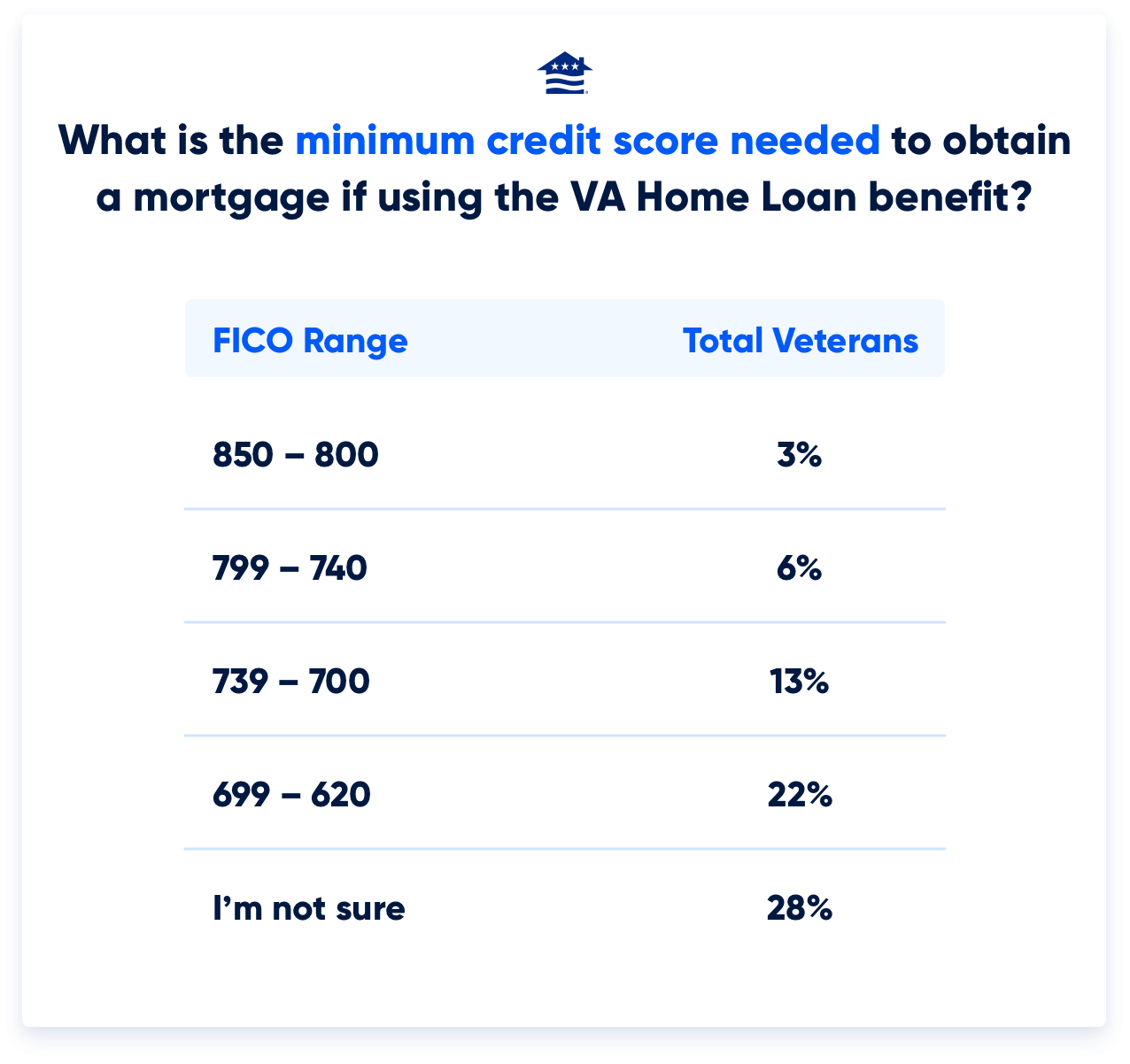
One of the most common questions regarding any mortgage, including VA loans, revolves around credit score requirements. It’s important to clarify a common misconception: the VA itself does not set a minimum credit score for any of its loan programs, including the NADL. This flexibility is a hallmark of VA loans, aiming to provide broader access to veterans who might not meet strict conventional lending criteria.
However, this doesn’t mean credit scores are irrelevant. Far from it. While the VA doesn’t impose a minimum FICO score, they do require borrowers to demonstrate an acceptable credit history and sufficient income to repay the loan. Since the VA is the direct lender for NADL, they conduct a comprehensive assessment of your financial health.
What the VA Looks For (Beyond a Score):
- Payment History: This is arguably the most critical factor. The VA will scrutinize your record of paying debts on time. A consistent history of timely payments on mortgages, car loans, credit cards, and other obligations is paramount. Recent delinquencies (especially within the last 12-24 months) will raise red flags.
- Debt-to-Income Ratio (DTI): The VA will assess how much of your gross monthly income goes towards paying debts. While there isn’t a hard-and-fast maximum DTI for all situations, generally, a lower DTI indicates less financial strain and a greater ability to handle new mortgage payments. The VA often looks for DTIs in the 41% range or lower, but exceptions can be made for borrowers with strong residual income.
- Credit Utilization: This refers to how much of your available credit you are using. High credit utilization (e.g., maxing out credit cards) suggests financial strain and can negatively impact your perceived creditworthiness. The VA prefers to see utilization below 30%.
- Length of Credit History: A longer history of responsible credit use generally bodes well, as it provides more data points for the VA to assess your financial behavior.
- Types of Credit: A mix of credit (e.g., installment loans like car loans and revolving credit like credit cards) can demonstrate your ability to manage different financial products responsibly.
- Adverse Credit Events: Bankruptcies, foreclosures, and judgments will be carefully reviewed. The VA has specific waiting periods for these events, and the circumstances surrounding them will be considered. For instance, a Chapter 7 bankruptcy typically requires a two-year waiting period, while a Chapter 13 bankruptcy requires a one-year period after filing (and the lender’s approval during the repayment period).
The "Implied" Credit Score Range:
Even without a stated minimum, a strong credit profile is essential. While the VA’s underwriting is often more flexible than conventional lenders, a FICO score in the mid-600s or higher (e.g., 640-660+) is generally considered a good target to demonstrate financial responsibility. Scores below this range might not automatically disqualify you, but they will necessitate a closer look at your entire financial picture, requiring stronger compensating factors like a low DTI, significant residual income, or a substantial down payment (though down payments are usually not required for NADL, having one could be a compensating factor).
Because the NADL is directly underwritten by the VA, there might be slightly more latitude than with private lenders who overlay their own, often stricter, credit requirements on top of VA guidelines for standard VA loans. However, the core principle remains: the VA needs assurance that you are a reliable borrower.
Advantages (Pros) of the VA NADL Program
The VA NADL program offers a host of benefits that make it an exceptionally attractive option for eligible veterans:
- No Down Payment (Typically): This is one of the most significant advantages. Saving for a down payment can be a major hurdle for many families, and the NADL eliminates this barrier, allowing veterans to move into homeownership sooner.
- No Private Mortgage Insurance (PMI): Unlike conventional loans where a down payment of less than 20% often requires PMI (an additional monthly cost that protects the lender), NADL loans are exempt. This saves borrowers hundreds of dollars each month, making homeownership more affordable.
- Competitive Interest Rates: The VA sets the interest rates for NADL loans, which are often lower than those offered by conventional lenders. This translates to lower monthly payments and substantial savings over the life of the loan.
- Flexible Underwriting: As the direct lender, the VA can often provide more flexible underwriting than private institutions, particularly when it comes to credit history. While good credit is important, the VA considers the veteran’s overall financial situation, allowing for a more holistic review that might accommodate minor past credit issues.
- Addresses Unique Needs of Trust Land: This is the program’s raison d’être. It overcomes the complexities of financing on Federal Trust Land, which often deter conventional lenders due to intricate land tenure systems, title issues, and appraisal challenges. The NADL simplifies this process for veterans.
- Low Closing Costs: The VA limits the closing costs that borrowers can pay, and some costs can even be rolled into the loan amount, further reducing upfront expenses.
- Loan Limits: NADL loans can be for substantial amounts, aligning with the VA’s conforming loan limits, which are often higher than conventional limits in many areas. This allows veterans to purchase or construct homes that meet their family’s needs.
- Refinancing Options: The program also offers options for refinancing existing NADL loans, allowing veterans to potentially secure better terms or make improvements.
Disadvantages (Cons) of the VA NADL Program
While highly beneficial, the NADL program does come with certain limitations and potential challenges:
- Geographical Restriction: The most significant limitation is that the loan can only be used for homes on Federal Trust Land. This severely restricts eligibility to a specific demographic and geographical area. Veterans not living on or planning to move to trust land cannot utilize this program.
- Strict Eligibility Requirements: Beyond the general VA loan eligibility, borrowers must be Native American veterans (or their non-Native American spouses) and meet specific tribal enrollment or heritage criteria. This makes the program highly specialized.
- Less Common and Known: Compared to the broader VA home loan program, the NADL is less widely known and utilized. This can sometimes lead to a steeper learning curve for applicants and potentially fewer resources outside of direct VA assistance.
- Still Requires Good Credit (Implicitly): Although there’s no official minimum score, a poor credit history will still be an obstacle. While the VA offers flexibility, a history of consistent financial irresponsibility will make loan approval difficult. The "flexibility" often means considering the why behind past issues and evaluating current financial stability, rather than ignoring problems altogether.
- Property-Specific Challenges: Dealing with trust land involves unique legal and administrative considerations, such as leasehold estates rather than fee simple ownership. This can impact appraisals, title searches, and the overall timeline. Borrowers need to understand their tribal land laws and requirements.
- Application Process Can Be Detailed: Because it’s a direct loan from the VA and involves specific property types, the application process can be thorough, requiring extensive documentation related to VA eligibility, tribal enrollment, and property specifics.
- Limited Lender Options: Since the VA is the direct lender, there are no private lenders to shop around with, which means less negotiation power on some terms outside of what the VA offers.
Navigating Credit Score Challenges & Improving Your Profile
If your credit score is a concern, don’t despair. Many veterans can improve their credit profiles with focused effort. Here are actionable steps:
- Obtain Your Credit Reports: Get free copies of your credit report from Equifax, Experian, and TransUnion via AnnualCreditReport.com. Review them thoroughly for errors.
- Dispute Errors: If you find inaccuracies (e.g., accounts that aren’t yours, incorrect payment statuses), dispute them with the credit bureaus immediately.
- Pay Bills On Time, Every Time: Payment history is the most impactful factor. Set up automatic payments or reminders to ensure you never miss a due date.
- Reduce Credit Utilization: Aim to keep your credit card balances below 30% of your available credit. Paying down existing balances can quickly boost your score.
- Avoid Opening New Credit: Applying for new credit (credit cards, loans) can temporarily lower your score due to hard inquiries and a shorter average age of accounts. Avoid this in the months leading up to your loan application.
- Address Collections/Charge-Offs: While not always required to be paid off, having a plan to address old debts can look favorable to the VA.
- Consider a Secured Credit Card or Credit Builder Loan: If you have very limited or poor credit, these tools can help establish a positive payment history.
- Seek Financial Counseling: Non-profit credit counseling agencies can provide personalized advice and help you develop a debt management plan.
Recommendations for Prospective NADL Borrowers
Securing a VA NADL loan requires diligence and preparation. Here are key recommendations:
- Start Early with Credit Repair: Don’t wait until you’re ready to apply. Begin improving your credit profile months, or even a year, in advance. A stronger credit history will make the entire process smoother.
- Understand Your Eligibility Thoroughly: Confirm your VA loan eligibility and your specific Native American veteran status. Gather all necessary documentation, including your Certificate of Eligibility (COE) and tribal enrollment verification.
- Consult Directly with the VA: Because the NADL is a direct loan, your first and most important step is to contact the VA directly. Their loan specialists are the experts on the program’s specific requirements, current interest rates, and application process.
- Research Trust Land Specifics: Understand the unique aspects of property ownership and development on the specific Federal Trust Land you are interested in. This includes tribal laws, leasehold agreements, and any specific requirements for building or purchasing.
- Gather All Financial Documentation: Be prepared to provide extensive documentation, including income verification (pay stubs, tax returns), bank statements, and details of all debts. The VA will want a complete picture of your financial standing.
- Budget Beyond the Mortgage: While the NADL offers favorable terms, remember to budget for property taxes (if applicable), homeowner’s insurance, maintenance, and potential utility costs.
- Be Patient and Persistent: The NADL program, while invaluable, can involve a detailed application and underwriting process, especially given the complexities of trust land. Maintain open communication with your VA loan specialist and be prepared for potential delays.
- Consider Your Residual Income: The VA places significant emphasis on "residual income," which is the amount of discretionary income left over after all major expenses (debts, taxes, housing costs) are paid. Even with a good credit score, insufficient residual income can be a barrier. Work to reduce non-essential spending and increase savings.
Conclusion
The VA Native American Direct Loan program is an extraordinary benefit designed to empower Native American veterans and their families with the opportunity for homeownership on Federal Trust Land. While the VA does not impose a rigid minimum credit score, demonstrating a strong and responsible financial history is unequivocally crucial for approval.
By understanding the VA’s comprehensive approach to assessing creditworthiness, diligently working to improve your financial profile, and meticulously preparing for the application process, eligible veterans can successfully navigate the NADL program. This unique loan, with its direct VA backing, competitive terms, and no down payment or PMI, truly serves as a cornerstone for building secure and stable futures within Native American communities. For those who meet the criteria, the NADL represents more than just a loan; it’s a pathway to lasting homeownership and community connection.


