Navigating the Labyrinth: Understanding the Process of Obtaining a Leasehold Mortgage on Trust Land
The dream of homeownership or establishing a business is a powerful one, often intertwined with the desire to build a legacy on ancestral lands. For individuals and entities associated with Native American tribes in the United States, or in other jurisdictions where similar land tenure systems exist (e.g., certain communal or Crown lands), this aspiration frequently leads to the unique and often complex realm of leasehold mortgages on trust land. This article delves into the intricate process, dissecting its mechanisms, weighing its inherent advantages and disadvantages, and ultimately offering a recommendation for those considering this significant financial undertaking.
Introduction: The Unique Landscape of Trust Land Finance
Trust land, particularly in the context of Native American reservations, refers to land where the legal title is held by the U.S. federal government in trust for the benefit of a tribe or individual tribal members. This arrangement, a legacy of historical treaties and federal policy, creates a distinct legal framework that differs significantly from fee-simple land ownership. Consequently, traditional real estate financing models, which rely on the ability to place a lien directly on the land itself, are inapplicable.
Instead, financing for development or homeownership on trust land typically involves a "leasehold mortgage." This means that the mortgage is secured by the leasehold interest – the right to use and occupy the land for a specified period – rather than the underlying land. While offering a pathway to economic self-determination and community development, navigating this process requires a deep understanding of federal regulations, tribal laws, and specialized financial instruments. This review aims to demystify this complex process, providing a comprehensive overview for prospective borrowers, lenders, and policymakers.

Defining the Terrain: Key Concepts
Before diving into the process, it’s crucial to understand the fundamental components:
- Trust Land: Land where the U.S. government holds legal title in trust for the benefit of a Native American tribe or individual tribal members. This arrangement protects tribal assets and sovereignty but also imposes federal oversight.
- Leasehold Interest: This is a property interest that grants the lessee (the borrower) the right to use and occupy a specific parcel of trust land for a defined period, subject to the terms of a lease agreement. It is not ownership of the land itself.
- Leasehold Mortgage: A security interest granted by the lessee to a lender, using the leasehold interest as collateral for a loan. If the borrower defaults, the lender’s recourse is against the leasehold interest, not the trust land itself.
- Bureau of Indian Affairs (BIA): A federal agency within the U.S. Department of the Interior responsible for administering and managing land held in trust by the United States for Native Americans. The BIA plays a critical role in approving leases and mortgages on trust land.
- Tribal Sovereignty: Native American tribes possess inherent governmental authority over their lands and members. This means tribal laws and ordinances, in addition to federal regulations, govern activities on trust land.
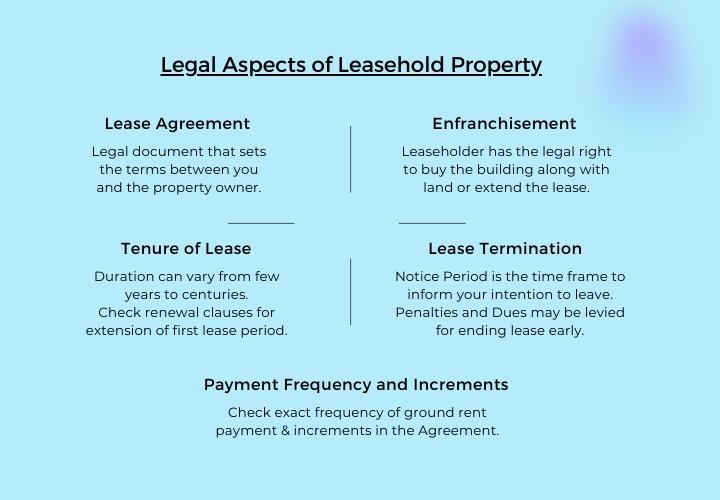
The Process of Obtaining a Leasehold Mortgage on Trust Land
Obtaining a leasehold mortgage on trust land is a multi-faceted process that demands patience, expertise, and collaboration among several stakeholders. Here’s a step-by-step breakdown:
1. Securing an Approved Lease Agreement
The foundational step is obtaining a valid and mortgageable lease for the desired parcel of trust land. This lease must be:
- Long-Term: Lenders typically require a lease term that significantly exceeds the life of the mortgage (e.g., 25-50 years, with options for renewal). This provides sufficient time for the borrower to repay the loan and for the lender to recover its investment in case of default.
- Mortgageable: The lease agreement itself must explicitly state that the leasehold interest can be mortgaged or assigned as collateral for a loan. It must also detail procedures for lender notification in case of default, remedies for the lender, and rights of assignment.
- Approved by the BIA: All leases on trust land require BIA approval to be valid and enforceable. This ensures compliance with federal regulations (primarily 25 CFR Part 162) and protection of tribal interests. The BIA reviews the terms, environmental impact, and fair market value.
- Approved by the Tribal Government: Depending on tribal laws and the specific land, tribal council approval may also be required, particularly for leases of tribally owned trust land. Tribes often have their own land codes and regulations that must be satisfied.
2. Identifying and Engaging a Lender
Finding a lender for a leasehold mortgage on trust land can be challenging, as many conventional banks are unfamiliar with the unique legal framework. Borrowers should seek out:
- Specialized Lenders: Institutions with experience in Native American lending, often participating in programs like the Section 184 Indian Home Loan Guarantee Program (administered by HUD) or directly lending to tribal members.
- Understanding of Risks: Lenders must be comfortable with the complexities of tribal sovereignty, BIA oversight, and the unique foreclosure process.
3. Loan Application and Underwriting
Once a lender is identified, the loan application proceeds similarly to a conventional mortgage, but with added layers of due diligence:
- Borrower Qualifications: Standard credit checks, income verification, and debt-to-income ratios apply.
- Property Appraisal: Appraisals on trust land can be complex due to a lack of comparable sales data. Appraisers must be familiar with leasehold valuation methodologies and local market conditions on reservations. The appraisal values the improvements and the leasehold interest, not the underlying land.
- Environmental Review: Federal regulations often require environmental assessments for developments on trust land.
- Leasehold Title Insurance: Unlike fee-simple title insurance, which insures ownership of the land, leasehold title insurance protects the lender (and sometimes the borrower) against defects in the leasehold interest. This is crucial given the complex chain of title and approvals.
- Lender’s Review of Lease Terms: The lender will meticulously review the lease to ensure it meets their requirements for mortgageability, assignability, and remedies in case of default.
4. BIA and Tribal Approvals for the Mortgage
This is a critical and often time-consuming phase. Once the lender and borrower agree on terms, the mortgage instrument itself must be approved:
- BIA Approval of Mortgage: Under federal law (25 U.S.C. § 415), the BIA must approve any encumbrance (mortgage) on trust land leases. This involves a review to ensure the mortgage terms are fair, protect the borrower’s and tribe’s interests, and comply with federal regulations. This process can be lengthy due to BIA caseloads and internal review procedures.
- Tribal Approval (if applicable): Some tribal land codes may require tribal council or designated tribal agency approval for the mortgage, in addition to the initial lease approval. This reinforces tribal self-governance.
5. Closing and Recording
Upon receiving all necessary approvals (BIA, tribal, lender), the loan can proceed to closing:
- Document Execution: The borrower signs the promissory note, the leasehold mortgage, and other closing documents.
- Recording: The leasehold mortgage must be recorded with the BIA Land Titles and Records Office (LTRO) and, if applicable, with the tribal land records office. This provides public notice of the lender’s lien against the leasehold interest.
Advantages of Leasehold Mortgages on Trust Land
Despite the complexities, leasehold mortgages on trust land offer significant benefits:
- Enabling Homeownership and Economic Development on Ancestral Lands: This is perhaps the most profound advantage. It allows tribal members to build homes, establish businesses, and develop infrastructure on lands that have deep cultural and historical significance, fostering self-sufficiency and community growth.
- Access to Capital: Without the ability to mortgage their leasehold interests, individuals and tribes would have extremely limited access to the capital necessary for large-scale development or home construction. Leasehold mortgages bridge this financial gap.
- Community Building and Retention: By providing pathways to stable housing and economic opportunity, these mortgages help retain tribal members on their reservations, strengthening community ties and cultural continuity.
- Preservation of Trust Status: The leasehold model allows for development and financing without alienating the underlying trust land, ensuring that the land remains in tribal or individual trust status, protected from taxation and direct seizure.
- Growing Expertise and Streamlined Processes: With initiatives like the HEARTH Act (Helping Expedite and Advance Responsible Tribal Homeownership), tribes can develop and implement their own leasing regulations, which, upon BIA approval, can significantly streamline the leasing and mortgage approval process, reducing BIA processing times.
Disadvantages of Leasehold Mortgages on Trust Land
The unique nature of trust land also presents notable challenges:
- Complexity and Bureaucracy: The multi-layered approval process involving the borrower, lender, tribal government, and the BIA can be incredibly time-consuming and bureaucratic. Delays are common, leading to frustration and increased costs.
- Limited Lender Pool: Many conventional lenders are hesitant to engage in trust land financing due to a lack of familiarity with the legal framework, perceived risks, and the specialized expertise required. This limits options and can lead to less competitive rates.
- Unique Foreclosure Challenges: In the event of borrower default, the foreclosure process is significantly more complex than on fee-simple land.
- Tribal Jurisdiction: Foreclosure actions may need to be brought in tribal courts, which can have different procedures and laws than state courts.
- BIA Involvement: The BIA may need to be involved in approving the transfer of the leasehold interest post-foreclosure.
- Marketability: Selling a foreclosed leasehold interest can be difficult, as the pool of potential buyers is often limited to other tribal members or those approved by the tribe/BIA.
- Sovereign Immunity: Lenders must carefully navigate tribal sovereign immunity, ensuring the tribe has waived it in the lease agreement for specific enforcement actions.
- Valuation Difficulties: Appraising leasehold interests on trust land is challenging due to the scarcity of comparable sales data, the unique restrictions on the land, and the need to value the leasehold interest separately from the underlying fee.
- Lease Termination Risk: If the lease agreement terminates (e.g., due to expiration without renewal, or breach of lease terms), the lender’s collateral (the leasehold interest) essentially vanishes, posing a significant risk.
- Higher Costs: The increased legal fees, administrative costs, and the specialized nature of the transaction can make leasehold mortgages more expensive than conventional mortgages.
Recommendation: Is it a "Good Purchase" (Worth Pursuing)?
Understanding the process of obtaining a leasehold mortgage on trust land isn’t about purchasing a product in the traditional sense, but rather about evaluating the "purchase" of a complex financial and legal undertaking. My recommendation is a qualified yes: pursuing a leasehold mortgage on trust land can be an excellent and necessary pathway for tribal members and entities, but it absolutely requires meticulous preparation, specialized guidance, and a clear understanding of the inherent challenges.
For tribal members seeking to establish roots, build homes, or develop businesses on their ancestral lands, this process is often the only viable option. The benefits of cultural connection, economic empowerment, and community development far outweigh the complexities when approached correctly.
To successfully navigate this process, I strongly recommend the following:
- Seek Specialized Legal Counsel: Engage an attorney with extensive experience in federal Indian law, tribal law, and real estate transactions on trust land. Their expertise is invaluable in drafting and reviewing leases, mortgages, and navigating the various approval processes.
- Partner with Experienced Lenders: Work exclusively with financial institutions that have a proven track record of lending on trust land. They will be familiar with the regulations, risks, and necessary procedures, and can guide you through the process more efficiently. Explore programs like HUD’s Section 184.
- Thorough Due Diligence on the Lease: Ensure the lease agreement is robust, clearly mortgageable, and has a sufficiently long term. Understand all clauses related to default, assignment, and lender remedies.
- Engage with Tribal Government Early and Often: Foster a strong, transparent relationship with the tribal housing authority, land department, and leadership. Their support and understanding are crucial for smooth approvals and problem-solving.
- Patience and Persistence: Recognize that this process will likely take longer than a conventional mortgage. Be prepared for delays and maintain open communication with all parties.
- Understand the HEARTH Act: For tribes that have adopted HEARTH Act regulations, the process can be significantly streamlined. Borrowers should inquire about their tribe’s specific leasing codes.
In conclusion, obtaining a leasehold mortgage on trust land is not for the faint of heart, but it is an essential mechanism for fostering economic self-sufficiency and empowering communities on Native American lands. While the "product" is a challenging journey through a unique legal landscape, the destination—homeownership, business growth, and community prosperity on ancestral lands—makes it a profoundly worthwhile endeavor when approached with the right knowledge, resources, and determination.


