Beyond the Horizon: A Comprehensive Review of the Legal Process for Leasehold Mortgages on Tribal Land
In the intricate tapestry of American property law, few threads are as complex, yet potentially rewarding, as those woven around tribal land. For developers, lenders, and tribal nations alike, understanding the legal process for securing leasehold mortgages on these sovereign lands is not merely a matter of compliance, but a strategic imperative. This article offers a comprehensive "product review" of this unique legal framework, dissecting its features, advantages, disadvantages, and ultimately, providing a recommendation for engagement.
The "Product" Under Review: Navigating a Tri-Jurisdictional Maze
The "product" in question is not a physical item, but rather the entire legal and administrative process involved in securing financing where the collateral is a leasehold interest on land held in trust by the U.S. government for the benefit of a Native American tribe or individual tribal members. This process is a unique blend of federal law, tribal law, and, to a lesser extent, state law, creating a distinct legal landscape that diverges significantly from conventional real estate finance.
At its core, a leasehold mortgage on tribal land grants a lender a security interest in a tenant’s leasehold estate, allowing the tenant (borrower) to finance the development or acquisition of improvements on the leased land. Crucially, the underlying land itself remains tribal trust or restricted fee land, inalienable and not subject to direct mortgage by non-tribal entities. The "product’s" value lies in its ability to unlock economic development and access to capital for tribal communities and their partners, leveraging land that would otherwise be difficult to finance.
.jpg "Understanding the legal process for leasehold mortgages on tribal land")
Features: The Multi-Layered Mechanism
The legal process for leasehold mortgages on tribal land is characterized by several distinct, interconnected phases, each demanding specialized expertise and patience.
-
Due Diligence and Tribal Engagement (The Foundation):
- Relationship Building: Unlike conventional transactions, the process begins with cultivating a strong, trust-based relationship with the relevant tribal government or individual landowners. Understanding tribal priorities, governance structures, and cultural sensitivities is paramount.
- Lease Negotiation: The underlying ground lease is the bedrock. It must be robust, comprehensive, and anticipate future financing needs. Key provisions include:
- Term: Sufficiently long to amortize the loan (e.g., 25 years with options to renew for a total of 65-99 years, as per federal regulations).
- Assignment & Sublease: Clear rights for the tenant to assign or sublease, particularly to a lender in case of foreclosure.
- Default & Remedies: Specific remedies for both landlord (tribe) and tenant, including provisions for lender cure rights.
- Mortgageability Clause: Explicitly stating the leasehold interest is mortgageable and outlining the lender’s rights.
- Governing Law & Dispute Resolution: Often tribal law, with provisions for tribal court jurisdiction or alternative dispute resolution.

- Environmental Review (NEPA): Projects on tribal trust land often trigger the National Environmental Policy Act (NEPA), requiring environmental assessments or impact statements, adding significant time and cost.
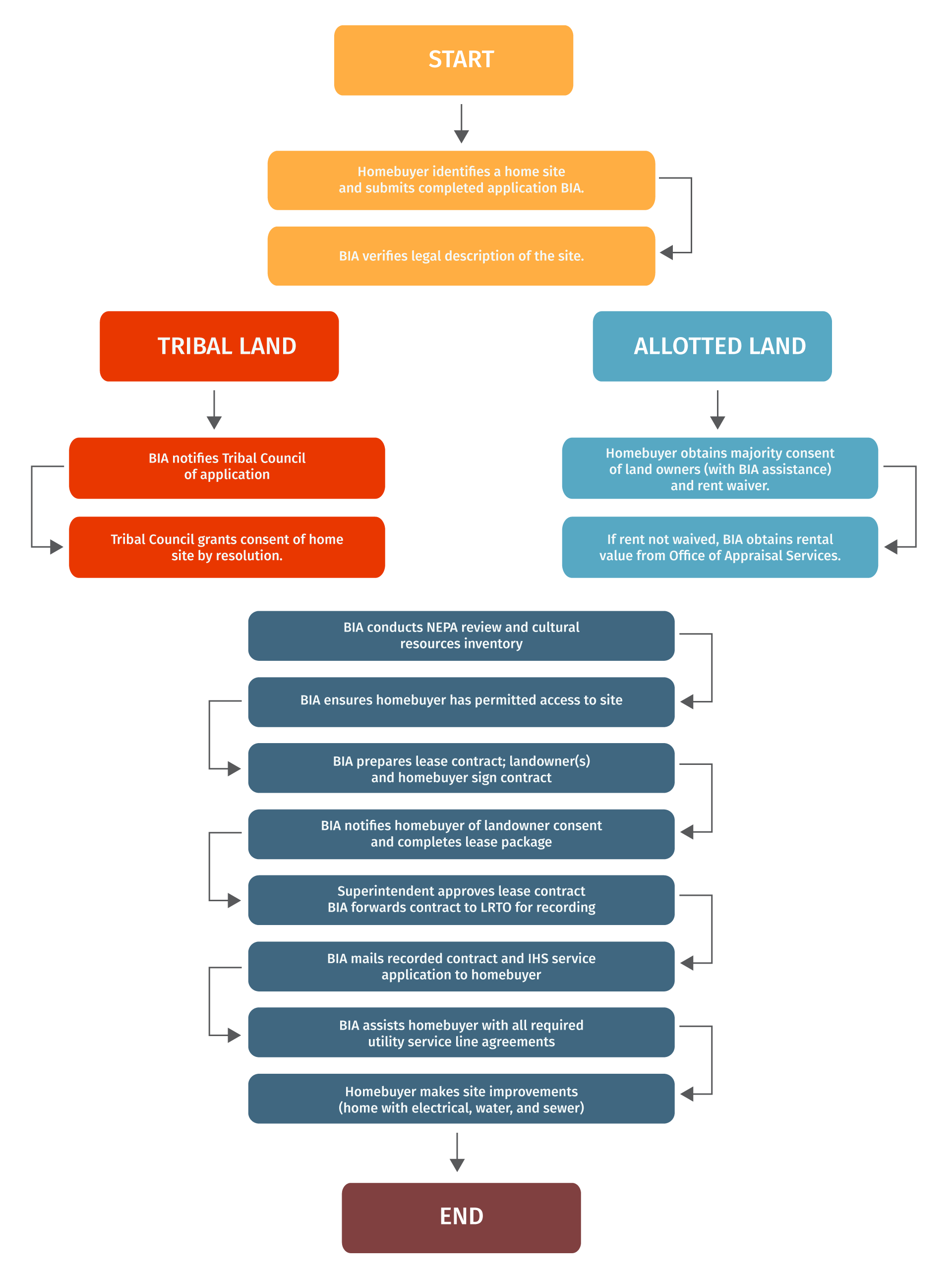
- Title Examination: Unlike county recorders, title for trust land is maintained by the Bureau of Indian Affairs (BIA) Land Titles and Records Office (LTRO). This process can be more complex due to historical land allotments, heirship issues (fractionated ownership), and varying record-keeping standards.
-
Federal and Tribal Approvals (The Gatekeepers):
- BIA Approval of Lease: Under 25 U.S.C. § 415, leases of tribal trust land must be approved by the Secretary of the Interior (through the BIA). The BIA reviews leases to ensure they are in the "best interest of the Indian landowner," a broad standard that can involve economic, environmental, and cultural considerations. This approval is a critical, often time-consuming, bottleneck.
- Tribal Consent: The tribal government must typically consent to the lease and the mortgage through a tribal council resolution or, in some cases, a tribal ordinance. This is a manifestation of tribal sovereignty.
- BIA Approval of Mortgage: While not always a separate approval for the mortgage itself (as the mortgage secures an already-approved leasehold interest), the BIA’s regulations (25 CFR Part 162) govern the leasing process and implicitly affect mortgageability. Sometimes, the BIA will review the mortgage document itself to ensure consistency with federal law and tribal interests.
- Waiver of Sovereign Immunity: For a lender to have recourse in tribal court, the tribe must explicitly waive its sovereign immunity in the lease and loan documents. This is a non-negotiable requirement for most institutional lenders.
-
Documentation and Recording (The Formalization):
- Loan Documents: Standard loan documents (promissory note, deed of trust/mortgage, security agreement) are adapted to reflect the unique jurisdictional framework. They must explicitly incorporate the BIA-approved lease, tribal consent, and sovereign immunity waivers.
- Recording: The mortgage, along with the approved lease, must be recorded with the BIA’s LTRO to provide constructive notice to third parties, rather than with a county recorder.
-
Enforcement and Foreclosure (The Acid Test):
- Default: In the event of default, the process for enforcing the mortgage is highly specialized. It typically involves notifying the tribe, the BIA, and potentially initiating proceedings in tribal court.
- Jurisdiction: Foreclosure actions usually fall under tribal court jurisdiction, though federal courts may have jurisdiction in specific circumstances (e.g., if the tribal court lacks jurisdiction or for certain federal questions). Lenders must exhaust tribal remedies before seeking federal intervention.
- Remedies: The lender’s remedies often involve taking possession of the leasehold estate, curing defaults, and then assigning the lease to a new, qualified tenant. Direct sale of the underlying land is not possible.
Advantages: Unlocking Potential
Despite its complexities, the legal process for leasehold mortgages on tribal land offers significant benefits for all stakeholders:
- Economic Development for Tribal Nations: This process provides a vital mechanism for tribes to leverage their land assets for economic growth, creating jobs, generating revenue, and fostering self-sufficiency. It enables the construction of casinos, hotels, retail centers, housing, and infrastructure that benefit the entire community.
- Access to Capital for Tribal Enterprises and Individuals: It allows tribal businesses and individuals to secure financing for projects that would otherwise be unfinanceable due to the inalienable nature of trust land. This democratizes access to capital, promoting entrepreneurship within tribal communities.
- Investment Opportunities for Lenders and Developers: For non-tribal entities, it opens up new markets and investment opportunities in areas with strong growth potential, often alongside stable and committed tribal partners.
- Long-Term, Stable Revenue for Tribes: Ground leases provide tribes with a consistent, long-term income stream, supporting essential governmental services and future investments.
- Reinforcement of Tribal Sovereignty: By requiring tribal consent and often relying on tribal court jurisdiction, the process reinforces and respects tribal self-governance and decision-making authority over their lands.
- Sustainable Development: The BIA’s "best interest" review and NEPA requirements often ensure that development is more thoroughly vetted for long-term sustainability and environmental impact.
Disadvantages: The Cost of Complexity
The very features that make this process unique also contribute to its significant drawbacks:
- Length and Complexity of Process: The multi-jurisdictional nature, coupled with BIA bureaucracy, multiple layers of approval (tribal council, BIA), and environmental reviews, leads to significantly extended timelines compared to conventional real estate transactions. This can deter impatient investors and increase carrying costs.
- High Transaction Costs: The need for specialized legal counsel (often multiple firms – one for the tribe, one for the lender, one for the developer), extensive due diligence, and prolonged administrative processes drive up legal and administrative fees.
- Jurisdictional Uncertainty: While improving, the legal framework for foreclosure and dispute resolution can still present challenges. Lenders must be prepared for the possibility of tribal court jurisdiction, which may be unfamiliar, and the need to exhaust tribal remedies, potentially delaying resolution.
- Sovereign Immunity Concerns: Without a clear, express, and narrowly tailored waiver of sovereign immunity by the tribe in all relevant documents, lenders have no recourse against the tribe in case of a dispute or default. Negotiating such waivers can be sensitive and complex.
- Title and Recording Challenges: The BIA LTRO system, while improving, can sometimes be less efficient or comprehensive than county recording offices. Issues like fractionated heirship on allotted lands can further complicate title clearance.
- Cultural and Political Sensitivities: The process is deeply intertwined with tribal sovereignty, history, and cultural values. Misunderstandings or a lack of cultural sensitivity can derail negotiations and projects. Political changes within tribal governments can also impact ongoing projects.
- Limited Lender Pool: Due to the specialized nature and perceived risks, fewer institutional lenders are willing to engage in tribal land finance, limiting options and potentially increasing borrowing costs.
- Risk Premium: Lenders often charge a higher interest rate or require more stringent terms to compensate for the added legal, administrative, and perceived jurisdictional risks.
Recommendation for Engagement: Strategic Investment for the Patient and Prepared
The legal process for leasehold mortgages on tribal land is not a "plug-and-play" solution. It is a highly specialized "product" that demands a strategic, long-term approach.
Who is this "product" for?
- Experienced Developers and Investors: Those with a proven track record in complex projects, a high tolerance for regulatory hurdles, and a commitment to long-term relationships.
- Specialized Lenders: Financial institutions with dedicated tribal finance departments or significant experience in governmental lending, accustomed to navigating complex legal and regulatory environments.
- Tribal Nations: Actively seeking economic diversification, job creation, and sustainable development for their communities, willing to engage as proactive partners in the process.
Our Recommendation:
For those prepared to invest the necessary time, resources, and expertise, the legal process for leasehold mortgages on tribal land is a highly recommended but niche investment. It offers unparalleled opportunities for mutually beneficial economic development, but only if approached with the utmost diligence, cultural sensitivity, and legal acumen.
Key Success Factors for "Purchasing" and Utilizing this "Product":
- Specialized Legal Counsel: Engage attorneys with deep expertise in federal Indian law, tribal law, and real estate finance on tribal lands. This is non-negotiable.
- Patience and Persistence: Recognize that timelines will be longer than conventional projects. Be prepared for administrative delays and multiple rounds of review.
- Strong Tribal Relationships: Build trust and foster genuine partnerships with tribal governments and communities. Understand their goals, concerns, and decision-making processes.
- Comprehensive Due Diligence: Conduct exhaustive legal, environmental, and financial due diligence, paying particular attention to title, jurisdictional issues, and the specifics of the lease.
- Robust Documentation: Ensure all agreements – the lease, the mortgage, and the loan documents – are meticulously drafted, explicitly addressing all federal, tribal, and lender requirements, especially regarding sovereign immunity waivers and default remedies.
- Clear Understanding of Enforcement Mechanisms: Lenders must have a clear, actionable plan for default and foreclosure that is legally sound within the tribal and federal frameworks.
In conclusion, the legal process for leasehold mortgages on tribal land is a powerful tool for economic empowerment and investment. It is not without its challenges, demanding a sophisticated understanding of a unique legal and cultural landscape. However, for those willing to commit to the journey with the right guidance and a spirit of partnership, the rewards – in terms of economic growth, community development, and innovative finance – are truly beyond the horizon. This "product" delivers significant value, but only to those who master its intricate operation.


