Understanding the Difference Between Tribal Land and Trust Land for Mortgages: A Comprehensive Guide
Navigating the landscape of homeownership is often complex, but for those looking to purchase property within Native American territories, the journey introduces a unique layer of legal and financial intricacies. The terms "Tribal Land" and "Trust Land" are frequently encountered, often used interchangeably, yet they represent distinct legal classifications with significant implications for mortgages, ownership, and property rights. For prospective homebuyers, lenders, and real estate professionals, a clear understanding of these differences is not just beneficial—it is essential for successful and sustainable homeownership within these unique jurisdictions.
This article delves deep into the distinctions between Tribal Land and Trust Land, exploring their legal frameworks, the challenges and opportunities they present for securing mortgages, and offering comprehensive recommendations for those looking to invest in these culturally rich and legally distinct areas.
The Unique Landscape of Native American Land Ownership
Before dissecting Tribal and Trust lands, it’s crucial to understand the overarching context of Native American land ownership in the United States. Historically, Native American lands have been subject to a complex and often tumultuous relationship with the federal government, resulting in a patchwork of ownership types that defy conventional state property laws. These lands are not simply "another type of private property"; they are imbued with sovereign rights, federal oversight, and often, unique tribal laws and customs.
For lenders, the primary challenge on Native American lands stems from the limited ability to use the land itself as collateral in the traditional sense. Most conventional mortgages rely on the lender’s ability to foreclose on and repossess the property if the borrower defaults. However, the sovereign nature of tribal governments and the federal government’s trust responsibility over certain lands can complicate or even prevent standard foreclosure processes, leading many lenders to shy away from these markets.
What is Tribal Land?
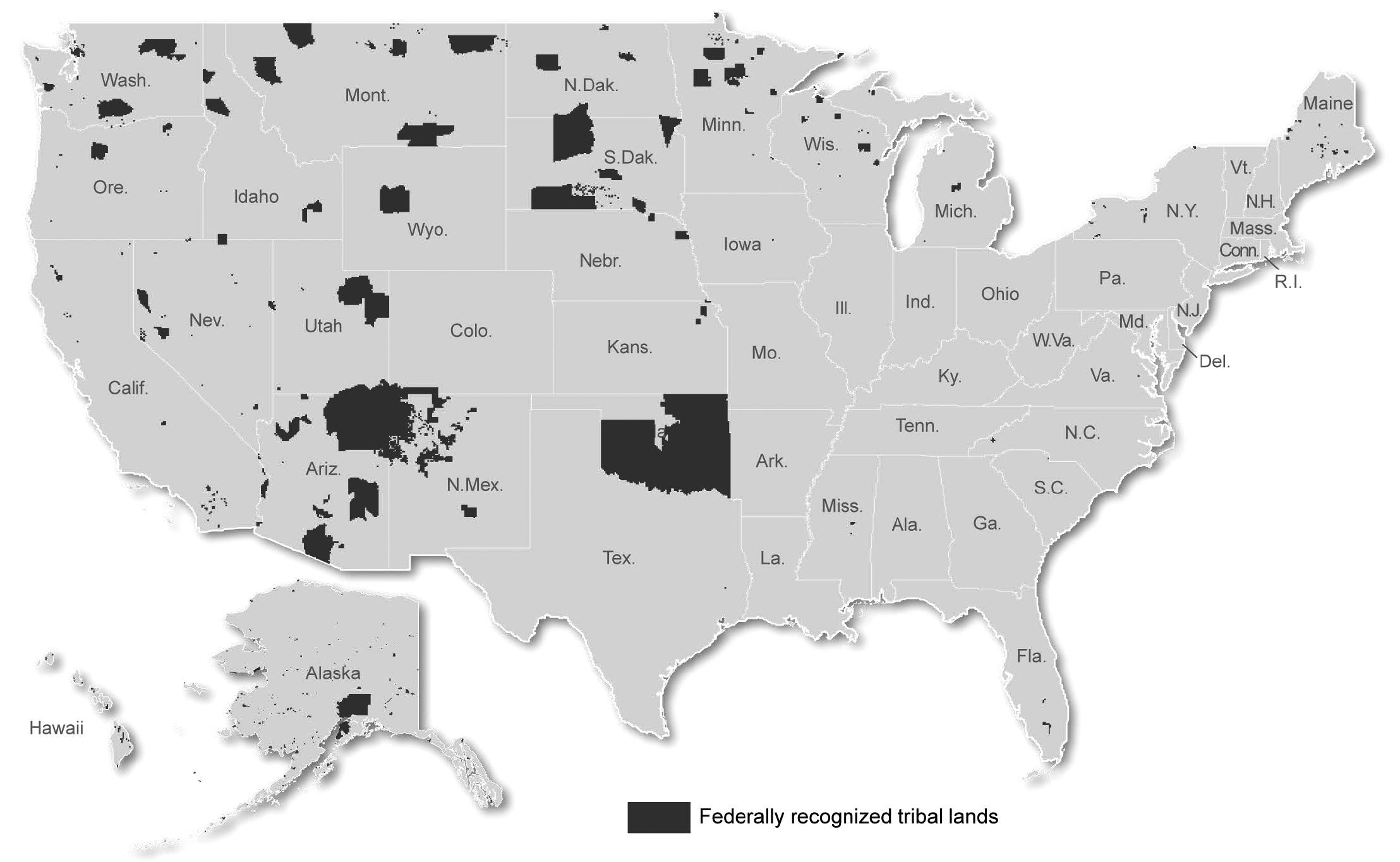
Definition: Tribal Land refers to land that is owned directly by a federally recognized Native American tribe. The tribe holds the "fee simple" title to the land, meaning they have full ownership rights, much like a private corporation or individual. However, because the land belongs to a sovereign nation (the tribe), it is generally not subject to state or local property taxes or jurisdiction.
Key Characteristics:
- Sovereign Ownership: The tribe itself is the landowner. Decisions regarding land use, development, and leasing are made by the tribal government, often through a tribal council or housing authority.
- Tribal Jurisdiction: Activities on Tribal Land, including disputes, are primarily governed by tribal laws and adjudicated in tribal courts. State and local laws typically have limited or no jurisdiction.
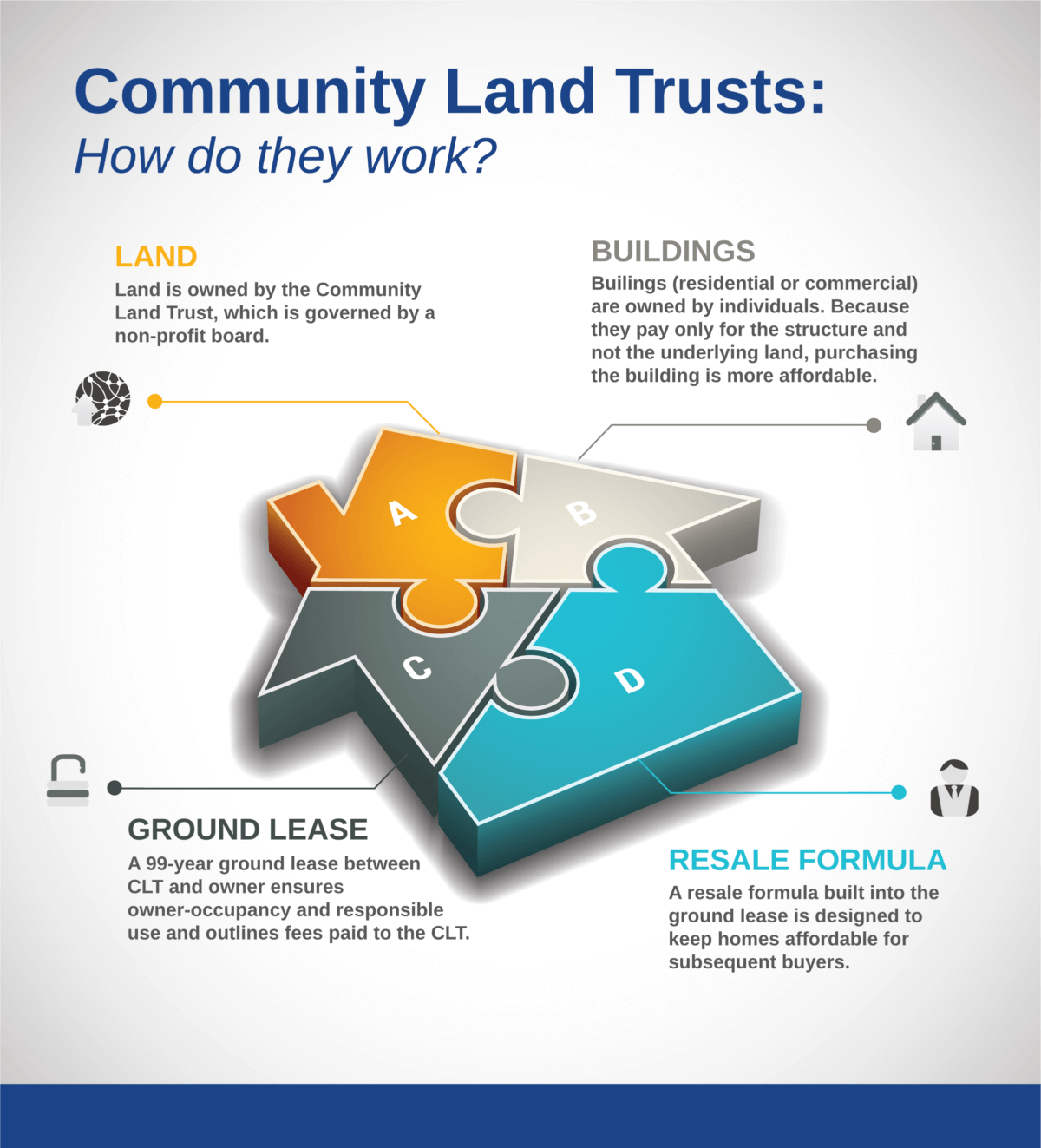
- Leasehold Estates: For individual members or non-members to live on Tribal Land, they typically enter into a long-term lease agreement with the tribe. This means the individual owns the improvements (the house) but leases the land beneath it. These leases can range from 25 to 99 years, often with options for renewal.
- BIA Involvement: While the tribe owns the land, the Bureau of Indian Affairs (BIA) within the Department of the Interior often plays a role in approving or overseeing leases to ensure they are in the best interest of the tribe, particularly for leases extending beyond a certain duration.
Implications for Mortgages on Tribal Land:
- Leasehold Mortgages: Lenders on Tribal Land issue "leasehold mortgages" rather than traditional fee-simple mortgages. This means the collateral for the loan is the borrower’s leasehold interest in the land and the improvements on it, not the land itself.
- Lender Risk: Lenders face a higher perceived risk due to:
- Jurisdiction: Foreclosure proceedings would typically fall under tribal court jurisdiction, which may be unfamiliar to conventional lenders.
- Collateral Value: The value of a leasehold interest can be seen as less stable than fee-simple ownership, especially as the lease term diminishes.
- Resale Market: The market for leasehold properties can be smaller and less liquid than for fee-simple properties.
- Tribal Consent: Many tribal laws require the tribe’s consent for any transfer of the leasehold interest, including a foreclosure sale.
- HUD Section 184 Program: This federal loan guarantee program is specifically designed to facilitate homeownership on Native American lands, including Tribal Land. It addresses many of the challenges by providing a 100% guarantee to approved lenders, significantly reducing their risk.
What is Trust Land?
Definition: Trust Land refers to land where the legal title is held by the United States government "in trust" for the benefit of a Native American tribe or individual Native Americans. The federal government acts as a trustee, and the tribe or individual is the beneficiary.
Key Characteristics:
- Federal Trusteeship: The US government holds the legal title, meaning it has a fiduciary responsibility to protect the land and its resources for the benefit of the Native American owner(s).
- Restricted Fee Status: While the US holds the legal title, the beneficial owner (tribe or individual) has rights to possess, use, and benefit from the land. However, their ability to sell, lease, or encumber the land is "restricted" and requires the approval of the Secretary of the Interior (through the BIA).
- Individual Indian Allotments: A significant portion of Trust Land originated from the General Allotment Act of 1887 (Dawes Act), which divided tribal lands into individual parcels (allotments) for Native Americans. These individual allotments are often still held in trust.
- Heirship: Due to historical policies and the nature of trust status, individual allotments can become highly fractionated, with many co-owners (heirs) holding undivided interests, complicating any land transactions.
- Federal Jurisdiction: While tribal courts may have jurisdiction, federal laws and regulations (administered by the BIA) play a much more direct role in transactions involving Trust Land compared to Tribal Land.
Implications for Mortgages on Trust Land:
- BIA Approval is Paramount: Any mortgage or encumbrance on Trust Land, whether tribal or individual, requires BIA approval. This process ensures that the terms of the mortgage are fair and in the best interest of the Native American beneficiary.
- Foreclosure Challenges: Similar to Tribal Land, traditional foreclosure on Trust Land is complex. The federal government’s trust responsibility means that the land cannot be easily alienated from its Native American beneficiary.
- HUD Section 184 Program: This program is equally, if not more, critical for mortgages on Trust Land. It provides the necessary framework and federal guarantee to enable lenders to operate within the BIA’s approval process and the unique legal status of Trust Land.
- Leasehold vs. Restricted Fee: While some Trust Land may be leased, particularly for individual allotments, the underlying status is the restricted fee, which is slightly different from the tribe-owned, leasehold-only structure of Tribal Land. However, for practical mortgage purposes, the result is often a leasehold-like mortgage or a mortgage directly approved under BIA regulations.
Key Differences Summarized
| Feature | Tribal Land | Trust Land |
|---|---|---|
| Legal Title | Held by the Federally Recognized Tribe | Held by the U.S. Government (in trust for tribe/individuals) |
| Beneficial Owner | The Tribe | The Tribe or Individual Native Americans |
| Jurisdiction | Primarily Tribal Laws & Courts | Federal Laws & Regulations (BIA) & Tribal Laws |
| Transferability | Tribe-controlled, usually through leaseholds | Restricted; requires BIA approval for sales, leases, mortgages |
| Mortgage Type | Primarily Leasehold Mortgages | Leasehold Mortgages or mortgages approved under BIA regulations |
| Primary Oversight | Tribal Government (with some BIA lease review) | Bureau of Indian Affairs (BIA) |
| Taxation | Generally exempt from state/local property tax | Generally exempt from state/local property tax |
Advantages of Homeownership on Tribal or Trust Land
Despite the complexities, there are significant advantages to pursuing homeownership on Native American lands:
- Cultural Connection and Community: For Native Americans, living on ancestral lands offers an invaluable connection to culture, heritage, and a strong sense of community.
- Affordability: In some areas, the cost of land (through lease) or existing homes can be more affordable than comparable properties in fee-simple markets, though this varies greatly.
- Specialized Loan Programs: The HUD Section 184 Indian Home Loan Guarantee Program is a game-changer. It is specifically designed for Native Americans, Alaskan Natives, and Native Hawaiian communities, offering:
- Low down payments (as low as 1.25%).
- Flexible underwriting.
- No mortgage insurance if the down payment is 10% or more.
- Ability to finance on both Tribal and Trust Lands, directly addressing the collateral and jurisdictional challenges.
- Streamlined process with BIA involvement.
- Community Development: Investing in homeownership on these lands contributes directly to the economic and social development of tribal nations, fostering self-sufficiency and improved living standards.
- Long-Term Security (Leasehold): While initially perceived as a drawback, well-structured, long-term lease agreements (e.g., 99 years) can provide stable housing for generations.
Disadvantages and Challenges
It’s equally important to acknowledge the potential drawbacks and complexities:
- Complexity and Time: The processes for securing mortgages, leases, and BIA approvals can be lengthy and intricate, requiring significant patience and due diligence.
- Limited Conventional Lending: Most mainstream lenders are unfamiliar with the legal frameworks and are hesitant to lend on Native American lands without the specific guarantees provided by programs like Section 184. This limits options for borrowers who don’t qualify for or prefer not to use Section 184.
- Jurisdictional Ambiguity: In cases where a non-Native American is involved, or a dispute arises, the interplay between tribal, federal, and sometimes state law can create legal ambiguity and increased costs.
- Resale Market Challenges: The unique nature of leasehold or restricted-fee ownership, combined with the limited pool of eligible buyers (often restricted to tribal members or other Natives for certain properties), can make reselling a home more difficult and potentially impact appreciation.
- BIA Bureaucracy: While essential for protection, the BIA approval process can be slow and bureaucratic, adding delays to transactions.
- Heirship Issues (Trust Land): For individual Trust Land allotments, the fractionation of ownership among numerous heirs can create significant hurdles for any transaction, including mortgages. All heirs may need to agree or be represented.
- Lack of Traditional Collateral (for lenders): Without the Section 184 guarantee, the absence of fee-simple title on which to foreclose makes the land less attractive as collateral to conventional lenders.
Recommendations for Prospective Buyers and Lenders
Navigating the nuances of Tribal and Trust lands for mortgages requires a specialized approach.
For Prospective Buyers:
- Educate Yourself Thoroughly: Understand the specific land status (Tribal vs. Trust), the particular tribe’s laws and housing policies, and the terms of any lease agreements.
- Engage with Tribal Housing Authorities: These organizations are invaluable resources. They can provide information on tribal housing programs, available lands, and guide you through tribal requirements.
- Prioritize the HUD Section 184 Indian Home Loan Guarantee Program: For most Native American homebuyers, this is the most viable and beneficial path. Seek out lenders who are approved and experienced with the Section 184 program.
- Seek Specialized Real Estate and Legal Counsel: Work with real estate agents who have experience with Native American land transactions and attorneys specializing in federal Indian law. They can help with lease reviews, title examinations, and navigating BIA and tribal requirements.
- Understand Lease Terms (Tribal Land): If purchasing on Tribal Land, carefully review the lease agreement. Pay attention to the length of the lease, renewal options, ground rent, and provisions for assignment or transfer. Ensure the lease term is long enough to cover the mortgage period and provide long-term security.
- Patience and Due Diligence: The process may take longer than a conventional home purchase. Be prepared for additional steps and approvals. Conduct thorough due diligence on the property’s history, environmental factors, and any existing encumbrances.
For Lenders:
- Become a HUD Section 184 Approved Lender: This is the most effective way to enter this market responsibly. The program mitigates much of the risk associated with lending on Native American lands.
- Develop Expertise in Federal Indian Law: Train loan officers and underwriters on the specifics of Tribal and Trust land ownership, BIA regulations, and tribal sovereignty.
- Forge Relationships with Tribal Governments and Housing Authorities: Building trust and understanding with tribal entities is crucial for successful lending operations.
- Understand the BIA Approval Process: Familiarize yourself with the requirements and timelines for obtaining BIA approval for mortgages on Trust Land.
- Adapt Underwriting Practices: Recognize that traditional collateral and foreclosure models may not apply directly. Focus on the strength of the borrower, the security provided by the Section 184 guarantee, and the specific terms of leases and BIA approvals.
- Offer Financial Literacy and Homebuyer Education: Support potential borrowers with education tailored to the unique aspects of homeownership on Native American lands.
Conclusion
The distinction between Tribal Land and Trust Land is fundamental for anyone considering a mortgage on Native American territories. While both present unique challenges compared to conventional fee-simple ownership, they also open doors to homeownership within vibrant communities, supported by specialized federal programs designed to overcome historical barriers.
Understanding whether land is owned directly by a sovereign tribe (Tribal Land, typically leasehold) or held in trust by the U.S. government for a tribe or individual (Trust Land, restricted fee) dictates the legal framework, jurisdictional authority, and the specific processes required for securing a mortgage.
For prospective homeowners, the HUD Section 184 Indian Home Loan Guarantee Program stands out as the most vital tool, bridging the gap between traditional lending practices and the unique legal status of Native American lands. By prioritizing education, engaging with tribal and federal resources, and seeking specialized expertise, both buyers and lenders can navigate this complex yet rewarding landscape, fostering sustainable homeownership and community development within Native American nations. The journey requires patience and informed decision-making, but the rewards of investing in these unique and culturally rich communities are immeasurable.


