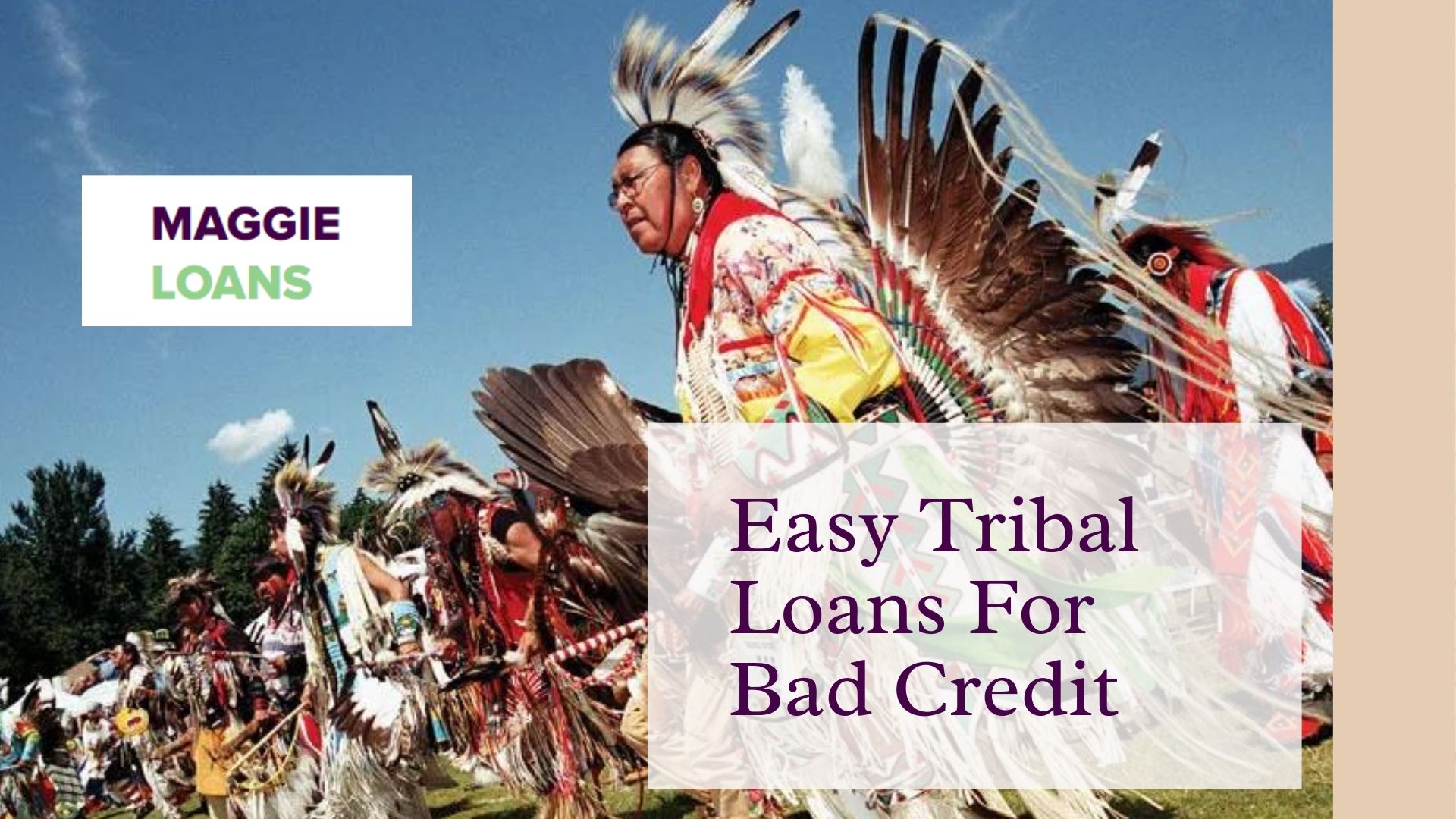
Navigating the Rapids: A Deep Dive into Tribal Loans in Colorado
In the ever-complex landscape of personal finance, the quest for quick cash can lead individuals down many paths. For residents of Colorado, a state known for its scenic beauty and growing economy, financial emergencies can strike just as swiftly as anywhere else. When traditional lending avenues are blocked due to poor credit, lack of collateral, or insufficient income, options that might otherwise be overlooked suddenly gain prominence. Among these are tribal loans – a distinct category of lending that operates under a unique legal framework, often presenting a tempting, yet potentially perilous, solution.
This comprehensive review will delve into the intricacies of tribal loans as they pertain to borrowers in Colorado. We will explore what these loans are, how they function, their potential advantages and significant drawbacks, and ultimately, provide a recommendation for their consideration.
What Are Tribal Loans? Understanding the Unique Framework
Tribal loans are short-term, high-interest loans offered by financial entities owned and operated by Native American tribal governments. The defining characteristic of these loans stems from the concept of tribal sovereignty. Native American tribes are recognized as sovereign nations within the United States, meaning they possess the inherent authority to govern themselves and operate under their own laws, largely independent of state regulations.
This sovereignty is the cornerstone of tribal lending. When a tribal entity offers a loan, it asserts that the transaction is governed by tribal law, not the state laws of the borrower’s residence. For a state like Colorado, which has specific regulations concerning payday loans and consumer lending, this distinction is crucial. Tribal lenders argue that they are not subject to Colorado’s interest rate caps, licensing requirements, or consumer protection statutes that apply to state-licensed lenders.
Typically, tribal loans are structured similarly to payday loans or installment loans. They are unsecured, meaning no collateral is required, and are often marketed as a solution for individuals with poor credit scores who cannot qualify for conventional bank loans or credit union offerings. The application process is usually entirely online, promising fast approval and direct deposit of funds, often within one business day.
The Colorado Context: Why Tribal Loans Stand Apart
Colorado has a robust regulatory framework designed to protect consumers from predatory lending practices. The state’s Uniform Consumer Credit Code (UCCC) sets limits on interest rates and fees for various types of loans. For instance, traditional payday loans in Colorado are subject to strict rules, including limitations on loan amounts, repayment terms, and the total cost of the loan. The state has actively worked to curb high-cost, short-term lending that can trap borrowers in cycles of debt.
However, tribal lenders operate outside this state-specific regulatory umbrella. A Colorado resident seeking a tribal loan will find that the terms and conditions offered by a tribal lender often disregard the interest rate caps and consumer protections that would typically apply to a loan from a state-licensed lender operating within Colorado. This means that while a resident might be protected from exorbitant rates by a Colorado-licensed lender, the same protections do not automatically extend to a loan originating from a tribal entity. This regulatory arbitrage is precisely what makes tribal loans both accessible and exceptionally risky.
The Allure: Advantages of Tribal Loans for Colorado Borrowers
Despite their controversial nature, tribal loans do offer a few potential advantages, primarily for a very specific demographic of borrowers:
- Accessibility for Poor Credit: This is arguably the most significant benefit. For individuals in Colorado with low credit scores, a history of bankruptcy, or no credit history at all, traditional lenders are often out of reach. Tribal lenders typically have less stringent credit requirements, focusing more on a borrower’s ability to repay based on their income rather than their credit score.
- Quick Funding: In urgent financial situations, time is of the essence. Tribal lenders often boast rapid application processes, with approval decisions made quickly and funds deposited into the borrower’s account within 24-48 hours. This can be a lifesaver for those facing immediate emergencies like unexpected medical bills or car repairs.
- Online Convenience: The entire loan process, from application to funding, can be completed online from the comfort of one’s home. This eliminates the need to visit physical branches or deal with extensive paperwork, offering a streamlined experience for busy individuals.
- No Collateral Required: Tribal loans are unsecured, meaning borrowers do not need to put up assets like a car or home as collateral. This reduces the immediate risk of losing personal property if the borrower defaults, though other severe financial consequences still apply.
- Direct Loan from a Sovereign Entity: For some, the idea of borrowing directly from a sovereign tribal nation might carry a certain appeal or philosophical alignment. However, it’s crucial to separate this aspect from the practical financial implications.
The Perilous Path: Disadvantages of Tribal Loans
The advantages of tribal loans are often overshadowed by a litany of significant drawbacks, making them a high-risk proposition for most borrowers. For Colorado residents, these disadvantages are particularly stark given the state’s efforts to protect consumers:
- Exorbitant Interest Rates (APRs): This is the most glaring disadvantage. Annual Percentage Rates (APRs) on tribal loans routinely range from 400% to well over 1000%. To put this in perspective, a $500 loan could end up costing several thousand dollars to repay over a few months, far exceeding what a state-regulated lender in Colorado would be permitted to charge. This can quickly lead to a crippling debt spiral.
- Lack of State Consumer Protections: As tribal lenders assert sovereignty, borrowers lose the protections afforded by Colorado’s state laws. This means no state-mandated interest rate caps, no restrictions on loan rollovers, and limited recourse through state regulatory bodies if disputes arise.
- Debt Trap Potential: The combination of high interest rates and short repayment terms often makes it difficult for borrowers to repay the principal and interest on time. This can lead to loan rollovers or extensions, where the borrower pays only the interest, and the principal remains, accruing even more interest and fees. Each rollover adds to the cost, trapping the borrower in a cycle of ever-increasing debt.
- Limited Legal Recourse: If a dispute arises with a tribal lender, the borrower’s legal options are severely restricted. State courts may decline jurisdiction, and pursuing action in a tribal court can be complex, costly, and unfamiliar for non-tribal members. This leaves borrowers with little leverage if they believe they have been treated unfairly.
- Aggressive Collection Practices (Potentially): While tribal lenders cannot typically garnish wages without a court order, they can employ aggressive collection tactics, including relentless phone calls, emails, and threats of legal action (though enforcing judgments in state courts can be challenging for them).
- Transparency Issues: While reputable lenders will disclose all terms, some tribal lenders may not be fully transparent about the total cost of the loan, including all fees and charges, until the borrower is deep into the process.
- Impact on Credit Score (Limited or Negative): While some tribal lenders may not report to major credit bureaus, defaulting on a tribal loan can still lead to negative consequences. The lender might sell the debt to a third-party collection agency, which can report to credit bureaus, severely damaging the borrower’s credit score.
Who Are Tribal Loans For? (And More Importantly, Who Are They NOT For?)
Tribal loans are, at best, a last resort for individuals facing an absolute financial emergency with no other viable options. They are theoretically for those who:
- Have very poor or no credit history.
- Need immediate access to funds for an unavoidable emergency.
- Have a clear plan and the financial certainty to repay the loan in full and on time, without rollovers.
However, in reality, tribal loans are NOT for:
- Anyone who can qualify for a traditional loan (personal loan, credit union loan, credit card).
- Individuals seeking funds for non-essential expenses or discretionary spending.
- Those who are unsure about their ability to repay the loan on its original terms.
- Anyone looking for a long-term financial solution or debt consolidation.
- Borrowers who value strong consumer protections and clear legal recourse.
Exploring Alternatives: Better Options for Colorado Residents
Before even considering a tribal loan, Colorado residents should exhaust all other possible avenues. There are often safer, more affordable alternatives:
- Credit Unions: Many credit unions offer small-dollar loans, including Payday Alternative Loans (PALs), with much lower interest rates and more flexible repayment terms than tribal loans. They are often more willing to work with members who have less-than-perfect credit.
- Traditional Banks: While stricter on credit, some banks offer personal loans that are significantly cheaper than tribal loans.
- Community Assistance Programs: Colorado has numerous non-profit organizations, charities, and government programs that offer financial aid, utility assistance, food banks, and housing support. These can often address the root cause of the financial emergency without incurring debt.
- Borrowing from Friends or Family: While potentially awkward, borrowing from loved ones often comes with flexible terms and no interest, making it a far superior option to high-interest loans.
- Negotiate with Creditors: If the financial crunch is due to an inability to pay existing bills (utilities, medical, rent), contact the creditors directly. Many are willing to work out payment plans or deferrals.
- Credit Counseling: Non-profit credit counseling agencies can help individuals assess their financial situation, create budgets, and explore debt management plans, often for free or at a low cost.
- Secured Loans: If you have an asset (like a car title), a secured loan might be an option. While still risky, the interest rates are typically lower than unsecured high-interest loans.
- Advance from Employer: Some employers offer payroll advances, which can be a low-cost way to bridge a temporary financial gap.
Recommendation: Proceed with Extreme Caution (If At All)
Given the exceptionally high interest rates, the lack of state consumer protections, and the significant risk of falling into a debilitating debt cycle, my recommendation for Colorado residents regarding tribal loans is to avoid them at almost all costs.
They are a financial product designed for a very specific, desperate niche, and their structure often exploits that desperation. While they offer a quick fix, the long-term consequences can be far more damaging than the initial problem they aim to solve.
If, and only if, you have exhausted every single other alternative listed above, and are facing an immediate, unavoidable, and truly catastrophic financial emergency, and are absolutely certain you can repay the loan in full on its very first due date without any rollovers or extensions, then you might consider a tribal loan.
However, even in such dire circumstances, it is imperative to:
- Read Every Single Word: Scrutinize the loan agreement for all fees, interest rates, repayment schedules, and default clauses. Understand the total cost of the loan.
- Understand the Legal Framework: Be aware that you will be operating under tribal law, with limited recourse in Colorado state courts.
- Borrow Only What You Absolutely Need: Do not borrow more than the bare minimum required to address the emergency.
- Have a Clear Repayment Plan: Ensure you have a guaranteed source of funds to repay the loan in its entirety on the first due date.
For the vast majority of Colorado consumers, tribal loans represent a dangerous financial trap. The seemingly quick solution often masks a far greater problem down the line. Prioritize exploring every other alternative available within Colorado’s consumer-friendly financial landscape before even contemplating a tribal loan. Your financial well-being is too important to risk on such a high-stakes gamble.


