Tribal Loans for Unexpected Vet Bills: A Comprehensive Review
The unconditional love we receive from our pets is immeasurable, and for many, they are cherished members of the family. However, this deep bond comes with a significant responsibility: ensuring their health and well-being. Few things strike fear into a pet owner’s heart like an unexpected vet bill. From sudden illnesses and accidents to urgent surgeries, the costs can skyrocket, often reaching thousands of dollars. When faced with a critically ill or injured pet, the emotional toll is immense, compounded by the financial strain, especially if savings are low or credit is poor.
In such desperate times, a variety of financial solutions are often explored, ranging from pet insurance and personal loans to credit cards and crowdfunding. Among these, a less conventional and often controversial option that sometimes surfaces is the tribal loan. Marketed as a quick source of funds for those with less-than-perfect credit, tribal loans, particularly for emergencies like vet bills, warrant a deep dive into their nature, advantages, disadvantages, and whether they are a viable, or indeed advisable, solution for your furry friend’s urgent medical needs.
This comprehensive review will explore tribal loans in the context of unexpected vet bills, providing an in-depth analysis of their structure, the pros and cons, and ultimately, a balanced recommendation for pet owners facing a financial crisis.
What Exactly Are Tribal Loans?
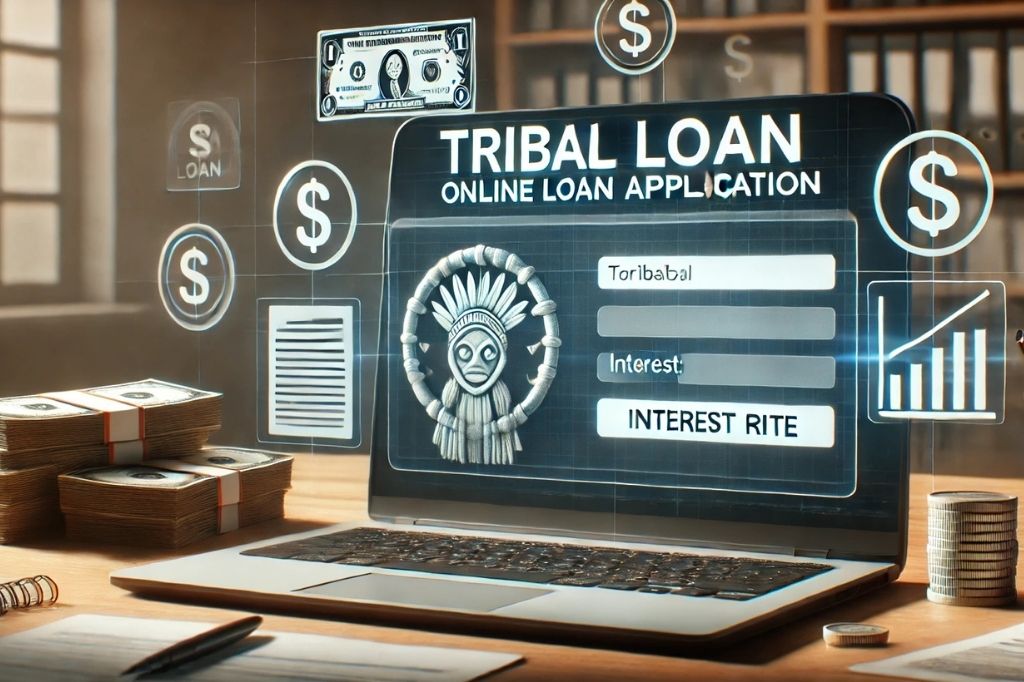
To understand tribal loans, one must first grasp the concept of tribal sovereignty. Federally recognized Native American tribes are sovereign nations, operating under their own laws and not always subject to state laws. Tribal lending entities are financial institutions owned and operated by these sovereign Native American tribes. Because they operate under tribal law rather than state law, they can offer loans that might exceed the interest rate caps or other regulations imposed by individual states.
These loans are typically short-term, high-interest installment loans designed for consumers with poor credit scores who may not qualify for traditional bank loans, credit cards, or lines of credit. They are often advertised as a quick, no-hassle way to get cash when you need it most, with decisions often made within minutes and funds deposited directly into your bank account within one business day.
The Urgency of Unexpected Vet Bills
The scenario of an unexpected vet bill is unique. It’s not a discretionary expense; it’s often a matter of life or death or the quality of life for a beloved companion. Vet costs can vary wildly:
- Routine emergency visit: $100-$500
- Serious illness/injury (e.g., broken bone, poisoning): $800-$3,000+
- Emergency surgery (e.g., foreign object removal, ruptured disc): $2,000-$8,000+
- Chronic conditions requiring ongoing treatment: Potentially thousands annually

When these bills arrive, the emotional urgency often overrides careful financial planning. Pet owners are willing to do almost anything to save their pets, making them vulnerable to financial products that promise quick relief, even if the long-term costs are significant. This is where tribal loans sometimes enter the picture as a perceived "last resort."
Pros of Tribal Loans for Unexpected Vet Bills
When faced with a dire situation and limited options, tribal loans can appear to offer several advantages:
- Speed and Accessibility: This is arguably the most significant draw. The application process is typically entirely online, streamlined, and quick. Lenders often promise approval decisions in minutes and direct deposit of funds within 24-48 hours. For an emergency vet bill, where time is of the essence, this speed can be a critical factor.
- Lenient Credit Requirements: Tribal lenders often cater specifically to individuals with bad credit or no credit history. Unlike traditional banks that rely heavily on FICO scores, tribal lenders may use alternative underwriting methods, focusing more on income and ability to repay. This accessibility is a lifeline for many who have been turned down elsewhere.
- No Collateral Required: Tribal loans are typically unsecured, meaning you don’t need to put up your car, home, or other assets as collateral. This reduces the immediate risk of losing property if you default, although the financial consequences of default are still severe.
- Direct Lender Relationship: Many tribal lenders operate directly, meaning you’re dealing with the source of the funds rather than a broker. This can simplify communication and potentially speed up the process.
- Online Convenience: The entire process, from application to funding, can be completed from the comfort of your home, which is invaluable when you’re stressed and busy managing a pet’s medical emergency.
- A "Last Resort" Option: For some individuals who have exhausted all other avenues – including savings, family, friends, credit cards, and traditional loans – tribal loans might be the only immediate source of funds available to save a pet’s life.
Cons of Tribal Loans for Unexpected Vet Bills
Despite the perceived advantages in a crisis, the downsides of tribal loans are substantial and can lead to significant financial distress. These disadvantages often outweigh the benefits for many borrowers.
- Exorbitant Interest Rates (APRs): This is the most critical and widely criticized aspect of tribal loans. Because they are not subject to state usury laws, tribal lenders can charge extremely high Annual Percentage Rates (APRs) that can range from 200% to over 1000% or even higher. For comparison, a typical credit card APR is 15-30%. This means a small loan can quickly balloon into an unmanageable debt.
- Short Repayment Terms: Tribal loans are typically designed for short-term repayment, often within a few weeks to a few months. While this sounds manageable, the high interest means a significant portion of each payment goes towards interest, making it difficult to pay down the principal balance quickly.
- Risk of a Debt Trap: The combination of high APRs and short repayment terms can easily lead borrowers into a cycle of debt. If you struggle to make a payment, you might be offered an extension or the option to roll over the loan, incurring additional fees and interest, making the original debt even larger and harder to escape.
- Lack of State-Level Consumer Protection: Because tribal lenders operate under tribal sovereignty, they are often exempt from state regulations designed to protect consumers from predatory lending practices. While some tribal lenders adhere to federal lending laws and belong to organizations like the Online Lenders Alliance (OLA), the regulatory landscape is less robust than for state-licensed lenders.
- Less Transparency: While many tribal lenders are upfront about their terms, some may not be as transparent as traditional lenders, making it difficult for borrowers to fully understand the true cost of the loan before committing. Always read the fine print meticulously.
- Aggressive Collection Practices (Potential): While not all tribal lenders engage in aggressive practices, the lack of traditional oversight can sometimes lead to more assertive collection methods if a borrower defaults.
- Impact on Financial Health: While tribal loans don’t always appear on traditional credit reports, defaulting on them can lead to significant financial repercussions, including bank account levies or legal action in tribal courts, which can still affect your overall financial standing.
How They Work (A Practical Overview)
If you consider a tribal loan, understanding the typical process is crucial:
- Online Application: You’ll fill out an online form requiring personal information (name, address, social security number), employment details, and banking information.
- Eligibility Check: The lender will quickly assess your application, often using alternative data points beyond just your credit score. They’ll look at your income, employment stability, and debt-to-income ratio.
- Loan Offer: If approved, you’ll receive a loan offer detailing the principal amount, interest rate (APR), fees, repayment schedule, and total cost of the loan. This is the most critical stage to review every detail.
- Acceptance and Funding: If you accept the terms, you’ll electronically sign the agreement, and the funds will typically be deposited directly into your bank account within one to two business days.
- Repayment: Repayments are usually made via automatic deductions from your bank account on your payday, according to the agreed-upon schedule.
Alternatives to Consider FIRST for Vet Bills
Before even considering a tribal loan, it is imperative to explore all other possible avenues. These alternatives are generally safer and more financially sound:
- Pet Insurance: The best preventative measure. If you have it, use it! If not, consider it for future emergencies.
- Emergency Savings: A dedicated emergency fund is ideal for unexpected costs.
- Credit Cards: If you have an existing credit card with available credit, even a high-interest one, its APR will almost certainly be significantly lower than a tribal loan. Some cards offer 0% introductory APR periods.
- CareCredit or Other Veterinary Payment Plans: Many veterinary offices offer or work with third-party medical credit cards like CareCredit, which often provide interest-free financing for a set period if the balance is paid in full. They also often allow for payment plans directly with the vet.
- Personal Loans from Traditional Lenders: Banks, credit unions, and reputable online lenders offer personal loans with much lower APRs, even for those with fair credit. While approval might take a bit longer than a tribal loan, the savings can be substantial.
- Borrow from Family or Friends: While sometimes uncomfortable, this can be an interest-free solution in a crisis.
- Crowdfunding: Platforms like GoFundMe or other pet-specific crowdfunding sites can help rally support from your community and beyond.
- Veterinary Assistance Programs & Charities: Many organizations offer financial aid for pet owners in need. Examples include The Pet Fund, RedRover, Paws 4 A Cure, and breed-specific rescue groups. Check with your vet as they often have a list of local resources.
- Negotiate with Your Vet: Many veterinarians are understanding and willing to work out a payment plan directly with you or offer a discount for upfront payment. Don’t be afraid to ask.
- Sell Unused Items: If you have valuable items you no longer need, selling them quickly can generate immediate cash.
Recommendation: Are Tribal Loans for Unexpected Vet Bills a Good Idea?
Our recommendation is to approach tribal loans with extreme caution and consider them only as an absolute, last-ditch resort when ALL other options have been exhausted and your pet’s life is at stake.
While the speed and accessibility of tribal loans can be a lifeline in a desperate situation, their exorbitant interest rates pose a significant risk of trapping borrowers in a cycle of debt that can be far more damaging than the initial emergency. The emotional pressure of a sick pet can cloud judgment, leading to decisions that have severe long-term financial consequences.
Before you even consider a tribal loan:
- Exhaust ALL Alternatives: Seriously review every single option listed above. Call your vet, your bank, your credit card company, family, friends, and charities.
- Understand the Full Cost: If you reach the point of considering a tribal loan, meticulously read the loan agreement. Understand the APR, the total amount you will repay (principal + interest + fees), and the exact repayment schedule. Do not sign anything you don’t fully comprehend.
- Assess Your Repayment Capacity: Be brutally honest with yourself. Can you realistically afford to repay the loan, with its high interest, on time and in full according to the schedule? If not, you risk falling into a debt trap.
- Consider the Long-Term Impact: Saving your pet is paramount, but so is your financial stability. Weigh the immediate relief against the potential for long-term financial hardship.
In summary: Tribal loans are a high-risk, high-cost financial product. While they can provide quick cash when no other options exist for a critical vet emergency, their predatory interest rates make them an incredibly expensive solution. For the vast majority of pet owners, safer, more affordable alternatives exist. Prioritize those alternatives, and if you must turn to a tribal loan, do so with your eyes wide open, fully understanding the significant financial commitment you are making. The love for your pet is strong, but responsible financial decision-making, even in a crisis, is crucial for both your well-being and, indirectly, your pet’s future care.


