Tribal Loans for Unexpected Bills: A Deep Dive into a High-Stakes Solution
Unexpected bills are a fact of life. A sudden car repair, an unforeseen medical emergency, a leaky roof, or a temporary job loss can quickly drain savings and leave even financially stable individuals scrambling for solutions. For those with less-than-perfect credit, the options can feel incredibly limited, pushing them towards high-interest, short-term lending solutions like tribal loans.
Often marketed as a quick fix for urgent financial needs, tribal loans operate in a unique and controversial space within the lending landscape. Issued by lenders owned and operated by Native American tribes, these loans claim sovereign immunity, asserting they are not subject to state lending laws, particularly those that cap interest rates. This allows them to offer loans with annual percentage rates (APRs) that can soar into the hundreds or even thousands of percent, far exceeding what traditional lenders or even most state-regulated payday lenders can charge.
This article will meticulously review tribal loans as a product designed for unexpected bills, examining their operational framework, dissecting their advantages and disadvantages, and ultimately providing a comprehensive recommendation for consumers facing a financial crunch.
What Are Tribal Loans? Understanding the Framework
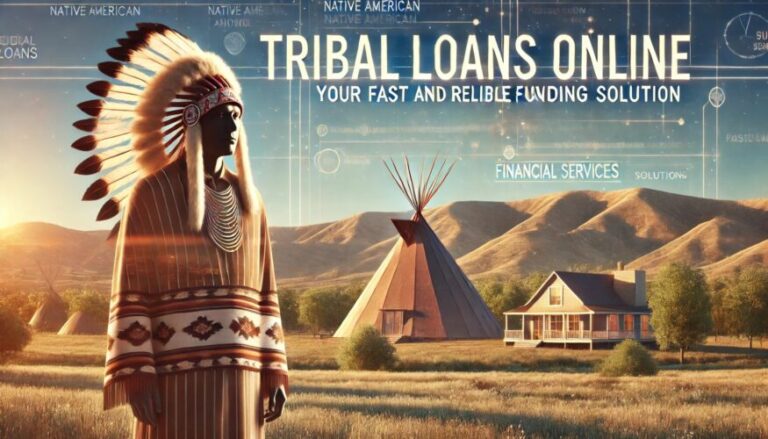
At their core, tribal loans are a form of short-term, high-cost installment loan, typically offered online. What distinguishes them from other types of loans is their legal structure. They are issued by financial institutions that are either wholly owned and operated by a federally recognized Native American tribe or are partnerships between tribal entities and third-party lenders.
The key legal premise behind tribal lending is the concept of tribal sovereignty. Federally recognized Native American tribes are considered sovereign nations within the United States. This sovereignty grants them certain rights and immunities, including the ability to operate businesses on their lands without being fully subject to state laws. Tribal lenders argue that because they are arms of a sovereign nation, state usury laws (which limit interest rates) do not apply to them. Instead, they contend they are regulated by tribal law and, in some cases, federal law, though the latter’s oversight is often debated and less stringent than state-level consumer protection regulations.
This legal gray area allows tribal lenders to offer loans with significantly higher interest rates and fees than traditional lenders. They often target consumers with poor credit scores or no credit history, who may be unable to secure loans from conventional banks, credit unions, or even many online lenders. The application process is typically fast and entirely online, with funds often deposited directly into the borrower’s bank account within one business day, appealing to those in immediate need.
The Appeal: Why Borrowers Turn to Tribal Loans
For individuals facing an unexpected bill with limited financial resources and a damaged credit profile, the allure of tribal loans can be powerful. Here’s why borrowers might consider them:
- Accessibility for Bad Credit: This is arguably the most significant draw. Traditional lenders are often unwilling to lend to individuals with low credit scores or a history of financial difficulties. Tribal lenders, by contrast, often market themselves as "no credit check" or "bad credit friendly," making them accessible to a broad demographic shut out of mainstream finance.
- Fast Funding: When an unexpected bill demands immediate attention – a car that won’t start, an urgent medical procedure, or a utility shut-off notice – time is of the essence. Tribal loan applications are streamlined, and approval decisions are often made within minutes, with funds disbursed very quickly.
- Online Convenience: The entire process, from application to funding, can be completed online from the comfort of one’s home, eliminating the need for in-person visits or extensive paperwork.
- No Collateral Required: Unlike secured loans (like title loans or pawn shop loans), tribal loans are typically unsecured, meaning borrowers don’t need to put up assets like their car or home as collateral.

These factors combine to create a seemingly attractive solution for individuals in desperate financial straits. However, the benefits are often overshadowed by significant drawbacks.
Dissecting the Pros and Cons of Tribal Loans
To provide a balanced review, it’s crucial to examine both the potential advantages and the serious disadvantages associated with tribal loans.
Advantages (Pros):
- Access to Funds for Underbanked/Under-credited Individuals: For those with very poor credit or no access to traditional credit, tribal loans can be one of the few avenues to obtain emergency funds. This can prevent more severe consequences like eviction, utility disconnection, or the inability to address urgent medical needs.
- Quick and Convenient Application Process: The online nature and rapid approval process are undeniable benefits for individuals facing time-sensitive financial emergencies. Funds can often be available within 24 hours.
- No Collateral Needed: Borrowers do not risk losing personal assets, such as their vehicle or home, which is a significant advantage over secured loan options.
- Potentially More Flexible Repayment Terms than Payday Loans: While still high-cost, tribal loans are often structured as installment loans, meaning they are repaid over several weeks or months, rather than a single lump sum on the next payday. This can theoretically make repayment slightly more manageable than a traditional payday loan, though the extended term often means more interest accrues.
Disadvantages (Cons):
- Exorbitant Annual Percentage Rates (APRs): This is by far the most significant drawback. Tribal loans commonly carry APRs ranging from 400% to over 1000%, and sometimes even higher. To put this in perspective, a $500 loan with a 700% APR could result in hundreds, if not thousands, of dollars in interest alone over the loan’s term, quickly dwarfing the original principal.
- High Risk of a Debt Trap: The combination of high interest rates and often difficult-to-understand repayment schedules can easily lead borrowers into a cycle of debt. Many borrowers find they can only afford to pay the interest, leading to repeated rollovers or taking out new loans to pay off old ones, digging themselves deeper into financial distress.
- Limited Regulatory Oversight and Consumer Protection: Because tribal lenders claim sovereign immunity from state laws, borrowers have fewer legal protections than with state-regulated lenders. This can make it difficult to dispute unfair terms, predatory practices, or to seek recourse if problems arise. The Consumer Financial Protection Bureau (CFPB) has attempted to regulate these lenders, but their reach is often challenged.
- Lack of Transparency: Loan terms, fees, and interest rates may not always be clearly communicated or easily understood. Borrowers might not fully grasp the true cost of the loan until they are already deep into repayment.
- Aggressive Collection Practices: While legitimate tribal lenders typically adhere to federal collection laws, the lack of state oversight can sometimes lead to more aggressive or less ethical collection tactics for some less reputable lenders.
- Impact on Credit Score (If Defaulted): While tribal loans may not require a traditional credit check for approval, defaulting on a tribal loan can still negatively impact a borrower’s credit score if the lender reports the default to credit bureaus or sells the debt to a collection agency.
- Jurisdictional Complexity: If a dispute arises, navigating the legal framework can be incredibly complex. Borrowers may find themselves needing to pursue action in tribal courts, which can be unfamiliar and costly.
Are Tribal Loans a "Good" Solution for Unexpected Bills?
Given the stark contrast between their apparent benefits and their very real dangers, tribal loans are almost never a "good" solution for unexpected bills. While they offer quick access to funds for those with limited options, the astronomical cost almost always outweighs the immediate relief. They address a symptom (lack of immediate cash) but often exacerbate the underlying problem (financial instability).
The high APRs mean that a relatively small unexpected bill can balloon into an unmanageable debt. For instance, a $700 car repair could easily cost $2,000 or more to repay through a tribal loan, creating a new, larger financial crisis rather than resolving the original one.
Alternatives to Tribal Loans
Before considering a tribal loan, it is imperative to exhaust all other possible avenues. Many alternatives, while not always easy to access for those with poor credit, are significantly less costly and less risky:
- Payday Alternative Loans (PALs) from Credit Unions: Federally chartered credit unions offer PALs with much lower interest rates (capped at 28% APR) and more reasonable repayment terms than payday or tribal loans. Eligibility usually requires credit union membership for a certain period.
- Personal Loans from Traditional or Online Lenders (for those with improving credit): If your credit score isn’t severely damaged, you might qualify for a personal loan from a bank, credit union, or reputable online lender at a much lower APR than a tribal loan.
- Community Assistance Programs: Many non-profit organizations, charities, and government programs offer assistance for specific unexpected bills (e.g., utility assistance, medical bill relief, food banks, housing aid).
- Negotiate with Creditors: If the unexpected bill is from a service provider (e.g., hospital, utility company), contact them directly. They may be willing to offer a payment plan, extend the deadline, or even reduce the amount owed.
- Borrow from Friends or Family: While potentially awkward, borrowing from loved ones often comes with no interest and more flexible repayment terms. Ensure clear communication and a written agreement to avoid straining relationships.
- Secured Loans: If you have an asset (like a car), a secured loan (like a title loan) might offer lower interest rates than tribal loans, but still comes with the risk of losing your collateral if you default.
- Cash Advance from a Credit Card (with caution): If you have a credit card with available credit, a cash advance might have a lower APR than a tribal loan, though cash advance APRs are typically higher than purchase APRs and interest accrues immediately. Use this with extreme caution.
- Side Hustle or Gig Work: Consider temporary work or selling unused items to generate quick cash.
- Employer Advance: Some employers offer payroll advances or small emergency loans to employees.
Recommendation: When (and if) to Consider Tribal Loans
Our unequivocal recommendation is to AVOID TRIBAL LOANS WHENEVER AND WHEREVER POSSIBLE. They represent a high-risk, high-cost solution that often leads to greater financial distress rather than genuine relief. The potential for a debt trap is immense, and the lack of robust consumer protections leaves borrowers vulnerable.
However, if you have exhausted every single other alternative and are facing an absolute, immediate financial catastrophe (e.g., imminent eviction, life-threatening medical need, utility shut-off that compromises safety), and you have a clear, ironclad plan for repayment within a very short timeframe, then and only then might a tribal loan be considered as an absolute last resort.
Even in such dire circumstances, proceed with extreme caution:
- Read the Entire Loan Agreement Meticulously: Understand every fee, interest rate, and repayment term. Do not sign anything you don’t fully comprehend.
- Calculate the True Cost: Use an online loan calculator to determine the total repayment amount, including all interest and fees, before committing.
- Only Borrow What You Absolutely Need: Resist the temptation to borrow more than the bare minimum required to address the immediate emergency.
- Have a Concrete Repayment Plan: Do not rely on "hope" or vague future income. Know exactly how and when you will repay the loan in full, ideally before the next payment is due.
- Be Wary of Rollovers: Avoid extending the loan term or taking out new loans to pay off the old one. This is the fastest route to a debt spiral.
- Research the Lender: While oversight is limited, try to find reviews or information about the specific tribal lender to assess their reputation.
Ultimately, tribal loans exploit a crucial gap in the financial system: the desperate need for quick cash by those with poor credit. While they offer a lifeline, that lifeline often comes with a financial noose attached. The best approach to unexpected bills is proactive financial planning, building an emergency fund, and working to improve credit health. When an emergency strikes, always prioritize lower-cost alternatives and approach any high-interest loan with the utmost skepticism and caution. Your financial well-being depends on it.


