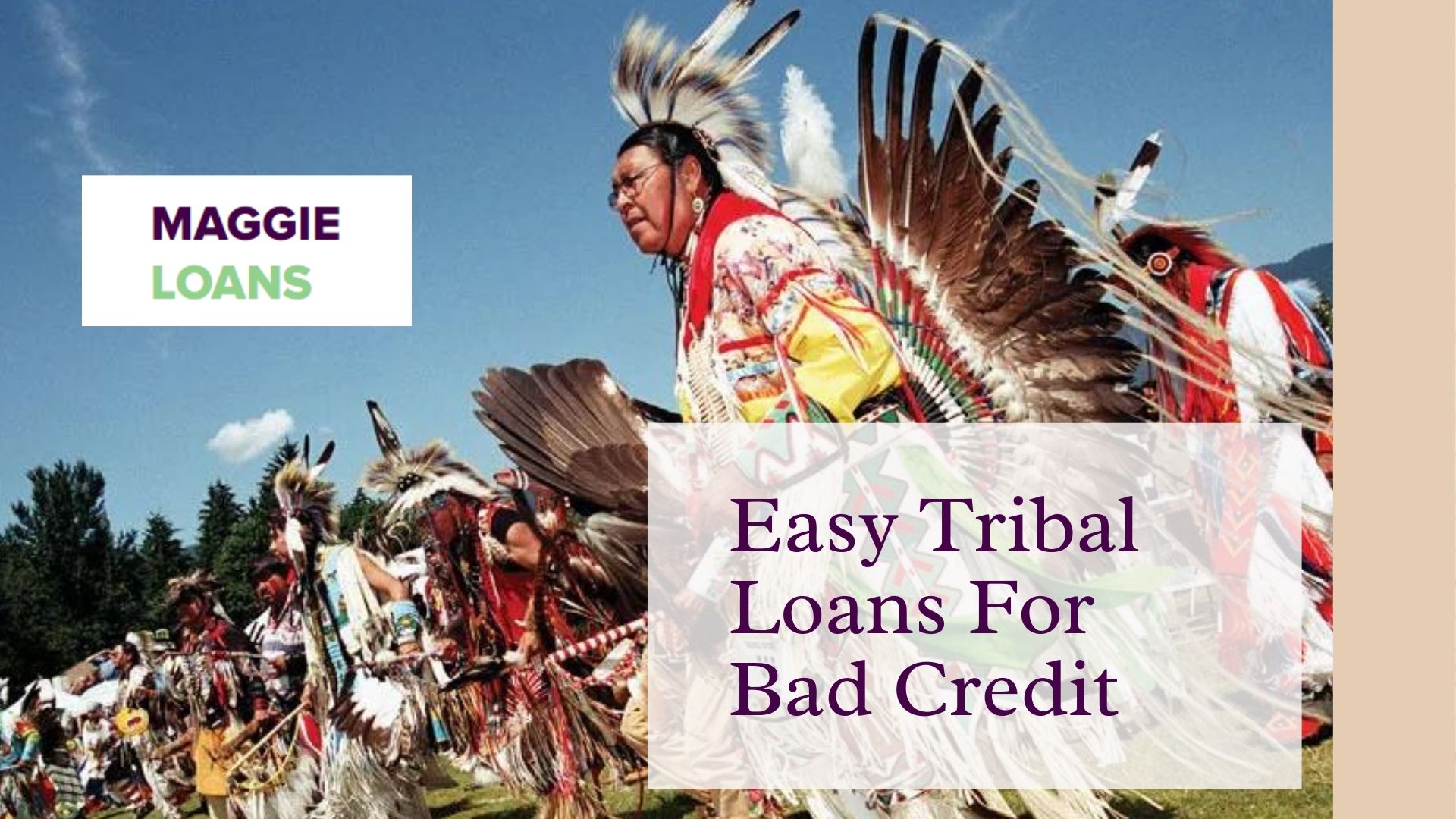
This guide provides a professional and comprehensive overview of tribal loans for individuals seeking quick financial solutions. While tribal loans can offer fast access to funds, it is crucial to understand their unique nature, associated risks, and potential long-term implications. This tutorial aims to equip you with the knowledge to make an informed decision.
Tribal Loans For People Seeking Fast Money: A Professional Guide
1. Introduction: Understanding Tribal Loans in the Fast Money Landscape
In urgent financial situations, people often seek "fast money" options. Tribal loans have emerged as one such option, often marketed to individuals with poor credit or those needing immediate funds when traditional lenders are not an option.

A tribal loan is a type of installment loan offered by financial institutions owned by or affiliated with a Native American tribe. These lenders operate under tribal sovereignty, meaning they are governed by tribal laws rather than state laws. This distinction is critical because tribal lenders are often exempt from state-specific regulations, including caps on interest rates and fees that apply to other lenders. While this can allow for quicker loan processing and broader accessibility, it also comes with significant risks.
This guide will walk you through the mechanics, advantages, disadvantages, application process, and crucial considerations before engaging with a tribal lender.
2. How Tribal Loans Work
Tribal loans function similarly to other online installment loans but with key differences rooted in their legal structure.
- Online Application: The entire process is typically conducted online, from application to funding.
- Minimal Credit Checks: Tribal lenders often employ alternative credit assessment methods, making them accessible to individuals with low credit scores or no credit history. They may focus more on income stability and banking history.
- Direct Deposit: Approved funds are usually deposited directly into the borrower’s bank account, often within one business day.
- Installment Repayment: Unlike traditional payday loans which are often repaid in a lump sum on the next payday, tribal loans are typically repaid in a series of fixed installments over a set period (e.g., several weeks or months).
- Automatic Payments: Repayments are usually auto-debited from the borrower’s bank account on scheduled dates.

3. Potential Advantages: Why People Seek Fast Money from Tribal Lenders
For individuals in a bind, tribal loans can appear to offer several benefits:
- Accessibility for Bad Credit: This is the primary appeal. Traditional banks and credit unions often deny applicants with poor credit, leaving tribal loans as one of the few avenues for quick cash.
- Fast Funding: The online application and quick approval process mean funds can be available within 24-48 hours, addressing immediate financial emergencies.
- Convenience: The fully online process allows borrowers to apply from anywhere, anytime, without visiting a physical branch.
- Larger Loan Amounts: Compared to traditional payday loans, tribal loans may offer slightly larger loan amounts and longer repayment terms, which can seem more manageable initially.
- No Collateral Required: These are unsecured loans, meaning you don’t need to put up assets like your car or home as collateral.
4. Significant Risks and Disadvantages: The Hidden Costs of Fast Money
Despite the perceived advantages, tribal loans carry substantial risks that borrowers must be fully aware of. These often outweigh the benefits for many.
- Exorbitant Annual Percentage Rates (APRs): This is the most critical disadvantage. Due to tribal sovereignty, these lenders are often not bound by state usury laws, leading to APRs that can range from 300% to over 1000%. This means the actual cost of borrowing can be incredibly high, making even small loans very expensive.
- The Debt Trap Cycle: High APRs and fees can make it difficult to repay the loan on time. Borrowers may find themselves needing to take out new loans to cover previous ones, leading to a vicious cycle of debt that is hard to escape.
- Limited Regulatory Oversight: The lack of state regulation means fewer consumer protections. If a dispute arises or you feel you’ve been treated unfairly, your recourse options may be limited compared to state-licensed lenders.
- Automatic Rollovers and Additional Fees: Some lenders may allow or encourage loan rollovers (extending the loan term), which significantly increases the total interest paid and can add more fees.
- Jurisdictional Issues: Should a legal dispute arise, it might need to be resolved in tribal court, which can be unfamiliar and challenging for non-tribal members.
- Aggressive Collection Practices: While federal laws like the Fair Debt Collection Practices Act (FDCPA) generally apply, the lack of state oversight can sometimes lead to more aggressive collection tactics.
- Impact on Credit (Potentially Negative): While some tribal lenders do not report to major credit bureaus, defaulting on a tribal loan can still result in collection efforts that negatively impact your credit score.
5. Eligibility Criteria for Tribal Loans
While specific requirements vary by lender, common eligibility criteria include:
- Age: Be at least 18 years old.
- Residency: Be a U.S. citizen or permanent resident.
- Income: Have a stable and verifiable source of income (employment, benefits, etc.).
- Bank Account: Possess an active checking account for direct deposit and auto-debit repayments.
- Contact Information: Provide valid phone number and email address.
6. The Application Process: A Step-by-Step Guide
If, after careful consideration, you decide to explore a tribal loan, follow these steps:
Step 1: Thorough Research and Lender Vetting
- Identify Reputable Lenders: Search for tribal lenders online. Look for those affiliated with the Native American Financial Services Association (NAFSA), though membership doesn’t guarantee ethical practices.
- Read Reviews: Scrutinize online reviews, but be wary of overly positive or negative reviews that seem fabricated. Look for patterns in complaints regarding transparency, fees, and customer service.
- Check Transparency: A legitimate lender should clearly display their APR, fees, and terms on their website. Avoid lenders who hide this information.
Step 2: Gather Necessary Documentation
- Personal Identification: Government-issued ID (driver’s license, passport).
- Proof of Income: Pay stubs, bank statements, or other income verification documents.
- Bank Account Information: Routing and account numbers for your checking account.
- Contact Information: Current phone number and email address.
Step 3: Complete the Online Application
- Navigate to the chosen lender’s website and fill out the application form. This typically involves providing personal details, income information, and banking details.
Step 4: Review the Loan Offer Carefully (Crucial Step!)
- If pre-approved, the lender will present a loan offer. DO NOT RUSH THIS STEP.
- Examine the APR: Understand the true cost of the loan. Use online calculators if needed to determine total repayment.
- Understand All Fees: Look for origination fees, late payment fees, and any other charges.
- Read the Repayment Schedule: Know exactly when and how much each payment will be.
- Review Terms and Conditions: Pay close attention to clauses regarding rollovers, defaults, and dispute resolution.
Step 5: Accept the Loan and Receive Funds
- If you understand and agree to all terms, electronically sign the loan agreement.
- Funds will typically be deposited into your bank account within one business day.
Step 6: Manage Repayments
- Ensure sufficient funds are in your account on scheduled payment dates to avoid overdraft fees from your bank and late fees from the lender.
7. What to Consider Before Applying: Exercising Due Diligence
Before committing to a tribal loan, ask yourself these critical questions:
- Is this a true emergency? Can the expense truly not wait?
- Have I exhausted all other, less expensive options? (See Section 8).
- Can I realistically afford the total repayment? Create a detailed budget to confirm. Do not underestimate the impact of high APRs.
- Do I fully understand the APR and all fees? If not, ask the lender for clarification. Get it in writing.
- Am I comfortable with the lender’s dispute resolution process? Understand that state consumer protection laws may not apply.
- What are the consequences of non-payment? Be aware of potential collection efforts and credit implications.
8. Responsible Alternatives to Tribal Loans
Given the high risks, it is strongly advised to explore all other financial avenues before considering a tribal loan.
- Emergency Savings: The best solution is to have an emergency fund.
- Personal Loans from Banks or Credit Unions: If your credit allows, these offer significantly lower APRs.
- Credit Cards: If you have an existing credit card with available credit, the APR, while high, is almost always lower than a tribal loan. Use it cautiously and pay it off quickly.
- Payday Alternative Loans (PALs) from Credit Unions: Some federal credit unions offer PALs with lower interest rates (capped at 28% APR) and more flexible repayment terms.
- Borrow from Friends or Family: While sometimes awkward, this can be a zero-interest solution.
- Community Assistance Programs: Many non-profits and local government agencies offer assistance for rent, utilities, food, or medical expenses.
- Negotiate with Creditors: If you’re struggling to pay bills, contact your creditors directly. They may offer payment plans or temporary forbearance.
- Debt Counseling: Non-profit credit counseling agencies can help you create a budget, negotiate with creditors, and explore debt management plans.
- Side Gigs or Selling Unused Items: Generate quick cash through gig economy apps or selling items you no longer need.
9. Managing a Tribal Loan (If You Proceed)
If you have already taken out a tribal loan, responsible management is key to minimizing its impact:
- Prioritize Repayment: Make timely payments to avoid late fees and additional interest.
- Strict Budgeting: Cut unnecessary expenses to free up funds for loan repayment.
- Avoid Rollovers: Resist the temptation to extend the loan. This will drastically increase your total cost.
- Communicate with the Lender: If you anticipate missing a payment, contact the lender immediately to discuss options.
- Monitor Your Bank Account: Ensure you have enough funds to cover automatic withdrawals to prevent overdraft fees.
10. Conclusion: Proceed with Extreme Caution
Tribal loans offer a fast, accessible source of funds for those with limited options. However, this convenience comes at a very high price, primarily due to exorbitant APRs and limited consumer protections. For many, these loans represent a short-term fix that can lead to long-term financial distress and a deepening debt trap.
As a professional guide, the strongest recommendation is to exhaust all other alternatives before considering a tribal loan. Understand the full cost, the risks involved, and your ability to repay before committing. Financial literacy and prudent decision-making are paramount when seeking "fast money" solutions.


