Navigating the Labyrinth: A Comprehensive Review of Tribal Loans for Individuals on Benefits
For individuals navigating the complexities of life on government benefits, financial emergencies can present an almost insurmountable challenge. Traditional lending avenues often remain closed due to credit history, income requirements, or the perceived instability of benefit-based income. In this landscape of limited options, a particular type of financial product often surfaces: tribal loans. Marketed as a quick, accessible solution for those with poor credit or non-traditional income sources, tribal loans operate under a unique legal framework that demands careful scrutiny.
This comprehensive review will delve into the world of tribal loans specifically for people on benefits, dissecting their structure, examining their supposed advantages, exposing their significant drawbacks, and ultimately providing a clear recommendation. Our aim is to equip readers with the knowledge necessary to make informed financial decisions, especially when faced with urgent needs and seemingly few alternatives.
Understanding Tribal Loans: A Unique Lending Landscape
Tribal loans are short-term, high-interest loans offered by financial institutions owned and operated by Native American tribes. The defining characteristic that sets them apart from conventional lenders is their legal status: because these lenders are tribally owned, they claim sovereign immunity, meaning they are not subject to state laws concerning lending practices, interest rate caps, or licensing requirements. This allows them to operate in a regulatory grey area, often offering loans with Annual Percentage Rates (APRs) that would be illegal in most states.
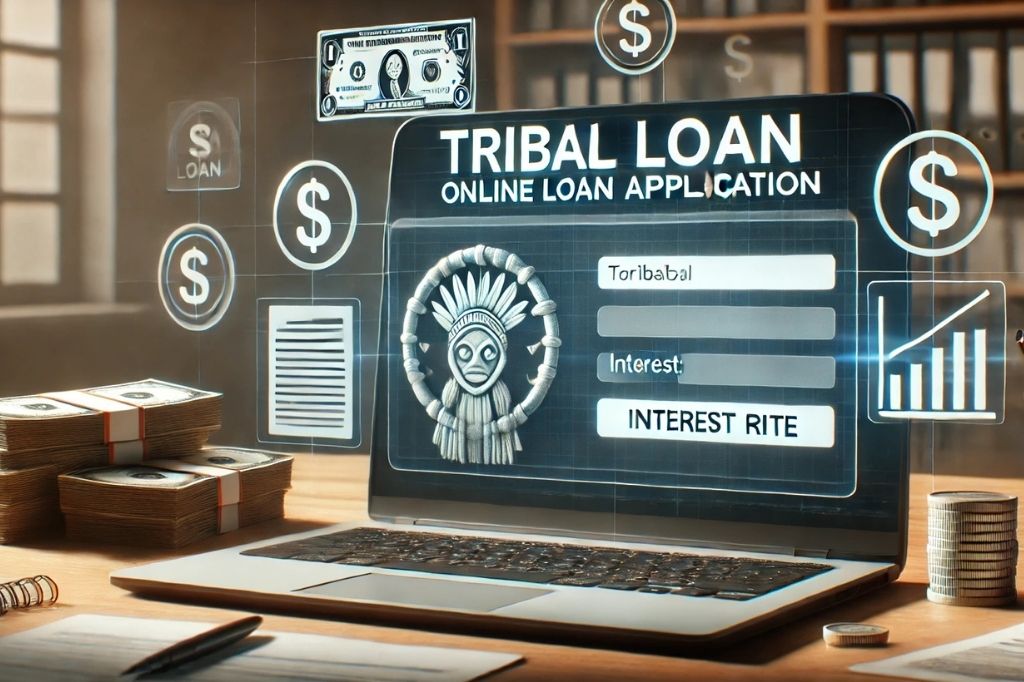
These loans are typically unsecured, meaning they don’t require collateral, and are often processed quickly, with funds deposited directly into the borrower’s account. Repayment schedules can vary, but they generally involve regular installments that include both principal and interest, often structured around benefit payment dates. While they share similarities with payday loans – short-term, high-cost credit – the crucial difference lies in the regulatory oversight, or lack thereof.
For individuals on benefits such as Social Security Disability Income (SSDI), Supplemental Security Income (SSI), unemployment benefits, or welfare, tribal lenders often present themselves as a viable option because they may not perform traditional credit checks. Instead, they might focus on the borrower’s ability to repay based on their regular benefit income, which is viewed as a stable, if limited, source.
Why People on Benefits Consider Tribal Loans
The appeal of tribal loans for individuals on benefits is rooted in a combination of pressing needs and systemic barriers:
- Limited Access to Traditional Credit: Banks and credit unions are often reluctant to lend to those with low credit scores or whose income consists solely of government benefits. The perceived risk is too high, or the loan amounts too small to be profitable under conventional regulations.
- Emergency Financial Needs: Unexpected expenses – a car repair, a medical bill, a sudden utility surge, or even just bridging a gap between benefit payments – can create an immediate and desperate need for cash that traditional sources cannot fulfill quickly enough.
- Speed and Convenience: Tribal loan applications are typically online, streamlined, and offer rapid approval and funding, often within one business day. This speed is a significant draw when time is of the essence.
- No Collateral Required: Unlike secured loans that demand an asset like a car or house, tribal loans are unsecured, making them accessible to those who don’t own valuable property.
- Less Emphasis on Credit History: Many tribal lenders advertise that they don’t rely on traditional credit scores, making them attractive to individuals who have been turned down elsewhere due to past financial difficulties.
In essence, tribal loans position themselves as a financial safety net for a demographic often excluded from mainstream financial services, promising a lifeline when all other doors appear to be closed.
The Allure (Pros) of Tribal Loans
While the downsides often overshadow any potential benefits, it’s important to acknowledge the specific aspects that make tribal loans an attractive (albeit risky) option for some:
- Accessibility for Poor Credit: This is arguably the biggest "pro." For individuals with FICO scores below 600 or no credit history at all, tribal lenders offer a path to emergency funds that most traditional banks and credit unions would deny.
- Quick Funding: The online application process and rapid disbursement of funds mean that borrowers can often receive the money they need within 24 hours. This can be critical in genuine emergencies.
- No Collateral Required: The unsecured nature of these loans means borrowers do not have to risk personal assets to obtain funds, which is a significant relief for those with limited possessions.
- Alternative When Other Doors are Closed: When facing a dire financial crisis and having exhausted all other options – family, friends, charities, credit counseling, or traditional loans – a tribal loan can appear as the absolute last resort, a desperate measure to avert an even worse outcome.
It is crucial to understand that these "pros" are almost always accompanied by severe conditions and substantial risk, making them tenuous advantages at best.
The Peril (Cons) of Tribal Loans
The potential benefits of tribal loans are severely dwarfed by their inherent risks and the significant financial harm they can inflict. For individuals on benefits, who often have fixed and limited incomes, these cons can be particularly devastating:
- Exorbitant Interest Rates (APR): This is the most significant and dangerous drawback. Due to sovereign immunity, tribal lenders are not bound by state usury laws, allowing them to charge APRs that can range from 400% to well over 1,000%, and in some cases, even higher. To put this in perspective, a $500 loan repaid over a few months could end up costing thousands of dollars in interest and fees. This is the primary mechanism by which borrowers fall into debt traps.
- The Debt Trap Cycle: The extremely high-interest rates make it incredibly difficult for borrowers to repay the principal amount. Many borrowers find themselves only able to afford the minimum payments, which primarily cover interest, leaving the principal largely untouched. This leads to repeated rollovers or extensions, incurring more fees and interest, effectively trapping the borrower in a cycle of ever-increasing debt. For individuals on fixed benefits, escaping this cycle is exceptionally challenging.
- Lack of Regulatory Oversight and Consumer Protection: Because tribal lenders operate under tribal law, they are largely exempt from federal and state consumer protection laws that govern traditional lenders. This means:
- Limited Recourse: If a borrower has a dispute, feels they’ve been misled, or faces aggressive collection practices, their options for legal recourse are severely limited. Suing the lender in state court is often impossible due to sovereign immunity, and tribal courts may be unfamiliar or inaccessible.
- Transparency Issues: While some tribal lenders are transparent, others may bury fees and critical terms in complex contracts, making it difficult for borrowers to fully understand the true cost of the loan.
- Aggressive Collection Practices: While they may not be subject to state collection laws, tribal lenders can still employ aggressive tactics. This can include frequent calls, threats of legal action (though the enforceability of such threats is questionable given their immunity from state courts), and automatic withdrawals from bank accounts, which can lead to overdraft fees if funds are insufficient.
- Impact on Financial Health: Far from being a solution, tribal loans often exacerbate financial problems. The burden of high payments can make it impossible to cover other essential living expenses, leading to further financial instability, stress, and potentially more debt. While they might not report to major credit bureaus, defaulting on these loans can still have consequences, such as bank account closures due to repeated overdrafts from automatic withdrawals.
- Predatory Nature: Many critics argue that tribal loans, by targeting vulnerable populations with limited options and charging exorbitant rates, are inherently predatory. They profit from financial desperation rather than providing sustainable solutions.
A Deeper Dive: The Sovereign Immunity Aspect
The concept of sovereign immunity is central to understanding tribal loans. Native American tribes are recognized as sovereign nations by the U.S. government, granting them certain rights and protections. When a tribal entity establishes a lending operation, it claims that this operation falls under tribal jurisdiction, not state or even always federal law.
While this protects tribal sovereignty, it creates a significant loophole in consumer protection. State laws designed to prevent predatory lending, such as interest rate caps, licensing requirements, and fair debt collection practices, often cannot be enforced against these lenders. This legal ambiguity leaves consumers in a vulnerable position, with little recourse if they encounter unfair practices or fall into unmanageable debt. While the Consumer Financial Protection Bureau (CFPB) has attempted to regulate some aspects of tribal lending, the extent of federal oversight remains a contentious and evolving legal battleground.
Alternatives to Tribal Loans for People on Benefits
Given the severe risks associated with tribal loans, individuals on benefits should exhaust all possible alternatives before even considering them. Here are more sustainable and safer options:
- Community Assistance Programs: Many local, state, and federal programs offer emergency financial assistance for housing, utilities, food, and medical needs. Non-profits and charities (e.g., Salvation Army, local churches, United Way) also often provide grants or aid.
- Credit Unions: As member-owned institutions, credit unions are often more willing to work with individuals with less-than-perfect credit. They may offer small personal loans with much lower interest rates than tribal lenders, often providing financial counseling as well. Some offer "payday alternative loans" (PALs) with federal protections.
- Local Non-Profits and Charities: Organizations dedicated to helping low-income individuals often provide direct financial assistance, help negotiate with creditors, or offer interest-free loans for essential needs.
- Family and Friends: While not always an option, borrowing from trusted loved ones can be a lifeline, often without interest or strict repayment terms, provided clear agreements are made.
- Employer Advances (if applicable): If the individual is working part-time or has a stable job in addition to benefits, an employer might offer a paycheck advance.
- Budgeting and Financial Counseling: Seeking advice from a non-profit credit counseling agency can help manage existing debt, create a realistic budget, and explore debt management plans. This can help prevent future reliance on high-cost loans.
- Secured Credit Cards/Loans: If building credit is a priority, a secured credit card or a small secured loan (e.g., against a savings account) can be a safer way to access credit and improve one’s financial standing over time.
- Negotiate with Creditors: If the emergency is an overdue bill, try contacting the creditor directly. Many are willing to work out payment plans or temporary deferrals rather than receive no payment at all.
Who Should Consider Tribal Loans (and with Extreme Caution)
Generally, our recommendation is to exercise extreme caution and, if possible, avoid tribal loans altogether. The risks far outweigh the perceived benefits for most individuals, especially those on fixed incomes.
However, if an individual on benefits finds themselves in an absolute, dire emergency where:
- All other alternatives have been genuinely exhausted, including family, friends, charities, government aid, and credit unions.
- The immediate need is critical (e.g., preventing homelessness, essential medical treatment, avoiding utility cutoff in extreme weather).
- They have a guaranteed, concrete plan to repay the loan in full, including all fees and interest, within the very first repayment cycle, without needing to roll it over or extend it.
- They fully understand the exorbitant APR and all terms and conditions, including the lack of consumer protection and recourse.
Then, and only then, might a tribal loan be considered as an absolute last resort. This scenario, however, is exceedingly rare and requires an exceptional level of financial discipline and understanding that most individuals facing such desperation do not possess.
Buying Recommendation: Proceed with Extreme Caution, If at All
Our overarching recommendation for individuals on benefits considering tribal loans is to avoid them. The financial risks associated with their exorbitant interest rates, lack of regulation, and potential to ensnare borrowers in a crippling debt cycle are simply too high for a demographic that is already financially vulnerable.
For those who feel they have absolutely no other choice, we offer a "Proceed with Extreme Caution" recommendation, coupled with stringent advice:
- Exhaust All Alternatives First: Seriously and thoroughly explore every single alternative listed above before even looking at a tribal loan.
- Read Every Single Word of the Agreement: Do not skim. Understand the APR, all fees, the total repayment amount, the payment schedule, and especially the terms regarding default and collection.
- Calculate the True Cost: Use an online loan calculator to understand exactly how much you will pay back in total, not just the principal. Be prepared for this number to be several times the amount you borrowed.
- Have a Concrete Repayment Plan: Do not borrow unless you are absolutely certain you can repay the loan in full, including all interest and fees, by the very first due date. Do not plan on extensions or rollovers, as this is where the debt trap begins.
- Understand the Lack of Recourse: Be aware that if something goes wrong, your options for legal protection or dispute resolution are severely limited due to the lender’s sovereign immunity.
- Consider the Long-Term Impact: Even if you manage to repay it, the high cost of a tribal loan means that money could have been used for other essential needs, further straining your already limited budget.
Conclusion
Tribal loans present a deceptive allure for individuals on benefits: quick cash for those with few options. However, beneath this veneer of accessibility lies a dangerous landscape of exorbitant interest rates, minimal consumer protection, and the very real threat of an inescapable debt trap. While they might appear to be a lifeline in desperate times, they often become an anchor, dragging individuals deeper into financial distress.
For the vast majority of people on benefits, the risks associated with tribal loans far outweigh any fleeting benefits. The path to financial stability, even in the face of adversity, lies in exploring safer, more sustainable alternatives, prioritizing financial education, and seeking support from community resources. Ultimately, while tribal loans exist as an option, they are one that, for the sake of financial well-being, is best left unexplored.


