
Tribal Lenders for Unemployed Individuals: A Double-Edged Sword in Desperate Times
In the unforgiving landscape of unemployment, where traditional financial lifelines often become inaccessible, individuals facing immediate financial needs can find themselves in a precarious position. Banks and conventional lenders typically require stable income and a good credit history, criteria that are inherently difficult for the unemployed to meet. This void is often filled by alternative lending options, among them, tribal lenders. Operating under a unique legal framework, tribal lenders present themselves as a viable, albeit controversial, solution for those with little to no income or a poor credit score.
This article delves into the world of tribal lenders for unemployed individuals, offering a comprehensive review of their services. We will explore what makes them a distinct option, dissect their advantages and disadvantages, and ultimately provide a recommendation on whether this financial product is a prudent choice for those struggling to find work.
Understanding Tribal Lenders
To properly evaluate tribal lenders, it’s crucial to understand their operational model. Tribal lenders are financial institutions owned and operated by Native American tribes on tribal land. Due to their status as sovereign nations, these lenders are not subject to state-level laws regarding interest rate caps, lending limits, or specific consumer protection regulations that apply to conventional lenders. Instead, they operate under tribal law and federal law. This sovereign immunity is the cornerstone of their business model, allowing them to offer loans with terms that might be deemed illegal in many states.
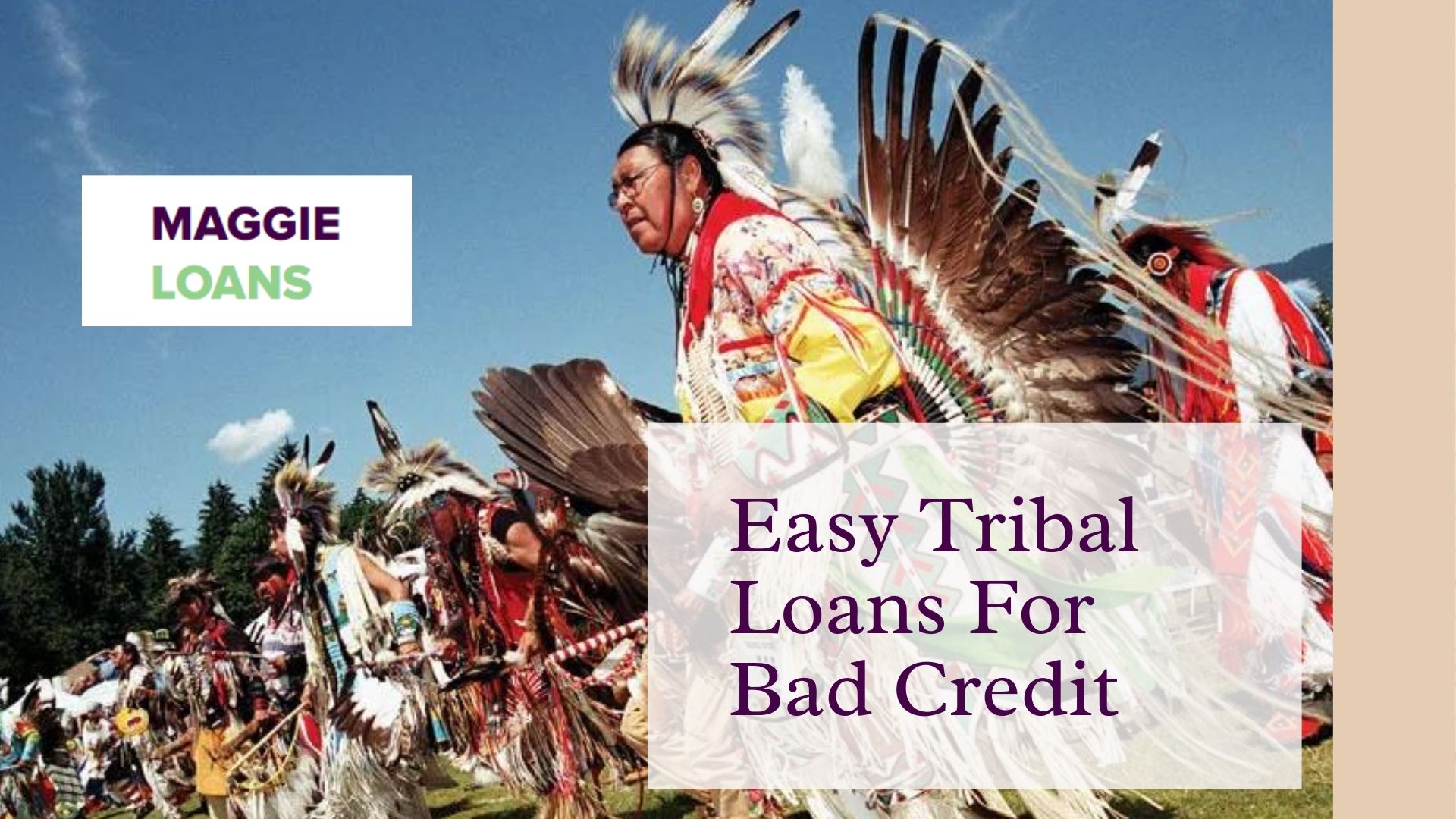
Often, these loans are structured as short-term, high-interest installment loans, bearing a strong resemblance to payday loans but typically with longer repayment periods and slightly larger loan amounts. They primarily cater to high-risk borrowers – individuals with bad credit, no credit, or, critically for our discussion, no traditional employment income. The application process is usually entirely online, promising quick approval and funding, which is a major draw for those in urgent need.
Why Unemployed Individuals Turn to Tribal Lenders
The allure of tribal lenders for the unemployed is multifaceted, rooted primarily in desperation and a lack of viable alternatives:
- Inaccessibility of Traditional Credit: Mainstream banks and credit unions rely heavily on a borrower’s credit score and verifiable income. For someone without a job, even with a decent credit history, securing a loan becomes incredibly challenging. For those with both unemployment and poor credit, it’s virtually impossible.
- Immediate Financial Needs: Unemployment doesn’t halt life’s expenses. Rent, utilities, medical emergencies, car repairs, and groceries continue to demand payment. When savings dwindle and government assistance is delayed or insufficient, the need for quick cash becomes paramount.
- Speed and Convenience: Tribal lenders advertise a streamlined online application process, often promising approval in minutes and funds deposited into a bank account within one business day. This speed is a critical factor for individuals facing immediate financial crises.
- No Collateral Required: Unlike secured loans, tribal loans are typically unsecured, meaning borrowers don’t need to put up assets like a car or house as collateral. This is appealing to those who may not own significant assets or are unwilling to risk them.
- Perceived Lenience on Income: While lenders technically need to verify some ability to repay, tribal lenders are often more flexible in what they consider "income." This might include unemployment benefits, disability payments, social security, or even future employment prospects, making them more accessible than traditional lenders who demand a steady paycheck.

Advantages of Tribal Lenders for Unemployed Individuals (Pros)
Despite their controversial nature, tribal lenders do offer specific benefits that can make them a tempting option for the unemployed:
- Accessibility for High-Risk Borrowers: This is arguably their biggest advantage. If you’re unemployed, have poor credit, or both, tribal lenders are one of the few avenues that might offer you a loan. They are designed to serve a demographic that traditional lenders reject outright.
- Rapid Approval and Funding: The online application and quick disbursement process can be a lifesaver in genuine emergencies. When you need money yesterday for an unexpected expense, the speed offered by tribal lenders is unmatched by most conventional options.
- Flexible Income Verification: As mentioned, they are often more willing to consider non-traditional forms of income, such as unemployment benefits, enabling more individuals to qualify than with a standard bank loan.
- Convenience: The entire process, from application to receiving funds, can be completed online from the comfort of one’s home, eliminating the need for in-person visits or extensive paperwork.
- No Collateral Required: Borrowers don’t have to risk personal assets to secure the loan, which can be a relief for those who have limited resources.
- Potential for Repayment Plans (Compared to Payday): While still very high interest, some tribal installment loans offer longer repayment terms than traditional single-payment payday loans. This can theoretically make individual payments more manageable, though the overall cost of the loan increases significantly over time.
Disadvantages of Tribal Lenders for Unemployed Individuals (Cons)
The advantages, however, come with a heavy price and significant risks. The disadvantages of tribal lenders, especially for an unemployed individual, are substantial and often outweigh the perceived benefits:
- Exorbitant Interest Rates (APRs): This is the most critical and damaging drawback. Annual Percentage Rates (APRs) on tribal loans can range from 300% to over 1000%. To put this into perspective, a $500 loan with an APR of 400% could cost you $2,000 or more to repay over a few months, far exceeding the original principal. For an unemployed person, this burden is almost impossible to manage.
- The Debt Trap: The high-interest rates and often aggressive repayment schedules can quickly lead to a cycle of debt. Borrowers often find themselves unable to repay the full amount by the due date, leading to rollovers, extensions, or taking out another loan to pay off the first. This traps individuals in a spiraling debt that is incredibly difficult to escape, especially without a steady income.
- Lack of State-Level Consumer Protection: Operating under tribal sovereignty means these lenders are largely exempt from state usury laws and consumer protection regulations. This regulatory vacuum can leave borrowers with fewer legal avenues for recourse if disputes arise, if they feel unfairly treated, or if they encounter predatory practices.
- Aggressive Collection Practices: While they must adhere to federal fair debt collection practices, the lack of state oversight can sometimes lead to more aggressive or less scrupulous collection tactics than those used by state-regulated lenders.
- Hidden Fees and Complex Terms: Loan agreements can be laden with complex jargon, hidden fees, and confusing terms. Unemployed individuals, desperate for funds, may not thoroughly read or understand these documents, signing away their financial well-being.
- Impact on Credit Score (If Defaulted): While some tribal lenders do not report positive payment history to major credit bureaus, they often do report defaults. A default on a high-interest loan can severely damage an already fragile credit score, making it even harder to secure future credit.
- Not a Long-Term Solution: Tribal loans are, at best, a temporary fix for an immediate crisis. They do not address the root cause of financial instability (unemployment) and, due to their cost, often exacerbate it.
- Risk of Unscrupulous Lenders: While legitimate tribal lenders exist, the less regulated environment can also attract unscrupulous operators posing as tribal lenders, further complicating the landscape and increasing risk for borrowers.
Who Should (and Shouldn’t) Consider Them?
Given the stark contrast between their accessibility and their severe risks, tribal lenders are a "product" that demands extreme caution.
Who MIGHT Consider Them (Under Dire Circumstances Only):
- Individuals facing an absolute, unavoidable, immediate emergency (e.g., life-threatening medical bill, imminent eviction with no other options).
- Those who have exhausted every single other alternative (family, friends, charities, government aid, credit counseling).
- Borrowers who have a clear, concrete, and imminent plan to repay the loan very quickly, preferably within a week or two, and who have a guaranteed source of funds coming in (e.g., a confirmed job start date with first paycheck pending, a definite tax refund, or a legal settlement).
- Individuals who fully understand the astronomical costs and are prepared for the potential consequences.
Who ABSOLUTELY SHOULD NOT Consider Them:
- Anyone needing money for non-essential expenses (e.g., vacation, shopping, entertainment).
- Those without a guaranteed and immediate repayment plan.
- Individuals looking for a long-term financial solution or to consolidate existing debt.
- Anyone who feels pressured or rushed into signing an agreement.
- Borrowers who do not fully understand the loan terms, interest rates, and fees.
- Those who have any other viable alternative, no matter how difficult or embarrassing it may seem.
Alternatives to Tribal Lenders for Unemployed Individuals
Before even contemplating a tribal loan, unemployed individuals should rigorously explore all other options:
- Family and Friends: While potentially uncomfortable, borrowing from trusted loved ones is almost always the cheapest and most flexible option.
- Community and Charitable Organizations: Many local churches, charities (e.g., Salvation Army, United Way, local food banks), and non-profits offer emergency financial assistance, food, utility bill help, or rent support.
- Government Assistance Programs: Explore unemployment benefits, SNAP (food stamps), Medicaid, housing assistance, and energy assistance programs. These are designed to help during periods of joblessness.
- Credit Unions: If you have a relationship with a credit union, they sometimes offer small, short-term "payday alternative loans" (PALs) with significantly lower interest rates than tribal or payday lenders.
- Negotiate with Creditors: Contact your utility companies, landlord, or other creditors. Explain your situation and ask for extensions, payment plans, or temporary deferments. Many are willing to work with you.
- Sell Unused Items: Consider selling valuable items you no longer need through online marketplaces or pawn shops (though pawn shops also come with high interest rates, they are generally better regulated than tribal loans).
- Gig Economy/Side Hustles: Explore temporary work through platforms like Uber Eats, DoorDash, TaskRabbit, or freelancing websites to generate immediate income.
- Credit Counseling: Non-profit credit counseling agencies can help you create a budget, negotiate with creditors, and explore debt management plans.
The Verdict: A Recommendation with Extreme Caution
As a "product" or service, tribal lenders for unemployed individuals are undeniably accessible when other doors are closed. However, this accessibility comes at an exceptionally high and often crippling cost.
Our recommendation is to approach tribal lenders with the utmost and extreme caution. For the vast majority of unemployed individuals, especially those without a guaranteed, immediate, and substantial influx of cash, tribal loans are a financial trap that should be avoided at all costs. The exorbitant interest rates make them an incredibly expensive and unsustainable solution, often pushing borrowers into deeper debt and prolonged financial hardship.
Only in the most dire, life-or-death emergencies, and only after exhausting every single other possible alternative, and with a concrete, guaranteed, and immediate plan for full repayment, should a tribal loan even be considered. Even then, the borrower must meticulously read and understand every single term and condition, calculate the true cost of the loan, and be fully prepared for the aggressive collection practices that may ensue.
For anyone who is unemployed and facing financial difficulties, the priority should be to secure sustainable income and explore all available government, community, and personal support systems. Tribal lenders, while offering a quick fix, are overwhelmingly a pathway to further financial distress. They are a desperate measure for desperate times, but one that often leaves individuals worse off than they started. Buyer beware, and in this case, the buyer is often already at their most vulnerable.


