Bridging the Divide: A Comprehensive Review of Solutions for Rural Native American Housing Shortages
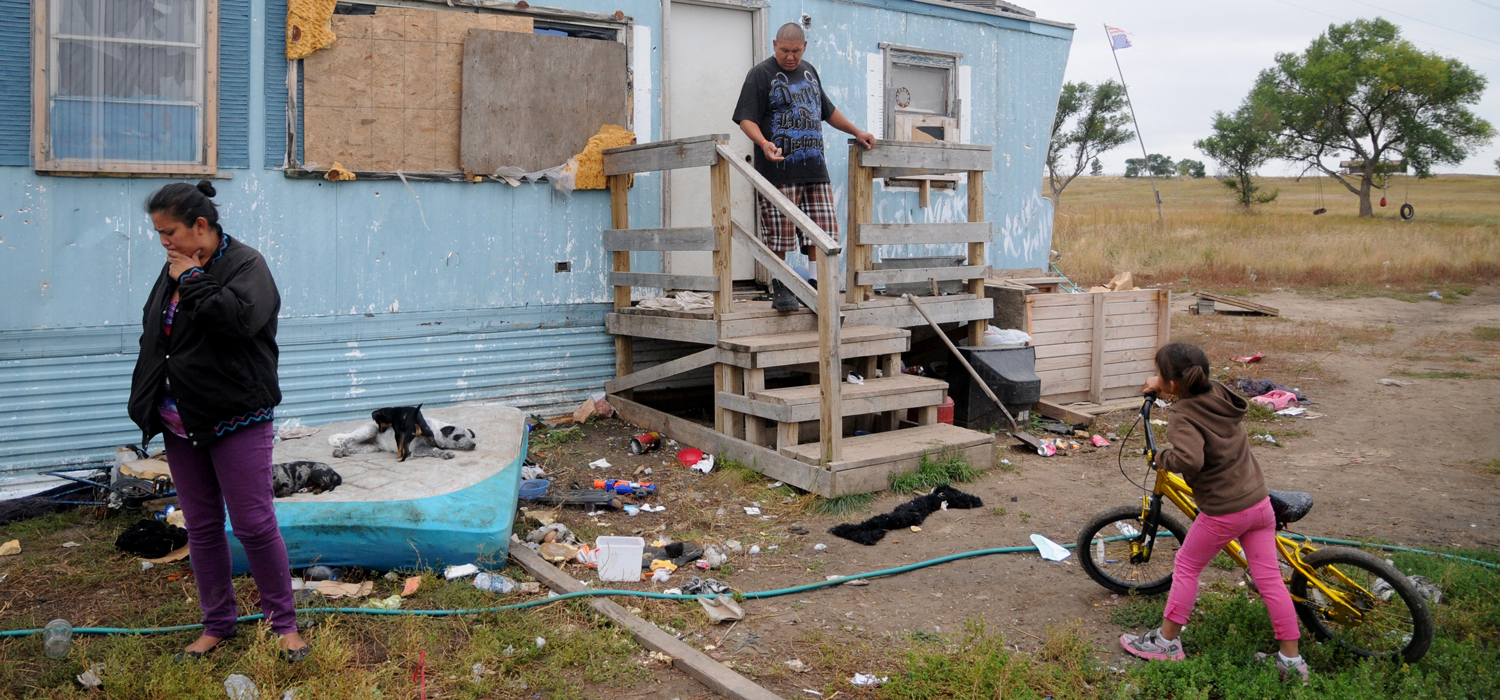
The crisis of inadequate housing in rural Native American communities is not merely a statistical anomaly; it is a profound human rights issue, a legacy of historical injustices, and a persistent barrier to health, education, and economic prosperity. Across Indian Country, countless families live in overcrowded, dilapidated, or entirely absent homes, often lacking basic infrastructure like clean water, sanitation, and electricity. This review delves into the complex "product" – a multifaceted landscape of solutions currently being deployed or advocated for – aimed at addressing this critical shortage. While no single "product" can resolve such a deeply entrenched problem, we will evaluate the collective efficacy, advantages, disadvantages, and ultimately provide a recommendation for investment in this crucial endeavor.
Understanding the "Product": A Holistic Approach to Housing Solutions
Unlike a tangible consumer good, the "product" under review here is a conceptual framework: a confluence of policies, funding mechanisms, innovative building technologies, and community-driven initiatives designed to alleviate the housing crisis in rural Native American areas. This "product" is not sold off a shelf but rather represents a collective effort, a strategic investment in human dignity and tribal sovereignty. Its core components include:
-
Policy & Funding Frameworks:
- Native American Housing Assistance and Self-Determination Act (NAHASDA): The cornerstone federal legislation providing block grants directly to tribes or Tribally Designated Housing Entities (TDHEs) for housing development and assistance.
- HUD Programs: Beyond NAHASDA, various U.S. Department of Housing and Urban Development (HUD) programs like Section 184 Indian Home Loan Guarantee Program, Community Development Block Grants (CDBG), and Low-Income Housing Tax Credits (LIHTC) are leveraged.
- Indian Health Service (IHS) Sanitation Facilities Construction Program: Crucial for providing water and sanitation infrastructure, a prerequisite for habitable housing.
- Tribal Housing Authorities & Programs: Tribal-specific initiatives, codes, and funding allocations.
-
Innovative Building Technologies & Design:
- Modular and Manufactured Homes: Factory-built units that can be transported and assembled quickly, potentially reducing construction time and costs.
- Sustainable and Resilient Designs: Utilizing local materials, energy-efficient systems (solar, geothermal), and culturally appropriate architecture that can withstand environmental challenges and reduce long-term operating costs. Examples include straw bale, earthships, and passive solar designs.
- 3D Printed Homes: Emerging technology offering rapid construction, design flexibility, and potential cost savings.
- Tiny Homes & Accessory Dwelling Units (ADUs): Smaller, more affordable housing options that can address immediate needs or serve specific demographics (e.g., elders, young adults).
-
Infrastructure Development:
- Water and Wastewater Systems: Essential for health and habitability, often lacking or inadequate.
- Electricity and Renewable Energy: Extending grid access or implementing off-grid solar/wind solutions.
- Roads and Access: Ensuring sites are reachable for construction and residents.
-
Capacity Building & Economic Development:
- Workforce Training: Programs to train tribal members in construction trades, home maintenance, and financial literacy.
- Tribal Self-Determination: Empowering tribes to design, build, and manage their own housing solutions, aligning with cultural values and specific community needs.
- Public-Private Partnerships: Collaborations with non-profits, philanthropic organizations, and private developers.
Performance and Features: The Advantages of a Holistic Approach
When evaluating this collective "product," its performance is measured by its ability to create safe, affordable, and culturally appropriate housing while fostering community well-being.
Pros (Advantages):
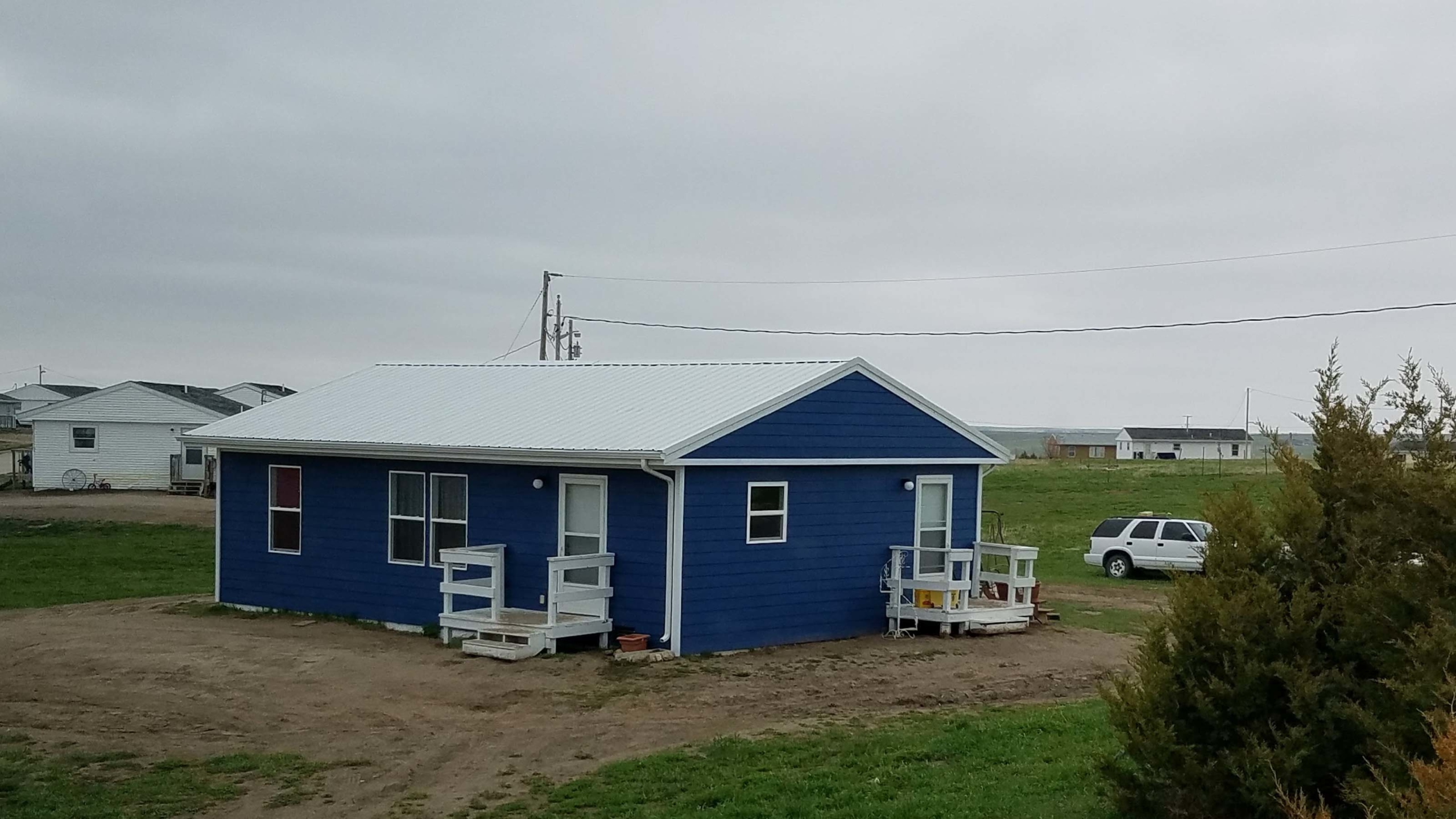
- Cultural Relevance and Self-Determination: The most significant advantage is the potential for solutions to be designed and implemented by Native communities, for Native communities. This ensures housing reflects cultural values, traditional aesthetics, and family structures, moving away from generic, one-size-fits-all approaches. NAHASDA, in particular, empowers tribes to tailor programs to their specific needs.
- Economic Empowerment and Job Creation: Investment in housing construction directly stimulates local economies. Workforce development programs train tribal members, leading to stable employment, reduced reliance on outside contractors, and circulating wealth within the community. This builds long-term tribal capacity and sovereignty.
- Improved Health Outcomes: Replacing substandard and overcrowded housing directly translates to better health. Reduced exposure to mold, lead, and poor sanitation decreases rates of respiratory illnesses, infectious diseases, and chronic conditions. Access to clean water and adequate plumbing is foundational to public health.
- Sustainability and Resilience: The integration of sustainable building practices (energy efficiency, renewable energy, local materials) can significantly reduce long-term utility costs for residents and tribes, making housing more affordable over its lifespan. Resilient designs also protect against extreme weather events, which are increasingly common.
- Community Cohesion and Stability: Stable housing provides a foundation for family well-being, educational attainment, and community engagement. It reduces transience, strengthens social networks, and allows families to invest in their future.
- Scalability and Efficiency (with Innovation): Modular and manufactured homes, coupled with efficient planning, offer the potential to accelerate housing delivery. While traditional construction can be slow and expensive in remote areas, factory-built components can significantly cut down on build times and labor costs.
- Addressing Systemic Inequalities: A comprehensive approach recognizes that housing is intertwined with infrastructure, economic development, and health. By tackling these issues concurrently, it moves beyond Band-Aid solutions to address the root causes of historical disadvantage.
Limitations and Challenges: The Disadvantages
Despite the compelling advantages, the "product" of housing solutions faces significant hurdles that hinder its full potential and widespread adoption.
Cons (Disadvantages):
- Chronic Underfunding: NAHASDA, while vital, has been consistently underfunded relative to the immense need. The current allocation is a fraction of what is required to address the existing backlog and ongoing demand. This forces tribes to compete for limited resources, delaying projects and exacerbating the crisis.
- Infrastructure Deficits: Many rural Native American communities lack basic infrastructure. Extending water, sewer, and electrical lines to remote or scattered homesites is incredibly expensive and complex, often costing more than the housing unit itself. This infrastructure gap is a fundamental barrier to any housing development.
- Regulatory Hurdles and Land Tenure Issues: The unique legal status of tribal lands (trust lands, fee simple, allotments) creates complex jurisdictional and regulatory challenges. Navigating federal, state, and tribal regulations, obtaining necessary permits, and securing financing on trust lands can be protracted and cumbersome.
- Capacity Constraints: Smaller tribes or those with limited resources may lack the technical expertise, administrative capacity, or trained workforce to effectively plan, finance, build, and manage large-scale housing projects. This can lead to reliance on external contractors who may not understand tribal needs.
- Geographic Isolation and Logistics: Many rural Native American communities are in extremely remote locations, making transportation of materials, equipment, and skilled labor costly and time-consuming. This increases project timelines and budgets significantly.
- Maintenance and Longevity Challenges: The initial construction is only part of the solution. Ensuring long-term maintenance, repairs, and rehabilitation of existing and new housing stock requires ongoing funding and technical support, which is often lacking. Poorly maintained homes quickly revert to substandard conditions.
- Affordability for Residents: Even with subsidies, the cost of homeownership or even affordable rental housing can be prohibitive for residents in communities with high unemployment and low incomes. Access to credit and financial literacy are also significant barriers.
- Limited Access to Private Capital: The complexities of land tenure on tribal lands often make it difficult for private lenders to secure collateral, limiting access to conventional mortgages and development loans. This creates a heavy reliance on federal funding.
- Resistance to Innovation: While innovative building methods like 3D printing or certain modular designs offer promise, there can be resistance due to unfamiliarity, concerns about quality, or a desire for more traditional construction methods that align with local skills and aesthetics.
Purchase Recommendation: Investing in a Future of Dignity and Sovereignty
The "product" of comprehensive solutions for rural Native American housing shortages is not just a recommendation; it is an imperative investment. The current state of housing is unacceptable and a moral stain on the nation. However, "buying into" this product requires a nuanced understanding of its components and a commitment to address its inherent disadvantages.
Recommendation: Strong Buy, with Critical Conditions and Long-Term Commitment.
Who Should "Buy"? This "product" is essential for federal and tribal governments, philanthropic organizations, non-profits, and indeed, the American public.
Key Features to Prioritize in Your "Investment":
- Prioritize and Fully Fund NAHASDA: This is the bedrock. A significant, sustained, and predictable increase in NAHASDA funding, adjusted for inflation and actual need, is non-negotiable. It provides tribes with the flexibility and self-determination to address their unique housing challenges.
- Robust Infrastructure Investment: Housing cannot exist without infrastructure. A dedicated, multi-billion-dollar investment in water, sanitation, electricity, and broadband infrastructure for Native American communities is critical. This should be treated as a national priority, akin to other large-scale infrastructure projects.
- Streamlined Regulatory Pathways and Technical Assistance: Federal agencies must work with tribes to simplify bureaucratic processes for land use, permitting, and financing on trust lands. Simultaneously, increased technical assistance and capacity-building programs are needed to empower tribal housing authorities.
- Embrace Culturally Responsive and Sustainable Design: Funding mechanisms should incentivize housing designs that are not only energy-efficient and resilient but also deeply rooted in tribal culture and community input. This includes supporting the use of local, sustainable materials and traditional architectural elements.
- Holistic, Integrated Approaches: Housing solutions must be part of a broader strategy that includes economic development, job training, health services, and educational initiatives. A home is a foundation, but it needs a supportive community ecosystem to thrive.
- Leverage Public-Private Partnerships: While federal funding is paramount, fostering partnerships with Community Development Financial Institutions (CDFIs), private developers willing to navigate tribal land issues, and philanthropic organizations can unlock additional capital and expertise. The Section 184 program should be expanded and promoted.
- Long-Term Maintenance and Rehabilitation: Funding and programs must extend beyond initial construction to support the ongoing maintenance, repair, and rehabilitation of existing housing stock. Preventative maintenance programs and resident education are crucial.
The Value Proposition:
The "return on investment" for addressing Native American housing shortages is immeasurable. It is measured in improved health outcomes, higher educational attainment, increased economic self-sufficiency, reduced social disparities, and the strengthening of tribal sovereignty. It represents a commitment to honoring treaty obligations and rectifying historical wrongs.
While the "product" – this collective of solutions – is complex and faces formidable challenges, its potential to transform lives and communities is undeniable. It requires sustained political will, equitable resource allocation, and a profound respect for tribal self-determination. Investing in these solutions is not just about building houses; it’s about building futures, strengthening nations, and upholding fundamental human dignity. The time for a comprehensive, unwavering commitment to this investment is long overdue.


