
Navigating Homeownership: A Comprehensive Review of HUD 184 Loan Providers
For many Native Americans and Alaska Natives, the dream of homeownership is often complicated by unique challenges, particularly when residing on tribal lands or in areas with specific legal frameworks. Recognizing these barriers, the U.S. Department of Housing and Urban Development (HUD) established the Section 184 Indian Home Loan Guarantee Program. This vital program aims to increase homeownership opportunities for Native Americans by providing a government guarantee to lenders, thereby reducing their risk and making financing more accessible.
However, the effectiveness of the HUD 184 program hinges significantly on the quality and expertise of the loan providers who administer it. Unlike conventional mortgages, HUD 184 loans require specialized knowledge of tribal laws, land tenure systems, and the unique cultural contexts of Native communities. This article offers an in-depth review of HUD 184 loan providers, examining their strengths and weaknesses, and providing recommendations for prospective homebuyers seeking to navigate this specialized lending landscape.
Understanding the HUD 184 Loan Program
Before delving into the providers, it’s essential to grasp the core features of the HUD 184 program itself. Authorized by the Indian Housing Act of 1992, the program guarantees loans made by private lenders to eligible Native American and Alaska Native individuals, tribes, and Tribally Designated Housing Entities (TDHEs). This guarantee protects lenders against losses, encouraging them to lend in areas and to populations they might otherwise deem too risky.
Key features of the HUD 184 loan include:
- Low Down Payment: Typically as low as 2.25% for loans over $50,000, and 1.25% for loans $50,000 or less.
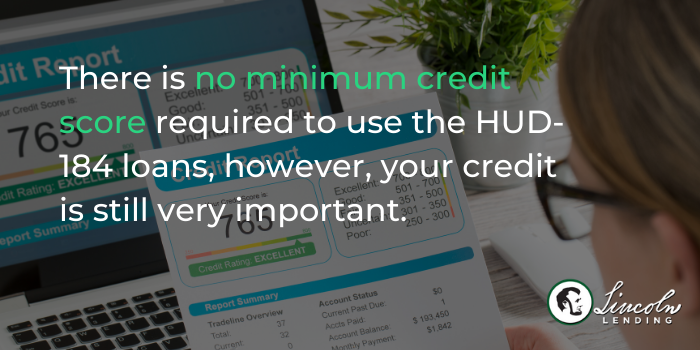
- Flexible Credit Requirements: While creditworthiness is still assessed, HUD 184 often has more flexible underwriting standards compared to conventional loans.
- No Mortgage Insurance Premium (MIP) on Tribal Land: Unlike FHA loans, HUD 184 loans on tribal trust or restricted land do not require monthly mortgage insurance, significantly reducing monthly payments. For off-reservation loans, an annual MIP is required.
- Assumable Loans: The loan can be assumed by another eligible Native American borrower, which can be an attractive feature for future resale.
- Variety of Uses: Can be used for purchase, construction (new or rehabilitation), or refinancing of existing homes.
- Eligibility: Borrowers must be an enrolled member of a federally recognized tribe and the property must be located in an eligible area (which includes most tribal lands and many approved off-reservation areas).

Given these unique aspects, choosing the right lender is paramount. A provider’s understanding of the program’s nuances and its application to diverse tribal contexts directly impacts the borrower’s experience.
The Landscape of HUD 184 Loan Providers
The providers of HUD 184 loans typically fall into a few categories:
- Large National Banks: Some major banks offer HUD 184 loans, often through a specialized division. They typically have vast resources and standardized processes.
- Regional Banks and Credit Unions: Local and regional financial institutions, particularly those operating near or within Native American communities, may offer these loans. They often have a deeper understanding of local conditions.
- Specialized Mortgage Companies: A growing number of mortgage companies focus specifically on government-backed loans, including HUD 184. Some of these firms might specialize in serving Native American communities nationwide.
The number of lenders offering HUD 184 loans is smaller than for conventional or even FHA/VA loans. This is due to the specialized knowledge required, the often complex nature of tribal land titles, and the relatively niche market. This limited pool of providers means borrowers must be diligent in their selection process.
Key Factors in Evaluating HUD 184 Loan Providers
When reviewing HUD 184 loan providers, several critical factors differentiate the best from the rest:
-
Experience and Expertise with HUD 184: This is arguably the most crucial factor.
- Depth of Knowledge: Does the loan officer and their underwriting team truly understand the program guidelines, or are they just learning on the job?
- Volume of HUD 184 Loans: Lenders who regularly close HUD 184 loans are more likely to have efficient processes and fewer surprises.
- Problem-Solving Capability: Can they navigate complex scenarios, such as multiple heirs on tribal land, unique tribal leasing agreements, or issues with appraisals on remote properties?
-
Knowledge of Tribal Laws and Land Tenure:
- Trust Land vs. Fee Simple: A strong provider understands the distinction between homes on tribal trust land (which involves leases from the tribe) and those on fee simple land (private ownership).
- Tribal Legal Frameworks: Each tribe may have its own housing codes, land use policies, and administrative procedures. An ideal lender will have experience working with various tribal governments.
- Appraisal Challenges: Appraising properties on tribal lands can be complex due to lack of comparable sales and unique land ownership structures. Experienced lenders work with appraisers familiar with these nuances.
-
Customer Service and Communication:
- Responsiveness: Are loan officers easy to reach and quick to respond to inquiries?
- Clarity of Information: Do they clearly explain the process, required documentation, and potential challenges?
- Cultural Sensitivity: Do they demonstrate respect and understanding of Native American cultures and communities? This goes beyond mere politeness to genuine empathy for the unique journey of a Native American homeowner.
-
Interest Rates and Fees:
- Competitive Rates: While HUD 184 rates are generally competitive, they can vary slightly between lenders. Always compare.
- Transparency of Fees: Ensure all closing costs, origination fees, and other charges are clearly disclosed upfront and are reasonable. HUD regulates some fees, but others can vary.
- No Hidden Costs: Watch out for lenders who might try to add unnecessary fees.
-
Processing Speed and Efficiency:
- Streamlined Process: Experienced lenders often have dedicated teams and streamlined workflows for HUD 184 loans, leading to faster approvals and closings.
- In-House vs. Outsourced: Lenders with in-house underwriting for HUD 184 loans can often move faster than those who outsource this critical function.
- Realistic Timelines: A good lender will provide a realistic timeline for the entire process, from application to closing.
-
Geographic Reach and Local Presence:
- Serving Your Area: Ensure the lender is licensed and actively lending in your specific state and, ideally, has experience in your particular tribal area or region.
- Local Contacts: Some borrowers prefer lenders with local branches or representatives who can offer in-person support.
Pros of Reputable HUD 184 Loan Providers
Choosing a highly-rated and experienced HUD 184 loan provider offers significant advantages:
- Smoother Application Process: An expert provider will guide you efficiently through the often complex paperwork, knowing exactly what HUD requires and how to present your financial profile most effectively.
- Navigating Unique Challenges: They are adept at handling issues specific to tribal land, such as obtaining tribal consent, understanding lease agreements, and working with specialized appraisers. This expertise can prevent costly delays or even loan denials.
- Access to Vital Homeownership: Their proficiency directly translates into successful homeownership for eligible borrowers, opening doors that might remain closed with conventional lenders.
- Accurate Information and Expectations: A good provider sets realistic expectations regarding timelines, potential hurdles, and all associated costs, reducing stress and surprises for the borrower.
- Advocacy on Behalf of the Borrower: In complex cases, an experienced lender acts as an advocate, working with HUD, tribal governments, and other stakeholders to ensure a positive outcome.
- Cultural Understanding: Providers who genuinely understand and respect Native American cultures are better equipped to serve their clients empathetically and effectively.
Cons and Challenges with HUD 184 Loan Providers (and the Program)
Despite the program’s benefits, there are potential drawbacks and challenges, particularly concerning the providers:
- Limited Availability: As mentioned, the pool of truly experienced HUD 184 lenders is smaller. This can limit options, especially in rural or remote areas.
- Lack of Lender Expertise: Some lenders may offer HUD 184 loans without having sufficient experience. This can lead to:
- Extended Processing Times: Inexperienced lenders may face delays due to unfamiliarity with HUD guidelines, tribal land nuances, or complex underwriting requirements.
- Incorrect Information: Misinterpretations of program rules can lead to errors, requiring rework and frustration.
- Higher Stress for Borrowers: The borrower ends up doing much of the legwork or explaining the unique aspects of their situation to an unprepared lender.
- Inconsistent Customer Service: While some providers excel, others may lack the specialized training or cultural competency needed to effectively serve Native American clients.
- Geographic Limitations of Some Providers: Even experienced providers may not be licensed or actively lending in all states or all tribal jurisdictions, narrowing options for some borrowers.
- Appraisal Difficulties: Even with an experienced lender, finding appraisers knowledgeable about tribal land and remote properties can still be a hurdle, leading to delays or valuation challenges.
- Perception of Higher Rates/Fees (Often Unfounded): While HUD regulates many aspects, some inexperienced lenders might inadvertently or intentionally add costs, making it seem less competitive than it is. Due diligence is key.
- Bureaucratic Delays: Even with the best lender, the government guarantee process itself can sometimes involve bureaucratic steps that add to the timeline.
Recommendation: How to "Purchase" (Choose) the Right Provider
Choosing a HUD 184 loan provider is a critical decision that significantly impacts your homeownership journey. It’s not just about getting the lowest rate; it’s about securing a knowledgeable partner. Here’s a step-by-step recommendation:
-
Start Your Research Early:
- HUD’s Website: Begin by checking HUD’s official list of approved HUD 184 lenders. This is your baseline.
- Tribal Housing Authority/TDHE: Your tribal housing authority is an invaluable resource. They often have established relationships with lenders who regularly serve their community and can provide direct recommendations.
- Word-of-Mouth: Ask friends, family, or community members who have used the HUD 184 program for their experiences and recommendations.
-
Interview Multiple Lenders (At Least 3):
- Ask Specific Questions: Don’t just ask "Do you do HUD 184 loans?" Dive deeper:
- "How many HUD 184 loans did your company close last year?"
- "What is your experience working with ?"
- "Can you describe your process for handling appraisals on tribal land?"
- "Do you have in-house HUD 184 underwriters?"
- "What are the typical timelines from application to closing for a HUD 184 loan?"
- "How do you handle issues with tribal leases or multiple heirs on a property?"
- "Can you provide references from other Native American borrowers you’ve helped?"
- Assess Communication and Empathy: Pay attention to how well they explain things, their responsiveness, and if you feel they genuinely understand your needs and cultural context.
- Ask Specific Questions: Don’t just ask "Do you do HUD 184 loans?" Dive deeper:
-
Compare Loan Estimates (LEs):
- Once you have a pre-approval, lenders will provide a Loan Estimate detailing interest rates, fees, and closing costs.
- Compare these documents carefully. Don’t just look at the interest rate; scrutinize all the fees. Some fees are fixed by HUD, but others can vary.
-
Check Reviews and Credentials:
- Look for online reviews, but take them with a grain of salt. Better yet, seek direct testimonials from other HUD 184 borrowers.
- Verify their licensing with your state’s financial regulatory body.
-
Prioritize Experience and Cultural Competency Over Marginal Rate Differences:
- A slightly higher interest rate from a truly experienced and culturally competent lender may save you far more in avoided delays, frustration, and potential pitfalls than chasing the absolute lowest rate from an inexperienced provider. The value of their expertise in navigating complex tribal land issues is immense.
-
Trust Your Instincts:
- Ultimately, this is a significant financial decision. Choose a provider with whom you feel comfortable, confident, and respected.
Conclusion
The HUD 184 Indian Home Loan Guarantee Program is an invaluable tool for Native Americans and Alaska Natives seeking homeownership. It provides unique benefits tailored to address historical barriers and complex land tenure systems. However, the success of this program for individual borrowers is heavily reliant on the expertise and commitment of the loan providers.
While challenges like limited lender availability and varying levels of expertise exist, diligent research and a proactive approach to selecting a provider can mitigate these risks. By prioritizing lenders with deep experience in HUD 184, a nuanced understanding of tribal laws, and a genuine commitment to culturally sensitive service, Native American homebuyers can confidently navigate the path to achieving their dream of owning a home. The right provider isn’t just a lender; they are a vital partner in building stronger Native communities, one home at a time.


