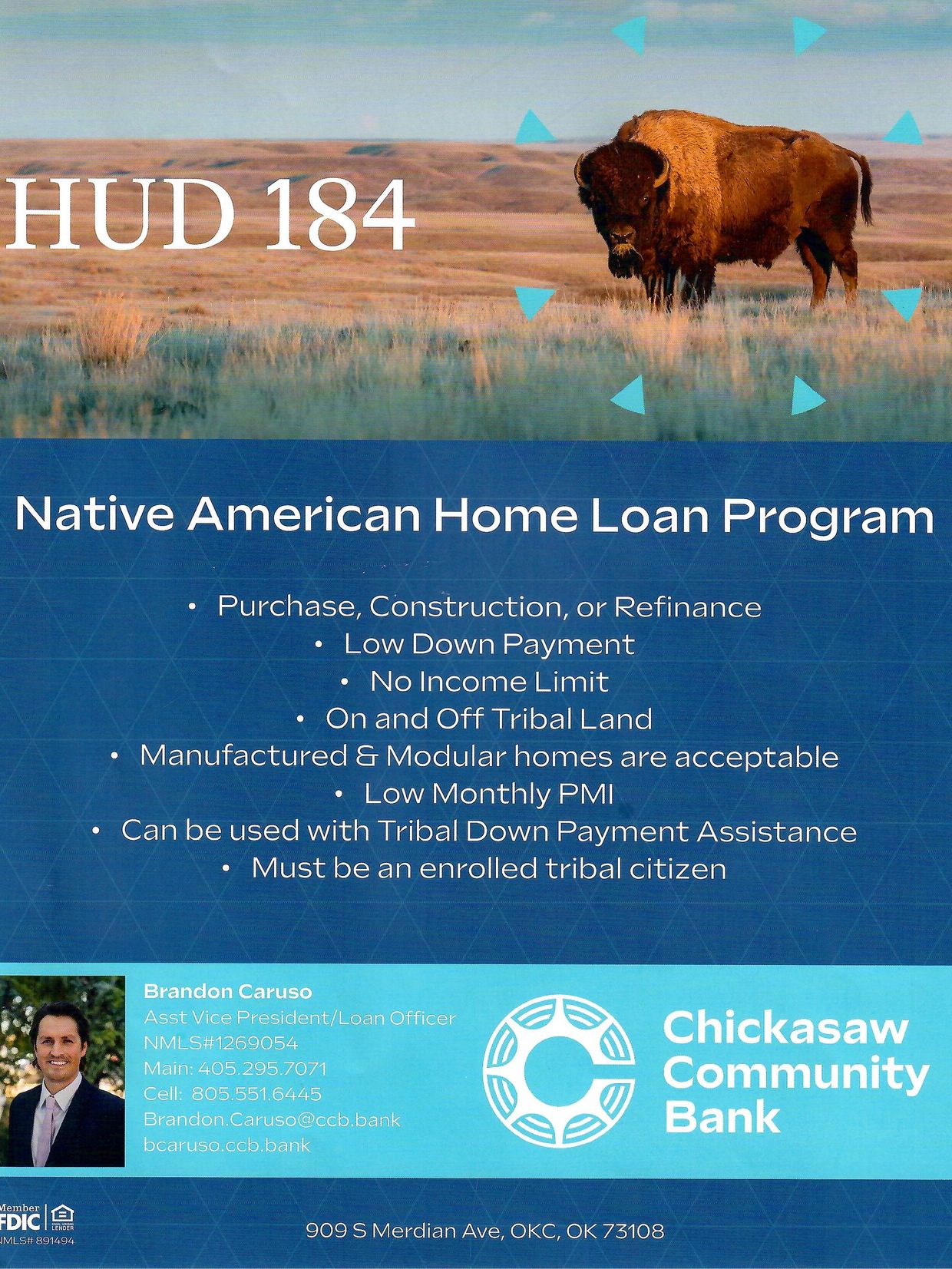
Navigating the Path to Homeownership: A Comprehensive Review of HUD 184 Loans for Off-Reservation Purchases
The dream of homeownership is a cornerstone of the American experience, representing stability, wealth building, and a place to call one’s own. For Native American and Alaska Native families, this dream is often supported by unique programs designed to address historical disparities and promote economic self-sufficiency. Among these, the Section 184 Indian Home Loan Guarantee Program, commonly known as the HUD 184 loan, stands out as a powerful tool. While often associated with on-reservation housing, the HUD 184 loan is equally, if not more, impactful for eligible borrowers seeking to purchase homes off-reservation.
This comprehensive review delves into the requirements, advantages, and disadvantages of utilizing a HUD 184 loan for an off-reservation purchase, ultimately offering a recommendation to help potential homeowners determine if this specialized financing option is the right path for them.
Understanding the HUD 184 Loan Program
Established by the Indian Housing Act of 1992, the HUD Section 184 program is designed to provide mortgage financing opportunities for eligible Native American and Alaska Native families, federally recognized tribes, and Tribally Designated Housing Entities (TDHEs). The U.S. Department of Housing and Urban Development (HUD) guarantees these loans, reducing the risk for lenders and making homeownership more accessible to a demographic that has historically faced barriers to conventional financing.

The program’s core mission is to promote Native American homeownership and economic development. Unlike other government-backed loans like FHA or VA, the HUD 184 is specifically tailored to the unique circumstances of Native communities. While it can be used for purchases on tribal trust lands, tribal fee simple lands, or allotted lands, its applicability to off-reservation purchases is a critical, often underutilized, feature that broadens its reach significantly.
Key Requirements for an Off-Reservation HUD 184 Purchase
To qualify for a HUD 184 loan for an off-reservation purchase, several key requirements must be met by both the borrower and the property. These guidelines ensure the program serves its intended purpose while maintaining financial prudence.
-
Borrower Eligibility:
- Tribal Membership: The most fundamental requirement is that the borrower (or at least one borrower in a joint application) must be an enrolled member of a federally recognized American Indian tribe or Alaska Native Village. Proof of enrollment, such as a tribal identification card or a letter from the tribal enrollment office, is required.
- Income and Credit: While more flexible than conventional loans, borrowers must demonstrate stable and verifiable income sufficient to meet the mortgage payments and other monthly obligations. Credit requirements are also more lenient than conventional loans, typically allowing for lower FICO scores (often in the 620-640 range) and a more forgiving approach to past credit issues, provided there’s a reasonable explanation and a path to recovery. Debt-to-income (DTI) ratios are assessed, but the program often allows for higher ratios under certain compensating factors.
- Down Payment: A significant advantage of the HUD 184 loan is its low down payment requirement. Borrowers typically need to contribute just 2.25% of the loan amount for loans over $50,000, and 1.25% for loans $50,000 or less. These funds can come from savings, gifts, or tribal down payment assistance programs.
- Mortgage Insurance Premium (MIP): Like FHA loans, HUD 184 loans require both an upfront and annual mortgage insurance premium. The upfront MIP is currently 1.00% of the loan amount, which can be financed into the loan. The annual MIP is 0.35% of the outstanding loan balance, paid monthly. These rates are notably lower than FHA’s comparable premiums, offering significant savings over the life of the loan.
-
Property Eligibility (Off-Reservation):
- Location: For off-reservation purchases, the property must be located within an approved HUD 184 lending area. This generally covers most states, but it’s crucial to confirm the specific county with a HUD 184 approved lender.
- Type of Property: Eligible properties include single-family homes, duplexes, triplexes, and four-plexes (owner-occupied), approved condominiums, and manufactured homes permanently affixed to a foundation. The property must be for the borrower’s primary residence.
- Condition and Appraisal: The property must meet HUD’s minimum property standards for health, safety, and structural soundness. A HUD-approved appraisal is required to determine the property’s market value and ensure it meets these standards.
- No Tribal Land Requirements: Crucially, for off-reservation purchases, the property does not need to be on tribal trust land or have any specific tribal affiliation. It operates like any other conventional property purchase, but with the unique HUD 184 financing attached.
-
Loan-Specific Requirements:
- Approved Lenders: Only lenders approved by HUD and authorized to originate HUD 184 loans can offer this program. The number of such lenders is smaller than for conventional or FHA loans, requiring borrowers to seek out specialized institutions.
- Loan Limits: Loan limits are set at 150% of the FHA loan limits for the specific county where the property is located, allowing for competitive financing even in higher-cost areas.
- Homebuyer Counseling: While not always mandatory for off-reservation purchases, some lenders or tribes may require or recommend homebuyer education to ensure borrowers are well-prepared for the responsibilities of homeownership.
Advantages (Pros) of HUD 184 for Off-Reservation Purchases
The HUD 184 loan offers several compelling advantages, particularly for Native American and Alaska Native individuals and families looking to purchase a home off-reservation:
- Low Down Payment: The 2.25% down payment requirement is one of the lowest available for government-backed loans, making homeownership attainable for those with limited savings. This is significantly lower than FHA’s 3.5% and most conventional loans requiring 3-5% or more.
- Flexible Credit Guidelines: The program’s more lenient credit score requirements and willingness to consider alternative credit histories (like utility payments or rental history) provide a pathway for borrowers who might not qualify for conventional loans due to past financial challenges or a limited credit history.
- Competitive Interest Rates: Because the loans are guaranteed by HUD, lenders perceive less risk, often resulting in competitive interest rates that are comparable to, or even better than, FHA or some conventional rates.
- Reduced Mortgage Insurance Premiums (MIP): The significantly lower upfront (1.00%) and annual (0.35%) MIP compared to FHA loans (which are 1.75% upfront and 0.55-0.85% annually for most loans) translates into substantial savings over the life of the loan, reducing the overall cost of homeownership.
- No Geographic Restrictions (within approved areas): For off-reservation purchases, the program is not confined to specific tribal lands, allowing eligible borrowers to purchase homes in a wide range of communities, from urban centers to rural towns, as long as the county is an approved HUD 184 lending area.
- Assumable Loans: HUD 184 loans are assumable, meaning if the borrower sells the home, the new buyer (who must also be an eligible Native American) can take over the existing mortgage, often at a lower interest rate, which can be a valuable selling point in the future.
- Focus on Native American Homeownership: The program is specifically designed with the unique needs and circumstances of Native American and Alaska Native communities in mind, fostering greater financial stability and wealth creation within these populations.
Disadvantages (Cons) of HUD 184 for Off-Reservation Purchases
Despite its many benefits, the HUD 184 loan program also comes with certain drawbacks that potential borrowers should consider:
- Limited Number of Approved Lenders: This is arguably the biggest hurdle. Not all mortgage lenders offer HUD 184 loans, as it requires specialized knowledge, specific underwriting processes, and direct approval from HUD. Borrowers may need to search extensively to find a lender in their area, and options might be limited compared to conventional or FHA loans.
- Mandatory Mortgage Insurance: While the MIP is lower than FHA’s, it is still a mandatory additional cost that increases the overall monthly payment. Unlike some conventional loans where private mortgage insurance (PMI) can be canceled once 20% equity is reached, HUD 184’s annual MIP generally remains for the life of the loan.
- Perception and Education Gap: Many real estate agents, sellers, and even some lenders are unfamiliar with the HUD 184 program. This lack of awareness can sometimes lead to misunderstandings, slower processing times, or even reluctance from sellers to accept an offer financed with a HUD 184 loan, especially in competitive housing markets.
- Potentially Longer Processing Times: Due to the specialized nature of the loan and the smaller number of lenders, the underwriting and closing process for a HUD 184 loan can sometimes take longer than for conventional loans. This can be a disadvantage in fast-moving markets where quick closings are preferred.
- Property Condition Requirements: Like FHA, HUD 184 loans have specific property standards. If an off-reservation home requires significant repairs to meet these standards, the seller might be unwilling to make them, or the buyer might incur additional costs and delays.
- Eligibility Restrictions: The program is exclusively for enrolled members of federally recognized tribes or Alaska Native Villages. This is not a universal program available to all homebuyers.
- Less Flexibility for Investors: The HUD 184 loan is strictly for primary residences, limiting its use for investment properties or vacation homes.
Is a HUD 184 Loan Right for Your Off-Reservation Purchase? (Recommendation)
The decision to pursue a HUD 184 loan for an off-reservation purchase depends heavily on an individual’s specific circumstances, financial profile, and priorities.
The HUD 184 loan is highly recommended for:
- Eligible Native American and Alaska Native borrowers who meet the tribal enrollment requirements.
- Individuals with limited funds for a down payment (benefiting from the 2.25% requirement).
- Borrowers with less-than-perfect credit scores or a limited credit history who might struggle to qualify for conventional financing.
- Those seeking competitive interest rates combined with lower mortgage insurance premiums compared to FHA.
- Buyers who prioritize a program specifically designed to support Native American homeownership and are willing to work with specialized lenders.
- Individuals looking for the added benefit of an assumable loan for future resale flexibility.
Consider alternatives (like FHA, VA, or conventional loans) if:
- You have excellent credit scores (740+) and a substantial down payment (20% or more), as you might qualify for a conventional loan with no mortgage insurance, potentially offering lower overall costs.
- You are not an enrolled member of a federally recognized tribe or Alaska Native Village.
- You need a very fast closing and are in a highly competitive market where speed is paramount.
- You find it difficult to locate an approved HUD 184 lender in your desired area, or the available lenders offer less favorable terms than other options.
- The property you are interested in requires significant repairs that the seller is unwilling to undertake, and you prefer to avoid the complexities of renovation loans.
Overall Recommendation:
For eligible Native American and Alaska Native individuals and families, the HUD 184 loan program presents an exceptional opportunity for off-reservation homeownership. Its tailored benefits—low down payment, flexible credit, and reduced mortgage insurance—are powerful tools for achieving the dream of owning a home.
However, success with a HUD 184 loan hinges on proactive engagement. It is highly recommended that potential borrowers:
- Verify their tribal eligibility early in the process.
- Actively seek out and consult with multiple HUD 184 approved lenders to compare rates, terms, and lender-specific requirements.
- Work with a real estate agent who is knowledgeable about the HUD 184 program and can effectively communicate its benefits to sellers and their agents.
- Educate themselves thoroughly about the loan process to navigate any potential delays or misunderstandings effectively.
By understanding its nuances and preparing accordingly, the HUD 184 loan for off-reservation purchases can be a transformative vehicle, empowering Native American and Alaska Native families to build equity, create stable homes, and strengthen communities far beyond tribal borders. It’s a program that not only facilitates homeownership but also supports the broader vision of self-determination and economic prosperity for Native peoples across the nation.


