VA Native American Direct Loan (NADL) Refinancing: A Comprehensive Review for Veterans on Trust Lands
For many Native American veterans, the path to homeownership on ancestral trust lands presents a unique set of opportunities and challenges. Traditional lending institutions often shy away from properties on trust land due to the complexities of land ownership and jurisdiction, leaving a significant gap in accessible financing. Enter the VA Native American Direct Loan (NADL) program – a crucial lifeline designed specifically to address this need.
While the NADL program is primarily known for facilitating the purchase, construction, or improvement of homes on trust lands, its refinancing component offers an equally vital service. This comprehensive review will delve into the nuances of refinancing with a VA NADL loan, examining its features, advantages, disadvantages, and ultimately, providing a recommendation for its use.
Understanding the VA Native American Direct Loan (NADL) Program
Before we dissect the refinancing aspect, it’s essential to understand the NADL program itself. Established by Congress, the NADL program is administered directly by the Department of Veterans Affairs (VA) – not by private lenders. Its sole purpose is to help eligible Native American veterans, or their non-Native American spouses (if the veteran is deceased), purchase, construct, or improve homes on federally recognized trust land.

Key characteristics of the NADL program include:
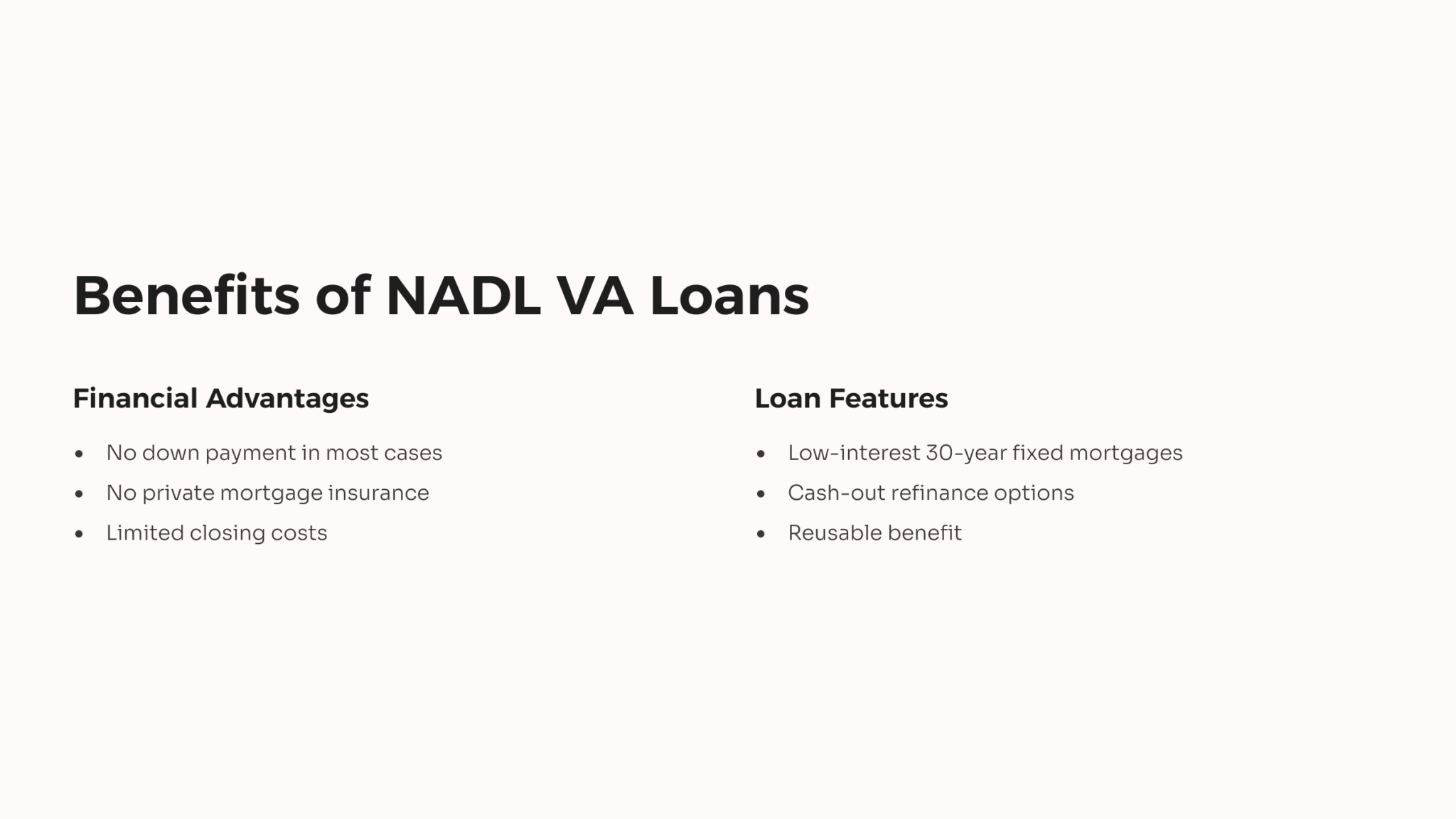
- Direct Lending: The VA acts as the lender, eliminating the need for private bank involvement.
- Trust Land Specific: Loans are exclusively for homes located on Native American trust lands.
- No Down Payment: Typically, NADL loans require no down payment for the initial purchase or construction.
- Low, Fixed Interest Rates: VA direct loans are known for offering competitive, fixed interest rates.
- No Private Mortgage Insurance (PMI): A significant cost-saving benefit for borrowers.
- Flexible Underwriting: The VA’s direct involvement often allows for a more flexible and understanding approach to the unique circumstances of trust land property.
The NADL program is a testament to the VA’s commitment to ensuring that all veterans, regardless of their unique land tenure situations, have the opportunity to achieve stable and affordable homeownership.
The Specifics: Refinancing with a VA NADL Loan
Refinancing an existing mortgage involves replacing your current loan with a new one, often with different terms. For NADL borrowers, refinancing typically falls into two main categories:
- Interest Rate Reduction Refinance Loan (IRRRL) Equivalent: This type of refinance aims to lower the interest rate on an existing NADL loan, resulting in lower monthly payments or a shorter loan term. It’s often referred to as a "streamline" refinance because it requires less paperwork and a simpler qualification process than other refinancing options.
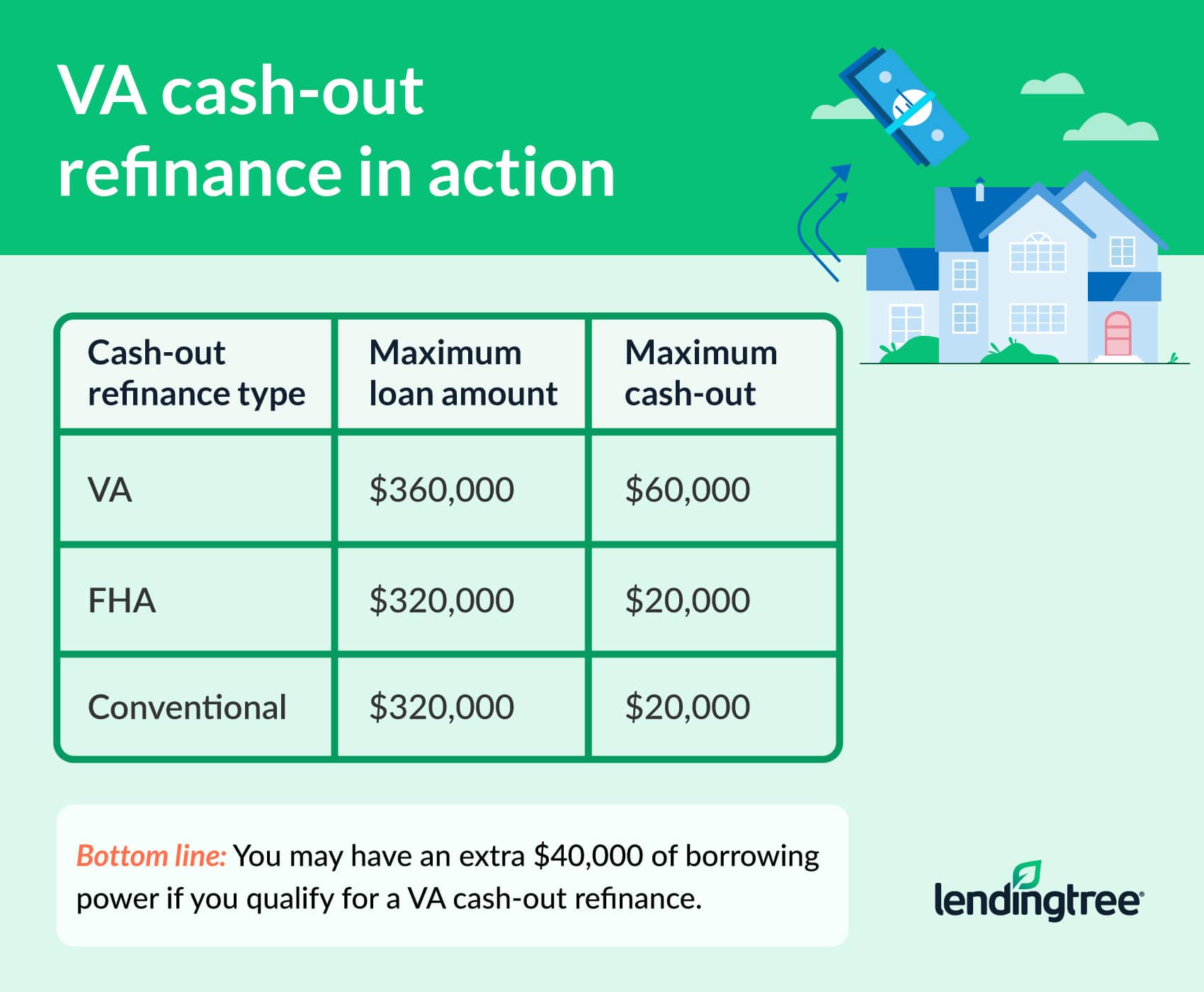
- Cash-Out Refinance Equivalent (for specific purposes): While not a traditional cash-out loan where you extract equity for any purpose, NADL refinancing can allow veterans to roll in the cost of certain energy-efficient improvements, renovations, or repairs into a new, larger loan, effectively increasing the loan amount to cover these specific housing-related expenses. It can also be used to refinance a non-NADL loan (if one exists) into a new NADL loan to take advantage of the program’s benefits.
The key distinction from conventional refinancing is that with NADL, you are refinancing directly with the VA, rather than a private lender.
Advantages (Pros) of VA NADL Refinancing
Refinancing with a VA NADL loan offers a compelling suite of benefits, particularly for its specific target demographic:
- Access to Financing on Trust Lands: This is, without a doubt, the most significant advantage. Traditional lenders are often unwilling or unable to lend on trust land due to complex title issues, tribal laws, and the unique legal status of the land. The NADL program uniquely fills this void, providing a critical financial pathway where none often exists.
- Low, Fixed Interest Rates: VA direct loans are consistently competitive, offering some of the lowest fixed interest rates available. Refinancing can lock in these favorable rates, potentially reducing monthly payments significantly over the life of the loan.
- No Private Mortgage Insurance (PMI): Unlike conventional loans where PMI is often required with less than 20% equity, VA loans (including NADL) do not require PMI. This can save borrowers hundreds of dollars each month, making homeownership more affordable.
- Flexible Underwriting and Understanding of Trust Land: The VA, as the direct lender, possesses a deeper understanding of the unique legal, cultural, and administrative aspects of trust land. This often translates into more flexible underwriting standards and a more empathetic approach to the challenges that might arise during the loan process, compared to a private lender.
- Reduced Closing Costs: While a VA Funding Fee typically applies (unless exempt), NADL borrowers often avoid many of the customary lender fees, processing fees, and origination charges associated with private mortgages. This can lead to substantial savings at closing.
- Ability to Consolidate Existing NADL Loans: If a veteran has multiple NADL loans for different purposes (e.g., an initial purchase loan and a later improvement loan), refinancing can consolidate these into a single, more manageable loan with one monthly payment.
- Opportunity for Energy-Efficient Improvements: As mentioned, the NADL refinance can allow for the inclusion of certain energy-efficient improvements, repairs, or renovations into the new loan. This enables veterans to upgrade their homes for comfort and cost savings without seeking separate financing.
- Security and Stability: A fixed-rate loan provides predictable monthly payments for the entire loan term, shielding borrowers from market fluctuations and offering financial stability.
- Streamlined Process (for IRRRL equivalent): For those seeking only an interest rate reduction on an existing NADL loan, the process can be relatively streamlined, requiring less documentation and a faster turnaround compared to a full refinance.
Disadvantages (Cons) of VA NADL Refinancing
While the NADL program is immensely beneficial, it’s not without its limitations, particularly concerning its refinancing options:
- Strict Eligibility Requirements: This is the most significant limitation. The NADL program is exclusively for Native American veterans (or eligible non-Native American spouses) and requires the property to be located on federally recognized trust land. This immediately excludes the vast majority of veterans.
- Limited to Trust Land Properties: If the property is not on trust land, or if the veteran wishes to refinance a property off trust land, the NADL program is not an option. Other VA loan programs (like the IRRRL or Cash-Out Refinance) would be applicable, but not NADL.
- Directly Through VA Can Be Slower: While beneficial for flexibility, dealing directly with a government agency can sometimes be perceived as a slower or more bureaucratic process than working with a private lender who may offer more expedited services or a dedicated loan officer. The VA’s resources are vast, but the direct loan process can sometimes take longer to complete.
- Not a General "Cash-Out" Loan: Unlike a standard VA Cash-Out Refinance, the NADL refinance is not designed for extracting significant equity for non-housing related purposes (e.g., paying off credit card debt, funding a child’s education). While it can cover specific home improvements, it’s not a general equity extraction tool.
- VA Funding Fee: Most NADL refinances are subject to a VA Funding Fee, a one-time charge paid to the VA that helps offset the cost of the program. While it can be financed into the loan, it adds to the overall loan amount. Exemptions exist for veterans receiving VA disability compensation or Purple Heart recipients, among others.
- Appraisal and Title Complexity on Trust Land: Even with the VA’s direct involvement, the unique nature of trust land can lead to complexities in property appraisal and title examination. These processes may take longer and require specialized knowledge, potentially delaying the refinance.
- Limited Loan Amounts: While generous, VA loan limits apply to NADL loans, which might restrict the amount a veteran can borrow, especially in high-cost areas or for very extensive renovations.
- Less Choice of Lenders: Since the VA is the direct lender, there is no opportunity to shop around for different rates or terms from various private lenders, as one would with other VA loan programs.
Who is the VA NADL Refinance Best Suited For?
The VA NADL refinance is a highly specialized product, perfectly tailored for a specific demographic:
- Native American veterans (or eligible spouses) who already have an existing NADL loan and are looking to lower their interest rate, shorten their loan term, or consolidate multiple NADL loans.
- Native American veterans (or eligible spouses) who own a home on trust land with a non-NADL mortgage (if such a loan was even possible) and wish to refinance into the NADL program to take advantage of its unique benefits (lower rates, no PMI, flexible terms).
- Native American veterans (or eligible spouses) on trust land who wish to undertake specific, approved energy-efficient improvements or repairs and roll the cost into a new NADL loan.
In essence, if you are a Native American veteran living on federally recognized trust land and are looking to improve your current mortgage situation or finance home improvements, the NADL refinance is likely your most advantageous, if not only, viable option.
The Refinancing Process (Simplified)
While the specifics can vary, the general process for NADL refinancing involves:
- Contacting the VA’s NADL Office: This is the first and most crucial step. You’ll work directly with VA loan specialists.
- Application: Complete the necessary application forms, providing details about your current loan, income, and property.
- Documentation: Submit required documents, including proof of veteran status, tribal affiliation, income verification, and property details.
- Property Evaluation: Depending on the type of refinance, an appraisal or property inspection may be required to assess the home’s value and condition.
- Underwriting: The VA will review your application and documentation to determine eligibility and loan approval.
- Closing: Once approved, you’ll sign the final loan documents, and the new loan will replace your old one.
Recommendation: A Resounding Yes for the Eligible
For the specific demographic it serves, the VA Native American Direct Loan (NADL) refinance isn’t just a good option; it’s often the only viable and beneficial option for veterans seeking to manage their homeownership on trust lands.
Strongly Recommended for:
- Native American veterans (or eligible spouses) who meet the strict eligibility criteria and own a home on federally recognized trust land.
- Those looking to significantly reduce their interest rates, lower monthly payments, or shorten their loan terms on an existing NADL loan.
- Veterans seeking to finance approved home improvements or energy-efficient upgrades directly through their mortgage.
- Individuals currently holding a non-NADL loan on trust land (if one exists) and wish to transition to the more favorable and secure terms of a VA NADL loan.
The unique advantages of direct VA lending, low fixed rates, no PMI, and flexible underwriting specifically designed for the complexities of trust land far outweigh the limitations for those who qualify. While the process may require patience due to its direct government administration and the inherent complexities of trust land, the long-term financial benefits and the stability it provides are invaluable.
Before proceeding, however, it is crucial to:
- Contact the VA’s Native American Direct Loan (NADL) office directly to confirm your eligibility and understand the most current program requirements and rates.
- Carefully review all terms and conditions of the new loan, including the VA Funding Fee and any associated costs.
- Assess your financial goals: Ensure that refinancing aligns with your objectives, whether it’s saving money, shortening the loan term, or financing improvements.
In conclusion, the VA NADL refinance program stands as a critical and exceptionally valuable resource. It empowers Native American veterans to achieve and maintain stable, affordable homeownership on their ancestral lands, an opportunity that would otherwise be largely inaccessible. For those who qualify, it is an indispensable financial tool that deserves strong consideration.


