This guide provides a comprehensive overview of online Native American tribal loans for individuals with poor credit scores. While these loans can offer quick access to funds, it’s crucial to understand their unique nature, high costs, and potential risks before proceeding. This tutorial aims to equip you with the knowledge to make an informed decision.
Understanding Online Native American Tribal Loans for Poor Credit Scores: A Professional Guide
1. Introduction: What Are Native American Tribal Loans?
Native American tribal loans, often simply called "tribal loans," are a type of short-term, high-cost loan offered by financial institutions owned and operated by a Native American tribe. These lenders operate under the tribe’s sovereign immunity, meaning they are not subject to state-specific lending laws, including interest rate caps (usury laws) that apply to traditional lenders. This unique legal status allows them to offer loans to individuals who might not qualify for conventional loans due to poor credit scores, but often at significantly higher Annual Percentage Rates (APRs).

Key Characteristics:
- Sovereign Immunity: Lenders operate under tribal law, not state law.
- Target Audience: Primarily individuals with bad credit or limited credit history.
- Online Accessibility: Most operations are conducted online, offering convenience and quick processing.
- High Cost: Typically come with very high APRs, making them an expensive form of credit.
- Short-Term/Installment: Often structured as installment loans over a few months, rather than single-payment payday loans, but still with short repayment periods.
2. How Native American Tribal Loans Work
The operational mechanism of tribal loans leverages the principle of tribal sovereignty. Federally recognized Native American tribes are considered sovereign nations, distinct from state and federal governments. This allows tribal lending entities to set their own lending terms, free from state regulations that limit interest rates or loan amounts.
- Application Process: Borrowers apply online by providing personal, financial, and employment information.
- Underwriting: Lenders typically perform soft credit checks (which don’t impact your score) or no credit checks at all, focusing instead on your ability to repay based on your income.
- Loan Offer: If approved, you receive a loan offer outlining the principal amount, interest rate, fees, and repayment schedule.
- Funding: Once you accept the terms, funds are usually deposited directly into your bank account within 1-2 business days.
- Repayment: Repayments are typically made through automatic debits from your bank account on your scheduled pay dates.
3. Pros and Cons of Tribal Loans for Bad Credit
It’s essential to weigh the advantages against the significant disadvantages.
3.1. Pros (Advantages)
- Accessibility for Poor Credit: The primary benefit is their availability to individuals with low credit scores who are often rejected by traditional banks or credit unions.
- Quick Funding: The online application and approval process can lead to funds being deposited very quickly, often within 24-48 hours, making them suitable for emergencies.
- No Hard Credit Checks (Often): Many tribal lenders rely on alternative data or income verification rather than hard credit inquiries, which can be appealing for those trying to avoid further damage to their credit score.
- Online Convenience: The entire process, from application to funding, can be completed online from anywhere.
- Potential Bridge for Emergencies: In genuine, unavoidable financial emergencies, they can provide a temporary solution when no other options are available.
3.2. Cons (Disadvantages)
- Extremely High APRs: This is the most significant drawback. APRs can range from 200% to over 700%, making them one of the most expensive forms of borrowing.
- Debt Trap Potential: The high cost can make it difficult to repay the loan fully, leading to rollovers, refinancing, or taking out new loans, trapping borrowers in a cycle of debt.
- Limited Regulatory Oversight: While federal laws still apply (e.g., Truth in Lending Act), state-level consumer protections are often bypassed, leaving borrowers with fewer avenues for recourse.
- Aggressive Collection Practices: Some tribal lenders may employ aggressive collection tactics, though they are still subject to federal fair debt collection practices.
- Not a Long-Term Solution: Due to their cost, they are unsuitable for addressing long-term financial problems or recurring expenses.
- Potential for Predatory Lending: While not all tribal lenders are predatory, the lack of stringent regulation can attract less scrupulous operators.
4. Eligibility Criteria for Tribal Loans
While specific requirements vary by lender, common eligibility criteria include:
- Age: Be at least 18 years old.
- Citizenship/Residency: Be a U.S. citizen or permanent resident.
- Active Bank Account: Have a valid checking account where funds can be deposited and repayments debited.
- Verifiable Income: Demonstrate a regular source of income (employment, benefits, etc.) to show repayment ability.
- Contact Information: Provide a valid phone number and email address.
- No Active Bankruptcy: Generally, you cannot be in an active bankruptcy proceeding.
Note: While a poor credit score is acceptable, you still need to demonstrate some financial stability to be approved.
5. Step-by-Step Guide to Applying for an Online Native American Tribal Loan
If you have carefully considered the pros and cons and decided that a tribal loan is your only viable option for an emergency, follow these steps:
Step 1: Research and Vet Potential Lenders
Do not choose the first lender you find. Look for:
- Transparency: A reputable lender will clearly display their terms, conditions, APRs, and tribal affiliation on their website.
- Contact Information: Ensure they have readily available customer service contact details.
- Online Reviews: Check independent review sites (e.g., Better Business Bureau, Trustpilot) for customer experiences. Be cautious, as reviews can be mixed, but look for patterns of complaints regarding hidden fees or aggressive collections.
- Disclosure of Tribal Affiliation: The lender should clearly state which Native American tribe owns or operates the lending entity.
Step 2: Gather Required Information
Before starting the application, have the following ready:
- Personal identification (Driver’s License, State ID)
- Social Security Number (SSN)
- Bank account details (account number and routing number)
- Proof of income (pay stubs, bank statements, benefit statements)
- Employer’s contact information (if applicable)
- Your current address, phone number, and email.
Step 3: Complete the Online Application Form
Navigate to the chosen lender’s website and fill out the application. Be honest and accurate with all information. Inaccurate information can lead to rejection or issues later. The process is usually straightforward, involving sections for:
- Personal details (name, address, DOB)
- Employment and income details
- Banking information
- Loan amount requested
Step 4: Review the Loan Offer and Terms CAREFULLY
This is the most critical step. If approved, the lender will present you with a loan offer. Do not rush.
- APR (Annual Percentage Rate): Understand the actual cost of the loan over a year. It will be high.
- Total Repayment Amount: Calculate the total amount you will repay, including principal and all interest/fees.
- Repayment Schedule: Note the frequency and dates of payments, and the exact amount of each payment.
- Fees: Identify any origination fees, late fees, or other charges.
- Prepayment Penalties: Check if there are penalties for paying off the loan early.
- Rollover/Refinancing Options: Understand the terms if you cannot repay the loan on time. Caution: These options almost always lead to significantly higher costs.
If anything is unclear, contact the lender’s customer service for clarification before proceeding.
Step 5: Sign the Loan Agreement (If You Agree)
Only sign the loan agreement electronically if you fully understand and agree to all the terms and conditions. By signing, you are legally committing to the repayment schedule and associated costs. Save a copy of the signed agreement for your records.
Step 6: Receive Funds
Once the agreement is signed, the lender will typically initiate the direct deposit of funds into your designated bank account. This usually happens within one to two business days, though some lenders may offer same-day funding.
Step 7: Repay the Loan According to the Schedule
Ensure you have sufficient funds in your bank account on each scheduled repayment date. Most tribal loans use automatic debits. Missing payments will incur late fees, additional interest, and can negatively impact your financial standing, even if not reported to major credit bureaus. Prompt repayment is crucial to avoid spiraling into further debt.
6. Important Considerations Before Taking Out a Tribal Loan
- Understand the True Cost: Always calculate the total amount you will repay. A $500 loan with a 500% APR over six months can easily cost you over $1,000 in total repayment.
- Assess Your Repayment Ability: Be brutally honest with yourself. Can you genuinely afford the high monthly payments without jeopardizing other essential expenses?
- Beware of the Debt Trap: Tribal loans are designed to be short-term. If you anticipate needing to roll over or refinance the loan, it’s a red flag that you might be entering a debt trap.
- Check Lender Credibility Beyond Tribal Affiliation: While tribal affiliation grants sovereignty, it doesn’t automatically guarantee ethical practices. Research the specific lender thoroughly.
- Know Your Rights (and their limitations): While tribal lenders are exempt from state usury laws, they are still subject to federal laws like the Truth in Lending Act and the Fair Debt Collection Practices Act.
- Explore All Other Alternatives First: Tribal loans should be a last resort.
7. Alternatives to Native American Tribal Loans
Before resorting to a tribal loan, consider these potentially less costly alternatives:
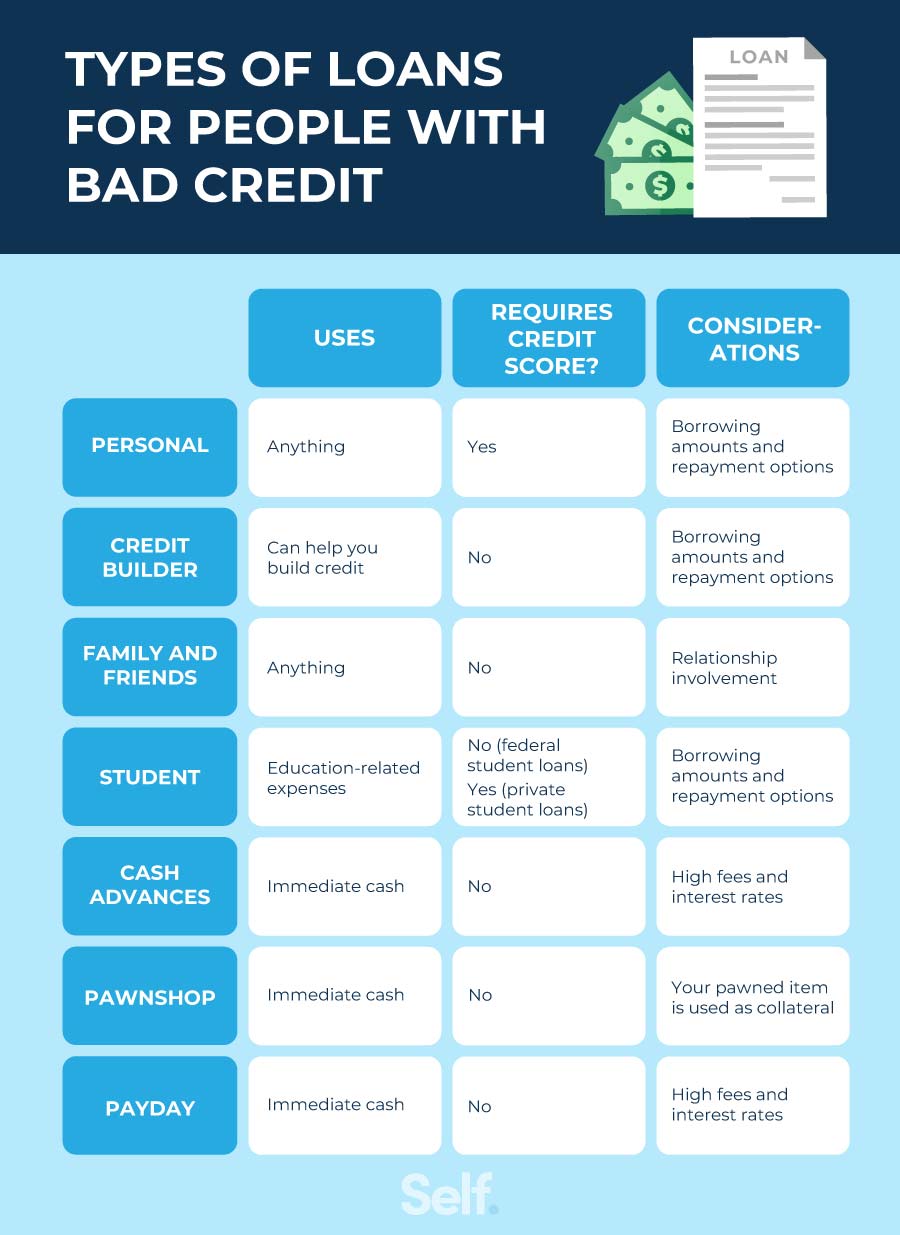
- Payday Alternative Loans (PALs) from Credit Unions: Many federal credit unions offer PALs with much lower interest rates (capped at 28% APR) and more flexible repayment terms.
- Personal Loans for Bad Credit: Some online lenders, credit unions, and even traditional banks offer personal loans for individuals with less-than-perfect credit. While still higher than prime rates, they are usually significantly lower than tribal loans.
- Borrowing from Friends or Family: While potentially awkward, this can be a zero-interest or low-interest solution for emergencies.
- Negotiate with Creditors: If you’re facing a utility shut-off or late bill, contact the creditor directly. They may offer payment plans or extensions.
- Community Assistance Programs: Local charities, non-profits, or government agencies may offer financial aid for housing, utilities, food, or medical expenses.
- Secured Loans: If you have collateral (e.g., a car title loan, pawn loan), these can offer lower interest rates, but come with the risk of losing your asset.
- Credit Counseling: Non-profit credit counseling agencies can help you explore debt management plans, create budgets, and find resources.
- Side Hustles/Selling Unused Items: Generating quick cash through extra work or selling possessions can sometimes alleviate immediate financial pressure.
8. Conclusion: A Last Resort, Not a First Choice
Online Native American tribal loans can provide quick access to funds for individuals with poor credit scores who face immediate financial emergencies. However, their extremely high APRs and limited regulatory oversight make them a high-risk borrowing option.
Approach tribal loans with extreme caution and only consider them after thoroughly exhausting all other, less costly alternatives. Always prioritize understanding the full cost, ensuring your ability to repay, and conducting diligent research on any lender. While they may offer a temporary solution, relying on them regularly can lead to a detrimental cycle of debt. Your long-term financial health should always be the priority.


