A Professional Guide to Native American Personal Loans for Consolidating Debt
Introduction: Understanding Your Debt Consolidation Options
Debt consolidation is a strategy many individuals consider to simplify their finances, potentially reduce their monthly payments, and gain control over multiple outstanding debts. While traditional options like personal loans from banks, balance transfer credit cards, or home equity loans are common, some individuals with less-than-perfect credit scores or limited access to conventional lending might explore alternative avenues. One such option that sometimes comes into discussion is a "Native American personal loan" or a loan offered by a tribal lending enterprise.
This comprehensive guide aims to provide a professional, step-by-step tutorial on understanding, evaluating, and, if deemed appropriate after careful consideration, navigating the process of using Native American personal loans for debt consolidation. We will delve into what these loans entail, their unique characteristics, the potential risks and benefits, and crucial alternatives to consider, empowering you to make an informed financial decision.
1. Understanding Native American Personal Loans
Native American personal loans are offered by lending institutions owned and operated by Native American tribal governments, often referred to as Tribal Lending Enterprises (TLEs). These lenders operate under tribal law, which is distinct from state laws and, in some cases, federal regulations that govern conventional lenders. This distinction is rooted in the concept of tribal sovereignty.
1.1 What is Tribal Sovereignty?
Native American tribes are recognized by the U.S. government as sovereign nations. This means they have the right to self-governance and to establish their own laws and courts on tribal lands. When a TLE is formed and operated by a tribe, it asserts that its lending activities are subject to tribal law, not necessarily the laws of the state where the borrower resides.
1.2 Key Characteristics of Tribal Loans:
- Accessibility: Often marketed to individuals with poor credit histories who may struggle to qualify for traditional loans.
- Online Application: Most tribal lenders operate exclusively online, offering quick application and approval processes.
- Fast Funding: Funds can often be deposited into your account within one business day after approval.
- High Interest Rates: This is a critical characteristic. Due to the perceived higher risk of borrowers and the lack of state-level interest rate caps, tribal loans typically carry significantly higher Annual Percentage Rates (APRs) than traditional personal loans, often comparable to payday loans.
- Short-Term to Medium-Term: While some may offer longer repayment periods, many are designed as short-term solutions.

2. Debt Consolidation: The Concept
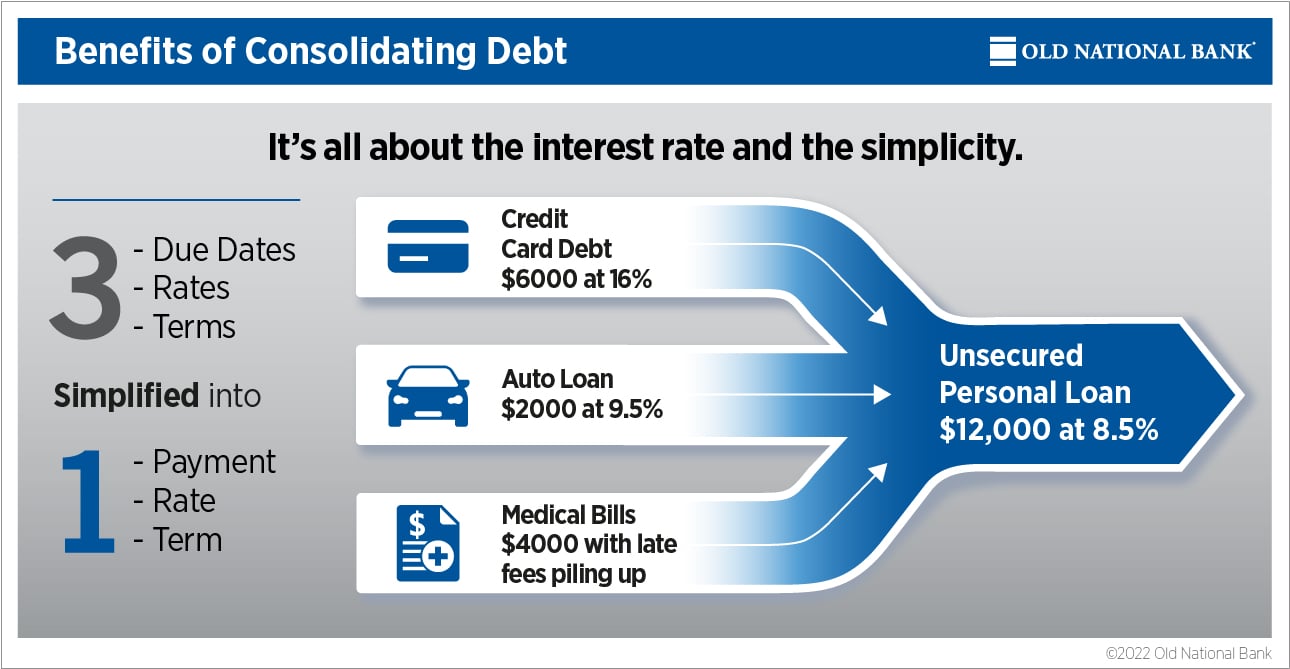
Debt consolidation involves taking out a new, larger loan to pay off several smaller debts, such as credit card balances, medical bills, or other personal loans. The goal is typically to:
- Simplify Payments: Instead of managing multiple due dates and creditors, you have one single monthly payment.
- Potentially Lower Interest Rates: If you qualify for a consolidation loan with a lower interest rate than your existing debts, you can save money on interest charges over time.
- Reduced Monthly Payments: A longer repayment term, even if the interest rate is similar, can result in lower monthly payments, freeing up cash flow.
3. The Intersection: Using Native American Loans for Debt Consolidation
While the idea of simplifying debt with a single payment is appealing, using a Native American personal loan for debt consolidation requires extreme caution. The primary challenge lies in the high interest rates associated with these loans, which often negate the typical benefits of consolidation.
3.1 Why Some Consider It:
- Limited Options: For those with very poor credit scores or who have been denied by traditional lenders, tribal loans might seem like a last resort.
- Quick Access to Funds: The rapid application and funding process can be attractive in urgent situations.
3.2 Major Risks and Considerations:
- Exorbitant APRs: The most significant drawback. An APR of several hundred percent is not uncommon. Consolidating debt at such a high rate will almost certainly lead to paying significantly more in the long run, trapping you in a cycle of debt rather than freeing you from it.
- Cycle of Debt: High interest and fees can make it difficult to pay down the principal, potentially leading to needing another loan to cover the first, spiraling into deeper debt.
- Regulatory Uncertainty: While TLEs assert tribal sovereignty, the legal landscape is complex and subject to ongoing challenges regarding consumer protection laws. This can make dispute resolution difficult.
- Lack of Credit Building: Many tribal lenders do not report payment history to major credit bureaus. While this might protect your credit if you default, it also means timely payments won’t help improve your score.
- Predatory Practices: Some lenders, not all TLEs, but some operating under this guise, may engage in practices that are considered predatory under state laws, such as aggressive collection tactics or hidden fees.
Recommendation: Due to these significant risks, using a Native American personal loan for debt consolidation should generally be considered only as an absolute last resort, and only after thoroughly exhausting all other, more affordable options.
4. Step-by-Step Guide: Navigating the Process (If You Choose This Path)
If, after understanding the profound risks, you still decide to explore a Native American personal loan for debt consolidation, here’s a professional guide to proceed with extreme caution and due diligence.
Step 1: Exhaust All Other Alternatives First
Before even looking at tribal lenders, make sure you have fully explored every other viable option:
- Traditional bank/credit union personal loans.
- Credit cards with 0% APR balance transfer offers.
- Debt management plans through non-profit credit counseling agencies.
- Negotiating directly with creditors.
- Secured loans (if you have collateral).
- Borrowing from friends/family.
Step 2: Assess Your Total Debt and Financial Situation
Clearly itemize all debts you wish to consolidate, including principal amounts, current interest rates, and minimum monthly payments. Understand your current income, expenses, and what you can realistically afford for a new monthly payment. This will help you determine the exact loan amount needed and what repayment terms you can manage.
Step 3: Research Reputable Tribal Lenders (with extreme caution)
If you proceed, thoroughly research potential lenders. Look for:
- Clear Affiliation: Verify their affiliation with a recognized Native American tribe.
- Transparency: Reputable lenders, even high-cost ones, should be transparent about all terms, conditions, APRs, and fees upfront. Avoid lenders that are vague or push you to sign without full disclosure.
- Customer Reviews: While online reviews can be mixed for high-cost lenders, look for patterns of extreme complaints regarding hidden fees, aggressive collections, or misleading information.
- Industry Associations: Some tribal lenders are members of associations like the Native American Financial Services Association (NAFSA), which may indicate adherence to certain standards, though these standards are typically less stringent than state regulations.
Step 4: Understand All Terms and Conditions
This is arguably the most critical step. Do not sign anything until you fully comprehend:
- The Exact APR: This is the true cost of the loan annually.
- Total Repayment Amount: How much you will pay back in total over the life of the loan, including all interest and fees. Compare this to the total of your current debts.
- Loan Term: The duration of the repayment period.
- Payment Schedule: The frequency and amount of each payment.
- All Fees: Origination fees, late payment fees, prepayment penalties (though less common with these loans), and any other charges.
- Default Consequences: What happens if you miss payments?
Step 5: Prepare Required Documentation
Lenders will typically require:
- Proof of identity (government-issued ID).
- Proof of income (pay stubs, bank statements).
- Bank account information for direct deposit and repayment.
- Social Security Number.
Step 6: Complete the Application
Most applications are online. Fill out all information accurately. Be honest about your financial situation.
Step 7: Review the Loan Offer Carefully
Once approved, you will receive a loan agreement. Read every single line. If anything is unclear, ask questions. Do not feel pressured to accept immediately. Compare the total cost of this loan to your current debt situation. If the tribal loan’s APR is higher than the average APR of your existing debts, it’s highly unlikely to be a beneficial consolidation strategy.
Step 8: Receive Funds and Consolidate
If you accept the offer, funds will typically be deposited directly into your bank account. Use these funds immediately and exclusively to pay off the specified debts you intended to consolidate. Do not use the money for other expenses. Keep meticulous records of all payments made to your original creditors.
Step 9: Adhere Strictly to the Repayment Schedule
Given the high interest rates, it is paramount to make every payment on time and in full. Missing payments will lead to additional fees and can rapidly increase the total cost of the loan, pushing you further into debt. If possible, consider paying more than the minimum to reduce the principal faster and save on interest.
5. Crucial Alternatives to Consider for Debt Consolidation
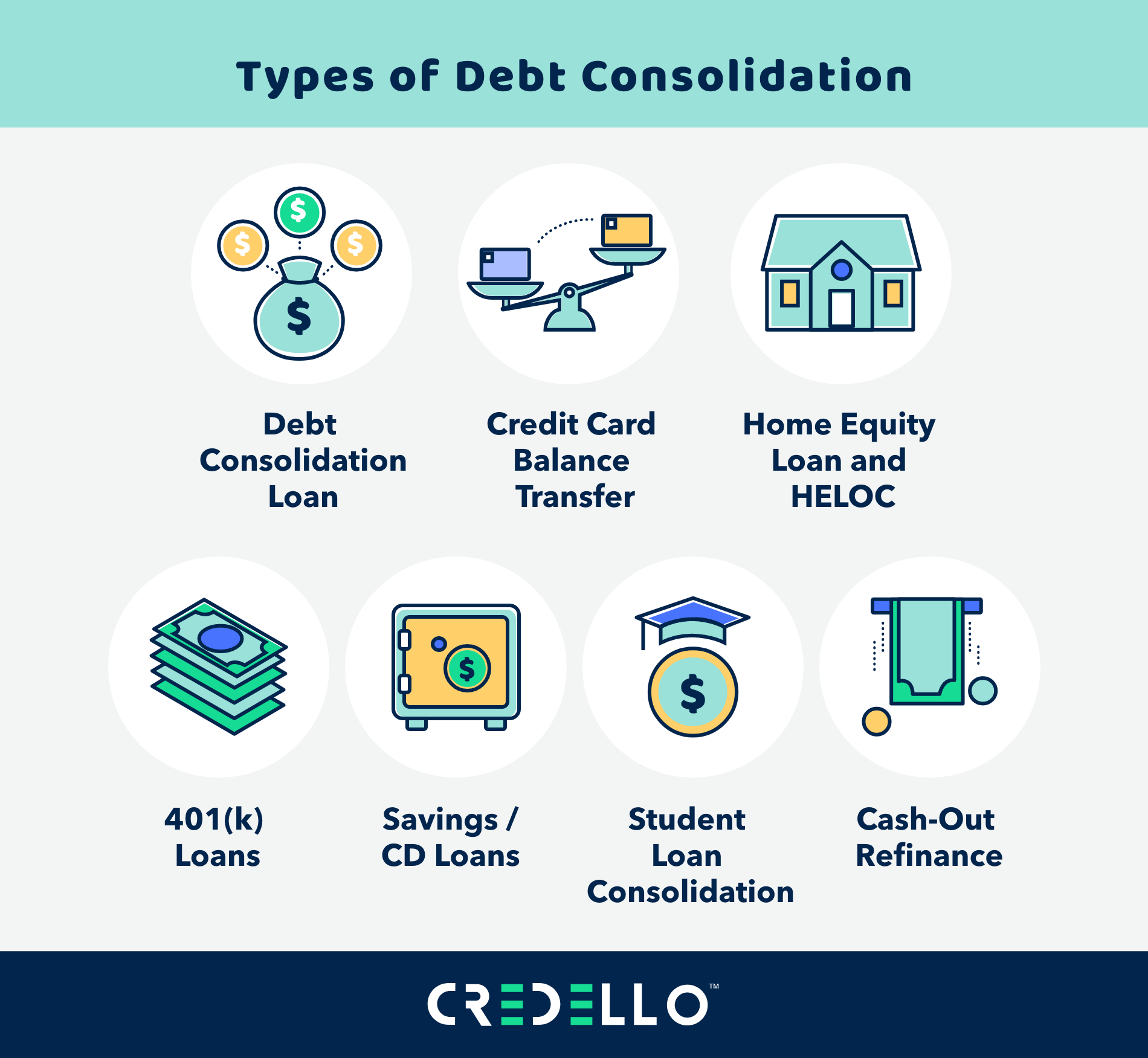
Before resorting to high-interest tribal loans, thoroughly explore these more conventional and generally safer alternatives:
5.1 Traditional Personal Loans
- From Banks or Credit Unions: Offer competitive interest rates for borrowers with good to excellent credit.
- From Online Lenders: Many online platforms offer personal loans with various credit requirements, often more flexible than traditional banks, but still usually with much lower APRs than tribal loans.
5.2 Balance Transfer Credit Cards
- 0% APR Offers: Many credit card companies offer introductory 0% APR periods (12-24 months) on balance transfers. If you can pay off the consolidated debt within this period, it’s an excellent, interest-free option (though balance transfer fees usually apply). Requires good credit.
5.3 Debt Management Plans (DMPs)
- Non-Profit Credit Counseling: A non-profit credit counseling agency can work with your creditors to negotiate lower interest rates and a single, affordable monthly payment. This doesn’t involve a new loan, but rather a structured repayment plan. It can negatively impact your credit initially but is a viable path to debt freedom.
5.4 Home Equity Loans or Lines of Credit (HELOCs)
- Secured by Your Home: If you own a home and have equity, these loans offer significantly lower interest rates because they are secured. However, your home serves as collateral, meaning you could lose it if you default.
5.5 Negotiating Directly with Creditors
- Payment Plans/Settlements: Sometimes, creditors are willing to work with you to set up a more manageable payment plan or even settle a debt for a lower amount if you can pay a lump sum.
5.6 Seeking Professional Financial Advice
- Financial Advisors/Counselors: A professional can help you evaluate your entire financial situation and recommend the best debt relief strategy tailored to your needs.
6. Making an Informed Decision
The decision to use any financial product, especially one with high costs like a Native American personal loan, for a complex strategy like debt consolidation should be made with utmost care. This guide emphasizes the significant risks involved, primarily the extremely high interest rates that often defeat the purpose of consolidation by increasing the total amount you pay.
Always prioritize options that offer lower interest rates and clear, consumer-friendly terms. If you find yourself considering a tribal loan, it’s often a signal that your financial situation is precarious, and professional credit counseling or debt management might be a safer and more effective path to long-term financial health.
Conclusion
Native American personal loans exist as an option for those in dire financial straits or with limited access to traditional credit. While they offer quick access to funds, their typically exorbitant interest rates make them a generally unsuitable and potentially dangerous choice for debt consolidation. The goal of debt consolidation is to simplify and reduce the cost of your debt, not to increase it exponentially.
Approach any offer for a Native American personal loan with extreme caution. Understand the full implications of tribal sovereignty, and, most importantly, scrutinize every single term and condition, especially the APR. Your financial well-being is paramount, and exploring every lower-cost, safer alternative should always be your first course of action.


