
This comprehensive guide is designed to empower Native American women entrepreneurs by providing a clear, step-by-step roadmap to understanding, accessing, and successfully utilizing microloans. It aims to demystify the process, highlight critical resources, and foster economic self-sufficiency within Indigenous communities.
Empowering Indigenous Women Entrepreneurs: A Comprehensive Guide to Native American Microloans
I. Introduction: A Pathway to Indigenous Economic Empowerment
Entrepreneurship has long been a cornerstone of economic development, fostering innovation, creating jobs, and building wealth. For Native American women, who often stand at the intersection of cultural heritage, community leadership, and unique economic challenges, access to capital is a critical determinant of business success. Traditional lending institutions can present significant barriers, making microloans a vital and often more accessible alternative.

This guide provides a professional, step-by-step tutorial on navigating the landscape of Native American microloans specifically tailored for women entrepreneurs. It will cover everything from understanding what microloans are, to developing a robust business plan, identifying key lenders, and strategies for long-term success. Our aim is to equip you with the knowledge and tools necessary to transform your entrepreneurial vision into a thriving reality, contributing to the economic vitality and cultural preservation of your community.
II. Understanding Native American Microloans
Before diving into the application process, it’s crucial to grasp the nature and context of these specialized financial instruments.
A. What Are Microloans?
Microloans are small, short-term loans typically ranging from a few hundred to tens of thousands of dollars. Unlike conventional bank loans, they are often designed for individuals who may lack traditional collateral, credit history, or the established financial track record required by larger lenders. Microloans are frequently used by startups, small businesses, and individuals seeking to expand existing ventures, purchase equipment, or manage working capital. They are characterized by lower interest rates, flexible repayment terms, and often come bundled with technical assistance and business development support.
B. The "Native American" Context
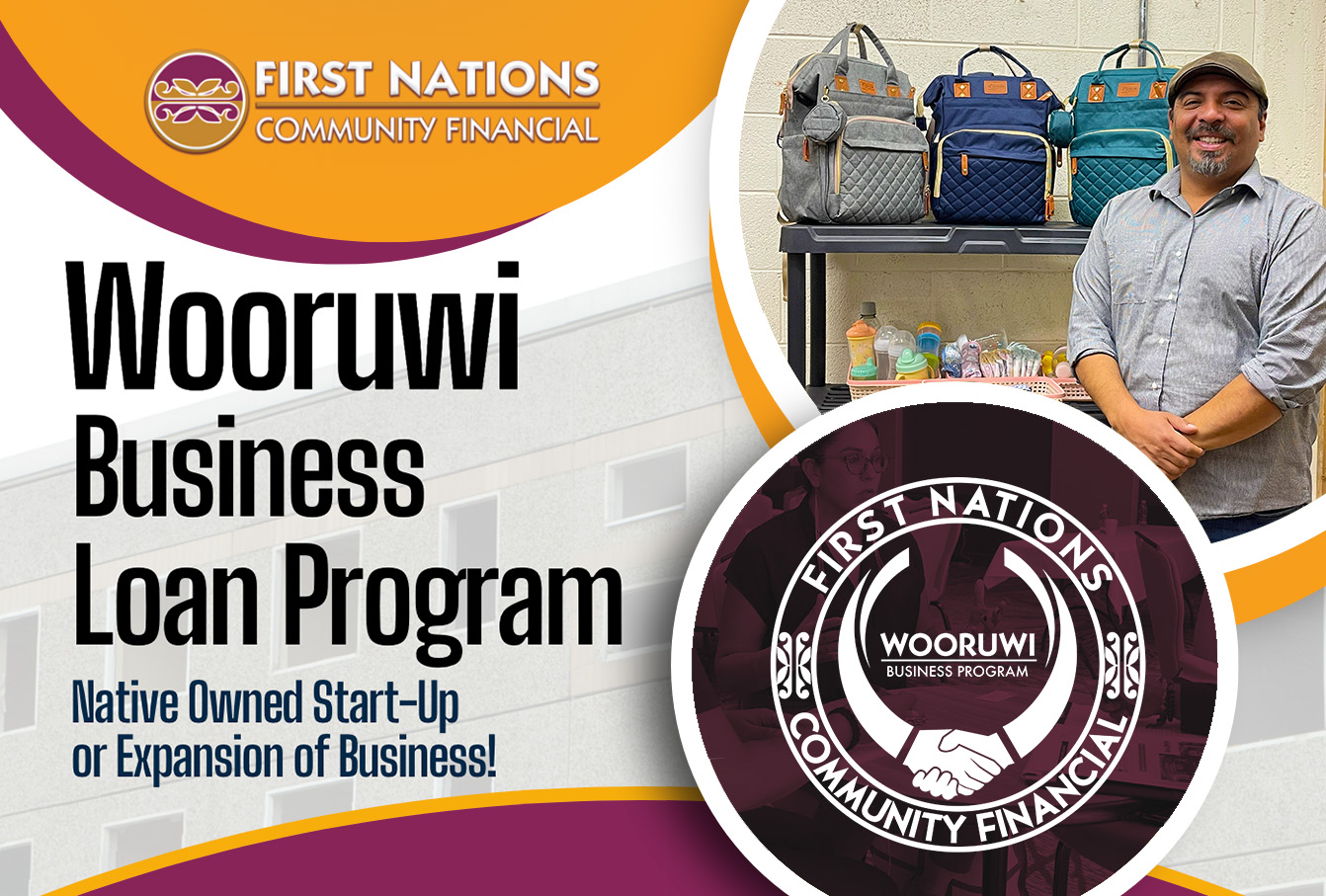
The "Native American" aspect of these microloans signifies a critical distinction. These financial products are specifically designed for and often administered by organizations serving Indigenous communities, including tribal governments, Native Community Development Financial Institutions (CDFIs), and non-profit organizations. They are sensitive to the unique economic, social, and cultural realities faced by Native Americans, such as:
- Location: Many Native businesses operate on reservations, which can present challenges related to infrastructure, market access, and land ownership complexities.
- Sovereignty: Tribal sovereignty influences economic development strategies and the legal frameworks within which businesses operate.
- Cultural Values: Indigenous businesses often prioritize community well-being, cultural preservation, and sustainable practices alongside profit.
These lenders understand these nuances and often structure their loans and support services accordingly.
C. Why for Women Entrepreneurs?
Native American women entrepreneurs face additional layers of complexity, including historical disenfranchisement, gender-based biases, and often, the dual responsibility of business ownership and family care. Microloans specifically targeting women acknowledge these challenges and aim to:
- Empowerment: Provide financial autonomy and the means to build independent livelihoods.
- Access: Bridge the gap in access to capital that women, especially women of color, frequently encounter.
- Community Impact: Recognize that women-led businesses often reinvest more into their families and communities, creating a ripple effect of positive change.
- Role Models: Foster a new generation of Indigenous women leaders and innovators.
III. The Transformative Benefits of Microloans
Accessing a Native American microloan offers numerous advantages beyond mere capital.
A. Access to Capital
The most immediate benefit is securing the necessary funds to start, grow, or sustain a business when traditional loans are out of reach. This capital can be used for inventory, equipment, marketing, operational costs, or even securing a business location.
B. Building Credit History
Successfully repaying a microloan helps establish or improve personal and business credit scores. A strong credit history is vital for accessing larger loans, lines of credit, or other financial products in the future, paving the way for further expansion.
C. Business Development Support
Many microloan programs, particularly those offered by Native CDFIs, include invaluable technical assistance. This can range from one-on-one coaching and mentorship to workshops on financial literacy, marketing, business plan development, and legal guidance. This holistic support significantly increases the likelihood of long-term business success.
D. Fostering Economic Self-Sufficiency
Microloans contribute directly to the economic independence of Indigenous women, reducing reliance on external aid and creating sustainable income streams. This self-sufficiency strengthens individuals, families, and entire tribal economies.
E. Preserving Cultural Heritage
Many Indigenous women entrepreneurs build businesses that reflect and celebrate their cultural heritage – through traditional arts, crafts, foods, or services. Microloans can support these ventures, ensuring the continuation and revitalization of cultural practices for future generations.
IV. Step-by-Step Guide to Securing a Native American Microloan
This section outlines the practical steps involved in preparing for and applying for a microloan.
A. Step 1: Self-Assessment and Business Concept Refinement
Before seeking funding, clearly define your business idea.
- Passion & Purpose: What drives your business? What problem does it solve?
- Market Need: Is there a demand for your product or service? Who are your target customers?
- Feasibility: Is your idea practical and sustainable? Do you have the necessary skills or access to them?
- Personal Readiness: Are you prepared for the commitment and challenges of entrepreneurship?
B. Step 2: Develop a Robust Business Plan
A well-structured business plan is your roadmap to success and a crucial document for lenders. It demonstrates your understanding of the market and your strategic approach. Key components include:
- Executive Summary: A concise overview of your entire plan.
- Company Description: What your business is, its mission, vision, and legal structure.
- Market Analysis: In-depth research on your target market, competitors, and industry trends.
- Organization & Management: Your team, legal structure, and management hierarchy.
- Service or Product Line: Detailed description of what you offer.
- Marketing & Sales Strategy: How you will attract and retain customers.
- Financial Projections: Realistic forecasts of your income, expenses, cash flow, and balance sheet for the next 1-3 years.
- Funding Request: How much money you need and exactly how you plan to use it.
C. Step 3: Research and Identify Potential Lenders
This is a critical step. Focus your search on institutions specifically serving Native American communities.
- Native Community Development Financial Institutions (CDFIs): These are mission-driven financial institutions that provide capital and financial services to underserved markets. Many Native CDFIs specialize in microloans and offer extensive technical assistance. They are often the best starting point.
- Tribal Lending Programs: Your tribal government or economic development office may have its own lending programs or partnerships.
- Non-Profit Organizations: Various non-profits focus on Indigenous economic development and may offer microloans or connect you with suitable lenders.
- Small Business Administration (SBA) Programs: While not exclusively Native American, the SBA has an Office of Native American Affairs and loan programs (like the Microloan Program) that can be accessed through intermediary lenders, many of which are CDFIs.
- Online Search: Use keywords like "Native American microloan," "Indigenous business funding," "Native CDFI," and "women entrepreneurs tribal lending" in your search.
Pro Tip: Look for lenders who offer technical assistance alongside capital. This integrated support is invaluable.
D. Step 4: Prepare Your Financial Documentation
Lenders will need to assess your financial health and the viability of your business. Gather the following:
- Personal Financial Statements: Income, expenses, assets, and liabilities for yourself and any partners.
- Personal Tax Returns: Typically for the past 2-3 years.
- Credit Report: Obtain a copy and be prepared to explain any derogatory marks. Microloan lenders are often more understanding of less-than-perfect credit.
- Business Financial Projections: The financial section of your business plan.
- Bank Statements: Personal and any existing business bank statements.
- Proof of Tribal Affiliation: Often required for eligibility.
E. Step 5: The Application Process
Once you’ve chosen a lender, follow their specific application instructions carefully.
- Complete the Application Form: Fill out all sections accurately and completely.
- Submit Supporting Documents: Attach your business plan, financial statements, and all other required paperwork.
- Attend Interviews: Be prepared to discuss your business plan, your experience, and your financial needs with the loan officer. This is an opportunity to demonstrate your passion and readiness.
- Be Responsive: Promptly answer any follow-up questions or requests for additional information.
F. Step 6: Loan Review and Approval
The lender will review your application, business plan, and financial documents. This process can take several weeks.
- Due Diligence: They may conduct background checks, verify information, and assess the risk.
- Conditional Approval: If approved, you’ll receive a loan offer detailing the amount, interest rate, repayment schedule, and any conditions (e.g., securing specific insurance, completing a workshop).
- Negotiation: You may have a limited opportunity to discuss or clarify certain terms before signing.
G. Step 7: Loan Disbursement and Ongoing Relationship
Upon signing the loan agreement, the funds will be disbursed.
- Understand Terms: Be absolutely clear on all repayment terms, including due dates, interest calculations, and any penalties for late payments.
- Utilize Funds Wisely: Stick to your business plan for how the funds will be used.
- Engage with Support: Take advantage of any offered technical assistance, mentorship, or training programs.
- Maintain Communication: Keep your lender informed of your business’s progress, especially if you anticipate any challenges in repayment. Building a good relationship can be beneficial for future needs.
V. Key Considerations and Potential Challenges
While microloans are accessible, awareness of potential hurdles is crucial.
A. Eligibility Requirements
Each lender has specific criteria. Most Native American microloan programs will require proof of tribal affiliation and often focus on businesses operating within or directly benefiting Indigenous communities. Some may also have residency requirements or limits on the type of business.
B. Credit History
While microloan lenders are more flexible, a very poor credit history or significant outstanding debt can still be a barrier. Be prepared to explain your financial situation and demonstrate a plan for improvement.
C. Business Plan Rigor
A weak or incomplete business plan is a common reason for loan rejection. Dedicate ample time and effort to developing a thorough, realistic, and compelling plan. Seek assistance from business advisors if needed.
D. Navigating Bureaucracy
Dealing with governmental or larger institutional processes can sometimes be slow or complex. Patience and meticulous record-keeping are essential.
E. Cultural Sensitivity
Ensure your business practices and interactions with lenders are respectful of cultural protocols. Many Native CDFIs inherently understand this, but it’s a good practice for entrepreneurs to be mindful.
VI. Essential Resources and Support Networks
Leveraging available resources can significantly enhance your chances of success.
A. Native American CDFIs (Community Development Financial Institutions)
These are paramount. Search for Native CDFIs in your region or national organizations that support them. Examples include Oweesta Corporation (which supports Native CDFIs nationwide), Lakota Funds, Four Bands Community Fund, and others. These organizations not only lend but also provide comprehensive business support.
B. Tribal Economic Development Offices
Your specific tribal nation likely has an office dedicated to economic development. They can provide local resources, connections, and sometimes direct funding or grants.
C. Small Business Administration (SBA)
The SBA offers various programs and resources for small businesses, including specific initiatives for Native American entrepreneurs through its Office of Native American Affairs. Their website (sba.gov) is a valuable source of information and tools.
D. Non-Profit Organizations
Numerous non-profits focus on empowering Indigenous women and entrepreneurs. Look for organizations that offer business training, mentorship, and networking opportunities.
E. Mentorship and Networking Opportunities
Connect with other Native American women entrepreneurs. Peer support, shared experiences, and mentorship can provide invaluable guidance and open doors to new opportunities. Local chambers of commerce or Indigenous business associations are great starting points.
VII. Strategies for Success Beyond the Loan
Securing a microloan is a significant achievement, but sustained success requires ongoing effort.
A. Financial Literacy and Management
Continuously educate yourself on sound financial practices. Track income and expenses diligently, manage cash flow effectively, and understand your profit margins. This will ensure timely loan repayments and sustainable growth.
B. Continuous Business Development
The business landscape is constantly evolving. Stay informed about market trends, adapt your products or services as needed, and always look for opportunities to innovate and improve.
C. Building Strong Relationships
Nurture relationships with your customers, suppliers, community leaders, and your lender. Strong relationships foster trust, loyalty, and can lead to new opportunities.
D. Embracing Technology
Utilize technology to streamline operations, enhance marketing efforts, and reach a wider customer base. This can include e-commerce platforms, social media, and business management software.
E. Resilience and Adaptability
Entrepreneurship is a journey filled with ups and downs. Cultivate resilience, learn from setbacks, and be prepared to adapt your strategies in response to challenges. Your determination is your greatest asset.
VIII. Conclusion: Paving the Way for a Brighter Future
Native American microloans represent more than just financial capital; they are investments in the potential, resilience, and vision of Indigenous women entrepreneurs. By providing access to funding and comprehensive support, these programs empower women to build thriving businesses, create jobs, preserve cultural heritage, and contribute significantly to the economic well-being of their communities.
The path to entrepreneurship is challenging yet incredibly rewarding. With thorough preparation, strategic resource utilization, and unwavering determination, you can successfully navigate the microloan process and pave the way for a brighter, more prosperous future for yourself, your family, and your entire community. Embrace this journey with confidence, knowing that your entrepreneurial spirit is a powerful force for positive change.


