
Navigating Native American Loans: A Professional Guide for Low Credit Scores
For individuals struggling with a low credit score, the traditional lending landscape can feel like an impenetrable fortress. Banks and credit unions often decline applications, leaving many feeling desperate for financial assistance during emergencies. In this challenging environment, Native American or tribal loans have emerged as an option, specifically targeting those with less-than-perfect credit.
However, these loans come with a unique set of characteristics, benefits, and significant risks that demand a thorough understanding before consideration. This professional guide will walk you through everything you need to know about Native American loans for low credit scores, offering a step-by-step approach to understanding, evaluating, and ultimately making an informed decision.
1. Understanding Native American/Tribal Loans
Before diving into the application process, it’s crucial to grasp what Native American loans are and how they operate.
1.1. What They Are
Native American loans are short-term, high-interest loans offered by financial institutions owned and operated by federally recognized Native American tribes. These lenders operate under the tribe’s sovereign immunity, meaning they are not always subject to state laws concerning interest rates or lending practices.
1.2. The Principle of Sovereign Immunity
This is the cornerstone of tribal lending. Federally recognized Native American tribes are considered sovereign nations. This sovereignty grants them immunity from state laws, including those that cap interest rates (usury laws) or regulate lending practices. This allows tribal lenders to offer loans with annual percentage rates (APRs) that would be illegal in most states for conventional lenders.
1.3. How They Differ from Traditional Lenders
- Regulation: Tribal lenders are regulated by tribal law, not state law. While some adhere to federal lending laws, the oversight can be less stringent than for traditional banks.
- Accessibility: They are primarily designed for borrowers with low credit scores or no credit history, who would likely be rejected by mainstream lenders.
- Interest Rates: Typically much higher than conventional loans, often comparable to payday loans.
- Application Process: Often streamlined and online, with quick approval and funding.

2. Why People with Low Credit Scores Consider Tribal Loans
The appeal of tribal loans for those with poor credit is understandable, given their limited options.
2.1. Accessibility and Lenient Approval
The primary draw is their willingness to approve loans for individuals with credit scores that traditional lenders deem too risky. They often rely on alternative credit checks or simply verify income and employment.
2.2. Quick Funding
When facing an urgent financial crisis, such as an unexpected medical bill or car repair, the speed of funding can be a critical factor. Tribal lenders often deposit funds directly into your account within one business day.
2.3. No Hard Credit Check (Often)
Many tribal lenders do not perform a "hard" credit inquiry, which can temporarily lower your credit score. This is attractive to those trying to avoid further damage to their already struggling credit.
3. The Significant Risks and Downsides
While accessible, the risks associated with Native American loans cannot be overstated. It’s imperative to understand these dangers before proceeding.
3.1. Exorbitantly High Annual Percentage Rates (APRs)
This is the most critical risk. Tribal loans often carry APRs ranging from 200% to over 700% or even higher. This means a small loan can quickly balloon into an unmanageable debt, costing you many times the original borrowed amount.
3.2. The Debt Trap Cycle
Due to high interest rates and short repayment terms, many borrowers find themselves unable to repay the full amount by the due date. This often leads to "rolling over" the loan, incurring more fees and interest, trapping them in a cycle of debt that is incredibly difficult to escape.
3.3. Limited Legal Recourse
Because tribal lenders operate under sovereign immunity, borrowers may have limited legal avenues if disputes arise or if they believe they’ve been subject to unfair practices. State consumer protection laws may not apply, making it challenging to sue the lender in state courts.
3.4. Automatic Withdrawals and Bank Fees
Many tribal lenders require automatic withdrawals from your bank account on your payday. If funds aren’t available, you could incur overdraft fees from your bank, further exacerbating your financial stress.
3.5. Impact on Credit (Even if Not Reported)
While some tribal lenders don’t report positive payment history to credit bureaus, defaulting on a tribal loan can still negatively impact your credit. The lender may sell your debt to a collection agency, which will report the delinquency to credit bureaus.
4. Who Should (Cautiously) Consider Tribal Loans
Given the high risks, Native American loans should truly be a last resort for individuals facing a dire emergency with absolutely no other viable options.
4.1. Emergency Situations Only
These loans are designed for genuine, unavoidable financial emergencies where quick access to funds is paramount and no other, cheaper alternative exists.
4.2. Clear Repayment Plan
You must have a concrete, realistic plan to repay the entire loan, including all interest and fees, by the due date. Do not take out a tribal loan if you are unsure of your ability to repay it promptly.
4.3. Full Understanding of Terms
Only consider these loans if you have fully read, understood, and accepted all the terms and conditions, especially the APR, fees, and repayment schedule.
5. Step-by-Step Guide to Applying for a Tribal Loan
If, after carefully considering all the risks and determining it’s your only option, you decide to proceed, follow these steps meticulously.
Step 1: Research and Verify the Lender
This is the most critical step.
- Verify Tribal Affiliation: Ensure the lender is genuinely owned and operated by a federally recognized Native American tribe. Look for their tribal registration on their website.
- Read Reviews: Search for independent reviews and testimonials. Be wary of overly positive or negative reviews that seem fabricated.
- Check for Complaints: Look for complaints with the Consumer Financial Protection Bureau (CFPB) or other consumer advocacy groups, though legal recourse may be limited.
- Transparency: A reputable tribal lender will be transparent about their rates, terms, and tribal affiliation.
Step 2: Check Eligibility Requirements
Most tribal lenders require:
- Being at least 18 years old.
- Having a valid bank account.
- Providing proof of steady income.
- Having a valid phone number and email address.
Step 3: Gather Necessary Documents
While the process is often online, you’ll likely need:
- Proof of identity (Driver’s License, State ID).
- Proof of income (pay stubs, bank statements).
- Bank account details (routing and account numbers).
Step 4: Complete the Online Application Form
Navigate to the lender’s website and fill out the application. Be honest and accurate with your information.
Step 5: Review the Loan Offer and Terms Carefully
Do not skip this step. Before electronically signing anything:
- APR: Confirm the exact annual percentage rate.
- Total Repayment Amount: Understand the total cost of the loan, including all principal, interest, and fees.
- Repayment Schedule: Know the exact dates and amounts of each payment.
- Penalties: Understand fees for late payments, rollovers, or defaults.
- Prepayment Penalties: Check if there are penalties for paying off the loan early (though this is rare with high-interest loans).
Step 6: Receive Funds
If approved and you accept the terms, the funds are typically deposited into your bank account within one business day.
Step 7: Repay Responsibly
Adhere strictly to the repayment schedule. If you foresee any difficulty, contact the lender immediately. Some may offer extensions or alternative arrangements, but be prepared for additional fees.
6. Crucial Considerations Before Applying
Even after the steps above, pause and consider these points one last time.
6.1. Affordability Check
Create a detailed budget. Can you genuinely afford the repayments without sacrificing other essential expenses? High-interest loans can quickly destabilize your finances if not managed perfectly.
6.2. Understand the Lack of State Protections
Recognize that if a problem arises, your usual state consumer protection laws might not apply. This leaves you with fewer options for recourse compared to traditional loans.
6.3. Explore All Other Options First
Seriously consider every alternative before resorting to a tribal loan.
7. Alternatives to Tribal Loans for Low Credit Scores
There are often better, safer alternatives, even with a low credit score. Explore these thoroughly.
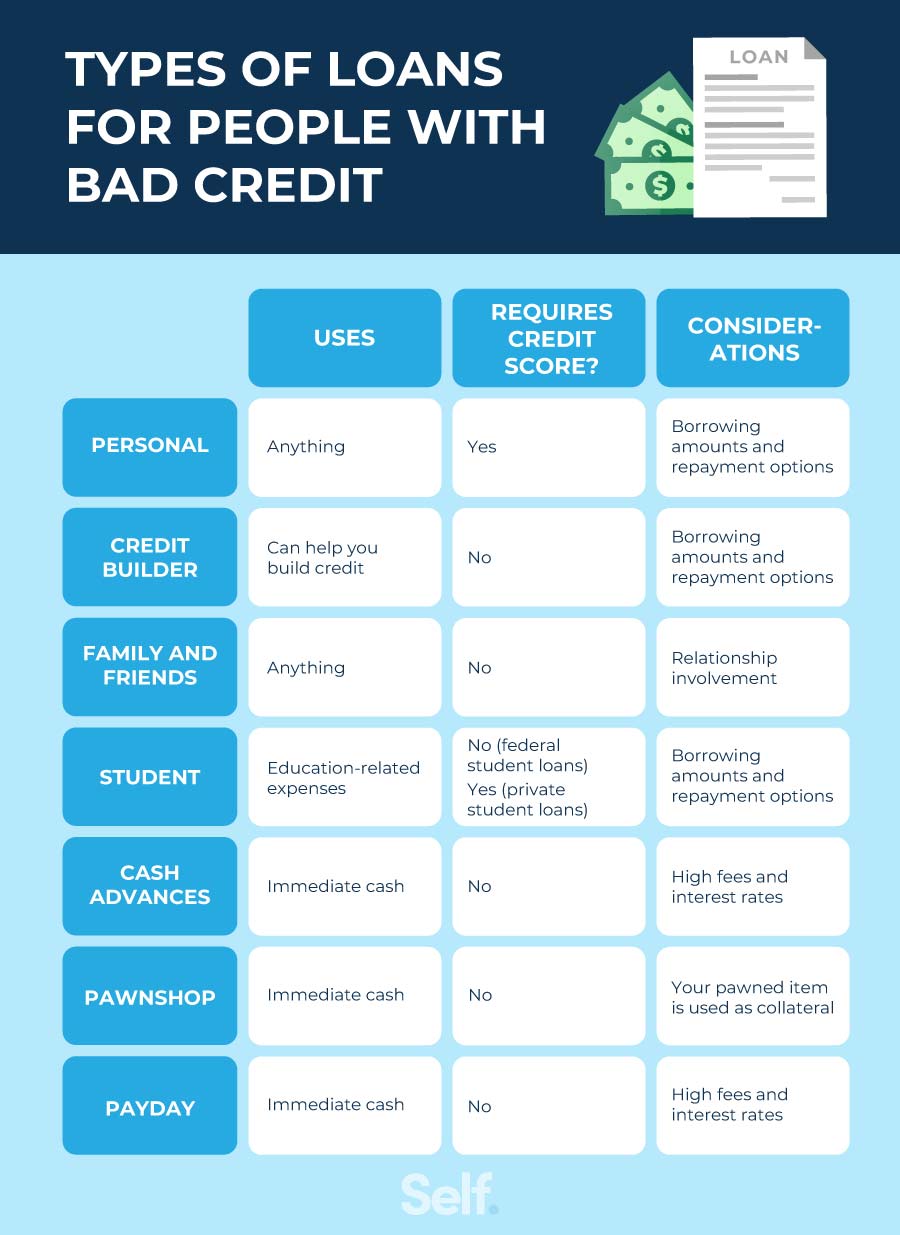
7.1. Payday Alternative Loans (PALs)
Offered by federal credit unions, PALs are designed as a safer alternative to payday loans. They have lower interest rates (capped at 28% APR), more flexible repayment terms, and can help build credit.
7.2. Community Credit Unions
Many local credit unions are more willing to work with members who have lower credit scores than large banks. They often offer small personal loans with reasonable rates and personalized financial counseling.
7.3. Secured Loans
If you have an asset (like a car or savings account), you might qualify for a secured loan. The collateral reduces the lender’s risk, often leading to better terms.
7.4. Credit Builder Loans
These loans are specifically designed to help you build credit. The loan amount is typically held in a locked savings account while you make payments. Once paid off, you receive the money, and your positive payment history is reported.
7.5. Borrow from Friends or Family
While potentially awkward, borrowing from loved ones can be interest-free and more flexible, if managed carefully with clear terms.
7.6. Negotiate with Creditors
If your emergency is related to an existing debt (e.g., utility bill, medical bill), contact the creditor directly. They may offer payment plans, extensions, or even hardship programs.
7.7. Non-Profit Credit Counseling
Organizations like the National Foundation for Credit Counseling (NFCC) offer free or low-cost advice on managing debt, creating budgets, and exploring debt management plans.
7.8. Gig Work or Side Hustles
Consider temporary work, selling unused items, or offering services (e.g., ride-sharing, food delivery) to generate emergency funds without taking on debt.
8. Improving Your Credit Score for Long-Term Financial Health
While dealing with immediate needs, always work towards improving your credit score to access better financial products in the future.
8.1. Pay Bills on Time
Payment history is the most significant factor in your credit score. Set up reminders or automatic payments.
8.2. Keep Credit Utilization Low
Try to use less than 30% of your available credit on any credit card.
8.3. Review Your Credit Report Regularly
Check for errors and dispute any inaccuracies. You can get a free report annually from AnnualCreditReport.com.
8.4. Build a Mix of Credit
A healthy mix of revolving credit (credit cards) and installment loans (car loans, mortgages) can positively impact your score over time.
Conclusion
Native American loans for people with low credit scores represent a high-risk, last-resort option. While they offer accessibility and quick funding when traditional avenues are closed, their exorbitant interest rates and the limited legal protections due to sovereign immunity can quickly lead to a crippling debt spiral.
As a prudent borrower, your primary goal should be to understand these severe risks and exhaust all safer, more affordable alternatives first. If you find yourself in a situation where a tribal loan seems unavoidable, proceed with extreme caution, thorough research, and a clear, actionable repayment plan. Simultaneously, commit to long-term financial strategies that improve your credit score, ensuring you have better options available for future financial needs. Informed decision-making is your most powerful tool in navigating complex financial landscapes.


