
Navigating Native American Loans for Financial Relief: A Professional Guide
In times of financial distress, individuals often seek swift solutions to bridge gaps, cover unexpected expenses, or consolidate debt. Among the various options available, Native American tribal loans have emerged as an alternative, particularly for those with less-than-perfect credit scores who may not qualify for traditional bank loans. However, understanding the unique legal and operational framework of these loans is crucial before considering them as a path to financial relief.
This comprehensive guide will provide a professional, step-by-step overview of Native American tribal loans, their characteristics, the application process, and the critical considerations one must evaluate.
1. Understanding Native American Tribal Loans
Native American tribal loans, often referred to simply as "tribal loans," are short-term, small-dollar loans offered by financial institutions owned and operated by federally recognized Native American tribes. These lenders operate under the tribe’s sovereign immunity, meaning they are not subject to state lending laws, including interest rate caps, that apply to traditional lenders.
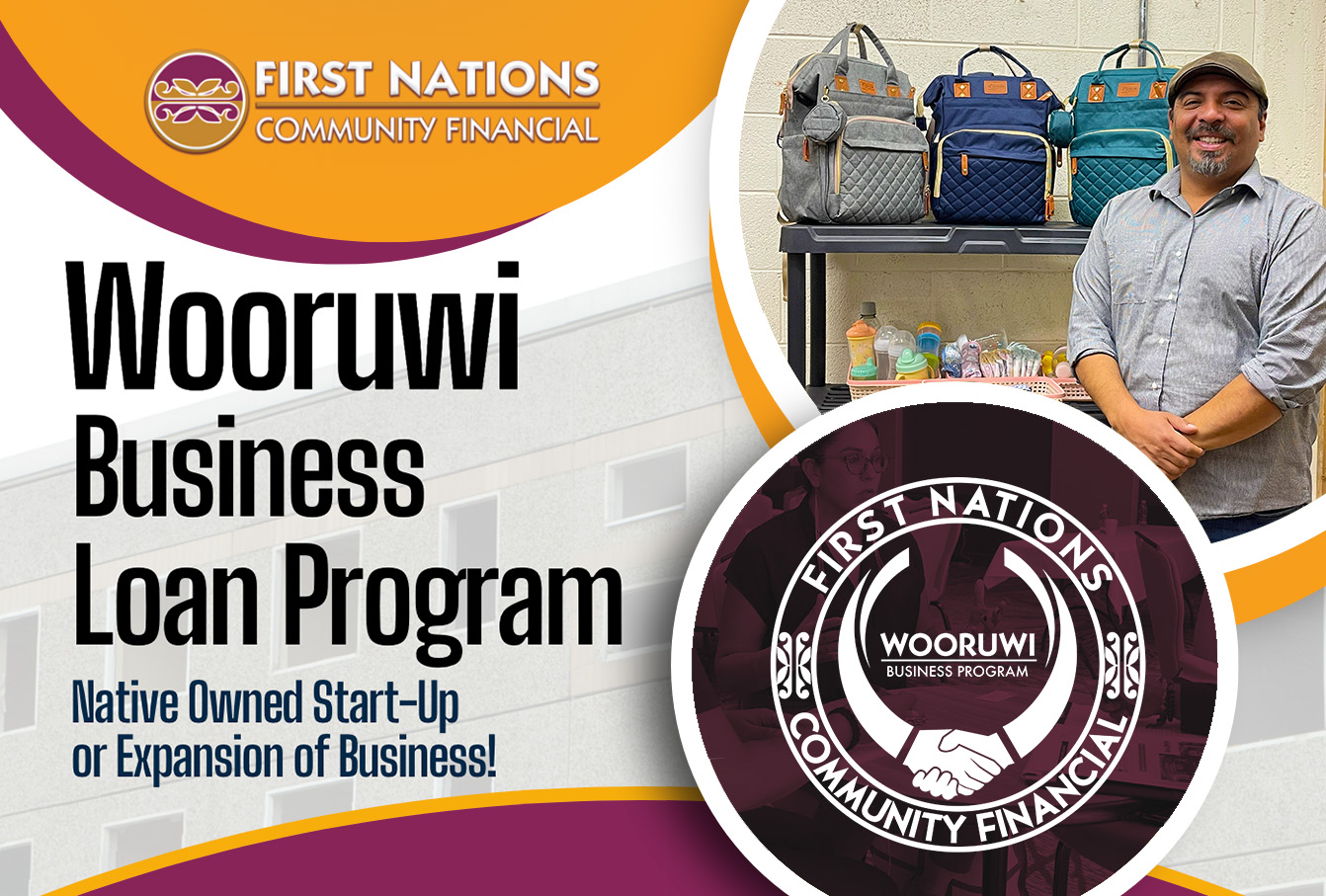
Key Characteristics:
- Sovereign Immunity: This is the foundational principle. Federally recognized tribes are sovereign nations, meaning they have the right to govern themselves and operate under their own laws, not necessarily state laws, when on tribal land or through tribal entities. This extends to their lending operations.
- Online Operation: Most tribal lenders operate exclusively online, making them accessible nationwide.
- Target Audience: They primarily cater to individuals with poor credit histories who are often denied by conventional banks and credit unions.
- Short-Term & Small-Dollar: Loans typically range from a few hundred to a few thousand dollars, with repayment periods often spanning a few weeks to several months.
- High-Interest Rates: Due to the perceived higher risk associated with borrowers and the lack of state regulation, tribal loans often carry significantly higher Annual Percentage Rates (APRs) compared to traditional loans. These rates can sometimes reach triple digits.
2. The Pros and Cons of Tribal Loans

Before proceeding, it’s essential to weigh the advantages against the significant disadvantages.
Pros:
- Accessibility: A primary benefit is their accessibility to borrowers with bad credit or no credit history. Lenders often focus more on a borrower’s ability to repay rather than their credit score.
- Fast Funding: The application and approval process is typically quick, with funds often deposited directly into the borrower’s bank account within one to two business days. This can be crucial in emergency situations.
- Convenience: The entire process, from application to funding, is usually handled online, offering a convenient solution for those who cannot visit physical bank branches.
- Alternative to Payday Loans: While still high-interest, some tribal loans may offer slightly longer repayment terms than traditional payday loans, potentially making repayment more manageable over a longer period.
Cons:
- Extremely High APRs: This is the most significant drawback. The lack of state interest rate caps means APRs can be exorbitantly high, leading to a substantial total cost of borrowing.
- Risk of Debt Trap: Due to high interest and fees, borrowers can easily fall into a cycle of debt, where they continually borrow to pay off previous loans, accumulating more interest.
- Limited Regulatory Oversight: While regulated by tribal law, this often means less consumer protection than state-regulated loans. Recourse for disputes can be complex and may involve tribal courts or arbitration, which can be unfamiliar and challenging for non-tribal members.
- Aggressive Collection Practices (Potentially): While reputable tribal lenders adhere to fair debt collection practices, the lack of robust external oversight can sometimes lead to more aggressive tactics.
- Reputation Concerns: The tribal lending model has faced criticism for predatory practices, leading to a generally negative perception, even for legitimate lenders.
3. A Step-by-Step Guide to Applying for a Tribal Loan
If, after careful consideration of the pros and cons, you decide a tribal loan is a necessary option, follow these steps meticulously:
Step 1: Assess Your Financial Needs and Eligibility
- Determine the Exact Amount Needed: Borrow only what is absolutely necessary to avoid accumulating unnecessary debt.
- Calculate Repayment Capacity: Honestly evaluate if you can comfortably afford the loan repayments, including the high interest, on your next payday(s). Create a detailed budget to confirm.
- Check Basic Eligibility: Most tribal lenders require applicants to be at least 18 years old, have a stable income source, and possess an active checking account.
Step 2: Research Reputable Tribal Lenders
- Verify Tribal Affiliation: Ensure the lender explicitly states its affiliation with a federally recognized Native American tribe. Look for transparency on their website.
- Look for OLA Membership: The Online Lenders Alliance (OLA) is a trade association for online lenders, including some tribal lenders. Membership suggests adherence to a code of conduct, though it doesn’t replace state regulation.
- Read Reviews and Testimonials: While reviews can be mixed, look for patterns of positive or negative experiences regarding transparency, customer service, and collection practices.
- Avoid Unlicensed Lenders: If a lender’s tribal affiliation is unclear or they seem to operate without any stated regulatory body, proceed with extreme caution.
Step 3: Understand the Loan Terms and Conditions (The Fine Print)
- APR (Annual Percentage Rate): This is the most critical figure. Understand the total cost of the loan, including all interest and fees, expressed as an annual rate. Be prepared for very high numbers.
- Repayment Schedule: Know exactly when and how much each payment will be.
- Fees: Identify any origination fees, late payment fees, or other hidden charges.
- Prepayment Penalties: Check if there are penalties for paying off the loan early. Reputable lenders typically do not charge these.
- Default Consequences: Understand the implications of failing to repay, including potential collection actions and impact on your credit.
- Dispute Resolution: Familiarize yourself with the process for resolving disputes, which may involve tribal law or arbitration clauses.
Step 4: Gather Necessary Documentation
Prepare the following documents to expedite the application process:
- Proof of Identity: Government-issued ID (driver’s license, passport).
- Proof of Income: Recent pay stubs, bank statements showing direct deposits, or tax returns for self-employed individuals.
- Bank Account Information: Routing and account number for a checking account where funds will be deposited and from which repayments will be debited.
- Contact Information: Valid phone number and email address.
Step 5: Complete the Online Application
- Navigate to the chosen lender’s website.
- Fill out the application form accurately and completely. This typically involves providing personal details, income information, and bank account details.
- Be honest. Misrepresenting information can lead to rejection or more severe issues later.
Step 6: Review the Loan Offer
- After submitting your application, you will typically receive a loan offer detailing the principal amount, interest rate, fees, and repayment schedule.
- DO NOT sign or accept anything until you have thoroughly reviewed every detail. Compare it against your initial understanding and ensure there are no surprises.
- If anything is unclear, contact the lender’s customer service for clarification before accepting.
Step 7: Receive Funds
- Once you accept the loan offer, the funds will usually be deposited directly into your designated bank account within one to two business days.
Step 8: Adhere to the Repayment Schedule
- This is paramount. Make every effort to make payments on time and in full.
- Most tribal lenders use Automated Clearing House (ACH) withdrawals, meaning payments will be automatically debited from your bank account on the due dates. Ensure sufficient funds are available to avoid overdraft fees from your bank and late fees from the lender.
- If you foresee difficulty in making a payment, contact the lender immediately to discuss potential options, though flexibility may be limited.
4. Key Considerations and Red Flags
When dealing with tribal loans, vigilance is key.
- High-Cost Nature: Always remember these are very expensive loans. They should be considered a last resort for genuine emergencies when no other, more affordable options are available.
- Sovereign Immunity Implications: Be aware that pursuing legal action against a tribal lender can be significantly more complex than against a state-regulated lender due to sovereign immunity.
- Beware of "Rollovers": Some lenders may offer to "rollover" your loan if you can’t pay it back on time. This is a debt trap, as it adds more fees and interest to the original principal, dramatically increasing the total cost.
- Red Flags:
- Lack of Transparency: Vague terms, hidden fees, or unwillingness to provide clear information.
- Pressure Tactics: Any lender that pressures you to sign immediately or discourages you from reading the terms.
- No Contact Information: A lack of a physical address, working phone number, or responsive customer service.
- Upfront Fees: Reputable lenders do not ask for upfront fees to process a loan application.
- Guaranteed Approval: Be wary of lenders promising guaranteed approval regardless of your situation; this is often a sign of a scam.
5. Exploring Alternatives to Tribal Loans
Before resorting to a tribal loan, exhaust all other potentially more affordable and safer options:
- Payday Alternative Loans (PALs): Offered by federal credit unions, PALs are small loans with much lower interest rates (capped at 28% APR) and longer repayment terms than traditional payday loans.
- Personal Loans from Credit Unions or Banks: If your credit has improved or you can find a co-signer, these offer significantly lower interest rates.
- Borrowing from Friends or Family: While potentially awkward, it’s often the cheapest option. Formalize the agreement to avoid misunderstandings.
- Credit Card Cash Advances: While also high-interest, they might still be lower than some tribal loans, but only if you have a low balance and can repay quickly.
- Negotiate with Creditors: If your financial difficulty stems from existing debts, contact your creditors to discuss payment plans or temporary hardship programs.
- Community Assistance Programs: Look into local charities, government programs, or non-profits that offer financial aid for housing, utilities, food, or medical expenses.
- Debt Management Plans/Credit Counseling: Non-profit credit counseling agencies can help you create a budget, negotiate with creditors, and explore debt relief options.
- Part-Time Work/Side Hustles: Generating additional income, even temporarily, can help cover short-term financial needs.
Conclusion
Native American tribal loans offer a unique financial pathway for individuals facing urgent cash needs, particularly those with limited access to traditional credit. Their accessibility and speed can be appealing in moments of crisis. However, the distinct legal framework of sovereign immunity means they operate with different regulations, often leading to significantly higher costs and potentially fewer consumer protections than state-regulated loans.
Approaching tribal loans requires a high degree of diligence, transparency, and self-awareness. It is imperative to fully understand the terms, assess your repayment capacity realistically, and exhaust all other, more affordable alternatives first. When used responsibly and as a last resort, with a clear plan for prompt repayment, they can offer temporary financial relief. However, without careful consideration, they carry a substantial risk of leading borrowers into a deeper cycle of debt. Make an informed decision that prioritizes your long-term financial well-being.


