
A Professional Guide to Native American Loans in Arizona for Bad Credit
Navigating financial challenges, especially with a less-than-perfect credit history, can be daunting. In Arizona, as in other states, individuals with bad credit often face limited options when seeking urgent funds. Among the various lending avenues, Native American or tribal loans have emerged as a unique, albeit often controversial, alternative. This comprehensive guide will provide a step-by-step tutorial on understanding, applying for, and critically evaluating Native American loans in Arizona for those with bad credit, ensuring you make an informed decision.
I. Introduction: Navigating Native American Loans in Arizona with Bad Credit
For many Arizonans facing unexpected expenses, a poor credit score can feel like an insurmountable barrier to obtaining necessary financial assistance. Traditional banks and credit unions typically have stringent credit requirements, leaving a significant portion of the population with few choices. Native American tribal lenders operate under a different legal framework, often making them accessible to individuals who have been turned down elsewhere. However, this accessibility comes with a unique set of considerations, risks, and potential benefits that demand careful understanding. This guide aims to demystify tribal lending, providing a professional roadmap for those contemplating this option.
II. Understanding Native American Tribal Lending
Before diving into the application process, it’s crucial to grasp the fundamental principles behind Native American tribal lending.
A. What are Tribal Loans?
Tribal loans are short-term, installment loans offered by financial institutions owned and operated by Native American tribal governments. These lenders typically operate online, offering quick access to funds. Unlike traditional lenders, tribal lenders often do not adhere to state-specific lending laws, including interest rate caps, due to their sovereign status.
B. The Concept of Tribal Sovereignty
The core of tribal lending lies in the principle of tribal sovereignty. Federally recognized Native American tribes are considered sovereign nations, distinct from state governments. This means that when a tribal lending entity is wholly owned and operated by a tribe, it operates under tribal law, not state law. For borrowers in Arizona, this implies that the lender may not be subject to Arizona’s usury laws or other consumer protection regulations that apply to state-licensed lenders. This legal distinction is the primary reason tribal loans can offer higher interest rates and different terms than traditional loans.
C. Why Arizona?
Arizona is home to 22 federally recognized Native American tribes, and its geographical proximity to tribal lands means that tribal lending, while primarily online, is a relevant topic for its residents. While Arizona does have laws regulating payday loans and other short-term credit, these laws may not directly apply to lenders operating under tribal sovereignty, creating a different regulatory landscape for consumers.

III. Pros and Cons of Tribal Loans for Bad Credit Borrowers
Weighing the advantages against the significant disadvantages is paramount.
A. Advantages
- Accessibility for Bad Credit: This is the primary draw. Tribal lenders often focus more on a borrower’s ability to repay (income) rather than solely on their credit score, making them an option when other doors are closed.
- Faster Approval and Disbursement: Applications are typically online, and approval decisions can be made within minutes, with funds often deposited into your account within one business day.
- Convenient Online Process: The entire application, approval, and funding process can be completed digitally from anywhere in Arizona.
- No Collateral Required: Most tribal loans are unsecured, meaning you don’t need to pledge assets like a car or home.
B. Disadvantages (Critical Warnings)
- Extremely High Annual Percentage Rates (APRs): This is the most significant concern. Due to their sovereign status, tribal lenders are not bound by state interest rate caps. APRs can range from 200% to over 700%, making them significantly more expensive than traditional loans and even many payday loans.
- Risk of a Debt Spiral: The high cost of borrowing means that if you struggle to repay, the interest can quickly accrue, leading to a cycle of debt that is difficult to escape.
- Limited Consumer Protection and Recourse: If you have a dispute with a tribal lender, your recourse may be limited to tribal courts or arbitration, which can be less familiar and accessible than state courts or regulatory bodies. State consumer protection agencies in Arizona may have limited jurisdiction.
- Lack of Transparency: Some tribal lenders may not be fully transparent about all fees, terms, and the total cost of the loan upfront.
- Impact on Credit Score: While some tribal lenders may report positive payment history to credit bureaus, many do not. Conversely, late or defaulted payments can negatively impact your credit score if reported to specific credit reporting agencies.
IV. Step-by-Step Guide: Applying for a Native American Loan
If, after careful consideration of the pros and cons, you decide to explore tribal loans, follow these steps meticulously.
Step 1: Research and Vet Potential Lenders Thoroughly
Do not simply choose the first lender you find online.
- Verify Tribal Affiliation: Ensure the lender explicitly states its affiliation with a federally recognized Native American tribe. This information should be readily available on their website.
- Check Reviews and Reputation: Look for independent reviews, complaints with the Better Business Bureau (BBB), and consumer advocacy sites. Be wary of lenders with numerous complaints regarding deceptive practices or aggressive collection tactics.
- Transparency: A reputable lender will clearly display their terms, conditions, APRs, and fees on their website. If this information is hidden or vague, consider it a red flag.
Step 2: Understand Eligibility Requirements
While specific criteria vary, most tribal lenders require:
- Age: 18 years or older.
- Income: Proof of a stable income source (e.g., employment, benefits).
- Bank Account: An active checking account for direct deposit and repayment.
- Residency: A U.S. resident (specific to Arizona for your context).
- Email and Phone: Valid contact information.
- Crucially, while they consider credit history, it’s often not the primary determining factor for approval.
Step 3: Gather Necessary Documentation
Prepare the following to streamline your application:
- Government-issued ID (Driver’s License, State ID).
- Proof of income (pay stubs, bank statements showing direct deposits, tax returns).
- Bank account details (account number, routing number).
- Social Security Number (SSN).
Step 4: Complete the Online Application
Visit the lender’s website and fill out the application form. This typically involves:
- Personal information (name, address, date of birth).
- Employment details (employer, income, pay frequency).
- Bank account information.
- The desired loan amount.
Be honest and accurate in your responses.
Step 5: Review the Loan Offer Carefully (Do NOT Skip This!)
If approved, the lender will present you with a loan offer. This is the most critical stage.
- APR: Identify the exact Annual Percentage Rate. Understand that this is the true cost of borrowing over a year.
- Total Repayment Amount: Calculate the total amount you will repay, including principal and all interest/fees. Compare this to the original loan amount.
- Repayment Schedule: Understand the frequency (weekly, bi-weekly, monthly) and exact dates of your payments.
- Fees: Look for any origination fees, late payment fees, or other charges.
- Prepayment Penalties: Check if there are any penalties for paying off the loan early (some tribal lenders do not charge these, which can be an advantage).
- Read the ENTIRE Loan Agreement: Do not sign anything until you fully comprehend every clause, especially those related to arbitration, governing law, and collection practices.
Step 6: Understand the Repayment Terms and Mechanisms
Most tribal loans require automatic deductions from your bank account on your pay dates. Ensure you understand:
- When payments will be withdrawn.
- What happens if there aren’t sufficient funds (NSF fees from your bank, late fees from the lender).
- How to contact the lender if you anticipate a payment issue.
Step 7: Loan Disbursement and Usage
If you accept the terms, the funds will typically be direct deposited into your bank account within one business day. Use the funds strictly for the emergency they were intended for, and avoid using them for non-essential spending.
Step 8: Diligent Repayment
Commit to making every payment on time.
- Budget: Adjust your budget to accommodate the loan payments.
- Communication: If you foresee any difficulty in making a payment, contact the lender immediately. Some lenders may offer deferral options or modified payment plans, though this is not guaranteed.
V. Critical Considerations and Warnings
Understanding the application process is only half the battle. Be acutely aware of these vital points.
A. The True Cost of Borrowing
As reiterated, tribal loans are expensive. A $500 loan with an APR of 400% could mean repaying over $1,500 in total over several months. Always calculate the total cost before committing. Ask yourself if the immediate need outweighs this substantial long-term cost.
B. Consumer Protections: A Grey Area
While the Consumer Financial Protection Bureau (CFPB) has attempted to regulate tribal lenders, their enforcement power is often challenged by tribal sovereignty. This means that if you encounter issues, state-level consumer protection in Arizona may be unable to assist you effectively. Your primary recourse will likely be dictated by the loan agreement’s terms (e.g., arbitration).
C. Impact on Your Financial Health
While a tribal loan can offer a quick fix, it can severely damage your long-term financial health if not managed responsibly. The high-interest payments can make it difficult to save, pay other bills, or improve your credit score. It can become a vicious cycle.
D. Avoiding Predatory Lenders
Be wary of any "lender" that:
- Guarantees approval regardless of credit or income.
- Demands upfront fees before approval.
- Lacks transparency about their terms and conditions.
- Pushes you to sign without fully understanding the agreement.
- Does not clearly state their tribal affiliation.
VI. Exploring Safer Alternatives for Bad Credit in Arizona
Before resorting to a high-cost tribal loan, consider these potentially safer alternatives.
A. Secured Loans from Local Lenders
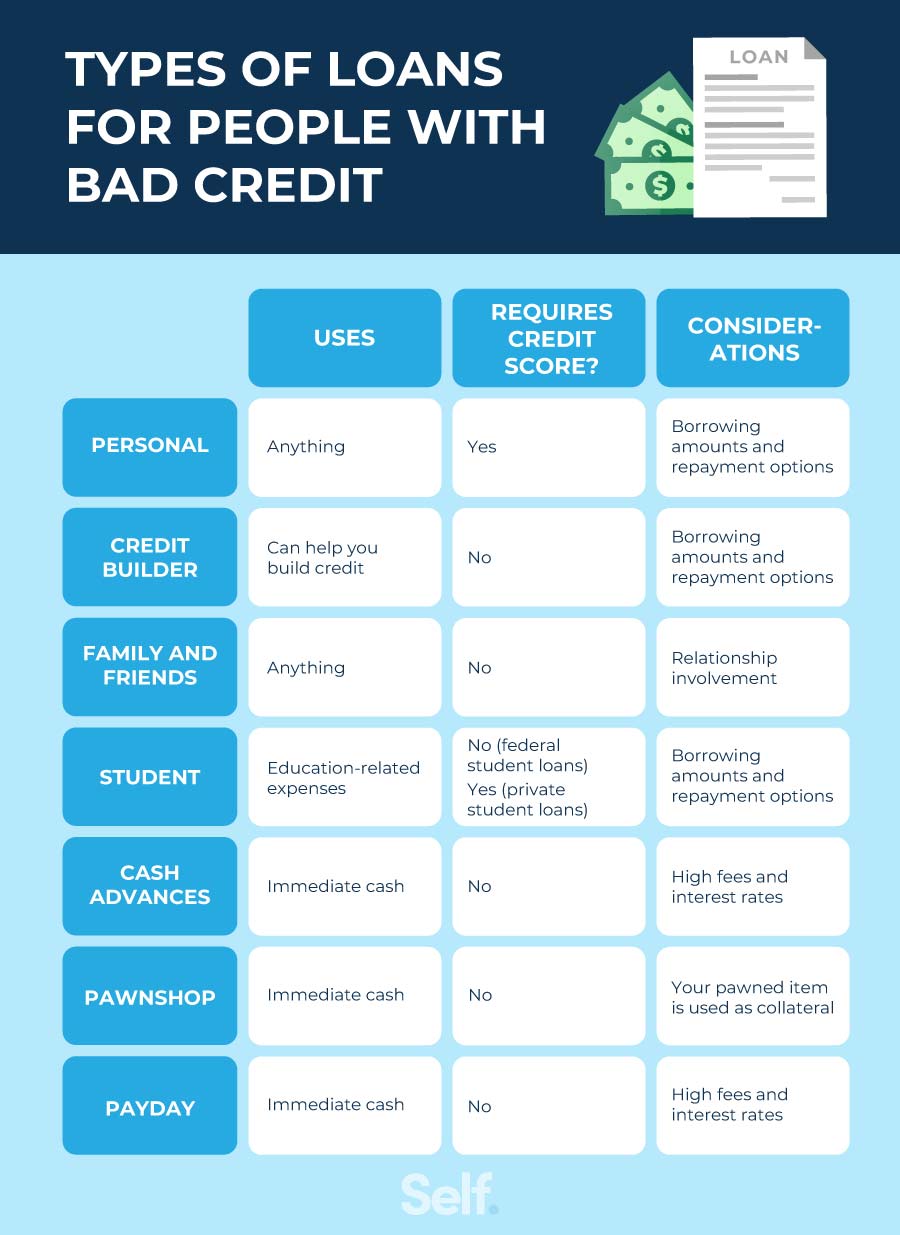
- Credit-Builder Loans: Offered by some credit unions, these loans help you build credit by depositing the loan amount into a savings account while you make payments.
- Secured Credit Cards: Require a cash deposit as collateral but can help improve your credit score with responsible use.
- Auto Title Loans (with extreme caution): While more accessible with bad credit, these loans use your car as collateral, risking repossession if you default. They also carry high interest rates and should be considered a last resort.
B. Credit Unions and Community Banks
- Payday Alternative Loans (PALs): Offered by federal credit unions, PALs are small-dollar loans (up to $2,000) with much lower APRs (capped at 28%) and more reasonable repayment terms than traditional payday or tribal loans.
- Co-signed Loans: If you have a friend or family member with good credit willing to co-sign, you might qualify for a traditional loan with better terms.
C. Peer-to-Peer Lending Platforms
Websites like LendingClub or Prosper connect borrowers with individual investors. While still requiring a credit check, they can be more lenient than banks and offer better rates than tribal loans, even for those with fair credit.
D. Debt Management Plans & Credit Counseling
If you’re facing overwhelming debt, a non-profit credit counseling agency can help you create a budget, negotiate with creditors, and explore debt management plans. This won’t provide immediate cash but can offer a sustainable path to financial stability.
E. Local Assistance Programs
Arizona has various non-profit organizations, charities, and government programs that offer assistance with rent, utilities, food, and medical expenses. Researching these options might provide the relief you need without taking on new debt.
F. Borrowing from Friends or Family
While potentially awkward, borrowing from loved ones often comes with no interest and flexible repayment terms, making it the cheapest option if available. Formalize the agreement to avoid misunderstandings.
VII. Conclusion: Make an Informed Decision
Native American tribal loans offer a unique path to securing funds for individuals in Arizona with bad credit, largely due to their sovereign operating status. While they provide quick access to capital when other avenues are closed, the exceptionally high APRs and limited consumer protections present significant risks.
As a professional guide, the recommendation is always to exhaust all safer, more affordable alternatives before considering a tribal loan. If you do proceed, meticulous research, a thorough understanding of the loan agreement, and a disciplined repayment plan are absolutely essential. An informed decision, backed by a clear understanding of the terms and potential pitfalls, is your best defense against falling into a cycle of high-interest debt. Prioritize your long-term financial health, and approach any lending decision, especially with bad credit, with extreme caution and diligence.


