Sovereign Foundations, Shared Futures: A Review of Native American Housing Programs and Community Land Trusts
The quest for stable, affordable, and culturally appropriate housing is a deeply personal and collective endeavor. For Native American individuals and communities, this quest is often interwoven with unique historical injustices, complex land tenure systems, and the profound desire to preserve cultural identity and self-determination. In this intricate landscape, the Community Land Trust (CLT) model has emerged as a compelling, albeit complex, "product" within Native American housing programs, offering a path toward perpetual affordability and community control.
This review delves into Native American housing programs that are either actively integrating CLTs or exploring their potential, examining the advantages and disadvantages of this approach for individuals seeking to build roots within their communities. We will also provide a "purchase recommendation," reinterpreted for this context as a guide for individuals considering engaging with or advocating for such programs.
The Landscape: A Foundation of Challenges and Resilience
Before examining CLTs, it’s crucial to understand the context of Native American housing. Decades of federal policies, from forced relocation and the allotment act to underfunding of infrastructure, have left many Indigenous communities facing severe housing crises. These include:
- Overcrowding: Many homes house multiple generations, leading to stress on infrastructure and privacy.
- Substandard Conditions: Lack of access to clean water, sanitation, and electricity; dilapidated structures.
- Affordability Gaps: Low-income levels on reservations often make market-rate housing unattainable, and even subsidized housing can be scarce.
- Land Tenure Complexity: The checkerboard pattern of trust land, fee-simple land, and allotted land creates legal and financial hurdles for development and homeownership.
- Limited Development Capacity: Tribal housing authorities often grapple with limited funding, technical expertise, and contractor availability.
Against this backdrop, the Native American Housing Assistance and Self-Determination Act (NAHASDA) of 1996 empowered tribes to develop and implement their own housing strategies, allowing for more culturally relevant and community-specific solutions. It is within this framework of self-determination that CLTs find a potent, yet challenging, space to flourish.
Understanding the "Product": Community Land Trusts in Native Contexts
A Community Land Trust (CLT) is a non-profit organization that owns land permanently, removing it from the speculative market. It then leases that land to individuals or families who own the homes built on it. This separation of land ownership from home ownership creates a perpetually affordable housing model. When a homeowner decides to sell, a resale formula ensures they receive a fair return on their investment, while the next buyer also benefits from the subsidized land price, maintaining affordability for future generations.
In Native American contexts, CLTs can take several forms:
- Tribal CLTs: Directly established and governed by a tribal nation or its housing authority, integrating tribal law and cultural values into its structure.
- Native-Led Non-Profit CLTs: Established by Indigenous-led non-profits working in partnership with tribes or serving off-reservation Native communities.
- Partnerships with Existing CLTs: A tribal entity or Native group partners with an established, often non-Native, CLT to adapt the model for Indigenous needs.
The core principle remains the same: the land is held in trust for the benefit of the community, aligning with many Indigenous philosophies of land stewardship and communal responsibility.
The Advantages: Why CLTs are a Powerful Tool for Native Housing
For individuals seeking stable housing within their community, Native American housing programs utilizing CLTs offer several compelling advantages:
-
Perpetual Affordability and Anti-Speculation: This is the cornerstone benefit. By removing land from the speculative market, CLTs ensure that homes remain affordable for low and moderate-income individuals across generations. For Native communities, this combats the destabilizing effects of market fluctuations and ensures that housing is a right, not just a commodity. Individuals gain access to homeownership without the crushing burden of high land costs.
-
Cultural Preservation and Land Stewardship: The CLT model, with its emphasis on communal land ownership and long-term stewardship, resonates deeply with many Indigenous worldviews that prioritize the land as sacred and a source of life, not merely property to be bought and sold. It provides a legal and organizational framework to protect land from external development pressures, preserve sacred sites, and support traditional land uses (e.g., gardening, foraging). For individuals, living in a CLT community can mean being part of an intentional effort to reconnect with and care for the land.
-
Community Empowerment and Self-Determination: CLTs are typically governed by a board representing the community, residents, and public interest. This democratic governance structure empowers residents to have a direct say in their housing and community development. For Native nations, establishing a tribal CLT is an act of self-determination, allowing them to design housing solutions that align with their specific cultural values, traditions, and priorities, fostering stronger, more resilient communities. Individuals become active participants in shaping their living environment.
-
Intergenerational Wealth Building (Non-Speculative): While CLTs limit speculative gains, they still allow homeowners to build equity and create a stable asset that can be passed down. This stable, non-speculative equity is crucial for families who might otherwise be priced out of homeownership, providing a foundation for economic stability and allowing families to invest in education, health, or small businesses rather than being burdened by ever-increasing housing costs.
-
Protection Against Predatory Practices: In areas where Native lands are interspersed with private fee-simple parcels, CLTs can serve as a bulwark against predatory land sales or development that could displace Indigenous residents or fragment tribal land bases. For individuals, this means greater security in their homeownership.
-
Environmental Sustainability: Many CLTs prioritize sustainable building practices, energy efficiency, and low-impact development. This aligns with Indigenous values of environmental stewardship and can lead to healthier homes and reduced utility costs for residents.
The Disadvantages: Navigating the Complexities
Despite their promise, Native American housing programs utilizing CLTs face significant challenges and potential drawbacks for individuals:
-
Legal and Jurisdictional Complexities (The "Trust Land" Conundrum): This is perhaps the most significant hurdle.
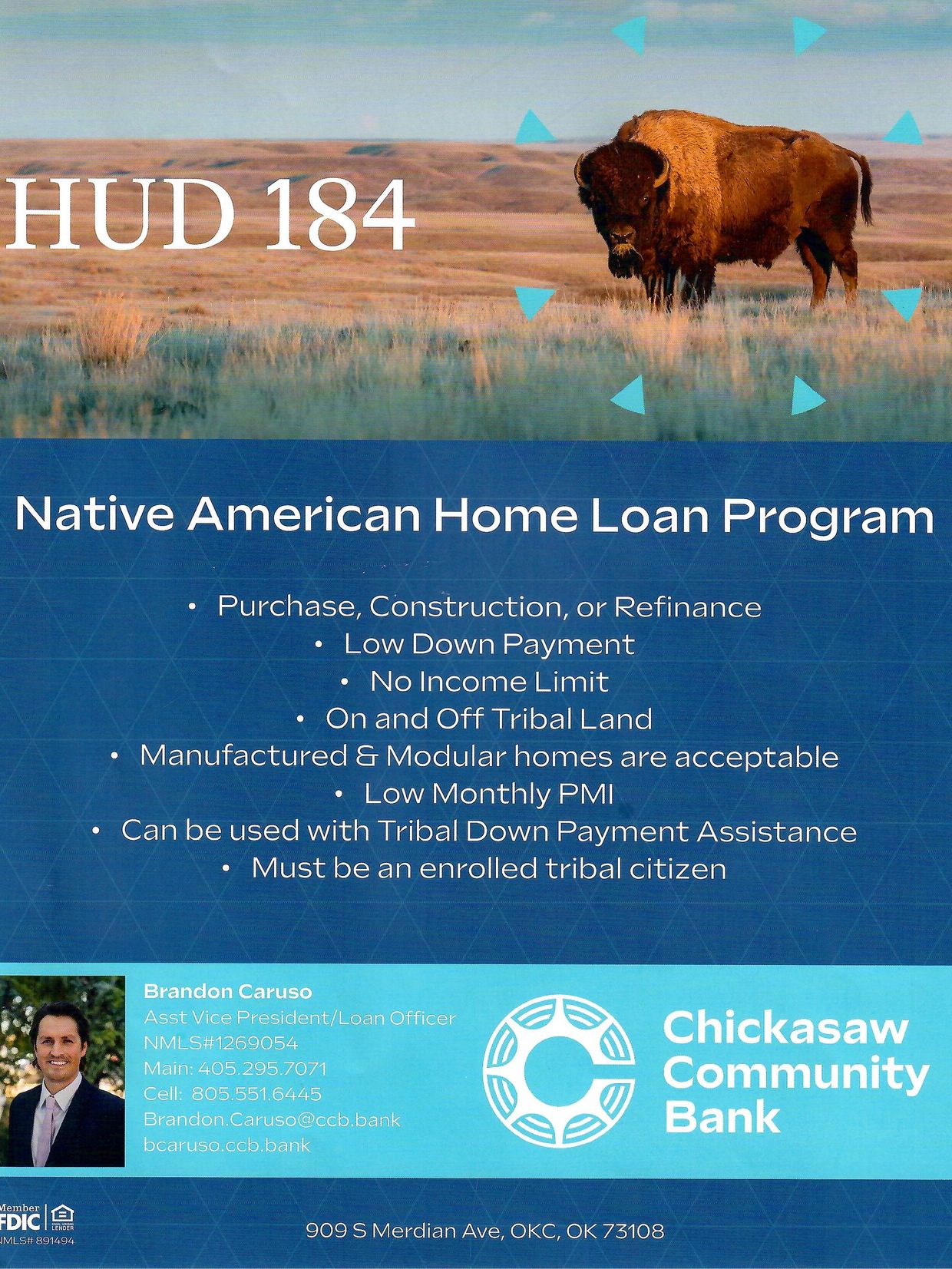
- Trust Land Status: Homes on trust land are not typically eligible for conventional mortgages because the land cannot be alienated or encumbered without federal approval. This makes it difficult for individuals to secure financing for home construction or purchase, even in a CLT model. While programs like the HUD 184 loan exist, they have specific requirements.
- Leasehold Mortgages: While CLTs utilize ground leases, securing mortgages on leasehold interests on trust land remains challenging for lenders unfamiliar with the legal framework.
- Tribal Law vs. State/Federal Law: Navigating the interplay between tribal laws governing land use, federal regulations (e.g., BIA approval for leases on trust land), and state laws can be incredibly complex and time-consuming, hindering development.
- Allotment Issues: Homes on allotted lands, often individually owned but still held in trust, add another layer of complexity for integrating into a communal CLT structure.
-
Funding and Capacity Gaps:
- Start-Up Costs: Establishing a CLT requires significant initial investment in land acquisition (if not using existing tribal land), legal fees, organizational development, and staff training.
- Ongoing Operations: Managing a CLT requires ongoing administrative, legal, and financial expertise, which can strain the limited resources and capacity of many tribal housing authorities or small Native non-profits.
- Limited Access to Capital: Traditional philanthropic and government funding streams for CLTs may not be tailored to the unique needs and complexities of Native communities.
-
Limited Availability and Scalability: Native American CLTs are still a relatively nascent movement. There are only a handful of well-established tribal CLTs or Native-led CLTs, meaning that for most individuals, the option simply doesn’t exist in their community yet. Scaling these initiatives across diverse tribal nations, each with unique governance structures and land issues, is a massive undertaking.
-
Cultural Fit and Individual Preferences: While the communal aspect resonates with many, some individuals may prefer the full, fee-simple ownership model, where they have complete control over the land and can realize full market appreciation. The shared equity model, with its limits on speculative gain, might not appeal to everyone, particularly those who see their home primarily as an investment vehicle. The long-term ground lease can also be perceived as a limitation on full ownership.
-
Infrastructure and Remote Location Challenges: Many Native communities are in remote, rural areas lacking basic infrastructure (roads, water, sewer, broadband). Even with a CLT, the fundamental costs and logistical challenges of developing housing in these areas remain high, making construction expensive and slow.
-
Complexity for Homeowners: Understanding the ground lease, resale formula, and the rights and responsibilities within a CLT requires homeowner education. For individuals unfamiliar with these concepts, it can be a steep learning curve compared to traditional homeownership.
The "Purchase Recommendation": Guidance for Individuals
For Native American individuals seeking stable, affordable housing, or those interested in community-led development, engaging with programs that utilize CLTs can be a deeply rewarding path. However, it requires careful consideration and due diligence. Here’s a "purchase recommendation" guide:
Overall Verdict: A Promising but Complex Path, Requiring Patience and Engagement.
Native American housing programs integrating CLTs are not a magic bullet, but they represent a powerful, culturally aligned solution to systemic housing challenges. For the right individual and community, they offer unparalleled benefits in terms of affordability, stability, and cultural preservation.
Recommendations for Individuals Considering a Native American CLT Home:
-
Do Your Research – Understand the Model:
- CLT Principles: Ensure you fully grasp how a CLT works: separation of land and home, ground lease, resale formula, community governance.
- Program Specifics: Each Native CLT will have unique bylaws, ground lease terms, and eligibility criteria. Understand these intimately. What is the length of the lease? What are the renewal terms? What are the specific resale restrictions?
-
Assess Your Comfort with Shared Equity:
- Are you comfortable with building equity that is limited by a resale formula, prioritizing affordability for future generations over maximizing personal profit? If your primary goal is speculative wealth accumulation through real estate, a CLT might not be the best fit. If your goal is stable, affordable, long-term housing and community investment, it’s an excellent option.
-
Engage with the Community and Governance:
- Active Participation: CLTs thrive on community engagement. Are you willing to participate in governance, homeowner meetings, and community initiatives? This is often a requirement and a benefit of the model.
- Cultural Alignment: Does the CLT program truly reflect the values and traditions of your community? This is crucial for its long-term success and your satisfaction.
-
Understand the Financial and Legal Realities:
- Financing Options: Inquire about available financing. Are there specific tribal loan programs, HUD 184 options, or partnerships with credit unions that understand leasehold mortgages on tribal lands? Be prepared for potentially fewer traditional mortgage options.
- Legal Review: Seek independent legal counsel (preferably someone experienced with tribal law and real estate) to review the ground lease and all associated documents before committing. Understand your rights and responsibilities.
-
Evaluate the CLT’s Strength and Sustainability:
- Organizational Capacity: Does the CLT have a strong, transparent governance structure? Is it adequately staffed and funded? A well-managed CLT is key to your long-term security.
- Track Record: If possible, speak to current homeowners within the program to understand their experiences.
- Long-Term Vision: Does the CLT have a clear vision for its future growth, maintenance, and community development?
-
Be Patient and Persistent:
- Developing and implementing Native American CLTs is a complex, long-term process. Availability may be limited, and waiting lists can be long. Be prepared for a potentially longer journey than traditional homeownership.
Conclusion
Native American housing programs integrating Community Land Trusts offer a profoundly hopeful and culturally resonant pathway to addressing the deep-seated housing challenges faced by Indigenous communities. They provide a mechanism for perpetual affordability, robust community control, and a return to Indigenous principles of land stewardship.
However, the "product" comes with inherent complexities, particularly concerning land tenure, financing, and organizational capacity. For individuals, engaging with these programs demands a thorough understanding of the CLT model, a willingness to embrace shared equity and community participation, and a readiness to navigate unique legal and financial landscapes.
Ultimately, the choice to pursue housing through a Native American CLT program is a commitment not just to a home, but to a shared future – a future where self-determination, cultural preservation, and equitable access to housing are not just aspirations, but lived realities. As more tribes and Native organizations explore and implement this model, its potential to transform lives and communities across Indian Country becomes increasingly clear, making it a "purchase" (or rather, an investment) worthy of serious consideration and unwavering support.


