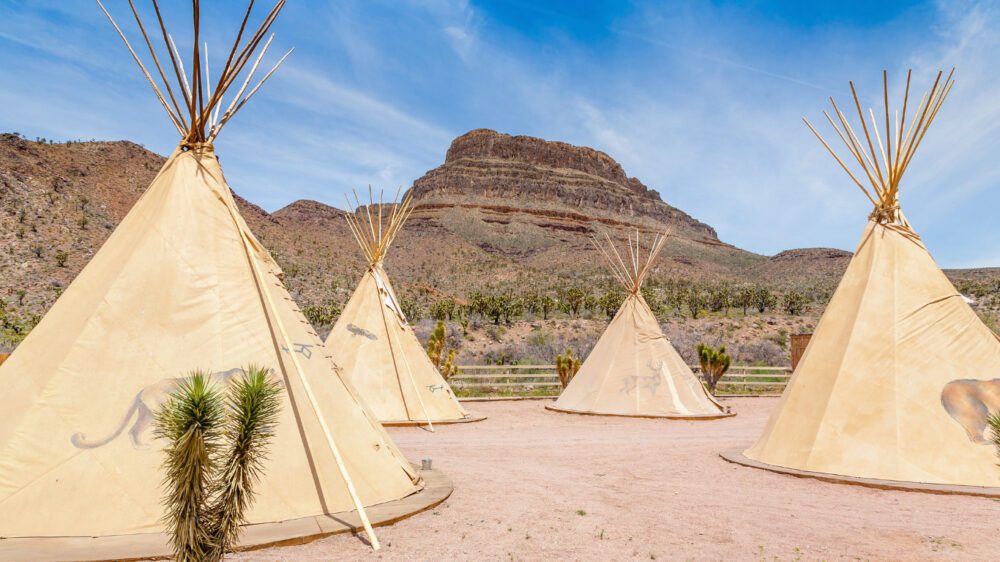
A Deep Dive into Native American Housing Programs: A Tiny Home Enthusiast’s Guide
For many, the allure of tiny home living is undeniable: a minimalist lifestyle, reduced environmental footprint, financial freedom, and a return to simpler times. But finding the right piece of land, navigating zoning laws, and securing infrastructure can be formidable hurdles. What if there was a path that not only offered potential solutions to these challenges but also an opportunity for deep cultural connection and community building?
Enter Native American housing programs. While not explicitly designed as "tiny home programs," these initiatives, often administered by Tribal Housing Authorities (THAs) and supported by federal programs like the Native American Housing Assistance and Self-Determination Act (NAHASDA), offer a unique and complex landscape that might appeal to a very specific subset of tiny home enthusiasts. This comprehensive review will explore the "product" – the potential pathway offered by engaging with Native American housing programs – examining its advantages, disadvantages, and offering critical recommendations for those considering this deeply nuanced journey.
Understanding the "Product": Native American Housing Programs
Before diving into the specifics, it’s crucial to understand what these programs are and, more importantly, what they are not. Native American housing programs are primarily designed to address the severe housing disparities faced by Indigenous communities across the United States. They aim to provide safe, decent, and affordable housing for Native Americans and Alaska Natives on tribal lands, fostering self-determination and economic development.
The "product" we are evaluating here is not a pre-packaged tiny home solution. Instead, it’s the framework, the opportunity, and the potential support system that tribal governments and their housing authorities might offer to individuals – predominantly tribal members – interested in establishing a tiny home on tribal lands. This could involve access to land (often through leases or allotments rather than outright purchase), infrastructure development, technical assistance, and sometimes even direct financial aid for housing construction or renovation.
Key Offerings and How They Intersect with Tiny Homes:
- Land Access: Tribal lands are unique. They are often held in trust by the federal government for the benefit of the tribe, or as individually allotted lands. This means traditional land purchase models don’t apply. THAs can facilitate long-term leases or assignments of land for housing, potentially reducing the initial barrier of land acquisition cost – a major factor for tiny home dwellers.
- Community & Cultural Context: For tribal members, this offers an unparalleled opportunity to live within their ancestral lands, connect with their culture, and contribute to their community. For non-members (a rare and highly specific scenario, discussed below), it presents a chance for cultural immersion, though this must be approached with utmost respect and understanding.
- Infrastructure Development: Many tribal lands are rural and remote, lacking basic infrastructure. THAs often work on developing roads, water, sewer, and electrical systems, which could be extended to support tiny home developments.
- Technical Assistance & Support: THAs can provide guidance on tribal building codes (which may differ from state/county codes), land use planning, and navigating funding opportunities.
- Funding Opportunities: While not tiny-home specific, NAHASDA funds and other grants can be used for new home construction, renovation, or infrastructure improvements, which could potentially be applied to a tiny home project if it meets the tribe’s housing standards and the individual’s eligibility.
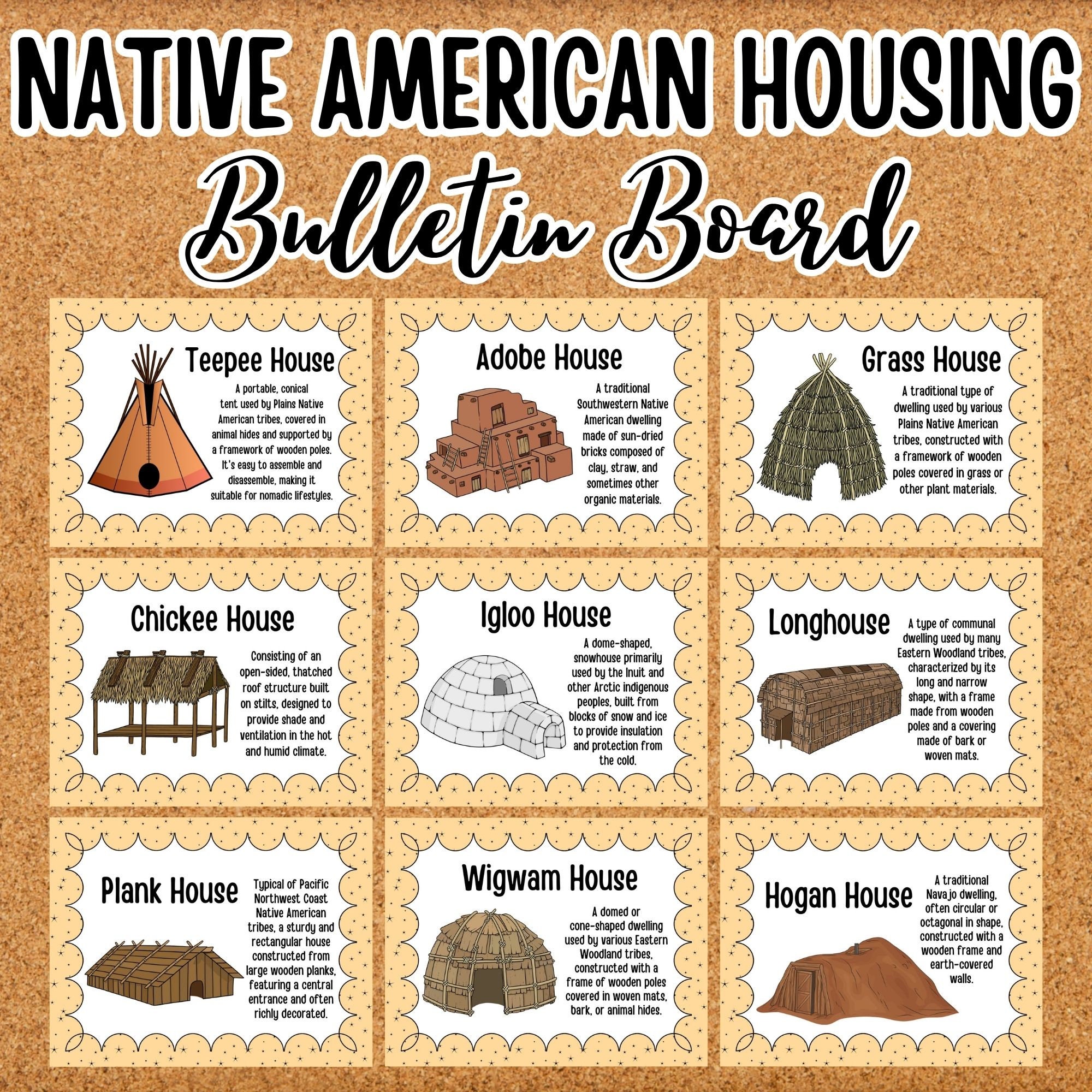
Pros: The Allure for Tiny Home Enthusiasts
For the right individual, particularly tribal members, engaging with Native American housing programs for a tiny home project presents several compelling advantages:
- Access to Affordable Land: One of the biggest hurdles for tiny home owners is finding a legal and affordable place to park or build. Tribal land assignments or long-term leases can significantly reduce the upfront and ongoing costs associated with land, making tiny living more financially accessible.
- Cultural Immersion and Community: For tribal members, this is an invaluable opportunity to live within their cultural landscape, strengthen family ties, and contribute to their community’s well-being. Even for the rare non-member, the potential for genuine cultural exchange and community engagement, if respectfully sought, can be profoundly enriching.
- Emphasis on Sustainability and Self-Sufficiency: Many Indigenous cultures hold strong values regarding environmental stewardship, living in harmony with nature, and self-sufficiency. These values align perfectly with the ethos of tiny home living, particularly off-grid or sustainable designs. This alignment can foster innovative, culturally appropriate tiny home solutions.
- Potentially Flexible Building Codes: Tribal sovereignty means that tribes can establish their own building codes and zoning regulations, which may be more flexible or adaptable to tiny home designs than restrictive municipal codes. This can open doors for unique architectural solutions that might not be possible elsewhere.
- Support for Infrastructure Development: THAs often undertake large-scale infrastructure projects. A well-planned tiny home community or individual placement could potentially benefit from existing or planned tribal water, sewer, and electrical hookups, alleviating some of the common off-grid challenges.
- Holistic Approach to Housing: Unlike purely transactional housing markets, tribal housing often considers the broader social, cultural, and economic well-being of its residents. This can mean access to other tribal services, educational programs, and community initiatives that support a holistic lifestyle.
- Opportunity for Innovation: There’s immense potential to blend traditional Indigenous architectural principles and sustainable practices with modern tiny home design, creating unique and culturally resonant living spaces.
Cons: The Challenges and Critical Considerations
While the potential benefits are significant, the pathway through Native American housing programs is fraught with complexities and limitations that must be understood:
- Strict Eligibility Requirements (The Biggest Hurdle): The most significant barrier is that these programs are overwhelmingly for enrolled members of federally recognized tribes, and often specifically for members of the tribe on whose lands the housing is located. For non-tribal members, the opportunities are virtually non-existent for direct housing assistance or land allocation. This is not a general solution for the tiny home movement.
- Land Tenure Complexity: Tribal lands involve a unique legal framework. Land is often held in trust, allotted, or communally owned. This means you typically won’t "own" the land in fee simple, but rather secure a lease or an assignment. Understanding these differences, including heirship land issues, can be incredibly complex and requires legal expertise.
- Remote Locations and Infrastructure Gaps: Many tribal lands are in rural or remote areas, meaning access to existing utilities (water, sewer, electricity, internet) can be sparse, expensive to extend, or non-existent. This might necessitate a truly off-grid tiny home, which comes with its own set of challenges and costs.
- Bureaucracy and Timelines: Navigating tribal, federal, and sometimes state/county regulations can be a lengthy and intricate process. Decision-making can be slow, requiring patience and persistence.
- Funding Limitations: NAHASDA funds, while substantial, are often insufficient to meet the vast housing needs of tribal communities. Competition for resources can be high, and tiny homes may not be prioritized over conventional family housing.
- Limited "Tiny Home Specific" Programs: Most THAs focus on conventional housing construction. While a tiny home could fit within a tribe’s general housing standards, there may not be specific policies or programs tailored to tiny houses, requiring individuals to advocate for their specific vision.
- Cultural Sensitivity and Integration: For anyone, but especially non-tribal members (if such an opportunity ever arose), approaching a tribal community requires immense cultural sensitivity, humility, and a genuine desire to learn and integrate respectfully. It’s not about imposing an external lifestyle but finding ways to contribute positively.
- Access to Services and Employment: Remote locations often mean limited access to healthcare, education, shopping, and employment opportunities. Tiny home enthusiasts must consider the broader implications of living in such areas.
- Variability Between Tribes: Each of the 574 federally recognized tribes is a sovereign nation with its own laws, customs, and housing programs. What applies to one tribe may not apply to another. Thorough, individualized research is paramount.
Recommendations for "Purchase" (Engagement/Participation)
Considering the profound complexities, the "purchase recommendation" for engaging with Native American housing programs for a tiny home endeavor is highly specific and nuanced.
For Enrolled Tribal Members (The Primary Audience):
- 1. Contact Your Tribal Housing Authority (THA) FIRST: This is your absolute starting point. Do not make assumptions. Inquire about their housing programs, land assignment policies, and any specific considerations for smaller, alternative housing units. They are your primary resource and guide.
- 2. Research Tribal Specifics: Understand your tribe’s land tenure system (trust, allotted, fee simple), building codes, and any unique cultural or environmental considerations that might influence your tiny home design.
- 3. Be Prepared for a Comprehensive Application Process: Gather all necessary documentation and be ready to articulate your housing plan clearly, demonstrating how it aligns with tribal goals and standards.
- 4. Advocate for Tiny Home Policies: If your tribe doesn’t have specific policies for tiny homes, consider presenting a well-researched proposal that highlights the benefits (affordability, sustainability, cultural fit) and addresses potential concerns.
- 5. Consider Community Models: Explore the possibility of developing small tiny home communities or clusters within your tribe, which could share infrastructure and foster mutual support, making the project more viable.
- 6. Explore Funding Beyond THA: Look into personal loans, grants from non-profits supporting Indigenous housing, and potential state programs that might complement tribal assistance.
- 7. Embrace Off-Grid Solutions: Given potential infrastructure gaps, plan for solar power, rainwater harvesting, composting toilets, and other sustainable systems to increase self-sufficiency.
For Non-Tribal Members (A Highly Unlikely and Specific Scenario):
- 1. Understand the Improbability: It is extremely unlikely that a non-tribal member would be able to access tribal housing programs or land for a personal tiny home. These resources are critically needed by tribal members.
- 2. Respect Boundaries: Do not approach tribal communities with the expectation of land or housing. This can be seen as disrespectful and extractive.
- 3. Seek Partnership in Broader Contexts (Not Housing): If you possess specific skills (e.g., sustainable architecture, renewable energy, community planning) and wish to support Indigenous communities, explore opportunities for partnership on broader economic development, environmental, or educational initiatives, not personal housing. This would involve working for or with a tribe on a community project, which might include tiny homes as a solution for tribal members, but not for yourself.
- 4. Support Indigenous-Led Initiatives: If you are passionate about Indigenous self-determination and sustainable housing, support organizations that work directly with tribal communities on housing and development.
General Recommendation for All Interested Parties:
- Patience and Persistence are Key: This is not a quick or easy path. Be prepared for a long journey, potential setbacks, and the need for continuous learning.
- Cultural Humility: Approach all interactions with respect, a willingness to listen, and a genuine desire to understand and adapt.
- Do Your Due Diligence: Thoroughly research all aspects – legal, financial, cultural, and logistical – before making any commitments.
Conclusion
The intersection of Native American housing programs and the tiny home movement is a powerful, yet profoundly nuanced, space. For enrolled tribal members, it represents a significant and potentially transformative opportunity to embrace a sustainable lifestyle on their ancestral lands, supported by their community and tribal government. The "product" in this context is the invaluable framework and potential assistance that can turn a tiny home dream into a culturally rich reality.
However, for non-tribal members, it is crucial to understand that these programs are not a viable pathway for personal tiny home placement. To approach tribal lands with such an expectation would be to misunderstand the very purpose and history of these vital initiatives.
Ultimately, the successful integration of tiny homes within Native American communities will be driven by Indigenous self-determination, culturally appropriate design, sustainable practices, and innovative solutions that honor tradition while embracing modern needs. For those who are eligible and willing to navigate its complexities with respect and dedication, this path offers not just a house, but a home deeply rooted in culture, community, and land.


