
Community & Coexistence: A Review of Shared Housing Programs in Native American Communities
In the diverse and vibrant landscape of Native American communities across the United States, housing is far more than just shelter; it is a foundation for culture, family, and sovereignty. Yet, these communities often face unique and pressing housing challenges, stemming from historical injustices, economic disparities, and geographical isolation. While single-family homes remain a prevalent ideal, a growing number of tribal housing authorities and community initiatives are exploring and implementing shared housing programs as a pragmatic, culturally resonant, and economically viable solution.
This review examines shared housing programs within Native American contexts as a "product" – a structured living arrangement designed to meet specific needs – for individuals interested in communal living. We will delve into its core features, weigh its significant advantages and potential drawbacks, and offer comprehensive recommendations for both prospective residents and program developers.
Understanding the Landscape: The Context of Native American Housing
Before diving into shared housing, it’s crucial to understand the unique challenges faced by Native American communities. For centuries, federal policies have systematically undermined Indigenous self-sufficiency, leading to chronic underfunding of essential infrastructure, including housing. Today, many reservations grapple with:

- Severe Housing Shortages: Overcrowding, substandard housing conditions, and homelessness are rampant.
- Economic Disparities: High rates of poverty limit access to conventional housing markets.
- Infrastructure Deficiencies: Lack of adequate roads, water, sanitation, and electricity on trust lands.
- Land Tenure Issues: Complex land ownership (trust land vs. fee simple) complicates development and financing.
- Cultural Preservation: A desire to build housing that respects traditional values, intergenerational living, and community cohesion.
The Native American Housing Assistance and Self-Determination Act (NAHASDA) of 1996 empowers tribal governments to develop and implement their own housing programs, fostering self-determination and culturally appropriate solutions. It is within this framework that shared housing models are emerging as innovative responses to enduring needs.
The "Product" Defined: Shared Housing in Native American Programs
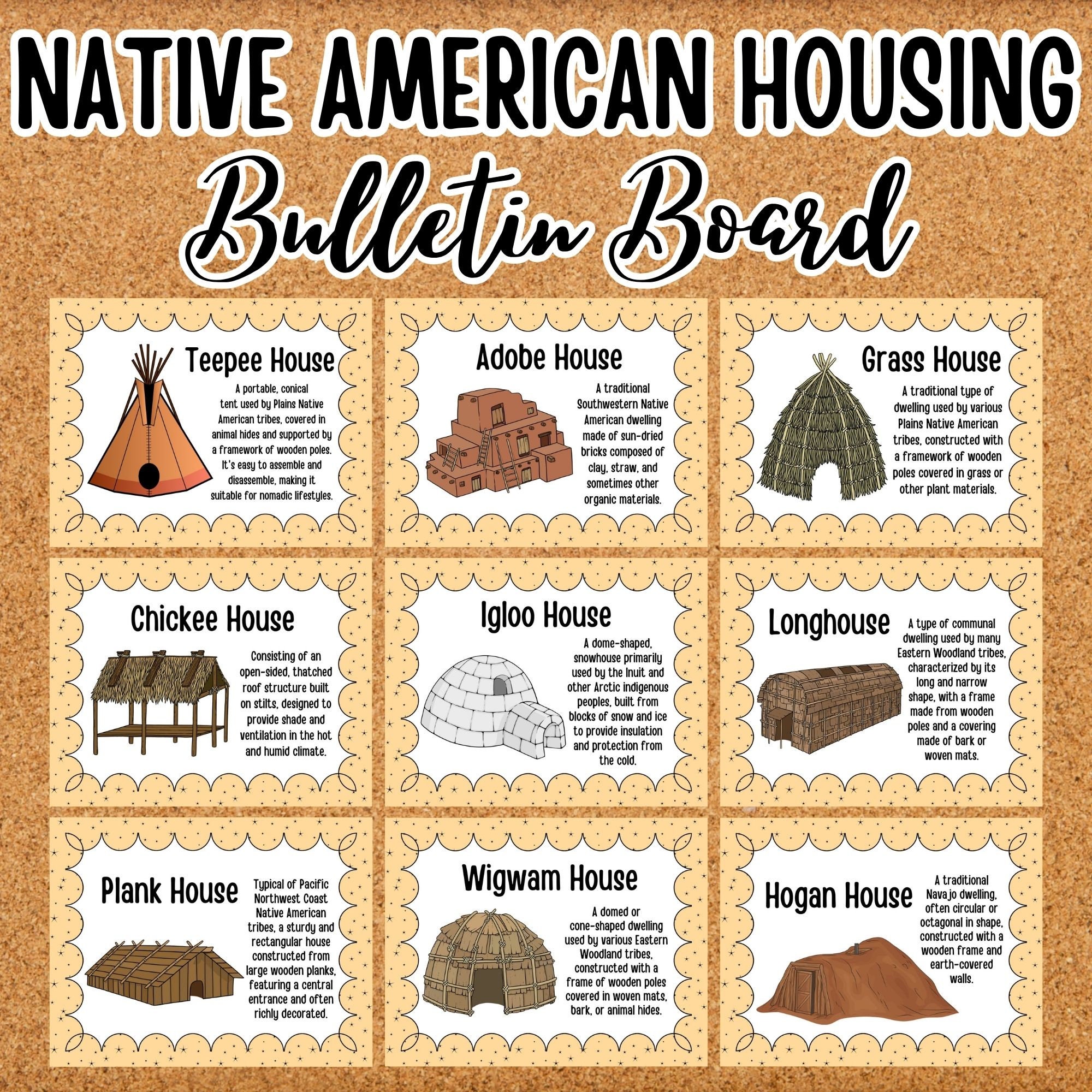
Unlike generic roommate-matching services, shared housing programs in Native American communities are often designed with specific cultural and social objectives in mind. They are not a single, monolithic program but rather a diverse set of approaches that can include:
- Intergenerational Housing: Elders living with younger families or individuals, fostering knowledge transfer and mutual support.
- Transitional Housing: For individuals or families in crisis, recovering from addiction, or transitioning out of homelessness.
- Student/Professional Housing: For those attending tribal colleges or working on the reservation, often from outside the immediate community.
- Elder Cohousing: Seniors living together for companionship, shared responsibilities, and mutual care.
- Family-Based Communal Living: Extended family units sharing larger homes or clustered dwellings.
The common thread is the intentional sharing of living spaces, resources, and responsibilities, often managed or facilitated by tribal housing authorities, non-profits, or community organizations.
Key Features of Native American Shared Housing Programs
- Affordability: This is often the primary driver. By sharing rent, utilities, and household expenses, individuals can access housing at a significantly lower cost than independent living.
- Community & Support Network: These programs inherently build social connections, combating isolation and providing a built-in support system for residents.
- Cultural Resonance: Many programs are designed to reflect Indigenous values of communal living, intergenerational respect, and collective responsibility.
- Resource Optimization: Efficient use of existing housing stock and infrastructure, reducing the demand for new construction and utilities.
- Safety & Security: Living with others can provide a greater sense of security, especially for vulnerable populations like elders or single parents.
- Skill & Knowledge Sharing: Particularly in intergenerational models, elders can share traditional knowledge, language, and life skills, while younger residents might assist with modern technologies or physical tasks.
Advantages (Pros) of Shared Housing Programs
For individuals considering shared housing within a Native American community, the benefits are compelling:
- Economic Relief: In areas where affordable housing is scarce and incomes are often low, shared housing drastically reduces living expenses. This frees up financial resources for other necessities like food, healthcare, education, or cultural activities.
- Enhanced Social Well-being: The built-in community aspect is invaluable. Residents experience reduced loneliness and isolation, improved mental health, and a strong sense of belonging. For elders, it means companionship and assistance; for younger individuals, mentorship and extended family support.
- Cultural Preservation and Revitalization: Intergenerational shared housing provides a natural environment for the transmission of language, stories, ceremonies, and traditional practices. It strengthens cultural identity and ensures knowledge is passed down.
- Increased Safety and Security: Living with others provides mutual oversight and assistance, which can be particularly beneficial in remote areas or for individuals with specific needs. There’s comfort in knowing someone is there.
- Access to Support Services: Many shared housing programs are linked with tribal services (e.g., elder care, youth programs, health clinics), providing residents with easier access to vital support.
- Sustainable Living: Sharing resources (heating, cooling, water) reduces individual environmental footprints and promotes a more sustainable approach to community development.
- Flexibility and Adaptability: These programs can be tailored to specific community needs, whether it’s housing for students, elders, or families in transition, making them highly adaptable solutions.
Disadvantages (Cons) of Shared Housing Programs
While the benefits are significant, shared housing is not without its challenges, and individuals must be prepared for potential drawbacks:
- Privacy Concerns: Sharing living spaces inherently means less personal privacy. Differing schedules, noise levels, and the constant presence of others can be a significant adjustment for those accustomed to independent living.
- Potential for Conflict: Personality clashes, differing lifestyles, varying cleanliness standards, and disagreements over shared responsibilities are common in any shared living situation. Without effective mediation or clear guidelines, these can escalate.
- Loss of Autonomy: Decisions regarding shared spaces (e.g., thermostat settings, guest policies, common area decor) often require compromise, which can feel like a loss of individual control.
- Limited Availability and Awareness: While growing, these programs are not universally available across all Native American communities. Information about existing opportunities can also be hard to find.
- Program Design and Management Issues: Poorly designed programs lack clear rules, dispute resolution mechanisms, or adequate support staff. Inadequate funding can also impact the quality of housing and services.
- Cultural Nuances vs. Individual Needs: While aiming for cultural resonance, a "one-size-fits-all" approach can sometimes overlook individual preferences or needs within the broader cultural framework. Balancing communal values with personal space is key.
- Stigma: In some contexts, shared housing, especially transitional or subsidized models, can carry a stigma of poverty or dependency, which may deter potential residents.
Who is This "Product" For? (Target Audience)
Shared housing programs in Native American communities are particularly well-suited for:
- Elders: Seeking companionship, assistance with daily tasks, and a secure environment where they can share their wisdom and cultural knowledge.
- Young Professionals & Students: Looking for affordable housing while pursuing education or early career opportunities on or near their tribal lands.
- Single Parents: Benefiting from shared childcare responsibilities, mutual support, and reduced financial burden.
- Individuals in Transition: Those recovering from substance abuse, experiencing homelessness, or rebuilding their lives, who need a stable, supportive environment.
- Community-Minded Individuals: Anyone who values social connection, collective well-being, and contributing to a stronger community over absolute personal solitude.
- Individuals Facing Housing Insecurity: As a primary solution to address the critical lack of affordable and safe housing.
Recommendations: Navigating Shared Housing in Native American Communities
For individuals considering shared housing, and for tribal housing authorities developing these programs, here are comprehensive recommendations:
For the Prospective Resident:
-
Do Your Research:
- Contact Your Tribal Housing Authority: This is your first and most important step. Inquire about existing shared housing programs, eligibility requirements, and application processes.
- Understand the Specific Program: Not all shared housing is the same. Clarify whether it’s intergenerational, elder-focused, transitional, etc., and what the program’s specific goals are.
- Visit the Site (If Possible): If you can, visit the shared living space and meet potential housemates or current residents to get a feel for the environment and dynamics.
-
Self-Assess Your Needs and Expectations:
- Be Honest About Privacy: Can you genuinely thrive in a less private environment? How much personal space do you truly need?
- Consider Your Lifestyle: Are you an early riser or a night owl? Do you have many guests? Are you tidy or more relaxed? Reflect on how your habits might align or conflict with others.
- Embrace Community: Be prepared to contribute to the household, engage with others, and participate in shared activities. A mindset of collaboration is crucial.
-
Ask Key Questions:
- Rules and Guidelines: Are there clear rules regarding chores, guests, quiet hours, and shared expenses?
- Conflict Resolution: What is the process for addressing disagreements or issues between residents? Is there a mediator or program staff available?
- Support Services: What additional support (e.g., counseling, elder care, cultural programming) is offered?
- Exit Strategy: What happens if the arrangement doesn’t work out for you or the program?
-
Communicate Openly:
- Set Expectations Early: During the application process or interviews, be open about your preferences, habits, and boundaries.
- Practice Active Listening: Be prepared to listen to the needs and concerns of your potential housemates.
- Address Issues Promptly: Don’t let small annoyances fester. Address concerns respectfully and directly, or seek mediation if needed.
For Tribal Housing Authorities & Program Developers:
-
Conduct Thorough Community Needs Assessments:
- Engage community members, elders, youth, and families to understand specific housing needs, preferences, and cultural values that should inform program design.
- Identify target populations (e.g., homeless veterans, college students, isolated elders).
-
Design Culturally Responsive Programs:
- Incorporate Indigenous architectural principles, community layouts, and shared spaces that reflect traditional gathering places.
- Prioritize intergenerational components where appropriate, facilitating cultural knowledge transfer.
- Ensure program values align with tribal values of reciprocity, respect, and collective responsibility.
-
Develop Clear Policies and Procedures:
- Establish transparent resident agreements, outlining responsibilities, financial contributions, conflict resolution processes, and privacy expectations.
- Implement robust screening processes to ensure compatibility among residents.
- Create a system for regular check-ins and resident feedback.
-
Provide Robust Support Services:
- Offer mediation services to resolve conflicts.
- Connect residents with relevant tribal services (healthcare, mental health, employment assistance, cultural programs).
- Consider dedicated program staff who can manage the property, facilitate community building, and act as a resource for residents.
-
Secure Sustainable Funding:
- Leverage NAHASDA funds effectively, but also explore grants from federal agencies (HUD, USDA), private foundations, and tribal enterprises.
- Develop financial models that ensure long-term viability and affordability for residents.
-
Educate and Promote:
- Actively educate the community about the benefits and nature of shared housing to reduce potential stigma and increase awareness.
- Showcase success stories and positive impacts on residents’ lives.
Conclusion
Shared housing programs in Native American communities represent a powerful and evolving "product" in the fight against housing insecurity and social isolation. They are not merely about dividing rent; they are about strengthening community bonds, preserving cultural heritage, and fostering environments of mutual support and resilience.
While the inherent challenges of shared living – primarily privacy and potential conflict – require careful consideration and robust program design, the overwhelming advantages of affordability, social connection, and cultural revitalization make these initiatives incredibly valuable. For the individual seeking a sense of belonging, financial relief, and an opportunity to live in harmony with community and culture, shared housing within a Native American context offers a profound and deeply meaningful alternative to conventional living. With thoughtful planning, clear communication, and a commitment to Indigenous values, these programs can continue to empower individuals and fortify the very fabric of tribal nations.


