A Critical Review: Native American Housing Assistance for Individuals with Mental Health Challenges
Introduction: The Intersection of Housing, Healing, and Heritage
The intersection of housing instability and mental health challenges presents a formidable barrier to well-being for any population. However, for Native American individuals, these issues are compounded by a complex tapestry of historical trauma, systemic inequities, cultural disconnects, and a persistent lack of resources. Indigenous communities across the United States and Canada experience disproportionately high rates of mental health conditions, including PTSD, depression, anxiety, and substance use disorders, often stemming from intergenerational trauma, forced assimilation, land dispossession, and ongoing discrimination. Simultaneously, many Native communities, particularly those on reservations, face severe housing crises characterized by overcrowding, substandard conditions, and homelessness.
This article provides a critical review of the current landscape of housing assistance programs and initiatives aimed at supporting Native American individuals grappling with mental health challenges. While not a "product" in the traditional sense, these programs and policies constitute a vital system of support that can be analyzed for its efficacy, strengths, weaknesses, and potential for improvement. Our aim is to dissect the multifaceted nature of this assistance, acknowledging its profound importance while also highlighting areas where it falls short, ultimately offering recommendations for a more robust, equitable, and culturally responsive future.
The Landscape of Need: Understanding the Context
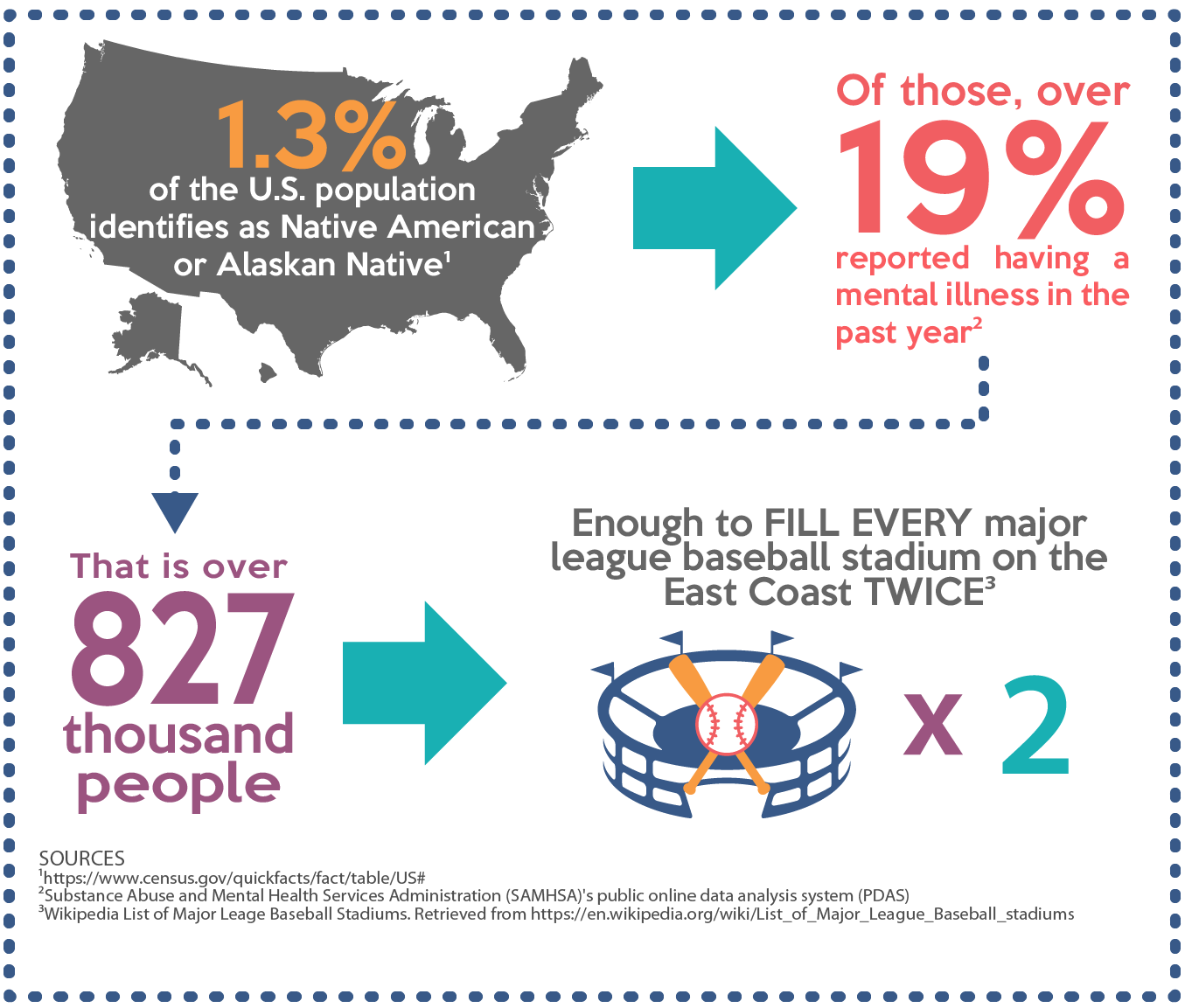
To fully appreciate the scope and complexity of Native American housing assistance for mental health, one must first understand the profound context of need. Historical policies, such as the forced removal of tribes, the establishment of reservations, and the traumatic legacy of boarding schools, have had devastating, intergenerational impacts on Indigenous communities. These historical traumas manifest today as elevated rates of poverty, unemployment, substance abuse, and mental health conditions.
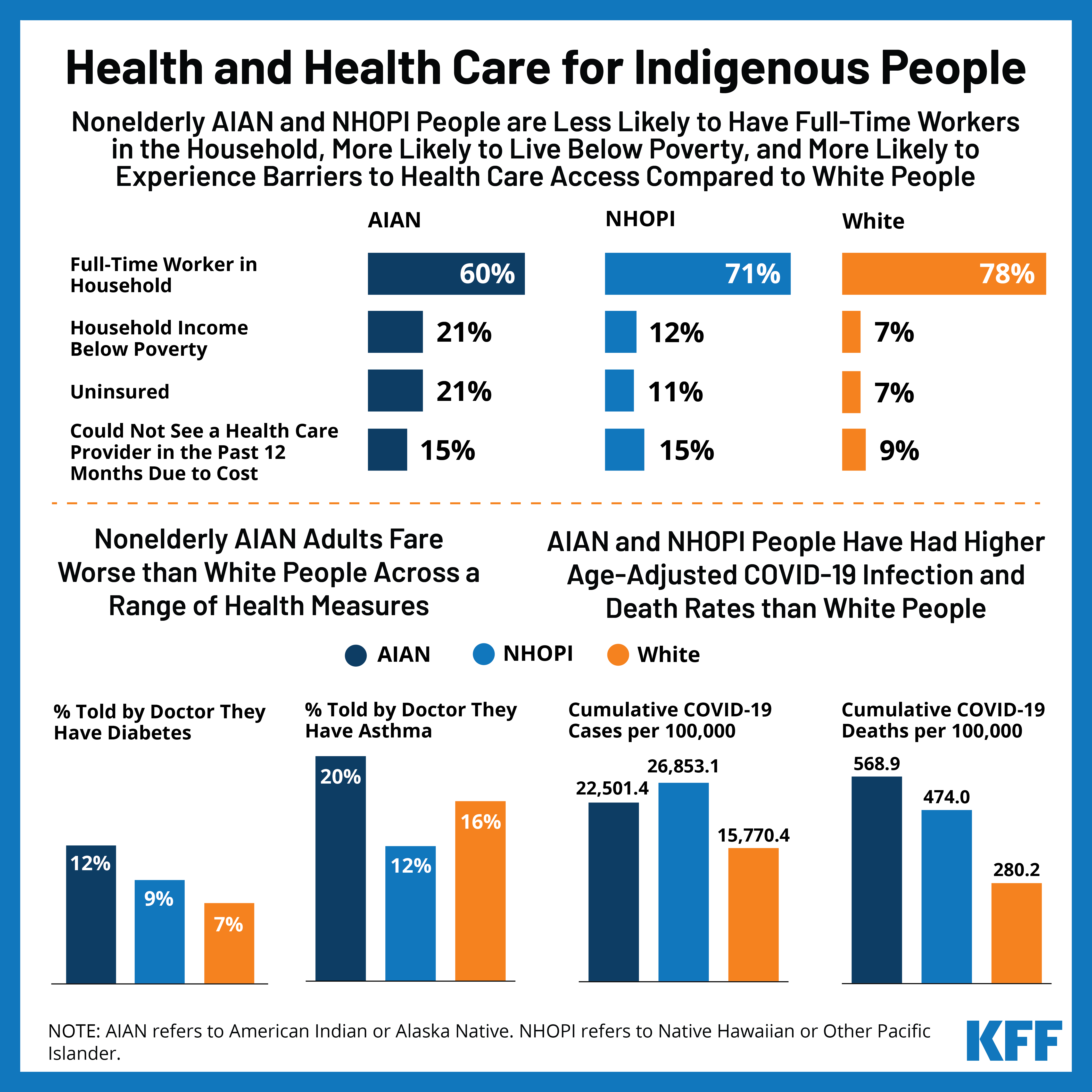
Data consistently show that Native Americans experience homelessness at rates significantly higher than the general population. For individuals also living with mental health conditions, stable housing is not merely a shelter; it is a foundational prerequisite for recovery, access to consistent care, and overall stability. Without a safe and secure home, managing mental illness becomes an almost impossible task, leading to cycles of crisis, hospitalization, and further marginalization.
Existing assistance mechanisms broadly fall under categories such as federal funding streams (e.g., the Native American Housing Assistance and Self-Determination Act – NAHASDA), tribal housing authorities, urban Indian organizations, and various non-profit initiatives. The effectiveness of these "products" (programs and systems) is deeply tied to their ability to navigate and mitigate the unique socio-cultural, economic, and geographic challenges faced by Native communities.
Key Components of Native American Housing Assistance
Housing assistance for Native Americans with mental health challenges often integrates several core components, though their implementation varies widely:
- Tribal Housing Authorities (THAs): Established under NAHASDA, THAs are tribal-designated entities responsible for developing, operating, and managing housing programs on tribal lands. They are empowered to tailor programs to meet local needs, including those of individuals with mental health conditions.
- Permanent Supportive Housing (PSH): This model combines affordable housing with intensive, coordinated support services. For Native communities, PSH models are often adapted to incorporate culturally relevant services, such as traditional healing practices, elder mentorship, and community-based peer support.
- Transitional Housing Programs: These programs offer temporary housing and supportive services for a limited period, helping individuals stabilize and prepare for independent living. They can be crucial for those transitioning out of homelessness, institutions, or acute mental health crises.
- Culturally Competent Case Management: Effective programs recognize the importance of case managers who understand Native American cultures, values, and historical context. This involves trauma-informed care and an awareness of traditional healing modalities.
- Integration with Mental Health Services: The most impactful assistance programs are those that seamlessly connect housing with accessible mental health care, including therapy, medication management, and culturally specific healing circles.
- Urban Indian Organizations (UIOs): For Native Americans living in urban areas, UIOs play a critical role, often providing a range of services from housing navigation to direct mental health support, acting as cultural bridges in mainstream systems.
Advantages: The Strengths of Current Assistance Programs
Despite their challenges, existing housing assistance programs offer numerous vital benefits for Native Americans with mental health challenges:
- Cultural Relevance and Competence: At their best, these programs are designed by and for Native communities, integrating traditional values, healing practices, and community structures. This approach fosters trust, reduces stigma, and encourages engagement in ways that mainstream services often cannot. Examples include incorporating talking circles, elder guidance, sweat lodge ceremonies, and traditional arts as therapeutic tools. This holistic approach addresses mental health not just as an individual pathology but as a community issue influenced by spiritual, emotional, and social well-being.
- Addressing Historical Injustice and Promoting Self-Determination: Programs like NAHASDA represent a crucial step towards tribal self-determination by allowing Tribal Nations to control their own housing destinies. By empowering tribes to design and manage their own solutions, these initiatives begin to address the legacy of colonial policies that stripped Indigenous peoples of their autonomy. This self-governance aspect is inherently therapeutic, fostering a sense of agency and cultural pride essential for mental health recovery.
- Community-Based Support Systems: Native communities are often characterized by strong kinship ties and a collective sense of responsibility. Effective housing assistance leverages these inherent strengths by embedding individuals within supportive community networks. This includes peer support, family involvement, and the active participation of elders, which can significantly reduce feelings of isolation and alienation – common exacerbators of mental illness.
- Improved Health Outcomes: Stable housing is a fundamental social determinant of health. For individuals with mental health challenges, securing safe, affordable housing directly leads to improved medication adherence, reduced hospitalizations, better access to outpatient care, and decreased substance use. It provides a stable environment conducive to recovery and personal growth, enabling individuals to focus on their mental well-being rather than survival.
- Flexibility and Adaptability (NAHASDA): The block grant nature of NAHASDA allows Tribal Nations significant flexibility to adapt housing programs to their unique needs, geography, and cultural contexts. This is a critical advantage, as "one-size-fits-all" solutions rarely work for the diverse array of Native American communities. Tribes can prioritize services, construction, or rehabilitation based on their specific populations and resources.
- Reduced Homelessness and Vulnerability: Direct housing assistance, whether through rental subsidies, new construction, or rehabilitation, directly reduces the number of Native Americans experiencing homelessness. This not only provides immediate relief but also protects vulnerable individuals from the myriad dangers associated with homelessness, including violence, exploitation, and exposure to environmental elements, all of which severely impact mental health.
Disadvantages: The Shortcomings and Challenges
Despite their invaluable contributions, housing assistance programs for Native Americans with mental health challenges face significant systemic and practical limitations:
- Chronic Underfunding: This is perhaps the most pervasive and crippling disadvantage. NAHASDA, while transformative, has consistently been underfunded relative to the actual needs of tribal communities. The funding provided is often insufficient to address the scale of housing shortages, dilapidated conditions, and the specialized support required for individuals with complex mental health needs. This leads to long waiting lists, inadequate infrastructure, and an inability to scale effective programs.
- Geographic Isolation and Accessibility: Many reservations are located in remote, rural areas, far from urban centers where mental health professionals and specialized services are concentrated. This geographic isolation makes it incredibly difficult to attract and retain qualified staff (e.g., psychiatrists, therapists, case managers) and to provide consistent, accessible mental health care alongside housing. Transportation barriers further compound this issue.
- Workforce Shortages and Lack of Culturally Competent Professionals: There is a severe shortage of mental health professionals who are both trained in evidence-based practices and culturally competent in working with Native American populations. This gap means that even when housing is secured, the necessary mental health support may be unavailable or culturally inappropriate, undermining the overall goal of the assistance.
- Stigma Surrounding Mental Health: Despite efforts to integrate traditional healing, stigma around mental illness persists within some Native communities, as it does in broader society. This can deter individuals from seeking help, even when services are available, out of fear of judgment or ostracization. Historical trauma has also created a deep mistrust of external systems, including healthcare, which can make engagement challenging.
- Bureaucracy and Systemic Barriers: Navigating federal and state funding mechanisms, eligibility requirements, and inter-agency coordination can be incredibly complex and burdensome for tribal housing authorities and urban Indian organizations. This administrative overhead diverts resources from direct services and can create delays in program implementation.
- Data Gaps and Research Limitations: A lack of comprehensive, disaggregated data on homelessness, mental health prevalence, and program outcomes specifically for Native Americans makes it difficult to accurately assess the scope of the problem, identify effective interventions, and advocate for appropriate funding and policy changes. Existing research often fails to capture the nuances of diverse tribal communities.
- Urban vs. Rural Divide: The challenges faced by Native Americans in urban settings often differ significantly from those on reservations. Urban Indians may struggle with a loss of cultural connection, lack of access to tribal-specific services, and discrimination within mainstream housing and mental health systems, while still facing housing instability and mental health needs. Existing assistance may not adequately bridge this gap.
- Co-occurring Disorders: Many individuals facing mental health challenges also struggle with substance use disorders, creating a more complex set of needs that require integrated, dual-diagnosis treatment. Not all housing assistance programs are equipped to provide this comprehensive level of care, leading to revolving doors and continued instability.
Recommendations for Enhancement and Investment ("Purchase Recommendation")
Considering the critical role and inherent limitations of current Native American housing assistance for individuals with mental health challenges, the "purchase recommendation" is not about acquiring a new product, but rather about strategically investing in, strengthening, and expanding the existing framework while addressing its fundamental flaws.
1. Substantially Increase and Sustain Funding:
- Recommendation: Advocate for and secure significant, sustained increases in NAHASDA funding, ensuring that allocations are commensurate with the documented housing and mental health needs of Native American communities.
- Justification: Underfunding is the root cause of many other issues. Adequate resources would enable the construction of more housing, the provision of comprehensive supportive services, and the recruitment of essential personnel.
2. Enhance Capacity Building and Technical Assistance:
- Recommendation: Invest in robust capacity-building initiatives for Tribal Housing Authorities and urban Indian organizations, providing technical assistance in program design, grant writing, financial management, and service integration.
- Justification: Empowering tribal organizations with the skills and knowledge to effectively manage complex programs will improve efficiency and impact.
3. Develop and Retain Culturally Competent Workforce:
- Recommendation: Fund initiatives to train and retain Native American mental health professionals, peer support specialists, and housing staff. This includes scholarships, loan forgiveness programs, and culturally specific training curricula.
- Justification: A workforce that shares cultural understanding and lived experience is crucial for building trust and delivering effective, trauma-informed care.
4. Strengthen Inter-agency Collaboration and Policy Integration:
- Recommendation: Foster stronger collaboration between federal agencies (e.g., HUD, IHS, SAMHSA) and state/local governments to streamline funding, reduce bureaucratic hurdles, and integrate housing, health, and mental health services.
- Justification: A coordinated approach avoids fragmentation of services and ensures individuals receive holistic care. Policies should actively promote PSH models adapted for Native contexts.
5. Expand Culturally Integrated Permanent Supportive Housing (PSH) Models:
- Recommendation: Prioritize funding and technical support for the development and expansion of PSH models that are deeply embedded with traditional healing practices, elder mentorship, and community-based peer support.
- Justification: PSH is a proven model for stability, and its cultural adaptation significantly enhances its effectiveness for Native populations.
6. Improve Data Collection and Research:
- Recommendation: Fund and support tribal-led data collection initiatives and research that accurately document the housing and mental health needs of Native communities, respecting data sovereignty.
- Justification: Accurate data is essential for effective advocacy, policy development, and program evaluation.
7. Address Urban Indian Needs:
- Recommendation: Increase direct funding and support for urban Indian organizations that provide housing assistance and mental health services, recognizing the unique challenges faced by Native Americans living off-reservation.
- Justification: A significant portion of the Native American population lives in urban areas, and their needs often differ from those on tribal lands.
8. Promote Trauma-Informed and Strengths-Based Approaches:
- Recommendation: Ensure all programs adopt a trauma-informed and strengths-based approach, recognizing the resilience of Native communities and focusing on their inherent capacities for healing and self-determination.
- Justification: Moving beyond deficit-based models empowers individuals and communities.
Conclusion: A Path Towards Healing and Home
Native American housing assistance for individuals with mental health challenges is an indispensable, life-affirming system. At its best, it offers a pathway to stability, healing, and cultural reconnection, directly countering the historical forces that have sought to destabilize Indigenous communities. The programs’ strengths lie in their potential for cultural relevance, their capacity to foster self-determination, and their ability to leverage powerful community support systems.
However, the effectiveness of this system is severely hampered by chronic underfunding, geographic isolation, workforce shortages, and complex systemic barriers. These disadvantages mean that countless individuals remain without the stable housing and integrated mental health support they desperately need.
The "recommendation" is clear: this vital system is not merely worth "purchasing" but demands significant, sustained, and culturally informed investment. By addressing its fundamental flaws through increased funding, capacity building, workforce development, and strategic policy changes, we can honor treaty obligations, promote equity, and empower Native American individuals to achieve lasting mental wellness and a profound sense of home. The journey toward healing for Native American communities is inextricably linked to the journey toward a safe, stable, and culturally affirming place to live.


