
A Critical Review: Native American Housing Assistance for Individuals with Disabilities
Introduction: The Unseen Struggle and the Imperative of Home
For many, the concept of a safe, accessible, and stable home is a fundamental right, a cornerstone of well-being, health, and independence. Yet, for Native Americans, particularly those living with disabilities, this right is often a distant dream. Decades of systemic underfunding, historical injustices, and geographical isolation have created a severe housing crisis across Indian Country. This crisis is profoundly exacerbated for individuals with disabilities, who face additional barriers related to accessibility, specialized care, and the unique challenges of navigating complex federal and tribal assistance programs.
This article aims to provide a comprehensive "product review" of the current landscape of Native American housing assistance specifically tailored for individuals with disabilities. While not a conventional product in the consumer sense, these programs and services collectively represent a vital, albeit often flawed, "product" designed to meet an urgent need. We will delve into its key features, analyze its advantages and disadvantages, and conclude with a recommendation for its future "investment" and improvement, recognizing that a truly equitable solution requires a multifaceted, culturally sensitive, and adequately resourced approach.
Understanding the "Product": A Tapestry of Programs and Promises
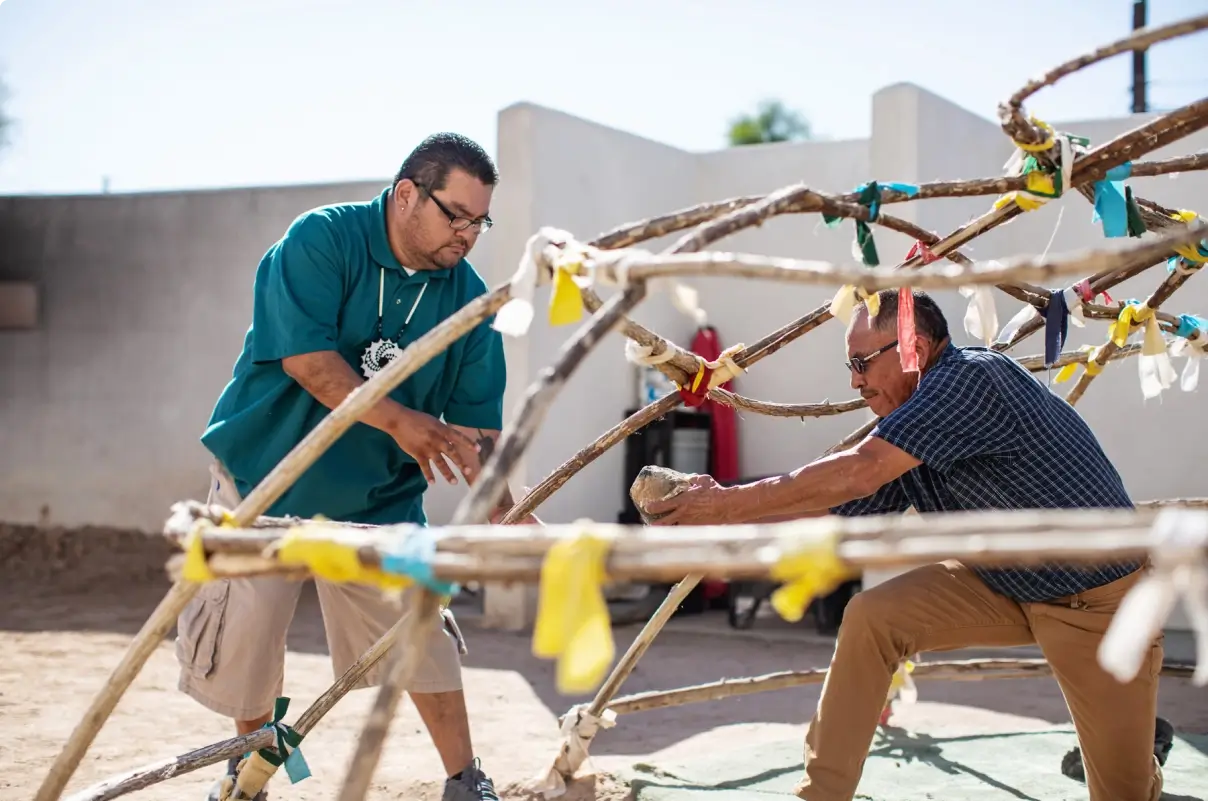
The "product" in question is not a single, monolithic entity, but rather a complex, often fragmented, network of initiatives primarily stemming from federal legislation and tribal self-determination efforts. Its primary goal is to provide safe, affordable, accessible, and culturally appropriate housing solutions for Native Americans with disabilities residing on or near tribal lands.
Key Components and Features:
-
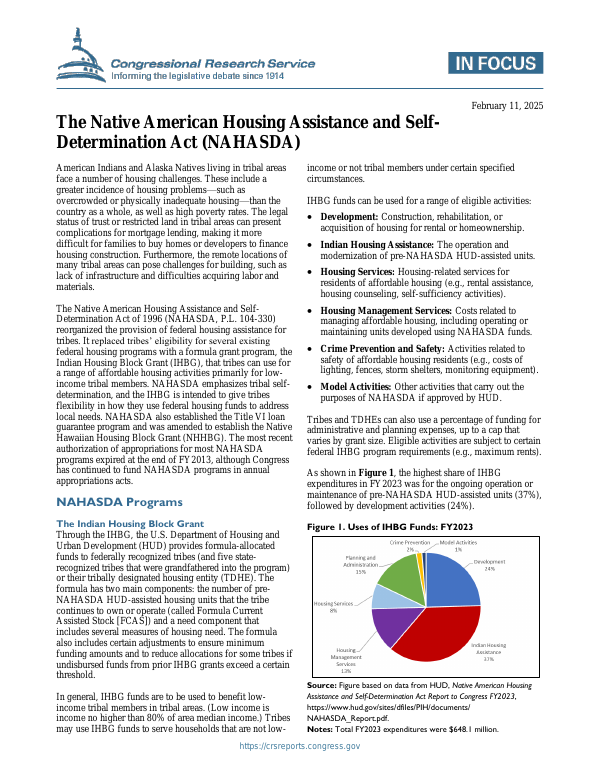
Native American Housing Assistance and Self-Determination Act (NAHASDA): This landmark 1996 legislation is the bedrock of federal Indian housing policy. It provides block grants directly to Tribally Designated Housing Entities (TDHEs) or Indian Housing Authorities (IHAs), allowing tribes greater flexibility to design and implement housing programs that meet their specific needs. Under NAHASDA, tribes can fund various activities, including:
- New Construction and Rehabilitation: Building new homes or renovating existing ones to improve safety, energy efficiency, and accessibility.
- Rental Assistance: Subsidies to help low-income families, including those with disabilities, afford rent.
- Homeownership Programs: Assistance for tribal members to purchase homes, often including down payment assistance or low-interest loans.
- Housing Services: Activities like housing counseling, tenant services, and support for special needs populations.
- Accessibility Modifications: Specific funds or provisions within programs to adapt homes for individuals with physical, sensory, or cognitive disabilities (e.g., ramps, wider doorways, grab bars, accessible bathrooms/kitchens).
-
Indian Health Service (IHS): While primarily focused on healthcare, IHS plays a crucial, albeit indirect, role. Healthy homes are intrinsically linked to health outcomes. IHS can sometimes provide referrals, coordinate care, and advocate for housing needs that impact health, especially for those with chronic conditions or mobility issues requiring home-based care.
-
Department of Agriculture (USDA) Rural Development: For Native Americans living in rural areas (including some tribal lands), USDA programs like Section 504 Home Repair Program (grants/loans for very low-income homeowners to remove health/safety hazards and make homes accessible) and other housing programs can offer additional avenues of assistance.
-
State and Local Programs: In some instances, state housing agencies or local non-profits may have programs that extend to tribal communities, though coordination can be challenging.
-
Tribal-Specific Initiatives: Crucially, many tribes have developed their own innovative housing programs, often leveraging NAHASDA funds but also incorporating unique cultural designs, traditional building methods, and holistic support services that go beyond mere shelter. These programs may include elder care facilities with accessible units, specialized housing for individuals with mental health challenges, or culturally relevant support systems.
-
Universal Design and Accessibility Standards: The "product" implicitly (and sometimes explicitly) aims to incorporate principles of universal design and comply with accessibility standards (like ADA, though tribal lands have unique jurisdictional considerations). This means designing homes to be usable by all people, regardless of age or ability, thereby reducing the need for costly retrofits later.
Advantages (Kelebihan): The Strengths of the System
Despite its challenges, the existing framework of housing assistance for Native Americans with disabilities offers several significant advantages:
-
Tribal Self-Determination and Cultural Responsiveness: NAHASDA’s block grant model empowers tribes to identify their own housing needs and develop solutions that are culturally appropriate. This is a profound advantage, as it allows for the integration of traditional architectural styles, community planning, and support systems that resonate with the values and social structures of individual tribes, rather than imposing a one-size-fits-all federal solution. For individuals with disabilities, this can mean housing that supports extended family living, access to traditional healers, or designs that incorporate culturally significant elements.
-
Addressing a Critical Need: At its core, the system addresses an undeniable and severe housing crisis. Without these programs, countless Native Americans with disabilities would face homelessness, live in dilapidated and unsafe conditions, or be forced to leave their ancestral lands to seek suitable housing elsewhere. Any assistance, even if imperfect, is better than none.
-
Improved Health Outcomes: Accessible and stable housing directly correlates with improved physical and mental health. For individuals with disabilities, a home free from environmental hazards, with appropriate accessibility modifications, can reduce hospitalizations, prevent injuries, and improve overall quality of life. It provides a safe space for managing chronic conditions and receiving in-home care.
-
Enhanced Independence and Dignity: Accessible housing promotes greater independence. Ramps, grab bars, wider doorways, and adapted bathrooms allow individuals to perform daily activities without constant assistance, fostering dignity and self-reliance. This can reduce the burden on family caregivers and allow individuals to participate more fully in their communities.
-
Economic Stability and Community Integration: Stable housing provides a foundation for economic advancement and community engagement. When housing is secure, individuals can better pursue education, employment, and social activities. For those with disabilities, accessible housing within their community prevents isolation and facilitates participation in tribal life.
-
Flexibility for Specialized Needs: The flexibility inherent in NAHASDA allows tribes to allocate funds for highly specialized needs, such as constructing group homes for individuals with developmental disabilities, providing assistive technology, or offering supportive services tailored to mental health conditions. This adaptability is crucial given the diverse range of disabilities and individual requirements.
Disadvantages (Kekurangan): The Flaws in the Design
Despite its laudable goals and critical impact, the "product" is riddled with significant disadvantages that severely limit its effectiveness and reach:
-
Chronic Underfunding and Insufficient Resources: This is arguably the most critical flaw. NAHASDA, while transformative, has never been adequately funded to address the vast housing needs across Indian Country. The current funding levels are insufficient to meet the demand for new construction, rehabilitation, or accessibility modifications, especially for the high-cost, specialized housing required by individuals with disabilities. This leads to long waiting lists, substandard housing conditions persisting, and tribes struggling to maintain existing housing stock.
-
Geographic and Infrastructure Challenges: Many tribal lands are located in remote, rural areas with limited infrastructure. The cost of transporting building materials, skilled labor, and utilities (water, sewer, electricity) is prohibitively high. This significantly increases the cost of construction and maintenance, making it difficult to build accessible homes within budget, especially when specialized materials or expertise are needed.
-
Bureaucratic Hurdles and Administrative Burden: While NAHASDA grants tribes flexibility, they still operate within a complex web of federal regulations, reporting requirements, and auditing processes. For smaller tribes with limited administrative capacity, navigating these complexities can be overwhelming, diverting resources away from direct service delivery. Applying for and managing multiple grants from different agencies adds to this burden.
-
Accessibility Gaps and Inconsistent Standards: Despite the intent, the actual implementation of accessibility features can be inconsistent. Not all existing tribal housing is accessible, and new construction may not always fully adhere to universal design principles due to cost constraints or a lack of specialized knowledge among builders. The varying interpretations and enforcement of accessibility standards across different tribal entities and funding sources can also create disparities.
-
Shortage of Skilled Professionals and Technical Assistance: There is a dire need for architects, builders, and housing professionals with expertise in universal design, accessible construction, and the specific needs of individuals with diverse disabilities within a tribal context. Tribes often lack access to these specialists, leading to less-than-optimal designs or costly mistakes.
-
Data Deficiencies and Lack of Comprehensive Needs Assessment: Accurate data on the prevalence of disabilities within Native American communities and their specific housing needs is often lacking. This makes it challenging for tribes to conduct comprehensive needs assessments, advocate for appropriate funding, and tailor programs effectively. The true scope of the problem remains partially hidden.
-
Coordination Challenges Across Agencies: While various federal agencies offer programs, seamless coordination between HUD, IHS, USDA, and other potential funders is often lacking. This fragmentation can create gaps in service, force individuals to navigate multiple complex application processes, and lead to inefficiencies.
-
Stigma and Awareness: Some individuals with disabilities, particularly those with invisible disabilities or mental health conditions, may face stigma within their communities, making them reluctant to seek assistance. Additionally, awareness of available programs and their eligibility criteria can be low, especially in remote areas.
-
Land Tenure Issues: The unique legal status of trust lands can complicate financing and homeownership opportunities, as traditional mortgages may not apply. This creates additional hurdles for tribes trying to build or renovate accessible housing.
Recommendation (Rekomendasi Pembelian/Engagement): Investing in a More Equitable Future
Considering the critical importance and the significant flaws of the current "product," our recommendation is not to "purchase" or "reject" it, but rather to fundamentally re-invest in and comprehensively improve this vital system. The existing framework is indispensable but requires substantial enhancement to truly fulfill its promise.
Here are specific recommendations for this crucial "investment":
-
Drastically Increase and Sustain NAHASDA Funding: This is the absolute priority. Congress must significantly increase annual appropriations for NAHASDA to a level that genuinely addresses the existing housing backlog and future needs, particularly for accessible housing. This funding must be sustained and predictable, allowing tribes to plan long-term projects.
-
Streamline Federal Processes and Enhance Tribal Sovereignty: While accountability is important, federal agencies must work to simplify application processes, reduce administrative burdens, and increase flexibility for tribes. This includes providing greater technical assistance and capacity building support directly to TDHEs and IHAs. Empowering tribes to design and manage programs with fewer federal strings attached will lead to more effective, culturally appropriate, and efficient solutions.
-
Invest in Infrastructure Development: Alongside housing construction, there must be a concerted federal investment in critical infrastructure (water, sewer, electricity, roads, broadband) on tribal lands. Accessible housing is meaningless without the underlying infrastructure to support it.
-
Foster Cross-Agency Collaboration and Integration: HUD, IHS, USDA, and other relevant federal agencies must establish formal, streamlined mechanisms for collaboration and data sharing. This could include joint funding opportunities, integrated application processes, and coordinated technical assistance to ensure a holistic approach to housing, health, and disability services.
-
Prioritize Universal Design and Accessibility Training: Fund programs that train tribal architects, builders, and housing staff in universal design principles, accessible construction techniques, and the specific needs of various disabilities. Incentivize and mandate that all new construction and significant rehabilitation projects incorporate the highest standards of accessibility.
-
Improve Data Collection and Needs Assessment: Support tribal efforts to conduct comprehensive and culturally sensitive needs assessments regarding disability prevalence and housing requirements. This data is essential for informed decision-making, targeted interventions, and effective advocacy for increased resources.
-
Expand Supportive Services and Case Management: Housing is more than just shelter. Investment should also focus on funding supportive services such as independent living skills training, mental health support, assistive technology, and coordinated case management to ensure individuals with disabilities can thrive in their accessible homes.
-
Promote Innovative and Culturally Specific Solutions: Encourage and fund tribal initiatives that leverage traditional knowledge, sustainable building practices, and innovative approaches to accessible housing that are deeply rooted in tribal culture and community values.
-
Advocacy and Awareness Campaigns: Support tribal leaders and disability advocates in raising awareness about the housing needs of Native Americans with disabilities among policymakers and the general public. Combat stigma and ensure individuals are aware of and feel comfortable accessing available assistance.
Conclusion: The Path to True Home
The "product" of Native American housing assistance for individuals with disabilities is a testament to both the enduring spirit of tribal self-determination and the persistent systemic failures that plague Indian Country. While it offers vital lifelines and empowers many, its current state is severely hampered by chronic underfunding, bureaucratic complexities, and a lack of comprehensive support.
To truly honor the inherent sovereignty of Native nations and uphold the fundamental right to a safe, accessible, and dignified home for all its citizens, a transformative re-investment is imperative. This is not merely a call for more resources, but for a paradigm shift that prioritizes tribal leadership, fosters genuine collaboration, and recognizes that accessible housing is not just a building, but a foundation for health, independence, and the flourishing of Native American cultures and communities. Only then can this critical "product" truly deliver on its promise of a home for every individual, regardless of ability.


