
Review: Navigating Native American Housing Assistance for Relocation Support – A Comprehensive Guide
The quest for stable, safe, and culturally appropriate housing is a fundamental human right, yet for many Native Americans, it remains a persistent challenge. Decades of systemic neglect, historical trauma, and underfunding have left many Indigenous communities grappling with severe housing disparities, including overcrowding, substandard conditions, and a lack of affordable options. For individuals and families needing to relocate – whether for economic opportunity, educational advancement, healthcare access, or to escape unsafe environments – the complexities are amplified.
This article serves as a comprehensive "product review" of Native American housing assistance programs and systems, specifically tailored for those seeking relocation support. While not a conventional product, these systems function as vital services designed to provide a lifeline. We will delve into their "features," "performance," "pros," "cons," and offer a "purchase recommendation" – essentially, a guide on how to best navigate and engage with these crucial resources.
Understanding the "Product": The Landscape of Native American Housing Assistance
The primary "product" or system under review is the network of housing assistance programs available to Native Americans, largely funded through the Native American Housing Assistance and Self-Determination Act (NAHASDA). Enacted in 1996, NAHASDA revolutionized Native American housing by consolidating various federal programs into a single block grant for tribes. This shift empowered Tribal Housing Authorities (THAs) and Tribally Designated Housing Entities (TDHEs) to develop and implement housing strategies tailored to their specific community needs and cultural values.
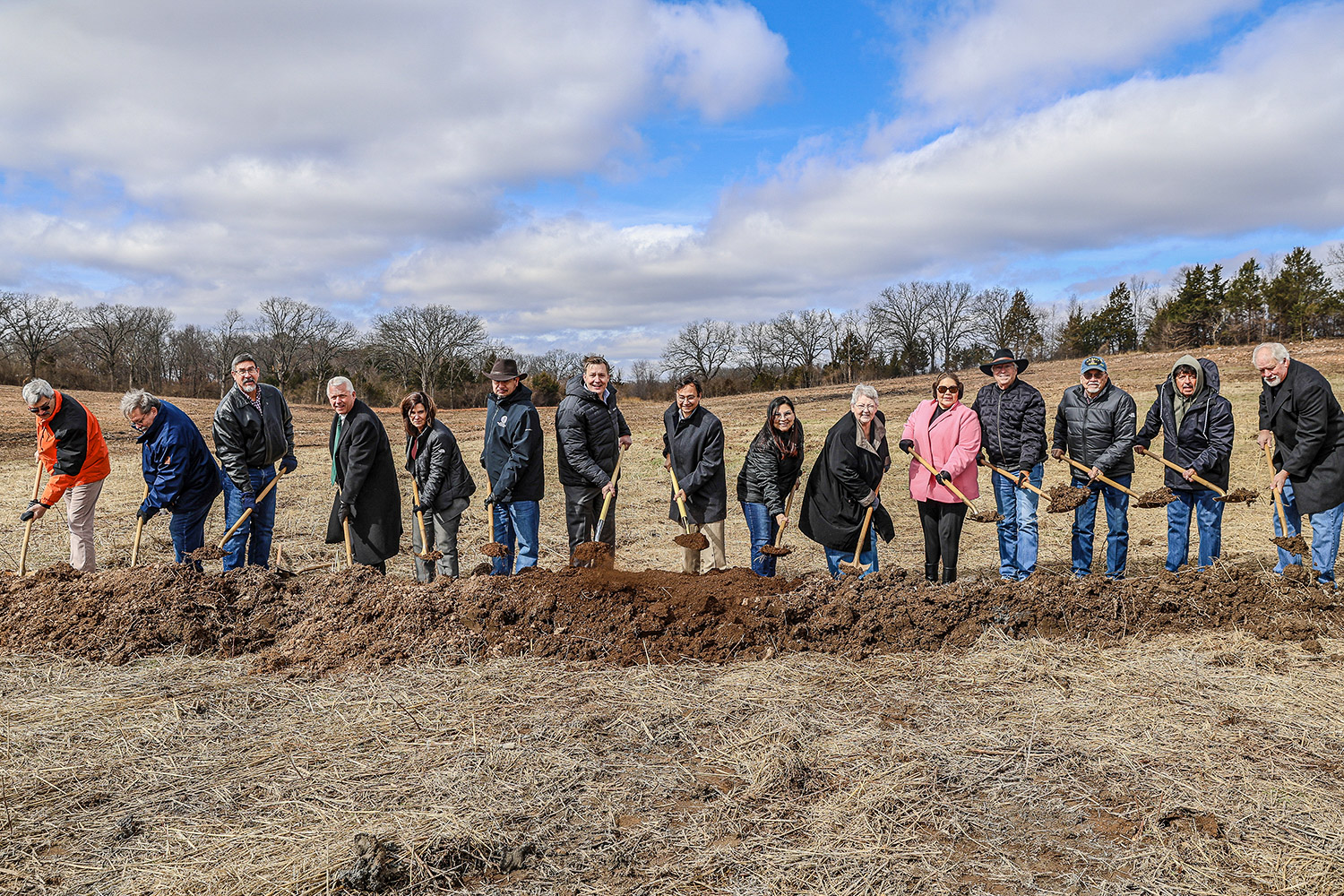
Key components of this "product" include:
-
NAHASDA Block Grants: Administered by the U.S. Department of Housing and Urban Development (HUD), these grants provide flexible funding to federally recognized tribes and their TDHEs. Tribes use these funds for a wide range of housing activities, including:
- Development and rehabilitation of affordable housing.
- Housing services (e.g., housing counseling, energy audits).
- Crime prevention and safety activities.
- Model activities (innovative approaches).
- Rental assistance and down payment assistance.
- Emergency and transitional housing for those experiencing homelessness or domestic violence.
-
Tribal Housing Authorities (THAs)/Tribally Designated Housing Entities (TDHEs): These are the local "retailers" or service providers. Each tribe, or consortium of tribes, typically has a THA or TDHE responsible for administering NAHASDA funds and other housing programs within their jurisdiction. They are the direct point of contact for individuals seeking assistance.
-
Other Federal and Non-Federal Programs:
- Bureau of Indian Affairs (BIA): Provides some housing improvement programs, particularly for remote areas.
- Indian Health Service (IHS): Addresses housing conditions as they relate to public health, though not a primary housing provider.
- USDA Rural Development: Offers loans and grants for housing in rural areas, which can include tribal lands.
- State and Local Programs: Some states and municipalities have specific programs for Native Americans or general low-income housing programs.
- Non-Profit Organizations: Various Indigenous-led and allied non-profits provide housing advocacy, emergency assistance, and development support (e.g., NDN Collective, Native American Housing Council).
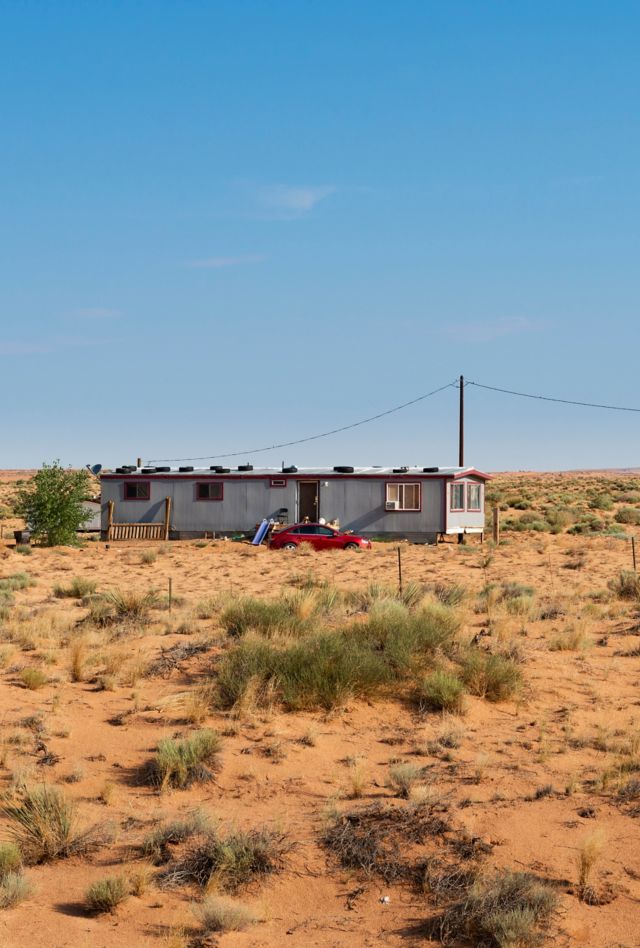
For individuals needing relocation support, the most relevant "features" of this product include:
- Rental Assistance: Help with monthly rent payments, often for a limited period.
- Down Payment Assistance: Support for individuals seeking to purchase a home, reducing the initial financial barrier.
- Emergency Housing/Transitional Housing: Short-term solutions for those in crisis, often a precursor to more stable relocation.
- Housing Counseling: Guidance on financial literacy, homeownership, and navigating the application process.
- Voucher Programs: While less common than general rental assistance within NAHASDA, some THAs may partner with Section 8 programs or offer their own local voucher systems.
The "User Experience": How it Works for Relocation
Engaging with this "product" typically involves:
- Identifying Need: Recognizing the necessity to move due to factors like job opportunities, educational pursuits, unsafe living conditions, family reunification, or a desire to reconnect with cultural roots.
- Researching THAs/TDHEs: Contacting the THA of the tribe you are enrolled with, or the THA of the tribal community you wish to relocate to (if they serve non-members or have specific programs). This is crucial as eligibility often prioritizes tribal members.
- Application Process: Completing detailed applications, which typically require proof of tribal enrollment (if applicable), income verification, identification, and a clear explanation of housing need.
- Eligibility Determination: THAs assess applications based on federal guidelines (e.g., income limits, need) and tribal-specific policies.
- Waiting Lists: Due to high demand and limited funding, many programs operate with significant waiting lists.
- Case Management/Support: If approved, individuals often work with a housing counselor or case manager to secure housing, understand lease agreements, or navigate the home-buying process.
The "Pros": Advantages and Benefits of This Service
Despite its complexities, Native American housing assistance offers profound benefits, especially for those in need of relocation:
- Foundation for Stability: The most significant advantage is providing a stable and safe home. This fundamental security is a prerequisite for success in other areas of life, such as employment, education, and health.
- Improved Health Outcomes: Relocating from substandard, overcrowded housing to healthier environments significantly reduces the risk of chronic diseases, respiratory illnesses, and stress-related conditions. Access to better healthcare facilities in a new location can also be a key driver for relocation.
- Economic Empowerment: Access to affordable housing frees up financial resources, allowing individuals to invest in education, job training, or starting a business. Relocation for job opportunities becomes viable when housing is attainable.
- Educational Opportunities: Stable housing is critical for children’s educational success. Relocating to areas with better schools or higher education institutions becomes feasible, breaking cycles of poverty.
- Cultural Preservation and Reconnection: For many, relocation means returning to ancestral lands or moving closer to extended family and cultural practices. THAs often build housing that reflects cultural design principles and fosters community, strengthening cultural identity.
- Safety and Security: Assistance programs provide an escape route for those fleeing domestic violence, gang activity, or unsafe living conditions, offering a crucial pathway to security.
- Tailored Solutions: The NAHASDA framework allows tribes to adapt programs to their unique needs, meaning assistance can be more culturally relevant and effective than generic federal programs.
- Community Support: THAs often work closely with other tribal services (social services, employment, health), providing a holistic support system that is invaluable during a relocation.
The "Cons": Disadvantages and Challenges of the System
Like any complex system, Native American housing assistance has significant drawbacks and areas for improvement:
- Bureaucratic Hurdles and Complexity: The application process can be daunting, requiring extensive documentation, multiple forms, and frequent follow-ups. This can be particularly challenging for individuals already facing stress from relocation.
- Limited Funding and Long Waiting Lists: This is arguably the most significant "con." NAHASDA funding, while crucial, has historically been insufficient to meet the overwhelming demand. This leads to extremely long waiting lists, often spanning years, making timely relocation support difficult.
- Eligibility Strictures: While necessary, strict eligibility criteria (income limits, tribal enrollment requirements, specific need definitions) can exclude some individuals who are genuinely in need but fall outside the narrow parameters.
- Geographic Constraints: Assistance is primarily tied to specific tribal jurisdictions. Relocating from a reservation to an urban area, or between tribal lands, can be challenging if the receiving THA doesn’t have programs for non-members or adequate resources.
- Lack of Awareness and Accessibility: Many eligible individuals, especially those in remote areas or those who have been disconnected from their tribal communities, may not be aware of available resources or how to access them.
- Stigma and Misconceptions: While intended to empower, some individuals may feel a stigma associated with receiving "handouts," or face discrimination from landlords or communities unfamiliar with tribal housing programs.
- Infrastructure Deficiencies: Even when housing is secured, many tribal lands lack adequate infrastructure (roads, water, sewage, internet), which can hinder quality of life and economic development, even after relocation.
- Post-Relocation Support Gaps: While THAs assist with initial housing, ongoing support for employment, education, and social integration in a new community can be fragmented or lacking, making successful long-term relocation challenging.
- Varying Program Efficacy: The quality and scope of programs can vary significantly between different THAs, depending on their funding, capacity, and tribal priorities.
"Who is This Product For?" – The Ideal User
This "product" is ideally suited for:
- Federally recognized tribal members in need of stable, affordable housing, especially those seeking to relocate for better opportunities or to return to their communities.
- Individuals and families experiencing homelessness, domestic violence, or other crises who require immediate and transitional housing solutions.
- Low-income individuals who meet specific income thresholds as defined by HUD and tribal policies.
- Those willing to engage actively with the application process, provide necessary documentation, and patiently navigate potential waiting lists.
- Individuals seeking to purchase a home who require down payment or closing cost assistance to achieve homeownership.
- Students or workers relocating for educational or employment opportunities but facing housing insecurity.
"Recommendations for Purchase/Engagement"
Given the critical nature and inherent challenges of this "product," here are strong recommendations for anyone considering utilizing Native American housing assistance for relocation:
- Start Early and Be Thorough: Begin your research and application process well in advance of your desired relocation date. Gather all necessary documents (tribal enrollment, income statements, IDs, birth certificates, etc.) meticulously. Incomplete applications are the quickest way to delays.
- Identify Your Tribal Affiliation and Target Community: Understand which THA you are eligible to apply through (your own tribe) and research the THA of the community you wish to relocate to. Some THAs may serve non-members, or have specific inter-tribal agreements.
- Direct Contact is Key: Do not rely solely on websites. Call or visit the relevant Tribal Housing Authority (THA) directly. Ask specific questions about their relocation programs, eligibility, application deadlines, and current waiting list times.
- Be Prepared for Waiting Lists: Understand that demand far outstrips supply. Patience is not just a virtue; it’s a necessity. Continue to check in periodically (respectfully) to update your information and show continued interest.
- Seek Housing Counseling: Many THAs offer housing counseling services. Utilize these resources to understand the homeownership process, financial literacy, and tenancy rights. This can be invaluable for long-term stability.
- Explore All Avenues: Don’t put all your eggs in one basket. While prioritizing tribal housing, also investigate other federal, state, local, and non-profit housing programs that might be available to you, especially if relocating to an urban area.
- Understand Your Responsibilities: If you receive assistance, ensure you understand and adhere to all program rules, lease agreements, and financial obligations. Non-compliance can lead to loss of assistance.
- Advocate for Yourself (and Others): Be persistent but polite. If you encounter issues, ask for clarification. Also, consider advocating for increased funding and improved policies for Native American housing at local, tribal, and federal levels.
- Build a Support Network: Relocation is challenging. Connect with family, friends, or community organizations in your new location for social and practical support.
Conclusion: A Product of Resilience and Ongoing Need
Native American housing assistance for relocation support is not a perfect "product." It is a complex, often underfunded system born out of historical injustice and sustained by the resilience of Indigenous communities. Its "performance" is heavily influenced by factors beyond the control of individual THAs, such as federal appropriations and the sheer scale of need.
However, despite its "cons" – the bureaucracy, the waiting lists, and the funding shortfalls – its "pros" are profound. It provides a critical pathway to stability, health, education, and economic opportunity for thousands of Native Americans. For those contemplating relocation, engaging with this system, armed with preparation, patience, and persistence, can be a life-changing decision.
Ultimately, this "product" represents more than just shelter; it’s an investment in self-determination, cultural continuity, and the future well-being of Native American individuals and nations. While the system itself requires continued improvement, advocacy, and increased resources, for an individual in need of relocation support, it remains an indispensable, if challenging, resource that merits careful consideration and strategic engagement.


