Home Haven: A Comprehensive Review of Native American Housing Assistance for Home Modifications
The concept of "aging in place" or living independently with a disability is a deeply cherished aspiration for many, but for Native American individuals and families living in tribal communities, this ideal often faces formidable barriers. Decades of underfunding, historical trauma, and geographic isolation have left many homes in dire need of repair and accessibility modifications. In this context, Native American housing assistance programs dedicated to home modifications emerge not just as services, but as vital lifelines – a "product" ecosystem designed to transform challenging living situations into safe, functional, and culturally appropriate homes.
This comprehensive review will delve into the multifaceted landscape of Native American housing assistance for home modifications, examining its core offerings, the "user experience," its significant advantages (pros) and inherent limitations (cons), and ultimately, provide a "purchase recommendation" for those in need, along with insights into its overall value proposition.
The "Product" Overview: What is Native American Housing Assistance for Home Modifications?
Unlike a single, uniform product, Native American housing assistance for home modifications is a complex, interconnected "suite" of programs, primarily stemming from federal sources but administered and tailored by tribal governments, Tribal Housing Authorities (THAs), and various non-profit organizations. The "product" aims to provide financial and technical support to make existing homes safe, accessible, and healthy for elders, individuals with disabilities, and families with special needs members.
Key Components & Features:
-
Funding Sources:
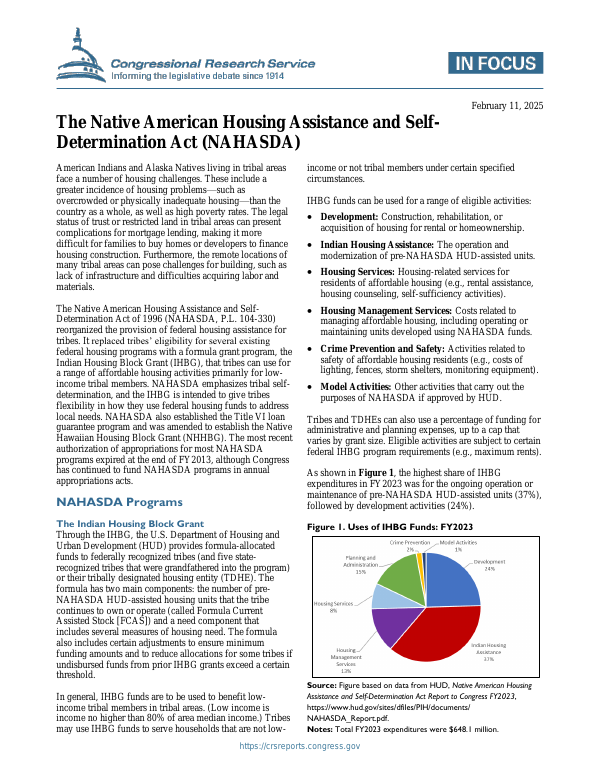
- Native American Housing Assistance and Self-Determination Act (NAHASDA): This is the cornerstone legislation, providing block grants to tribes and THAs. While broad, a significant portion is often allocated for housing rehabilitation, including accessibility modifications. Tribes have the flexibility to design programs that best meet their community’s needs.
- Indian Community Development Block Grant (ICDBG): Administered by the Department of Housing and Urban Development (HUD), ICDBG specifically targets community development needs, including housing rehabilitation, public facilities (which can include accessibility improvements to homes), and economic development. This program is often a direct source for home modification projects.
- Indian Health Service (IHS) Sanitation Facilities Construction Program: While primarily focused on water, sewer, and solid waste facilities, IHS programs can sometimes indirectly support home modifications by improving essential services that impact health and safety, potentially including plumbing modifications within homes to support accessible bathrooms.
- Tribal Specific Programs: Many tribes leverage their sovereign authority and often their own resources (e.g., gaming revenues, trust funds) to create bespoke housing programs tailored to their members’ unique cultural and environmental contexts.
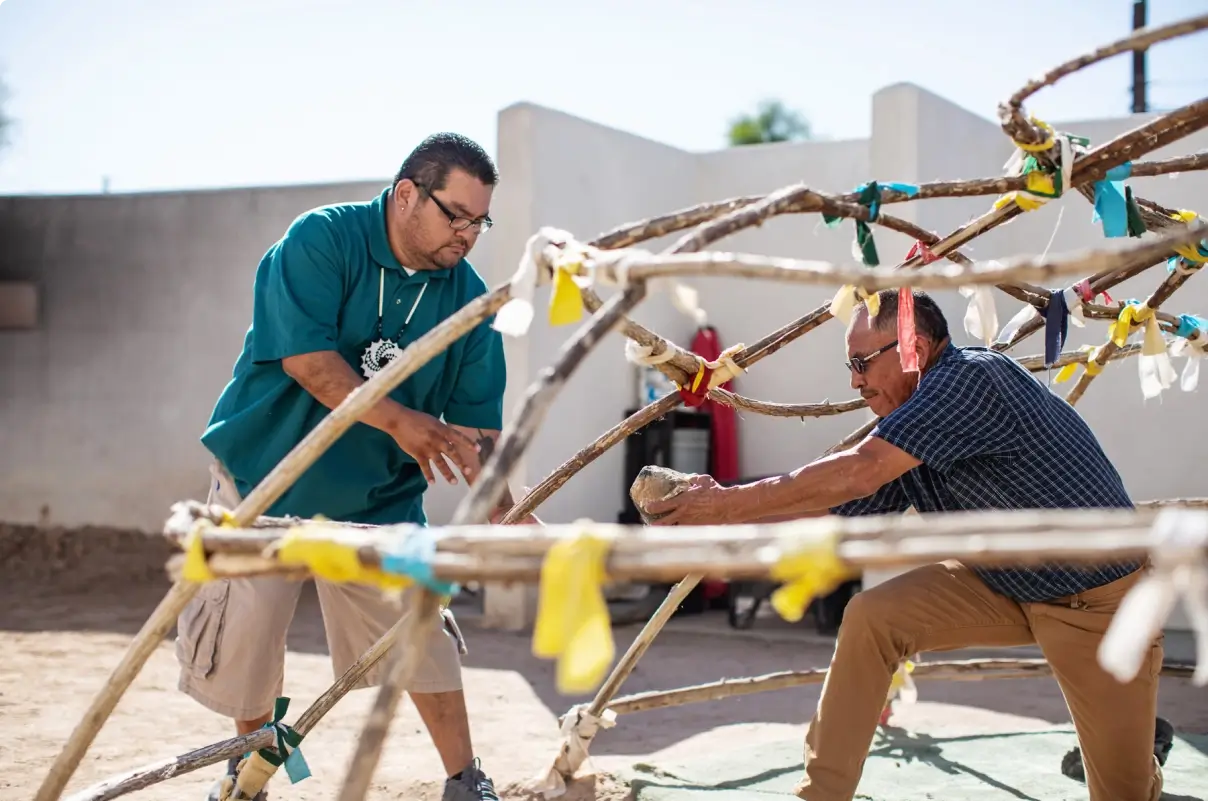
- Non-Profit Partnerships: Organizations like Habitat for Humanity, Rebuilding Together, and local Native non-profits often collaborate with tribes to provide volunteer labor and additional funding for home repairs and modifications.
-
Types of Modifications Offered: The "product" is highly customizable, addressing a wide range of needs:
- Accessibility Enhancements: Ramps, grab bars, widened doorways, roll-in showers, accessible toilets, stair lifts, lever-style door handles, lowered countertops.
- Safety Improvements: Repairing damaged floors, roofs, or walls; electrical upgrades; smoke/carbon monoxide detectors; improved lighting.
- Health & Environmental Upgrades: HVAC repair/replacement, mold remediation, lead-based paint abatement, improved ventilation, weatherization for energy efficiency, pest control.
- Essential Home Repairs: Addressing structural deficiencies, plumbing leaks, heating system failures that directly impact the resident’s ability to live safely and independently.
-
Target "Consumers":
- Low-income Native American individuals and families.
- Elders needing support to age in place.
- Individuals with physical or cognitive disabilities.
- Families caring for members with special needs.
- Residents living in substandard housing conditions that pose health or safety risks.
The "User Experience": Navigating the System
The "user experience" with Native American housing assistance for home modifications is highly variable. It can range from a relatively smooth, life-changing process to a frustrating, protracted endeavor.
- Application Process: Typically involves contacting a Tribal Housing Authority, tribal social services department, or a HUD field office. Eligibility criteria usually include income limits, tribal enrollment verification, and a demonstrated need for modifications (often requiring medical documentation or an occupational therapy assessment).
- Assessment and Planning: Once deemed eligible, an assessment of the home and the individual’s needs is conducted. This stage is critical for designing appropriate and effective modifications.
- Implementation: Projects can be carried out by tribal construction crews, local contractors, or through partnerships with non-profit organizations.
- Wait Times: Due to funding limitations and high demand, wait times can be significant, sometimes stretching for months or even years.
- Cultural Sensitivity: Ideally, programs are administered with cultural understanding, respecting traditional living arrangements, extended family structures, and the unique needs of the community.
Pros (Advantages & Strengths) of Native American Housing Assistance for Home Modifications
This "product" offers a profound return on investment, both for individuals and the broader community.
- Promotes Independent Living and Aging in Place: The most significant benefit is enabling elders and individuals with disabilities to remain in their homes, surrounded by family and community, rather than being forced into institutional care or relocated. This preserves dignity, cultural connections, and quality of life.
- Addresses Critical Health and Safety Needs: By providing ramps, grab bars, and accessible bathrooms, the risk of falls and injuries is dramatically reduced. Repairs to roofs, plumbing, and electrical systems prevent hazards like structural collapse, water damage, and fires. Improved ventilation and mold remediation contribute to better respiratory health.
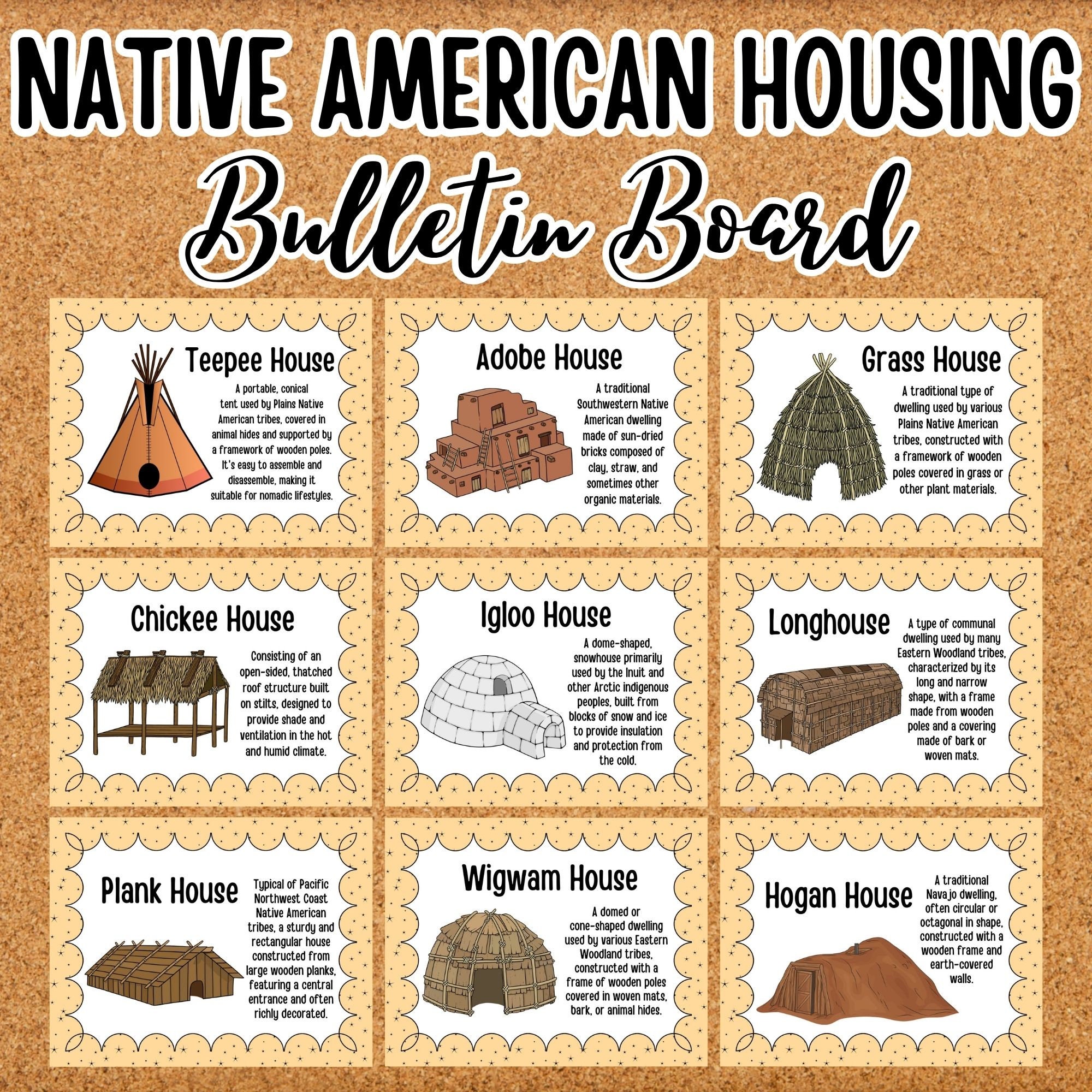
- Culturally Sensitive Solutions: Administered by tribes and THAs, these programs have the potential to be deeply rooted in community values. Modifications can be designed to respect traditional home layouts, incorporate local materials, and ensure the home remains a comfortable space for extended family gatherings and cultural practices. This contrasts sharply with generic, one-size-fits-all solutions.
- Community Empowerment and Self-Determination: NAHASDA, in particular, empowers tribes to define their own housing priorities and administer funds directly. This fosters self-determination, builds local capacity in construction and project management, and ensures solutions are locally relevant.
- Economic Impact: Projects often employ tribal members or local contractors, injecting much-needed economic activity into reservation communities where opportunities may be scarce. It supports local businesses and trades.
- Financial Relief for Families: The cost of significant home modifications can be prohibitive for low-income families. These programs alleviate that burden, allowing families to allocate resources to other essential needs.
- Improved Mental and Emotional Well-being: Living in a safe, accessible, and well-maintained home significantly reduces stress, anxiety, and feelings of isolation. It fosters a sense of security and belonging.
- Comprehensive Approach: Many programs offer not just the physical modifications but also initial assessments, project management, and sometimes even follow-up support, providing a more holistic solution than simply receiving a grant check.
Cons (Disadvantages & Weaknesses) of Native American Housing Assistance for Home Modifications
Despite its vital importance, the "product" is far from perfect and faces significant systemic challenges.
- Chronic Underfunding: This is the most pervasive issue. Federal allocations for NAHASDA and ICDBG have historically been insufficient to meet the overwhelming demand across all tribal communities. This leads to long waitlists, limited scope of projects, and an inability to address the full spectrum of housing needs.
- Bureaucracy and Complex Application Processes: Navigating federal guidelines, tribal requirements, and documentation demands can be daunting, especially for elders or individuals with limited literacy or access to technology. The application process itself can be a significant barrier to access.
- Long Wait Times: Directly related to underfunding and high demand, the time between application and project completion can stretch into months or even years. For individuals with progressive conditions or urgent safety needs, these delays can be detrimental.
- Geographic Disparities and Remote Challenges: Tribes in extremely remote or isolated areas face additional hurdles. The cost of materials and skilled labor is often higher, and logistics can be complex. Smaller tribes may have less administrative capacity to manage complex housing programs effectively.
- Staffing and Expertise Shortages: Many THAs and tribal departments struggle to attract and retain qualified staff, including grant writers, project managers, construction supervisors, and occupational therapists who can conduct thorough home assessments. This impacts efficiency and quality.
- Variability in Program Quality and Scope: Because tribes have flexibility in administering funds, the quality, scope, and efficiency of home modification programs can vary significantly from one tribal community to another. What is available in one area might be non-existent in another.
- Awareness and Outreach Gaps: Many eligible individuals, particularly elders living in isolated areas, may not be aware that these programs exist or how to access them. Effective outreach and communication remain a challenge.
- Eligibility Restrictions: Strict income limits or other eligibility criteria, while necessary, can exclude individuals who are still in need but just above the threshold. This creates a "gap" for some families.
- Maintenance and Sustainability: While modifications are made, ongoing maintenance and future repair needs often fall back on the homeowner, who may lack the resources or physical ability to keep up with them, leading to a recurrence of issues over time.
The "Purchase Recommendation": Is it Worth It?
YES, for eligible individuals, Native American housing assistance for home modifications is an absolutely essential "purchase" – a vital and often life-changing solution.
Who is this "product" for?
This "product" is unequivocally recommended for any Native American elder, individual with a disability, or family caring for a member with special needs who requires modifications to their home to ensure safety, accessibility, and the ability to live independently within their tribal community. If you or a loved one are struggling with mobility, facing health risks due to substandard housing, or considering leaving your home because it no longer meets your needs, this assistance is designed precisely for you.
The Value Proposition:
Despite its limitations, the value proposition of this "product" is immense. It offers more than just construction; it offers dignity, independence, cultural preservation, and improved health outcomes. The "cost" to the recipient is primarily the effort of navigating the application process, but the financial burden is largely absorbed by the programs. The "return" is priceless: the ability to remain in one’s home, connected to family and heritage.
Important Considerations for "Buyers":
- Persistence is Key: Be prepared for a potentially lengthy process. Follow up regularly, keep meticulous records of all communications, and gather all required documentation diligently.
- Seek Local Guidance: The best first step is always to contact your specific Tribal Housing Authority, tribal social services department, or elder services office. They are the experts on the programs available in your community.
- Explore All Avenues: Don’t rely on a single program. Inquire about NAHASDA, ICDBG, tribal-specific funds, and any partnerships with non-profits.
- Clearly Articulate Needs: When applying, be precise about the modifications needed and why they are essential for safety, health, or independence. Provide medical documentation if requested.
- Advocacy: If you encounter difficulties, don’t hesitate to seek assistance from tribal leaders, community advocates, or local legal aid services that specialize in housing rights.
Looking Ahead: Enhancing the "Product"
To truly maximize the potential of Native American housing assistance for home modifications, ongoing efforts are needed:
- Increased and Sustained Federal Funding: This is paramount to reduce wait times and expand program reach.
- Streamlined Application Processes: Efforts to simplify paperwork and provide better navigation support are crucial.
- Capacity Building: Investing in training and technical assistance for THAs and tribal staff to improve program administration and project management.
- Enhanced Outreach: Proactive efforts to inform all eligible community members, especially those in remote areas, about available resources.
- Integration with Health Services: Closer collaboration between housing programs and IHS or tribal health clinics to ensure medical needs are directly translated into appropriate home modifications.
Conclusion
Native American housing assistance for home modifications stands as a testament to resilience, self-determination, and the enduring commitment to supporting community members. While not without its significant challenges – particularly chronic underfunding and bureaucratic hurdles – it remains an indispensable "product" for Native American individuals needing to adapt their homes to changing life circumstances. For those eligible, exploring and utilizing these vital programs is not merely an option, but a profound opportunity to secure safety, independence, and the irreplaceable comfort of home. It represents a collective effort to build a future where every Native American individual can live with dignity and security within their cherished communities.


