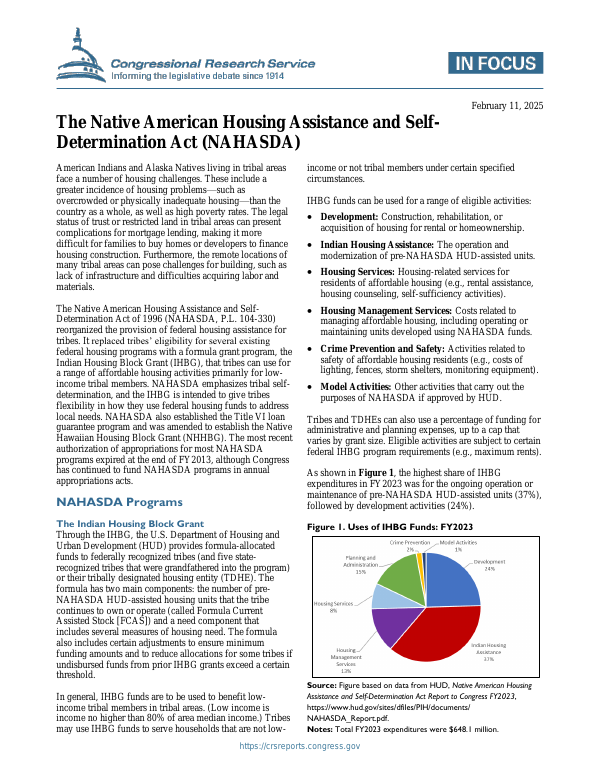
Resilience and Recovery: A Comprehensive Review of Native American Housing Assistance for Natural Disaster Victims
Natural disasters, from raging wildfires and devastating floods to powerful hurricanes and relentless blizzards, are becoming increasingly frequent and intense, leaving a trail of destruction in their wake. While no community is immune, Indigenous communities in the United States face a disproportionate burden. Decades of underinvestment, historical injustices, geographical isolation, and often substandard housing infrastructure leave Native American communities uniquely vulnerable to these catastrophic events. When disaster strikes, the need for safe, stable, and culturally appropriate housing becomes paramount.
This article serves as a comprehensive "product review" of the various housing assistance programs and mechanisms available to Native American individuals and communities affected by natural disasters. We will delve into the complexities of these systems, evaluating their strengths and weaknesses, and ultimately offering recommendations for optimizing their effectiveness and ensuring equitable recovery for Indigenous populations.
The Unique Landscape of Indigenous Vulnerability
Before examining the assistance programs, it’s crucial to understand the context. Many Native American communities reside on reservations or trust lands, often in remote, rural areas with limited access to resources, infrastructure, and emergency services. A significant portion of existing housing stock is aged, poorly maintained, or not built to modern disaster-resilient standards, making it highly susceptible to damage. Poverty rates are higher than the national average, limiting individual capacity for self-recovery or private insurance. Furthermore, the concept of land ownership on reservations can be complex, often held in trust by the federal government, which can create bureaucratic hurdles for federal assistance programs designed for private property owners. Climate change impacts, such as increased drought and wildfire risk in the West, and intensified coastal storms and flooding in other regions, further amplify these existing vulnerabilities.
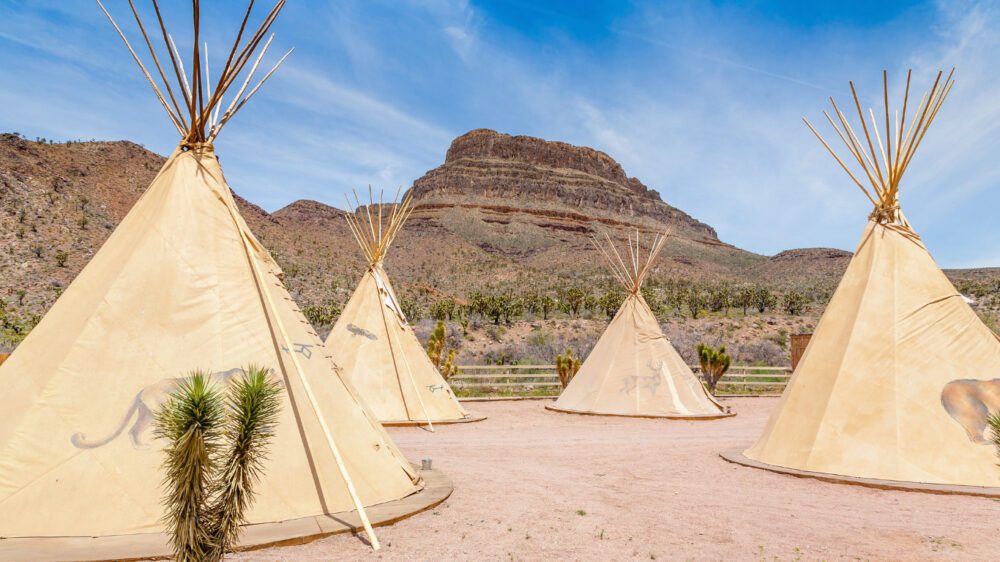
Key "Products" in the Assistance Catalog
The landscape of housing assistance for Native American communities post-disaster is a complex mosaic involving federal agencies, tribal governments, and non-profit organizations.
-
Department of Housing and Urban Development (HUD) – Indian Housing Block Grant (IHBG):
- Description: The IHBG is the primary source of federal housing assistance for Native American tribes and Alaska Native villages. While not exclusively a disaster relief program, its flexibility allows tribes to use funds for a wide range of housing activities, including new construction, rehabilitation, acquisition, and housing services. In disaster scenarios, tribes can reallocate existing IHBG funds or apply for specific disaster relief supplements when made available by Congress.
- Mechanism: Funds are allocated directly to eligible tribal governments or their Tribally Designated Housing Entities (TDHEs), empowering them to address local housing needs as they see fit.
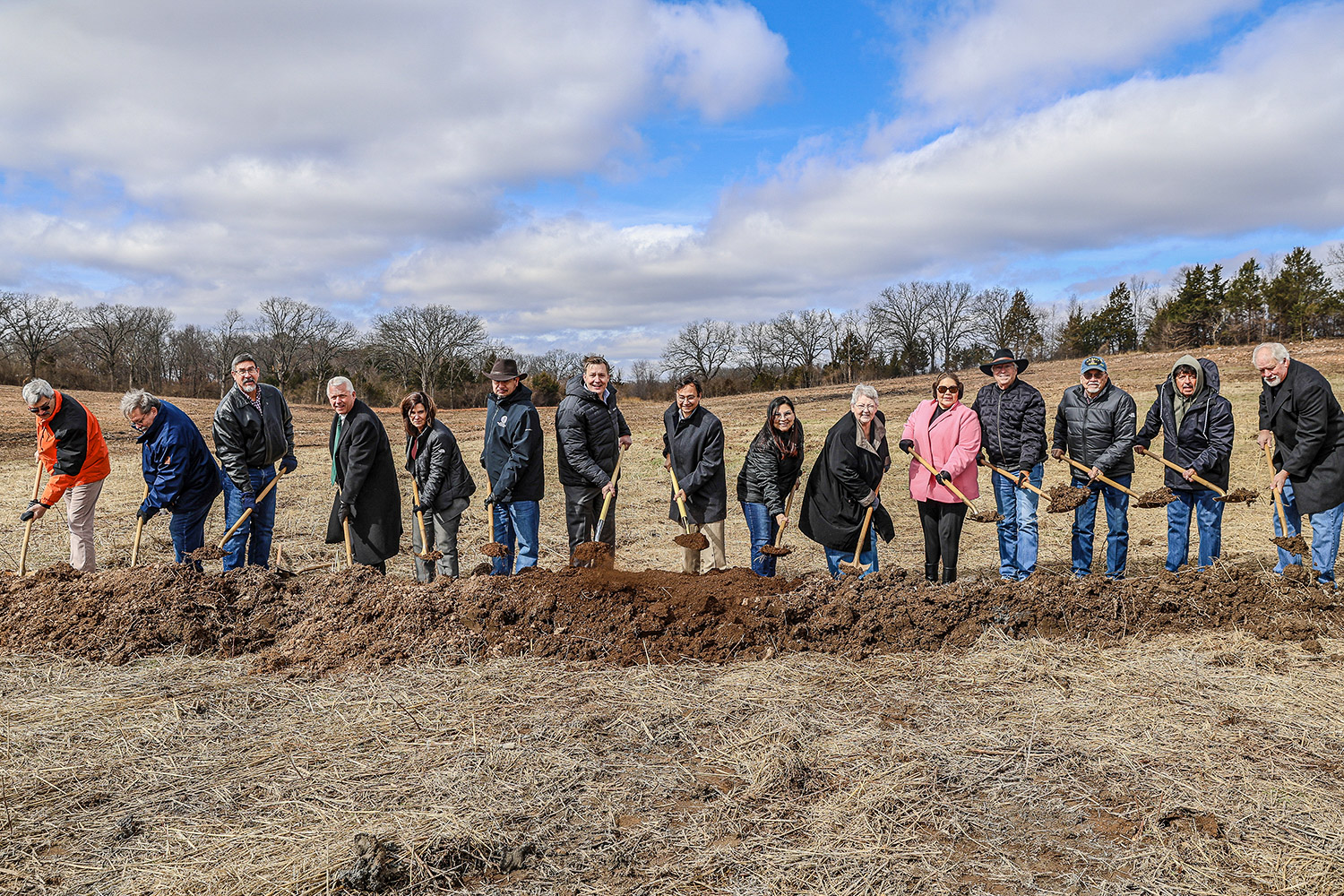
-
Federal Emergency Management Agency (FEMA) – Individual and Public Assistance Programs:
- Description: FEMA is the lead federal agency for disaster response and recovery. Its Individual Assistance (IA) program provides financial help or direct services to individuals and households who have uninsured or under-insured necessary expenses and serious needs resulting from a declared major disaster. This includes housing assistance (rental assistance, home repair, replacement) and other needs assistance. Public Assistance (PA) provides aid to state, tribal, and local governments, and certain private non-profit organizations for disaster-related debris removal, emergency protective measures, and the repair or replacement of disaster-damaged public facilities.
- Mechanism: Tribes can apply directly to FEMA for both IA and PA programs as sovereign nations.
-
U.S. Department of Agriculture (USDA) Rural Development Housing Programs:
- Description: USDA offers various housing programs in rural areas, which often include tribal lands. Programs like the Single Family Housing Repair Loans and Grants (Section 504) can assist very low-income homeowners with repairs to make their homes safe and sanitary. While not solely disaster-focused, these can be critical for recovery in the long term.
- Mechanism: Loans and grants are provided directly to eligible homeowners or through local intermediaries.
-
Tribal Housing Authorities (THAs) and Tribal Governments:
- Description: These are the on-the-ground implementers and first responders. THAs, often funded by IHBG and other sources, manage existing housing stock, develop new projects, and coordinate assistance efforts. Tribal governments play a crucial role in declaring emergencies, coordinating with federal agencies, and mobilizing community resources.
- Mechanism: Self-governance, direct service provision, and advocacy.
-
Non-Profit Organizations and Philanthropy:
- Description: Various non-profits, such as Habitat for Humanity, Native American Housing Institute, or other culturally-focused organizations, often step in to provide direct housing construction, repair, or advocacy services, filling gaps left by federal programs.
- Mechanism: Direct service, volunteer coordination, fundraising.
"Features and Benefits" – The Strengths (Pros)
- Tribal Sovereignty and Self-Determination (IHBG): The IHBG’s direct allocation to tribes is its most significant strength. It respects tribal sovereignty, allowing communities to design and implement housing solutions that are culturally appropriate, responsive to local needs, and aligned with long-term community development goals, rather than a one-size-fits-all federal approach. This includes integrating traditional building techniques or community planning principles.
- Flexibility of Funds (IHBG): The broad eligibility of IHBG funds means tribes can adapt quickly to evolving disaster needs. They can pivot from new construction to emergency repairs, temporary housing, or even providing rental assistance, based on the specific type and scale of the disaster.
- Direct Access to Federal Programs (FEMA): The ability for tribes to directly request disaster declarations and access FEMA programs as sovereign nations is a critical improvement over past practices, allowing for more direct communication and resource allocation.
- Community-Centric Approach (THAs): Tribal Housing Authorities are embedded within their communities. They understand the local context, cultural nuances, and specific needs of disaster victims, often providing a more empathetic and effective point of contact than distant federal agencies.
- Capacity Building: Over time, managing IHBG and other grants has built significant housing development and management capacity within many tribal nations, fostering self-sufficiency and resilience.
"Drawbacks and Challenges" – The Weaknesses (Cons)
- Chronic Underfunding and Funding Gaps: This is perhaps the most significant weakness across the board. IHBG funds are often insufficient to meet baseline housing needs, let alone significant disaster recovery. Supplemental disaster appropriations are often late, inadequate, or tied to restrictive conditions. This leaves tribes constantly playing catch-up.
- Bureaucratic Hurdles and Jurisdictional Complexities:
- FEMA Access Issues: While tribes can directly access FEMA, the application process can be incredibly complex and slow. Requirements for documentation (e.g., proof of ownership on trust lands), differing definitions of "housing" or "damage," and the need for significant administrative capacity can overwhelm smaller tribes.
- Inter-Agency Coordination: Navigating multiple federal agencies (HUD, FEMA, BIA, USDA) with different mandates, application processes, and reporting requirements can be a nightmare for tribal staff, delaying critical recovery efforts.
- Land Ownership: The federal trust land status complicates typical homeowner insurance and loan processes, often making it difficult for individuals to secure conventional financing for rebuilding or for FEMA to provide direct housing assistance.
- Infrastructure Deficiencies: Housing assistance is often hampered by a lack of underlying infrastructure – reliable roads, water, sewer, and electricity. Rebuilding homes without addressing these foundational issues is a temporary fix, not a sustainable solution. Federal programs for infrastructure are often separate and equally complex.
- Geographic Isolation: Many tribal communities are remote, making it expensive and time-consuming to transport materials, labor, and temporary housing units, further driving up recovery costs and timelines.
- Limited Technical and Administrative Capacity: Smaller tribes often lack the staff, technical expertise (e.g., grant writers, engineers, environmental specialists), and financial resources to navigate complex federal applications, manage large projects, and comply with reporting requirements. This can lead to missed opportunities or inefficient use of funds.
- Cultural Insensitivity in Standardized Programs: Federal programs are often designed with a mainstream, urban/suburban context in mind. This can lead to culturally inappropriate housing designs, materials, or recovery timelines that don’t align with Indigenous ways of life or community structures.
- Lack of Proactive Mitigation Funding: Far too much funding is reactive, focusing on post-disaster recovery rather than pre-disaster mitigation and resilience building. Investing in resilient infrastructure and housing before a disaster strikes would save lives and resources in the long run.
"Performance Review" – Impact and Efficacy
Despite the challenges, these assistance programs, particularly IHBG, have been instrumental in rebuilding homes and fostering resilience in many tribal communities. For example, after devastating floods or wildfires, IHBG funds, sometimes supplemented by specific disaster appropriations, have enabled tribes to not only repair damaged homes but also to strategically rebuild in safer locations or construct more resilient structures. FEMA’s presence, when effectively navigated, provides crucial immediate relief.
However, the "performance" is often hampered by the "cons" listed above. Delays in funding can mean families live in substandard or temporary housing for years. The sheer volume of need often far outstrips available resources, leading to difficult decisions about who gets help first. The emotional and cultural toll of displacement and slow recovery is immense and often overlooked by federal metrics.
"Recommendations for Purchase" – Enhancing Future Effectiveness
To truly transform Native American housing assistance for natural disaster victims, a multi-faceted approach focusing on increased investment, streamlined processes, and enhanced tribal capacity is essential. Here are the "purchase recommendations":
-
Significantly Increase and Sustain Funding for IHBG and Disaster-Specific Allocations:
- Why: Current funding levels are insufficient. A substantial, consistent increase in base IHBG funding, coupled with readily accessible and less restrictive disaster-specific supplemental appropriations, is critical. This should include funds specifically for pre-disaster mitigation.
- How: Congressional action to prioritize Indigenous housing needs and establish dedicated disaster relief funds that are immediately accessible to tribes post-declaration.
-
Streamline and Simplify Federal Disaster Assistance Processes:
- Why: The bureaucratic labyrinth is a major impediment.
- How:
- One-Stop Shop/Single Point of Contact: Create a simplified application portal or a dedicated inter-agency task force for tribal disaster recovery to reduce redundancy and confusion.
- Standardized Tribal-Specific Policies: Develop clear, culturally appropriate policies for land ownership documentation, damage assessment, and eligibility criteria across FEMA, HUD, and other relevant agencies.
- Pre-Approved Disaster Plans: Allow tribes to develop and have pre-approved disaster recovery plans and funding mechanisms, enabling faster deployment of resources.
-
Invest Heavily in Pre-Disaster Mitigation and Resilient Infrastructure:
- Why: Prevention is always cheaper and more effective than recovery. Many homes and communities are built in vulnerable areas with outdated infrastructure.
- How: Dedicated funding streams for climate-resilient housing construction (e.g., elevated homes in floodplains, fire-resistant materials), infrastructure upgrades (e.g., hardened utility grids, improved drainage), and relocation efforts for communities in high-risk zones.
-
Enhance Tribal Capacity Building and Technical Assistance:
- Why: Smaller tribes need support to navigate complex federal systems and manage large projects.
- How: Provide increased funding for training, technical assistance, and direct staffing support to tribal housing authorities and governments in grant writing, project management, environmental review, and disaster preparedness. Develop peer-to-peer learning networks among tribes.
-
Mandate Culturally Competent Disaster Response Training for Federal Agencies:
- Why: A lack of understanding of Indigenous cultures, governance, and historical context can lead to ineffective or even harmful interventions.
- How: Comprehensive, mandatory training for FEMA, HUD, and other federal personnel on tribal sovereignty, cultural sensitivity, and best practices for working with Indigenous communities.
-
Improve Data Collection and Research:
- Why: Accurate data on housing conditions, disaster impacts, and recovery progress in Native American communities is often lacking, making it difficult to assess needs and advocate for resources.
- How: Support tribal-led data collection initiatives and fund research into effective, culturally appropriate disaster resilience strategies.
Conclusion
The "product" of housing assistance for Native American individuals affected by natural disasters is a vital, yet deeply flawed, system. While programs like the IHBG demonstrate the power of tribal self-determination and local control, they are severely constrained by chronic underfunding and bureaucratic inefficiencies. FEMA and other federal agencies offer critical resources, but their standardized approaches often fail to account for the unique socio-economic, geographical, and cultural realities of Indigenous communities.
For true equity and effective recovery, a fundamental shift is required. This means not just more funding, but smarter, more flexible, and culturally attuned funding mechanisms. It demands streamlined federal processes that respect tribal sovereignty and build, rather than undermine, local capacity. Ultimately, it requires a commitment to proactive resilience-building, ensuring that Native American communities are not just recovering from disasters, but are empowered to thrive in the face of a changing climate, with safe, sustainable, and culturally appropriate homes for all. The "purchase" of these recommendations is not merely an investment in housing; it is an investment in justice, resilience, and the future of Indigenous nations.


