
A Second Chance at Homeownership: Navigating Native American Home Loans After Foreclosure
The dream of homeownership is a deeply rooted aspiration, a symbol of stability, legacy, and community. For many Native Americans, this dream carries additional cultural and historical significance, representing a connection to ancestral lands and the building of tribal wealth. However, life doesn’t always follow a smooth path, and for some, the specter of a past foreclosure can cast a long shadow over future homeownership prospects.
A foreclosure, while devastating, is not necessarily the end of the road. For Native Americans with a previous foreclosure, specialized programs like the HUD Section 184 Indian Home Loan Guarantee Program offer a unique and often more flexible pathway back to homeownership. This comprehensive review will delve into the intricacies of these loans, examining their advantages and disadvantages specifically for individuals with a foreclosure history, and ultimately providing a recommendation for those considering this crucial financial step.
Understanding the Landscape: Native American Home Loans
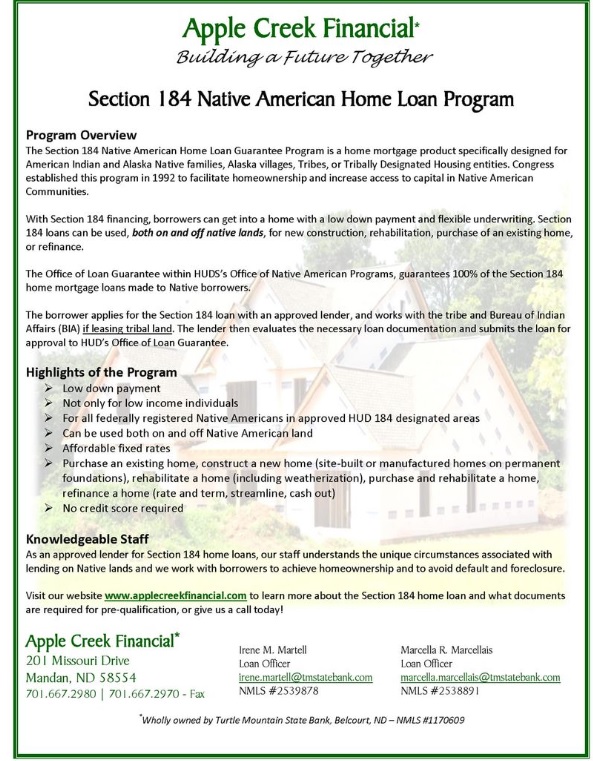
Before diving into the specifics of foreclosure, it’s essential to understand the general framework of Native American home loan programs. The primary vehicle is the HUD Section 184 Indian Home Loan Guarantee Program. Established in 1992, this program is designed to provide Native American and Alaska Native families with access to affordable homeownership, both on and off trust lands, in eligible areas. It achieves this by guaranteeing loans made by private lenders, reducing the risk for those lenders and encouraging them to serve Native communities.
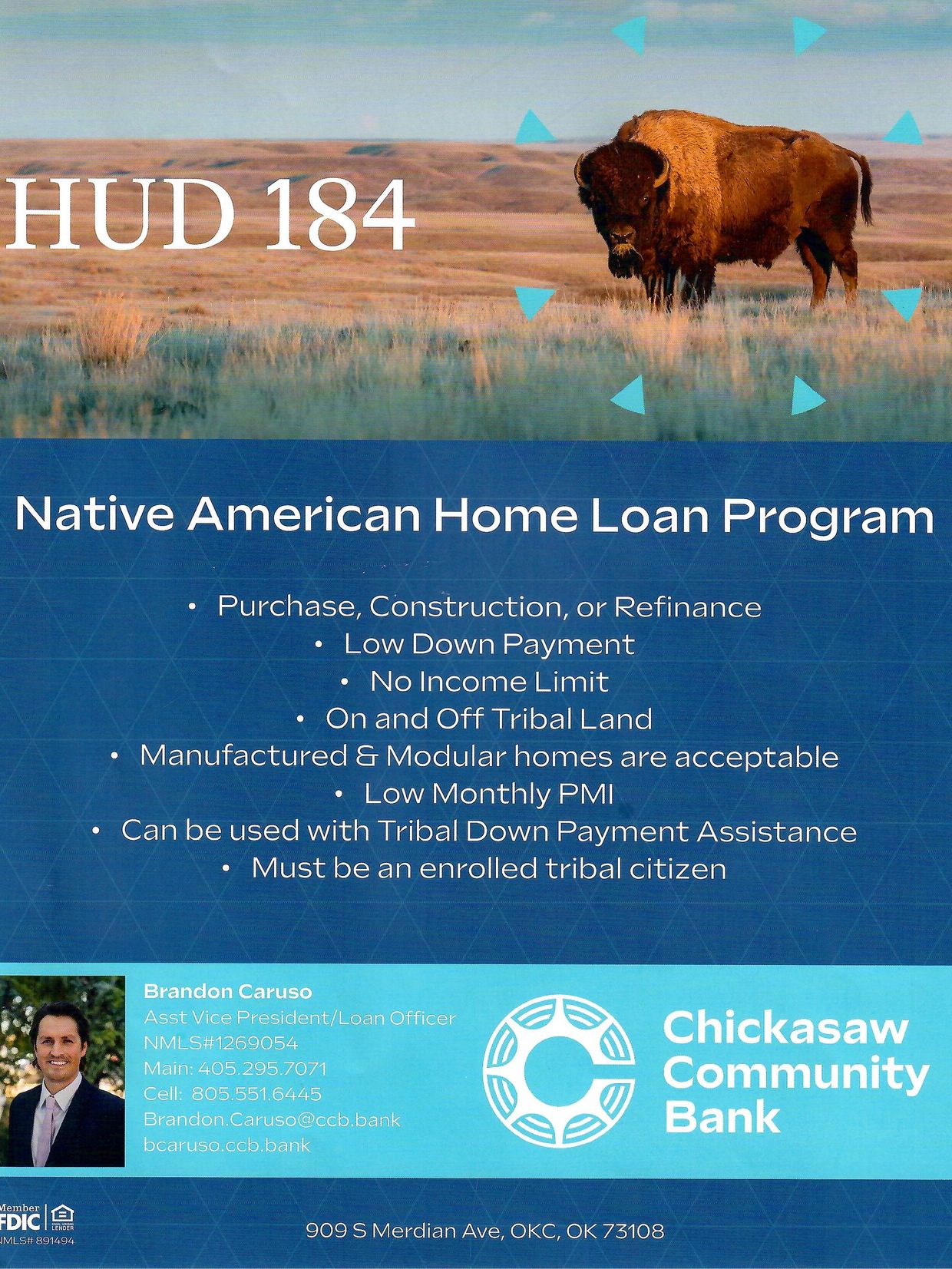
While other options like VA loans (for eligible veterans), USDA Rural Development loans, or conventional loans exist, Section 184 is uniquely tailored to the specific needs and challenges faced by Native communities, including considerations for land tenure on trust lands. Its flexibility in underwriting and focus on supporting Native families make it the cornerstone of homeownership initiatives for this population.
The Elephant in the Room: Previous Foreclosure
A previous foreclosure is one of the most significant red flags on a credit report for any prospective borrower. It signals to lenders that a borrower previously failed to meet their mortgage obligations, leading to the repossession of the property. Standard lending guidelines for conventional, FHA, and even VA loans typically impose strict waiting periods before a borrower can qualify for a new mortgage after a foreclosure:
- Conventional Loans: Often 7 years, though sometimes 3-4 years with significant mitigating circumstances and a larger down payment.
- FHA Loans: Typically 3 years from the date of the foreclosure sale.
- VA Loans: Usually 2 years from the date of the foreclosure sale.
These waiting periods are designed to allow borrowers time to rebuild their credit, demonstrate financial stability, and save for a down payment. For many, these timelines can feel daunting, if not impossible. This is where the Section 184 program’s unique approach can offer a glimmer of hope.
HUD Section 184: A Closer Look for Borrowers with Foreclosure
The HUD Section 184 program, while not a "get out of jail free" card, offers more nuanced consideration for borrowers with a foreclosure history compared to traditional lending programs.
Eligibility for Section 184 (Refresher):
- Must be an enrolled member of a federally recognized tribe or an Alaska Native.
- The property must be located in an eligible area (which includes most tribal lands and many off-reservation areas).
- Meet standard income, credit, and property requirements, although these are often more flexible than conventional loans.
The Foreclosure Clause within Section 184:
Unlike some programs, Section 184 guidelines specifically address previous foreclosures. The general rule is a three-year waiting period from the date of the foreclosure sale before a borrower can be approved for a new Section 184 loan.
However, and this is the critical distinction, Section 184 allows for mitigating circumstances that can potentially shorten or even waive this waiting period. This flexibility is a cornerstone of the program’s design, acknowledging that life events beyond a borrower’s control can lead to financial distress.
What are Mitigating Circumstances?
Mitigating circumstances are verifiable events that directly contributed to the foreclosure and were largely outside the borrower’s control. Examples include:
- Loss of Employment: Involuntary job loss, especially if it was sudden or prolonged.
- Serious Illness or Disability: A major medical event affecting the borrower or an immediate family member, leading to significant medical debt or inability to work.
- Divorce or Separation: A sudden and unamicable separation that drastically altered household income and expenses.
- Death of a Primary Wage Earner: The unexpected loss of a spouse or partner who contributed significantly to the household income.
- Natural Disaster: A catastrophic event that destroyed the home or rendered the borrower unable to work.
How it Works:
If a borrower can clearly document and explain their mitigating circumstances, the Section 184 lender, in consultation with HUD’s Office of Native American Programs (ONAP), may be able to approve a loan even if the three-year waiting period has not fully elapsed. The key is a clear, consistent, and well-documented narrative that demonstrates:
- The event was genuinely outside your control.
- It directly caused the financial hardship leading to foreclosure.
- You have since recovered financially and are now stable.
- You have demonstrated a renewed commitment to financial responsibility.
This requires diligent record-keeping, a strong letter of explanation, and often, a track record of improved credit behavior since the foreclosure.
Advantages (Pros) of Native American Home Loans After Foreclosure
- More Flexible Underwriting: Section 184 offers significantly more flexible underwriting guidelines compared to conventional loans. While credit history is still important, lenders are often more willing to look beyond a single negative event like a foreclosure, especially if there are documented mitigating circumstances and a demonstrated path to recovery.
- Potential for Shorter Waiting Periods: As discussed, the ability to waive or shorten the typical three-year waiting period due to documented mitigating circumstances is a monumental advantage. This can save borrowers years of waiting, allowing them to re-enter the housing market sooner.
- Lower Down Payment Requirements: Section 184 loans typically require a very low down payment: 2.25% for loans over $50,000 and 1.25% for loans under $50,000. This is a substantial benefit for individuals rebuilding finances after a foreclosure, as saving a large down payment can be challenging.
- No Private Mortgage Insurance (PMI): Unlike FHA loans, which require mortgage insurance premiums for the life of the loan (unless a large down payment is made), Section 184 loans do not require PMI. Instead, they have a one-time guarantee fee (1.5% of the loan amount, which can be financed into the loan), resulting in lower monthly payments over the long term.
- Competitive Interest Rates: Because the loans are guaranteed by HUD, lenders can offer competitive interest rates, often comparable to FHA or VA rates, which can be lower than rates for borrowers with less-than-perfect credit seeking conventional financing.
- Support for On- and Off-Reservation Land: The program is designed to work seamlessly with various land tenure issues, including trust land, individually allotted land, and fee simple land. This is crucial for Native Americans seeking to build homes on their ancestral lands, which often present unique challenges for conventional lenders.
- Dedicated Program Support: HUD’s Office of Native American Programs (ONAP) provides support and oversight for the Section 184 program, ensuring its integrity and assisting both lenders and borrowers in navigating the process.
- Focus on Community and Cultural Understanding: Lenders approved to offer Section 184 loans often have a deeper understanding of the unique challenges and cultural contexts of Native American communities, leading to a more empathetic and effective lending experience.
Disadvantages (Cons) of Native American Home Loans After Foreclosure
- Still a Waiting Period (Even if Flexible): While potentially shorter, a waiting period for foreclosure generally still exists. It’s not an immediate solution, and borrowers must demonstrate a period of financial stability after the foreclosure.
- Requires Strong Documentation and Explanation: Leveraging the mitigating circumstances clause demands meticulous documentation. Borrowers must provide clear, verifiable evidence of the events that led to foreclosure and a compelling narrative explaining their recovery. This can be time-consuming and emotionally taxing.
- Credit Repair is Still Essential: Regardless of the program’s flexibility, a borrower’s credit score and history after the foreclosure are critically important. Lenders will want to see consistent on-time payments, a reduction in debt, and a generally improved financial picture. Section 184 is not a substitute for responsible financial behavior.
- Limited Number of Approved Lenders: While the program is nationwide, not all lenders offer Section 184 loans. Borrowers may need to seek out specialized lenders who are familiar with the program and its nuances, particularly regarding foreclosure guidelines. This can limit options and require more research.
- Property Eligibility Requirements: Properties financed through Section 184 must meet specific HUD standards, including appraisals by HUD-approved appraisers. While generally reasonable, these requirements can sometimes present challenges, especially for homes in more rural or unique tribal land settings.
- Not a "Get Out of Jail Free" Card: It’s crucial to understand that Section 184 is a second chance program, not an automatic approval for anyone with a foreclosure. Lenders still assess risk, and borrowers must demonstrate they are now a reliable credit risk.
- Awareness and Education Gap: Even among some lenders, there can be a lack of in-depth understanding of the Section 184 program’s flexibility, especially concerning foreclosure. Borrowers may need to advocate for themselves and ensure they are working with truly knowledgeable loan officers.
- Potential for Higher Interest Rates with Poor Credit: While rates are generally competitive, if a borrower’s credit score is still very low post-foreclosure, even with Section 184 flexibility, they might end up with a higher interest rate than someone with excellent credit, reflecting the residual risk.
Steps to Rebuilding and Applying
For Native Americans with a previous foreclosure looking to utilize Section 184, a strategic approach is key:
- Obtain and Review Your Credit Report: Understand exactly what lenders see. Dispute any inaccuracies.
- Seek Credit Counseling: A HUD-approved housing counselor or credit counseling agency can help you create a plan to improve your credit score and manage debt.
- Rebuild Your Credit: Focus on consistent, on-time payments for all current debts. Consider a secured credit card or small loan to demonstrate responsible credit use.
- Save for a Down Payment and Closing Costs: Even with low down payment requirements, having funds for closing costs and a modest down payment shows financial responsibility.
- Gather Documentation for Mitigating Circumstances: Collect all relevant papers (termination letters, medical bills, divorce decrees, death certificates) that explain your foreclosure. Write a clear, concise, and honest letter of explanation.
- Find an Approved Section 184 Lender: This is perhaps the most critical step. Look for lenders with a proven track record of working with Native American borrowers and a deep understanding of the Section 184 program, especially its provisions for foreclosure.
- Be Patient and Persistent: The process may take time, and you might need to try multiple lenders.
Recommendation: Is it a "Buy"?
For Native American individuals with a previous foreclosure, the HUD Section 184 Indian Home Loan Guarantee Program is an unequivocal "BUY" – provided the borrower has diligently worked to address the root causes of the foreclosure, rebuilt their credit, and established financial stability.
It is not a magical solution that erases past mistakes, but rather a powerful tool designed to offer a second chance. Its unique flexibility regarding foreclosure waiting periods, coupled with low down payments and competitive rates, makes it an invaluable resource that is often superior to conventional, FHA, or VA options for this specific demographic and scenario.
However, the "buy" recommendation comes with a strong caveat: this program demands commitment. It requires honest self-assessment, disciplined financial planning, and the courage to gather and present the sometimes painful details of a past financial hardship. Those who approach it with diligence, transparency, and a genuine desire to become responsible homeowners will find Section 184 to be an incredibly empowering pathway back to the dream of owning a home.
Conclusion
The journey back to homeownership after a foreclosure can be arduous, but for Native Americans, the HUD Section 184 Indian Home Loan Guarantee Program shines as a beacon of opportunity. By understanding its unique provisions for mitigating circumstances, borrowers can potentially navigate the restrictive waiting periods that would otherwise bar them from the housing market.
This program is more than just a loan; it’s a testament to resilience, a commitment to community, and a pathway to rebuilding financial stability and generational wealth. For those who have faced the hardship of foreclosure, Section 184 offers not just a house, but a chance to rebuild a home and secure a future. The recommendation is clear: research, prepare, and engage with this program. Your dream of homeownership, even after a stumble, is within reach.


