Unlocking the Dream: A Comprehensive Review of Native American Home Loans for the Financially Savvy Beginner
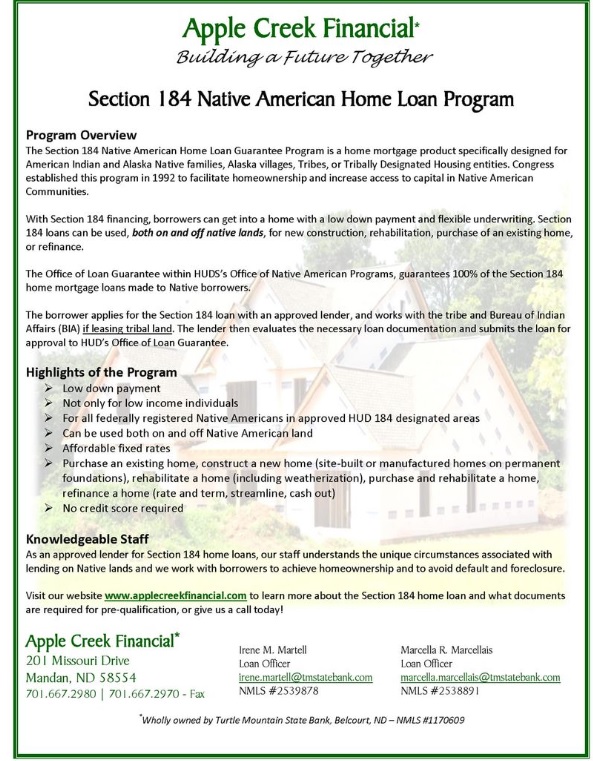
The dream of homeownership is a cornerstone of the American ideal – a place to build equity, create stability, and foster family memories. For many Native American individuals and families, however, this dream has historically been fraught with unique challenges, including complex land tenure systems, limited access to traditional financial institutions, and the lingering effects of systemic economic disparities. Recognizing these barriers, specialized home loan programs have been developed to bridge the gap, most notably the HUD Section 184 Indian Home Loan Guarantee Program.
This article aims to provide a comprehensive "product review" of these vital financial tools, primarily focusing on the Section 184 program, but also touching on other avenues. Our target audience is individuals with limited financial literacy, meaning we will break down complex concepts, highlight crucial considerations, and offer actionable advice in clear, accessible language. We will explore the benefits and drawbacks, dissecting how these loans perform in the real world, and ultimately offer a recommendation on their suitability for your homeownership journey.
Understanding the "Product": The HUD Section 184 Indian Home Loan Guarantee Program
Think of the Section 184 program not as a direct loan from the government, but as a special guarantee from the U.S. Department of Housing and Urban Development (HUD). This guarantee is what makes the "product" so powerful. When you apply for a Section 184 loan, you work with a private lender (like a bank or credit union) just as you would for a conventional loan. However, because HUD promises to cover a significant portion of the loan if you default, the lender takes on less risk. This reduced risk encourages lenders to offer more favorable terms to eligible Native American borrowers that they might not otherwise provide.

Who is this "Product" for?
The Section 184 program is specifically designed for:
- Eligible Native American individuals: Members of federally recognized tribes.
- Alaska Native individuals.
- Tribal governments or Tribally Designated Housing Entities (TDHEs).
What does it finance?
This program can be used for:

- Purchasing an existing home.
- Constructing a new home.
- Rehabilitating or modernizing an existing home.
- Refinancing a home.
Crucially, Section 184 loans can be used on trust land, restricted land, and fee simple land. This is a monumental distinction from most conventional loans, which often struggle with the unique legal complexities of tribal lands.
Beyond Section 184: Other Avenues for Native American Homeownership
While Section 184 is the most prominent federal program, it’s important to know there are other "products" or pathways that may be available:
- Tribal Housing Programs: Many tribes offer their own housing assistance programs, down payment assistance, or even direct loans to their members. These can be excellent resources, often tailored to specific tribal needs and customs.
- Community Development Financial Institutions (CDFIs): These are specialized financial institutions that serve economically disadvantaged communities. Many CDFIs focus on Native American communities and offer flexible loan products, financial education, and personalized support.
- USDA Rural Development Loans (Section 502): For those living in eligible rural areas, USDA loans offer zero down payment options and can be another viable pathway, though they generally do not address trust land complexities as directly as Section 184.
- FHA, VA, and Conventional Loans: These standard loan products are available to Native Americans just like any other borrower. However, they typically do not work for homes on trust land and may have stricter credit and down payment requirements, making them less accessible for some.
The "Product" Review: Pros (Kelebihan) of Native American Home Loans
When evaluating a product, we look at its features and how they benefit the user. Native American home loan programs, especially Section 184, offer several significant advantages, particularly for those new to the complexities of home finance:
-
Lower Down Payment Requirements: Section 184 typically requires a very low down payment, often as little as 2.25% for loans over $50,000, and 1.25% for loans under $50,000. This is a huge benefit for individuals who may not have substantial savings, making the dream of homeownership more immediately achievable.
- Benefit for Beginners: Less upfront cash needed means a quicker path to homeownership without years of intense saving.
-
Flexible Credit Guidelines: While you still need to demonstrate creditworthiness, Section 184 lenders often have more flexible underwriting standards compared to conventional loans. They may consider non-traditional credit references (like rent payments, utility bills, or even tribal loan payments) if you have a limited credit history.
- Benefit for Beginners: Recognizes that not everyone has a long, established credit report, making it easier for those starting out to qualify.
-
Eligibility for Trust and Restricted Lands: This is arguably the most critical feature. The ability to use these loans on tribal trust or restricted lands is a game-changer. These lands often have unique legal frameworks that deter traditional lenders, but Section 184 provides a mechanism to secure financing.
- Benefit for Beginners: Opens up homeownership opportunities in areas where traditional financing is impossible, allowing individuals to stay on ancestral lands.
-
Fixed Interest Rates: Section 184 loans typically come with fixed interest rates. This means your interest rate and monthly principal and interest payment will remain the same for the life of the loan, providing predictability and stability.
- Benefit for Beginners: Eliminates the stress and confusion of fluctuating payments, making budgeting much simpler and more predictable.
-
No Geographic Restrictions (within eligibility): While designed for Native Americans, Section 184 loans can be used to purchase a home anywhere in the U.S. where an eligible borrower wants to live, not just on or near reservations.
- Benefit for Beginners: Provides flexibility for where you can establish your home.
-
Emphasis on Education and Counseling: Many lenders and housing agencies working with Section 184 borrowers strongly encourage or even require pre-purchase housing counseling. These counselors can help you understand the homebuying process, manage your finances, and navigate the paperwork.
- Benefit for Beginners: Provides invaluable support and education, directly addressing the challenge of limited financial literacy.
The "Product" Review: Cons (Kekurangan) of Native American Home Loans
Like any financial product, Native American home loans also have certain drawbacks or complexities that borrowers, especially those new to finance, should be aware of:
-
Limited Pool of Lenders: Not all banks and mortgage companies offer Section 184 loans. You’ll need to find a HUD-approved Section 184 lender, which might limit your options and competitive shopping compared to conventional loans.
- Challenge for Beginners: Requires specific research to find approved lenders, which might feel overwhelming.
-
Mortgage Insurance Premium (MIP): Section 184 loans require both an upfront mortgage insurance premium (UFMIP) and an annual mortgage insurance premium (MIP). The UFMIP is a one-time fee (currently 1% of the loan amount) that can be financed into the loan, and the annual MIP is paid monthly. This protects the lender in case you default.
- Challenge for Beginners: Adds to the overall cost of the loan, which might not be immediately obvious. It’s an extra expense that needs to be factored into your budget.
-
Property Requirements and Appraisals: Homes financed with Section 184 loans must meet HUD’s minimum property standards. This can sometimes be a challenge on tribal lands where infrastructure (like roads, water, or sewage) might be less developed, or unique construction methods are used. The appraisal process on trust land can also be more complex.
- Challenge for Beginners: Requires understanding property standards and navigating potentially complex appraisals, which might delay the process or necessitate repairs.
-
Bureaucracy and Paperwork: While designed to be accessible, navigating any home loan process involves a significant amount of paperwork and understanding various legal documents. For someone with limited financial literacy, this can still feel overwhelming.
- Challenge for Beginners: The sheer volume of forms and legal jargon can be intimidating, requiring diligence and a willingness to ask many questions.
-
Still Requires Qualification: While flexible, Section 184 is not a handout. You still need to demonstrate a stable income, an ability to repay the loan, and a reasonable debt-to-income ratio. If your income is highly inconsistent or your existing debt is too high, you may still face challenges.
- Challenge for Beginners: It’s not a guaranteed approval; financial discipline and planning are still essential.
-
Risk of Misinformation or Predatory Lending: Unfortunately, any program designed to help vulnerable populations can attract individuals or companies looking to exploit. Some lenders or "consultants" might not fully understand the program or could offer misleading advice.
- Challenge for Beginners: Highlights the critical need for vigilance, seeking multiple opinions, and working with reputable, HUD-approved entities.
Navigating the Journey: A Step-by-Step Guide for Beginners
For those with limited financial literacy, embarking on the homeownership journey can seem like climbing a mountain. Here’s how to approach Native American home loans with confidence:
- Educate Yourself First: This article is a start! Continue learning about basic financial concepts: budgeting, saving, credit scores, interest rates. There are many free online resources and local workshops.
- Check Your Eligibility: Confirm your tribal affiliation. This is the absolute first step for Section 184.
- Understand Your Finances:
- Budget: Create a realistic budget to see how much you can comfortably afford for a monthly mortgage payment, property taxes, insurance, and utilities.
- Credit Score: Obtain a free copy of your credit report (AnnualCreditReport.com). Understand what’s on it. If your score is low or you have errors, start working to improve it. Pay bills on time, reduce debt, and avoid opening too many new accounts.
- Savings: Start saving for your down payment and closing costs. Even though the down payment is low, closing costs (fees associated with finalizing the loan) can add up to 2-5% of the loan amount.
- Seek Housing Counseling: This is perhaps the most important step for someone with limited financial literacy. Contact a HUD-approved housing counseling agency. They offer free or low-cost advice, can help you understand your credit, develop a budget, and navigate the entire homebuying process. They act as your trusted guide.
- Find a HUD-Approved Section 184 Lender: Ask your tribal housing authority, local HUD office, or housing counselor for a list of approved lenders. Shop around with a few to compare terms and service.
- Pre-Approval: Get pre-approved for a loan. This means a lender reviews your finances and tells you how much you can borrow, giving you a clear budget when house hunting.
- Find a Home: Work with a real estate agent who understands Section 184 loans and tribal land issues, if applicable.
- Undergo the Process: Be prepared for document requests and questions from your lender. Don’t be afraid to ask for explanations for anything you don’t understand. Your housing counselor can help here too.
- Closing: This is when you sign all the final paperwork. Again, have someone you trust review documents with you, and don’t sign anything you don’t fully comprehend.
Recommendation: Is a Native American Home Loan Right for You?
Based on our review, the HUD Section 184 Indian Home Loan Guarantee Program (and similar tribal/CDFI initiatives) is an excellent and highly recommended "product" for eligible Native American individuals and families, especially those with limited financial literacy, who aspire to homeownership.
Why the strong recommendation?
It directly addresses many of the historical and systemic barriers to homeownership for Native Americans, particularly the critical issue of financing on trust land. Its flexible underwriting, low down payment, and fixed interest rates make it uniquely accessible.
However, this recommendation comes with a crucial caveat: The "product" performs best when the "user" is educated and engaged. While the program itself is designed to be accessible, navigating the homebuying process still requires diligence.
Our "purchase" recommendation is this:
- Yes, pursue these loans if you are an eligible Native American and dream of homeownership.
- But, invest heavily in your financial education beforehand and throughout the process.
- Actively seek support: Utilize HUD-approved housing counselors. They are your advocates and educators.
- Ask questions, question everything: Never be afraid to ask your lender, real estate agent, or housing counselor to explain terms, documents, or processes until you fully understand.
For those with limited financial literacy, these programs are not just loans; they are pathways to empowerment, stability, and generational wealth. They are a powerful tool, but like any tool, their effectiveness depends on how well you learn to use them. Start learning today, seek guidance, and unlock your dream of homeownership.
Disclaimer: This article provides general information and should not be considered professional financial or legal advice. Always consult with a qualified financial advisor, housing counselor, or lender to discuss your specific situation and needs.


