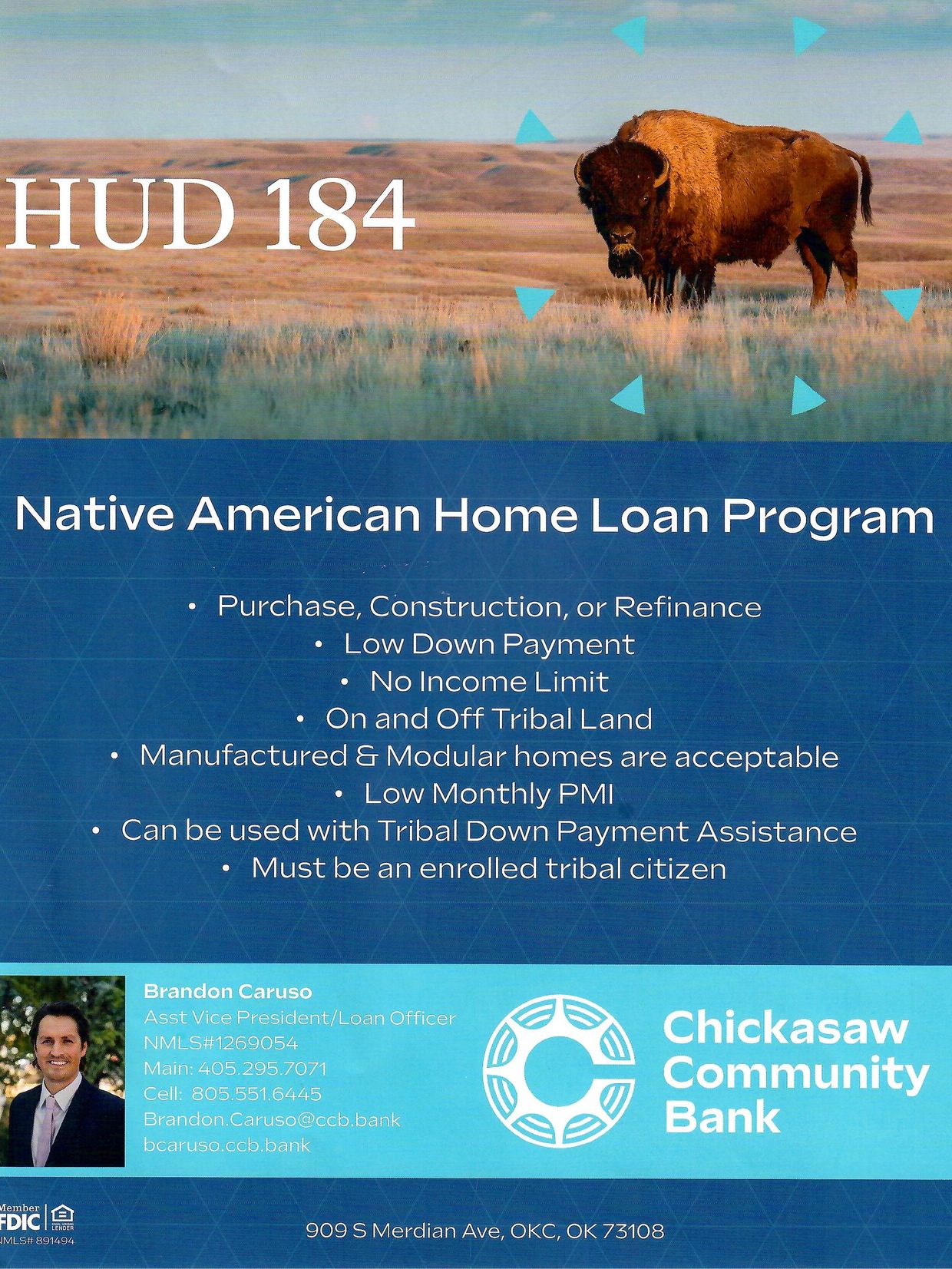
Unlocking Homeownership: A Review of Native American Home Loans for Low Down Payment Savers
The dream of homeownership is a universal aspiration, representing stability, wealth building, and a place to call one’s own. However, for many individuals, particularly those with limited savings, the formidable hurdle of a down payment can make this dream seem perpetually out of reach. This challenge is often amplified within Native American communities, where historical inequities, unique land tenure systems, and economic disparities have created persistent barriers to accessing conventional mortgage products.
Fortunately, specialized programs exist to address these specific needs, offering a lifeline to Native American individuals and families seeking to purchase a home with a minimal or no down payment. This comprehensive review will delve into the landscape of Native American home loan programs, with a particular focus on the Section 184 Indian Home Loan Guarantee Program. We will explore its features, benefits, drawbacks, and ultimately provide a robust recommendation for individuals with limited down payment savings.
The Landscape of Indigenous Homeownership Challenges
Before diving into the specifics of the loan programs, it’s crucial to understand the context. For generations, Native American communities have faced systemic barriers to homeownership. On tribal lands, the complex nature of land trusts and communal ownership often complicates the collateral requirements of conventional lenders. Off-reservation, lower average incomes, credit challenges, and a lack of access to mainstream financial education can create significant hurdles. The conventional mortgage market, designed for different circumstances, frequently fails to adequately serve the unique needs and realities of Indigenous populations.

This is where specialized programs step in, designed not just to offer a loan, but to serve as a tool for economic empowerment and community development within tribal nations. These programs acknowledge the unique legal, cultural, and economic circumstances that define Indigenous communities, offering flexible underwriting and tailored solutions.
Product Spotlight: The Section 184 Indian Home Loan Guarantee Program
At the heart of Native American home loan solutions for low down payment savers is the Section 184 Indian Home Loan Guarantee Program. Administered by the U.S. Department of Housing and Urban Development (HUD) Office of Native American Programs (ONAP), Section 184 is not a direct loan but a loan guarantee program. This means that HUD guarantees the mortgage loan made by a private lender (like a bank or credit union) to an eligible Native American borrower. This guarantee significantly reduces the risk for lenders, encouraging them to offer loans to a population segment they might otherwise deem too risky or complex.
Eligibility for Section 184 is specific:
- Borrowers must be an enrolled member of a federally recognized American Indian or Alaska Native Tribe.
- The property can be located on or off trust land, in an approved Indian Area, or in a HUD-approved non-Indian Area.
- The loan can be used for purchasing a new or existing home, constructing a home, rehabilitating a home, or refinancing an existing mortgage.

This program stands out because it directly addresses the down payment barrier, alongside other common obstacles.
Advantages: The Benefits of Section 184 for Low Down Payment Savers
For individuals grappling with limited down payment savings, Section 184 offers a compelling suite of advantages:
-
Minimal Down Payment Requirements: This is arguably the most significant benefit. For loans over $50,000, the down payment is typically only 2.25% of the loan amount. For loans $50,000 or less, it’s an even lower 1.25%. This is significantly less than the 3% to 20% often required by conventional mortgages, making homeownership accessible to a much wider demographic. For context, on a $250,000 home, a 2.25% down payment is just $5,625, compared to $50,000 for a 20% down payment.
-
Flexible Underwriting Guidelines: Section 184 recognizes that credit histories and income structures can differ from conventional norms. Lenders are encouraged to use more flexible underwriting, allowing for:
- Non-traditional credit histories: Utility bills, rent payments, and other non-standard credit references can be considered.
- Acceptance of gift funds: Down payments and closing costs can often come from gifts from family, tribal entities, or other approved sources, further reducing the personal savings burden.
- Lower credit score requirements: While a good credit score is always beneficial, Section 184 can accommodate borrowers with lower scores than many conventional loans.
-
Competitive Interest Rates: Because the loan is guaranteed by HUD, lenders perceive less risk, which often translates to more favorable and competitive interest rates for borrowers. These rates are typically fixed for the life of the loan, providing predictable monthly payments.
-
Affordable Mortgage Insurance: Unlike FHA loans, which require upfront and ongoing mortgage insurance (MIP), Section 184 has a one-time upfront guarantee fee of 1.00% of the loan amount, which can be financed into the loan. There is no annual mortgage insurance premium, saving borrowers significant money over the life of the loan.
-
Broad Geographic Reach: Section 184 loans can be used to purchase homes both on and off reservation lands, including trust land, restricted land, and fee simple land. This flexibility is critical for Native American individuals who may live in diverse geographic locations but wish to access a program tailored to their heritage.
-
Support for Community Development: Beyond individual homeownership, Section 184 indirectly supports tribal self-determination and economic development. By facilitating homeownership, it contributes to wealth creation within Native communities, fostering stability and growth.
-
No Loan Term Limits: Unlike some programs, Section 184 does not impose specific term limits on the loan, allowing for standard 15-year or 30-year fixed-rate mortgages.
Disadvantages: The Drawbacks and Limitations
While Section 184 is a powerful tool, it’s important to acknowledge its limitations and potential drawbacks:
-
Tribal Enrollment Requirement: This is the most significant exclusionary factor. Only enrolled members of federally recognized tribes are eligible. This means non-Native spouses or individuals of Native descent not formally enrolled in a federally recognized tribe cannot directly access this program, even if they identify as Indigenous.
-
Limited Lender Availability: Not all mortgage lenders are approved to offer Section 184 loans. Borrowers may need to actively seek out specific lenders who participate in the program, which can sometimes limit options or require more effort in the search process.
-
Specific Property Requirements and Appraisals: While Section 184 accommodates various land types, properties on trust land or with complex ownership structures may require specialized appraisals and additional legal documentation. This can sometimes prolong the loan process and may require appraisers familiar with tribal land issues.
-
Geographic Limitations (for some off-reservation areas): While the program has broad reach, homes must be located in "Indian Areas" as defined by HUD, or specific HUD-approved non-Indian areas. While this covers most of the U.S., it’s not universally available in every single county or town. Borrowers must confirm their desired property location falls within an eligible area.
-
Processing Time: Due to the specialized nature of the program, the requirement for HUD approval, and the potential complexities of tribal land issues, the loan processing time can sometimes be longer than for a conventional loan. Patience and thorough documentation are key.
-
Educational and Awareness Gap: Many Native Americans, and even some lenders, are not fully aware of the Section 184 program or how it works. This lack of awareness can hinder access and utilization, requiring borrowers to be proactive in their research and advocacy.
-
One-Time Guarantee Fee: While the absence of annual mortgage insurance is a pro, the 1.00% upfront guarantee fee, even if financed, adds to the total loan amount and is an additional cost to consider.
Who is this "Product" For? (Target Audience)
The Section 184 Indian Home Loan Guarantee Program is an ideal solution for:
- Enrolled members of federally recognized American Indian or Alaska Native Tribes: This is the primary and non-negotiable eligibility criterion.
- First-time homebuyers: The low down payment and flexible underwriting make it particularly well-suited for individuals new to the homebuying process.
- Individuals with limited down payment savings: This program directly addresses the most significant barrier for many aspiring homeowners.
- Those seeking to purchase a home on tribal trust land: It offers a pathway to homeownership that conventional loans often cannot.
- Borrowers who may have a non-traditional credit history: The program’s flexibility in assessing creditworthiness is a major advantage.
- Individuals looking for stable, fixed-rate financing with affordable mortgage insurance: The competitive rates and low guarantee fee offer long-term financial predictability.
Recommendations for "Purchasing" (Accessing) This Program
If you are an enrolled member of a federally recognized tribe and have limited down payment savings, the Section 184 program is highly recommended. To successfully navigate and "purchase" this home loan product, consider the following steps:
-
Educate Yourself Thoroughly: Start by visiting the HUD Office of Native American Programs (ONAP) website. Understand the program’s specifics, eligibility, and the documentation you’ll need. The more informed you are, the smoother the process will be.
-
Contact Your Tribal Housing Authority: Your tribe’s housing authority or tribal government is an invaluable resource. They can provide specific information about local programs, offer homebuyer education, and connect you with approved lenders or counselors familiar with Section 184.
-
Improve Your Credit Score: While Section 184 offers flexible underwriting, a stronger credit score will always lead to better terms and a smoother approval process. Work on paying down debts, making payments on time, and checking your credit report for errors.
-
Seek Out HUD-Approved Section 184 Lenders: Use the HUD ONAP website to find a list of approved lenders in your area. Don’t assume every bank or credit union offers this product. Interview a few lenders to compare their services and ensure they are experienced with Section 184.
-
Get Pre-Approved: Before you start house hunting, get pre-approved for a Section 184 loan. This will give you a clear understanding of how much you can afford, make you a more attractive buyer to sellers, and streamline the actual loan application once you find a home.
-
Prepare Your Documentation: Be ready to provide proof of tribal enrollment, income verification (pay stubs, tax returns), bank statements, and any other financial documents your lender requests. Having these organized will expedite the process.
-
Consider Homebuyer Education: Many tribal housing authorities and non-profit organizations offer free or low-cost homebuyer education courses. These can equip you with essential knowledge about budgeting, credit, the mortgage process, and home maintenance.
-
Be Patient and Persistent: The homebuying process, especially with specialized programs, can take time. Stay in regular communication with your lender, respond promptly to requests for information, and don’t get discouraged by potential delays.
Conclusion
The dream of homeownership, often overshadowed by the daunting prospect of a down payment, is within reach for Native American individuals through programs like the Section 184 Indian Home Loan Guarantee. This "product" is a powerful, purpose-built solution designed to overcome systemic barriers, offering low down payments, flexible underwriting, and competitive rates. While it has specific eligibility requirements and some logistical considerations, its advantages for those with limited savings are undeniable.
By understanding the program’s benefits and drawbacks, preparing diligently, and leveraging available tribal and governmental resources, eligible Native Americans can successfully navigate the path to homeownership. Section 184 is more than just a loan; it’s an empowering tool that fosters financial stability, strengthens communities, and helps to build generational wealth within Indigenous nations, making the dream of a place to call home a tangible reality.


