
Unlocking Homeownership: A Deep Dive into Native American Home Loans for Individuals with Non-Traditional Credit Histories
The dream of homeownership is a cornerstone of the American ideal, representing stability, wealth building, and a place to call one’s own. Yet, for many, particularly those within Native American and Alaska Native communities, this dream can seem elusive, often hampered by unique economic circumstances and the pervasive challenge of a "non-traditional credit history." Conventional lending models, heavily reliant on FICO scores and established credit lines, frequently overlook individuals who demonstrate financial responsibility through alternative means.
Fortunately, specialized home loan programs exist specifically designed to serve Native American and Alaska Native individuals, and crucially, they are often structured with the flexibility to accommodate non-traditional credit. This article will provide an in-depth review of these vital financial products, exploring their mechanisms, benefits, drawbacks, and ultimately, offering a recommendation for eligible individuals navigating the path to homeownership.
Understanding the Landscape: Specialized Home Loans for Native Americans
Traditional lending often assumes a linear financial journey: credit cards, car loans, and a mortgage. However, many individuals, particularly in communities where cash transactions are more common or access to mainstream financial services is limited, may not accumulate this conventional credit data. A non-traditional credit history might mean:
- Limited or No Credit File: The individual simply hasn’t used traditional credit products.
- "Thin File": Very few accounts, making it difficult for automated systems to assess risk.
- Reliance on Alternative Data: Consistent rent payments, utility bills, phone bills, insurance premiums, and even tribal loan payments that aren’t reported to major credit bureaus.
- Past Financial Hardship: While less ideal, some programs may offer pathways for those who have recovered from past issues not reflected in a high credit score.
Recognizing these realities, the U.S. government, in partnership with tribal entities, has developed programs to foster homeownership. The two primary programs we will focus on are the HUD Section 184 Indian Home Loan Guarantee Program and the VA Native American Direct Loan (NADL) Program. These are not merely standard loans with a tribal affiliation; they are uniquely structured to address the specific needs and challenges faced by Native Americans, including the critical issue of non-traditional credit.
Product Review: HUD Section 184 Indian Home Loan Guarantee Program
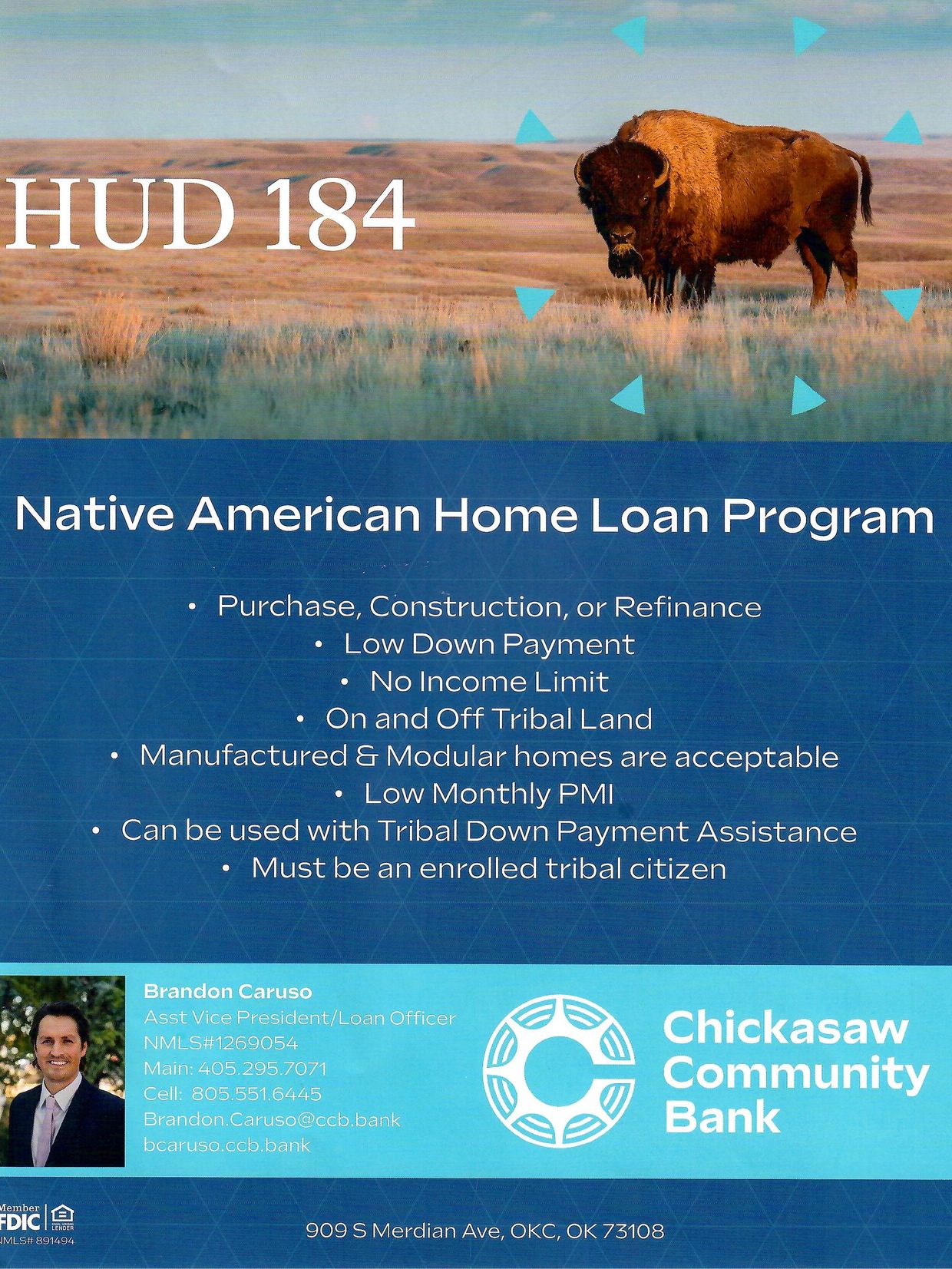
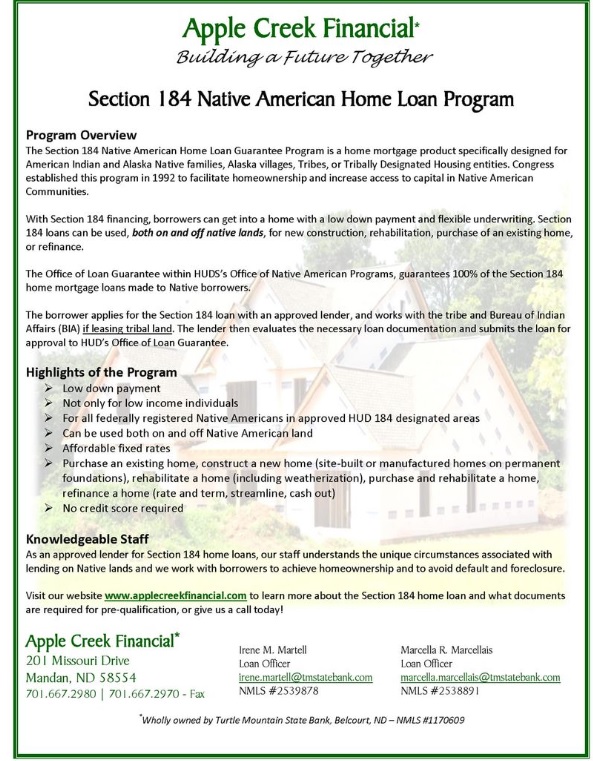
The HUD Section 184 program is a powerful tool designed to increase homeownership opportunities for Native Americans and Alaska Natives. It operates as a loan guarantee program, meaning the U.S. Department of Housing and Urban Development (HUD) guarantees loans made by private lenders to eligible Native American borrowers. This guarantee significantly reduces the risk for lenders, encouraging them to participate and offering more flexible underwriting criteria.
Key Features and How They Address Non-Traditional Credit:
- Eligibility: Must be an enrolled member of a federally recognized American Indian Tribe or Alaska Native Village. Spouses of eligible Native Americans are also eligible.
- Flexible Underwriting: This is arguably the program’s most significant advantage for individuals with non-traditional credit. Unlike conventional loans that heavily rely on FICO scores, Section 184 lenders are encouraged and trained to perform a "manual underwriting" process. This means:
- Alternative Credit Data: Lenders will actively consider verifiable alternative credit sources such as consistent rent payments, utility bills (electricity, gas, water), phone bills, insurance payments, and even educational or medical bill payment histories. The emphasis is on demonstrating a consistent pattern of timely payments.
- Holistic Financial Review: Underwriters look at the borrower’s overall financial picture, including income stability, employment history, savings, and debt-to-income ratio, rather than just a credit score. They understand that a low or non-existent FICO score doesn’t necessarily equate to high risk.
- Credit Counseling: Borrowers with challenging or non-existent credit histories may be required or strongly encouraged to participate in credit counseling, which helps build financial literacy and prepare them for homeownership responsibilities.
- Low Down Payment: Section 184 loans typically require a very low down payment: 2.25% for loans over $50,000 and just 1.25% for loans of $50,000 or less. This significantly reduces the upfront financial barrier to homeownership.
- Competitive Interest Rates: Because the loan is federally guaranteed, lenders can offer competitive interest rates, often comparable to or even better than conventional market rates.
- Property Location Flexibility: Loans can be used to purchase, construct, or rehabilitate homes both on and off tribal lands, in eligible areas. This is crucial for Native Americans who may live in urban centers or reservations.
- Loan Types: Available for fixed-rate mortgages, refinancing, and even new construction.
- One-Time Guarantee Fee: A one-time upfront guarantee fee (currently 1.5% of the loan amount) is charged, which can be financed into the loan. This replaces ongoing Private Mortgage Insurance (PMI) seen in many conventional low-down-payment loans.
Product Review: VA Native American Direct Loan (NADL) Program
The VA Native American Direct Loan (NADL) program is another excellent resource, specifically for eligible Native American veterans. This program differs from Section 184 in that the loan is provided directly by the Department of Veterans Affairs (VA), rather than guaranteed through a private lender.
Key Features and How They Address Non-Traditional Credit:
- Eligibility: Must be a Native American veteran (enrolled member of a federally recognized tribe or Alaska Native Village) who is eligible for VA home loan benefits.
- Property Location Restriction: A significant distinction is that NADL loans can only be used to purchase, construct, or improve homes on federal trust land or allotted land.
- No Down Payment: For eligible veterans, NADL offers 100% financing, meaning no down payment is required. This is an immense benefit for those with limited savings.
- Low Interest Rates: The VA sets the interest rate for NADL loans, which are typically very competitive and often lower than market rates.
- No Private Mortgage Insurance (PMI): Similar to other VA loans, NADL does not require PMI, saving borrowers a substantial amount over the life of the loan.
- Reduced Funding Fee: While most VA loans require a funding fee, the NADL program offers a reduced funding fee, further lowering the cost of borrowing.
- Flexible Underwriting for Veterans: The VA is renowned for its flexible underwriting, which extends to the NADL program. While veterans still need to demonstrate creditworthiness, the VA considers a broader range of factors than conventional lenders. This includes:
- Alternative Credit Data: The VA, like HUD 184, is open to considering alternative payment histories (rent, utilities, etc.) if a traditional credit file is thin or non-existent.
- Emphasis on Stability: Consistent employment, income, and a stable payment history are prioritized.
- Financial Counseling: The VA may also recommend or require financial counseling to assist veterans in understanding and managing their homeownership responsibilities.
Advantages (Pros) of Native American Home Loans for Non-Traditional Credit
- Accessibility for Non-Traditional Credit: This is the paramount advantage. Both HUD 184 and NADL are explicitly designed to look beyond traditional credit scores, opening doors for responsible individuals who would otherwise be locked out of the housing market.
- Lower Financial Barriers: Low (HUD 184) or no (NADL) down payment requirements significantly reduce the upfront cash needed, which is often a major hurdle for first-time homebuyers or those with limited savings.
- Competitive Interest Rates: The government backing or direct lending means these programs offer interest rates that are often as good as, or better than, conventional loans, making homeownership more affordable in the long run.
- Reduced Monthly Costs: The absence of PMI (NADL) or the one-time guarantee fee (HUD 184) means lower monthly housing expenses compared to many conventional loans with low down payments.
- Culturally Sensitive Approach: Lenders and program administrators involved with these loans are often more familiar with the unique economic and social contexts of Native American communities, leading to a more understanding and supportive application process.
- Financial Education and Support: Many lenders and tribal housing authorities offer or require financial literacy and homebuyer education courses, empowering borrowers with the knowledge needed to maintain their homes and manage their finances effectively.
- Community Development: These programs directly contribute to building generational wealth and stability within Native American communities, addressing historical inequities in homeownership rates.
- Flexibility in Property Types: While NADL is restricted to trust land, HUD 184 allows for purchases on or off tribal lands, including existing homes, new construction, and rehabilitation projects.
Disadvantages (Cons) of Native American Home Loans
- Eligibility Restrictions: The most significant drawback is that these programs are exclusively for enrolled members of federally recognized tribes (and eligible veterans for NADL). This limits their applicability to a specific demographic.
- Limited Lender Pool: While the number is growing, not all mortgage lenders are approved to offer HUD Section 184 loans. Finding a knowledgeable and experienced lender can require more research and may mean fewer options compared to conventional loans. NADL is direct from the VA, but the eligibility is also specific.
- Complexities of Tribal Land (Especially for NADL): Purchasing or building on tribal trust land introduces unique legal and administrative complexities. This involves navigating tribal housing codes, Bureau of Indian Affairs (BIA) approvals for leases (often 50-year leases for HUD 184 on trust land), and tribal council involvement, which can prolong the closing process significantly. While HUD 184 can be used off tribal lands, its application on tribal lands still requires these steps.
- Slower Processing Times: Due to the additional layers of approval (BIA, tribal council, HUD/VA oversight) and the manual underwriting process, these loans can sometimes take longer to close than conventional mortgages. Patience is key.
- Property Restrictions (NADL): The NADL program’s strict requirement for the property to be on trust land can be a limitation for veterans who wish to purchase homes in other locations.
- Guarantee Fee (HUD 184): While a benefit over ongoing PMI, the one-time 1.5% guarantee fee is an added cost that, even if financed, increases the total loan amount.
- Perception and Awareness: Despite their benefits, these programs may not be widely understood by all real estate agents or even some lenders, which can lead to initial hurdles or miscommunication during the homebuying process.
- Requires Due Diligence: Borrowers must be diligent in understanding the specific requirements of their chosen program, the nuances of tribal land ownership (if applicable), and in selecting an experienced lender.
Who Are These Loans For? (The Ideal Candidate)
These specialized home loans are an excellent fit for individuals who:
- Are an enrolled member of a federally recognized American Indian Tribe or Alaska Native Village (and an eligible veteran for NADL).
- Have a stable income and employment history but possess a limited or non-traditional credit history (e.g., no credit cards, reliance on cash transactions, or alternative payment records).
- Are committed to homeownership and willing to engage in financial education.
- Are looking for a loan with low or no down payment requirements.
- Are prepared to navigate a specialized application process that may involve additional steps, particularly if purchasing on tribal lands.
- Value the opportunity to build equity and contribute to community development.
Navigating the Application Process
For those considering these loans, the process typically involves:
- Verify Eligibility: Confirm your tribal enrollment status and, for NADL, your VA home loan eligibility.
- Find an Approved Lender: Seek out lenders explicitly approved for HUD Section 184 or those with experience in VA loans and the NADL program. Tribal housing authorities are an invaluable resource for recommendations.
- Gather Documentation: Be prepared to provide not only standard financial documents (pay stubs, bank statements, tax returns) but also any verifiable alternative credit documentation (rent receipts, utility bills, phone bills, insurance premium records, etc.).
- Pre-Qualification/Pre-Approval: Get pre-qualified or pre-approved to understand your borrowing capacity and demonstrate seriousness to sellers.
- Home Search: Find a home within the eligible areas. If on tribal land, understand the leasehold agreements and tribal regulations.
- Underwriting: The lender will conduct a thorough review, focusing on your overall financial stability and payment history, even if non-traditional.
- Closing: This stage involves finalizing all paperwork. If on tribal land, expect additional reviews and approvals from the BIA and/or tribal authorities, which can extend the timeline.
Purchase Recommendation & Conclusion
For eligible Native American individuals and veterans with non-traditional credit histories, Native American home loans, particularly the HUD Section 184 and VA Native American Direct Loan programs, come with a strong "Highly Recommended" purchase rating.
These are not merely financial products; they are critical pathways to equity, stability, and generational wealth for communities that have historically faced systemic barriers to homeownership. Their flexibility in underwriting for non-traditional credit makes them uniquely suited to address a prevalent challenge within these populations.
However, this recommendation comes with the caveat that borrowers must be proactive and patient. The process can be more involved than conventional loans, especially when dealing with tribal land. It requires diligent research to find an experienced lender, a willingness to provide detailed alternative credit documentation, and an understanding of the specific legal and administrative nuances.
In conclusion, for those who meet the eligibility criteria, these specialized home loan programs represent an unparalleled opportunity. They are designed to empower, educate, and facilitate the dream of homeownership, providing a tailored solution that acknowledges and addresses the unique financial realities of Native American and Alaska Native individuals. By embracing these programs, individuals can not only secure a home for themselves and their families but also contribute to the economic resilience and cultural preservation of their communities.


