
Bridging the Gap: A Comprehensive Review of Native American Home Loan Programs for Low-Income Individuals
Homeownership, often lauded as a cornerstone of the American Dream, represents stability, security, and a pathway to generational wealth. However, for many Native American individuals, particularly those with limited income and assets, this dream remains elusive. Decades of systemic economic disadvantages, unique land tenure complexities, and historical marginalization have created significant barriers to accessing conventional mortgage markets.
Fortunately, specialized loan programs and initiatives have emerged, designed to address these specific challenges and empower Native American individuals to achieve homeownership. This comprehensive review delves into these vital programs, examining their benefits, drawbacks, and offering a recommendation for those navigating this complex but ultimately rewarding journey.
The Unique Landscape of Native American Homeownership
Before diving into the programs, it’s crucial to understand the distinct context surrounding Native American homeownership. Unlike the general population, many Native Americans reside on trust lands or reservations, which are sovereign territories with unique legal frameworks. This includes:
- Trust Land Status: Land held in trust by the U.S. government for Native American tribes or individuals. This status complicates traditional mortgage lending, as the land itself cannot be directly mortgaged or foreclosed upon in the same way as fee simple land.
- Heirship Issues: On trust lands, land parcels are often passed down through generations without formal wills, leading to "fractionated ownership" where dozens or even hundreds of individuals may own a tiny share of a single plot. This makes it incredibly difficult to secure clear title for a home loan.
- Limited Infrastructure: Many tribal lands lack essential infrastructure like paved roads, water, sewer, and reliable internet, which can deter conventional lenders and increase construction costs.
- Economic Disparities: Native American communities disproportionately face higher rates of poverty, unemployment, and lower median incomes compared to the general U.S. population. This directly impacts creditworthiness, down payment savings, and overall loan eligibility.
- Lack of Traditional Credit History: Due to a reliance on cash transactions, informal economies, or lack of access to mainstream financial services, many Native Americans may have limited or non-existent traditional credit histories, making them appear "unbankable" to conventional lenders.
These factors necessitate the specialized, culturally sensitive, and flexible approaches offered by the programs discussed below.
Key Native American Home Loan Programs
Several programs stand out as critical pathways for low-income Native Americans seeking homeownership.
1. HUD Section 184 Indian Home Loan Guarantee Program
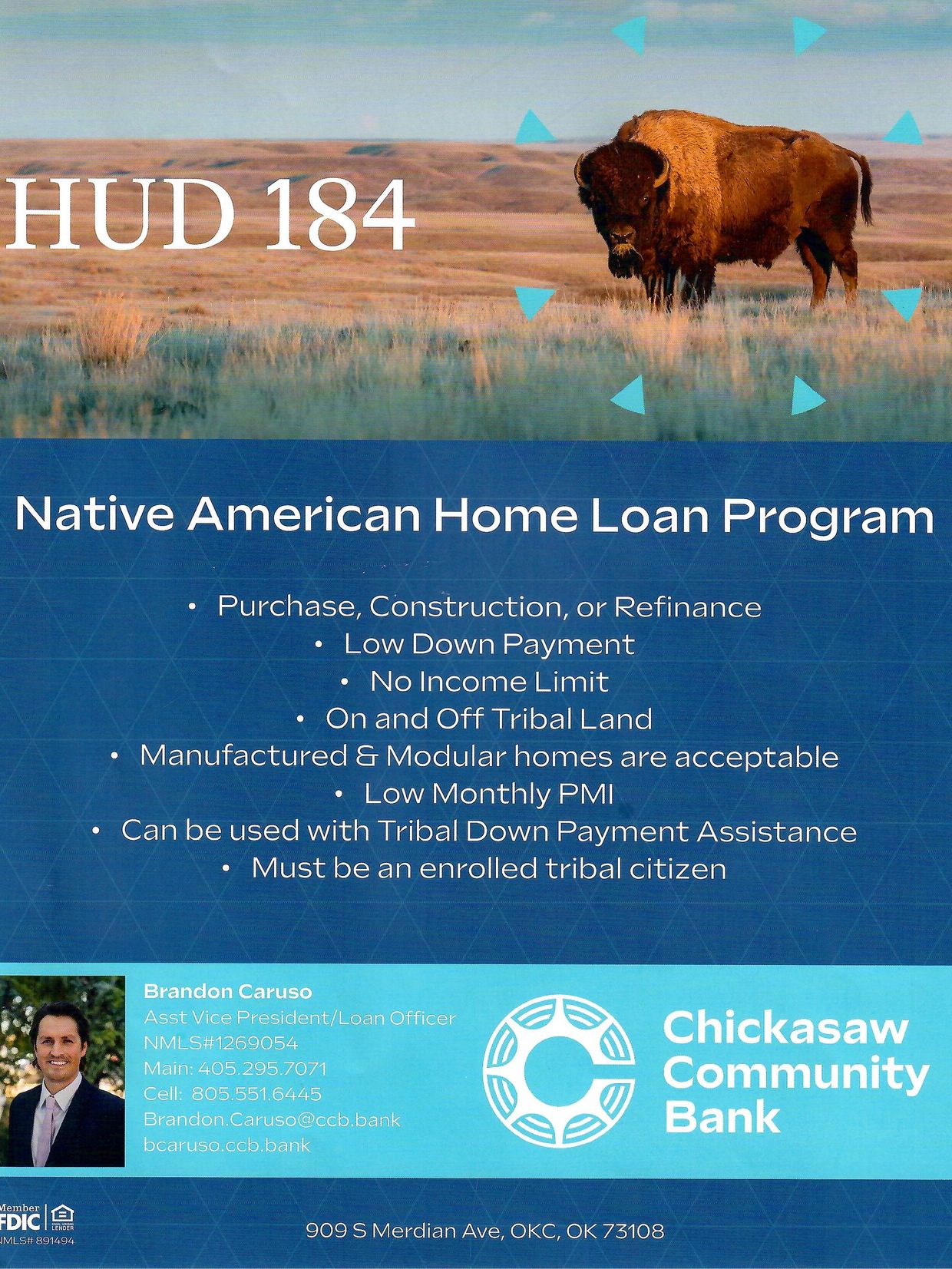
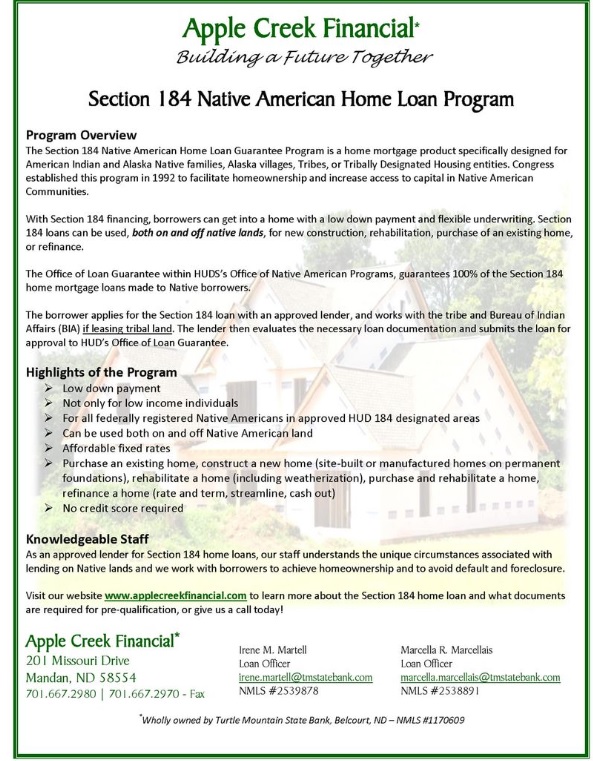
This is arguably the most impactful and widely utilized program. The Department of Housing and Urban Development (HUD) Section 184 program is a loan guarantee program specifically for American Indian and Alaska Native families, tribes, and Tribal Designated Housing Entities. It works by guaranteeing a loan made by a private lender (banks, credit unions) to an eligible Native American borrower, reducing the risk for the lender and making home loans more accessible.
- Eligibility: Must be an enrolled member of a federally recognized tribe. Loans can be used for purchasing, constructing, or rehabilitating homes on or off tribal lands.
- Key Features:
- Low Down Payment: As low as 2.25% for loans over $50,000, and 1.25% for loans under $50,000.
- Flexible Underwriting: Lenders are encouraged to use flexible underwriting criteria, considering non-traditional credit references (e.g., utility payments, rent history) alongside traditional credit scores.
- Competitive Interest Rates: Rates are typically fixed and competitive with conventional market rates.
- No Mortgage Insurance Premium (MIP) for Life: Unlike FHA loans, the Section 184 program only requires a one-time upfront Guarantee Fee (1.5% of the loan amount), which can be financed into the loan. There are no ongoing monthly MIP payments, leading to significant savings over the life of the loan.
- Ability to finance closing costs: Many closing costs can be rolled into the loan amount.
- On and Off-Reservation: Loans can be used to purchase homes on trust lands, restricted fee lands, or fee simple lands both on and off reservations.
2. VA Native American Direct Loan (NADL) Program
The NADL program is a direct loan program offered by the Department of Veterans Affairs (VA) specifically for eligible Native American veterans. Unlike the Section 184 guarantee, the VA acts as the lender itself.
- Eligibility: Must be a Native American veteran (enrolled in a federally recognized tribe), eligible for VA home loan benefits, and the home must be located on Federal Trust Land.
- Key Features:
- No Down Payment: 100% financing for eligible veterans.
- Low Fixed Interest Rate: Generally lower than market rates.
- No Private Mortgage Insurance (PMI): A significant cost saving.
- Reduced Funding Fee: The VA funding fee is often lower for NADL loans.
- Direct from VA: Streamlined process with the VA as the direct lender.
- Loan for Purchase, Construction, or Improvement: Can be used to buy, build, or improve a home on trust land.
3. Tribal Housing Programs and Initiatives
Many federally recognized tribes have established their own housing authorities or programs to support tribal members. These programs vary widely but often include:
- Down Payment Assistance: Grants or low-interest loans to help cover the initial down payment and closing costs.
- Rental Assistance: Programs to help members transition from renting to homeownership.
- Homebuyer Education: Workshops and counseling to prepare members for the responsibilities of homeownership.
- Subsidized Housing Development: Construction of new affordable housing units for tribal members.
- Rehabilitation Programs: Funds to repair and improve existing homes.
- Land Leasing: Assistance with navigating the complex land leasing process on trust lands to secure a site for a new home.
These programs often work in conjunction with Section 184 or NADL loans, providing crucial "gap financing" or support services.
4. Community Development Financial Institutions (CDFIs)
Native CDFIs are financial institutions (banks, credit unions, loan funds) that primarily serve Native American communities and are certified by the U.S. Treasury Department. They are mission-driven to provide financial products and services, including mortgages, small business loans, and financial literacy training, to underserved populations.
- Key Features:
- Flexible Lending: Often more willing to consider non-traditional credit histories and offer tailored products.
- Financial Education: Strong emphasis on financial literacy, credit building, and homeownership counseling.
- Community-Focused: Deep understanding of the unique economic and cultural context of Native communities.
- Small-Dollar Loans: Can provide smaller loans for home repairs or down payment assistance.
Advantages (Pros) of These Programs
For low-income Native Americans, these specialized programs offer significant advantages:
- Increased Accessibility: The primary benefit is simply making homeownership a realistic goal. By addressing the unique barriers of trust land, heirship, and limited credit, these programs open doors that traditional lenders often keep closed.
- Lower Financial Barriers:
- Reduced Down Payments: Programs like Section 184 require significantly lower down payments than conventional loans, making the initial hurdle much easier to overcome. NADL requires no down payment at all.
- Competitive Interest Rates: Ensures that monthly payments are affordable and sustainable for low-income borrowers.
- Reduced or No Mortgage Insurance: Eliminates or significantly reduces ongoing mortgage insurance premiums, freeing up hundreds of dollars monthly.
- Flexible Underwriting Standards: These programs understand that a perfect credit score isn’t always indicative of financial responsibility in Native communities. They allow for consideration of alternative credit data, making loans accessible to those with limited or "thin" credit files.
- Addressing Unique Land Issues: The Section 184 and NADL programs are specifically designed to navigate the complexities of trust land and restricted fee land, providing a legal framework for homeownership where conventional mortgages cannot.
- Culturally Sensitive Support: Tribal housing authorities and Native CDFIs offer support that is attuned to the cultural values and specific needs of Native communities, fostering trust and providing relevant guidance.
- Financial Education and Counseling: Many programs integrate mandatory or optional homebuyer education, empowering borrowers with the knowledge and tools needed for successful homeownership, including budgeting, credit management, and understanding mortgage terms.
- Building Generational Wealth: Homeownership is a powerful tool for wealth creation. By facilitating homeownership, these programs help Native families build equity, providing a tangible asset that can be passed down through generations, combating historical economic disparities.
- Community Development: Increased homeownership on tribal lands contributes to community stability, economic development, and self-determination.
Disadvantages (Cons) and Challenges
While transformative, these programs are not without their limitations and challenges:
- Limited Awareness and Access: Many eligible individuals may not be aware of these programs, or access to participating lenders can be limited, especially in remote areas.
- Bureaucracy and Processing Times: Navigating the application process can be complex and time-consuming, involving multiple agencies (HUD, VA, BIA, tribal governments), particularly for homes on trust land where land title work can be lengthy.
- Eligibility Restrictions:
- Tribal Enrollment: Section 184 requires enrollment in a federally recognized tribe, excluding members of non-federally recognized tribes or those who cannot prove enrollment.
- Veteran Status: NADL is exclusively for eligible Native American veterans.
- Geographic Limitations: NADL is limited to homes on trust land.
- Complex Land Tenure Issues Persist: While programs like 184 and NADL address trust land, the underlying issues of heirship and land leasing remain complex. Securing a clear lease or navigating fractionated ownership can still be a significant hurdle, often requiring extensive legal and administrative work through the Bureau of Indian Affairs (BIA).
- Infrastructure Deficiencies: Even with loan approval, building or renovating a home on tribal lands can be challenging due to lack of basic infrastructure, increasing costs and project timelines.
- Need for Financial Preparedness: While flexible, lenders still require some demonstration of financial responsibility. Individuals with very poor credit or unstable income may still face difficulties, highlighting the ongoing need for financial literacy and credit repair before applying.
- Funding Limitations: Tribal housing programs and Native CDFIs, while vital, often operate with limited funding, which can restrict the number of individuals they can serve or the scope of assistance they can provide.
- Appraisal Challenges: Appraising homes on trust land or in remote areas can be difficult due to a lack of comparable sales, potentially impacting loan amounts.
Recommendation (Purchase Recommendation)
For Native American individuals with limited income and assets aspiring to homeownership, these specialized loan programs are highly recommended and often essential. They represent the most viable and often only pathway to achieving this significant life goal.
Who Should Consider These Programs:
- Enrolled members of federally recognized tribes seeking to purchase, build, or rehabilitate a home, whether on or off tribal lands (HUD Section 184).
- Native American veterans who are eligible for VA benefits and wish to own a home on trust land (VA Native American Direct Loan).
- Individuals who have faced barriers with conventional lenders due to limited credit history, low income, or the unique nature of tribal land ownership.
- Those willing to engage in financial education and counseling to prepare for the responsibilities of homeownership.
Steps for Prospective Homeowners:
- Seek Financial Counseling: Begin by connecting with a HUD-approved housing counseling agency, a Native CDFI, or your tribal housing authority. They can help assess your financial readiness, improve your credit, and guide you through the initial steps.
- Understand Your Eligibility: Confirm your tribal enrollment status and, if applicable, your VA loan eligibility.
- Explore Tribal Housing Resources: Contact your tribal housing authority or program office. They can provide invaluable local assistance, connect you with specific tribal initiatives (like down payment assistance), and help navigate land issues.
- Find an Approved Lender: For Section 184, seek out lenders (banks, credit unions) approved to originate these loans. The HUD website provides a list of participating lenders. For NADL, contact the VA directly.
- Prepare Documentation: Gather necessary financial documents, tribal enrollment verification, and be prepared to address any unique land tenure documents (e.g., land leases, BIA approvals).
- Be Patient and Persistent: The process can be lengthy, especially for homes on trust land. Persistence and proactive communication with your lender and housing counselor are key.
Conclusion
The journey to homeownership for Native American individuals with limited income and assets is fraught with historical and systemic challenges. However, the HUD Section 184, VA Native American Direct Loan, tribal housing initiatives, and Native CDFIs stand as vital bridges, offering tailored solutions that acknowledge and address these unique barriers.
While complexities and bureaucratic hurdles remain, the advantages these programs offer—from lower down payments and flexible credit to culturally sensitive support and the ability to navigate trust land issues—make them indispensable. For those ready to embark on this journey, diligent preparation, proactive engagement with support resources, and a deep understanding of these programs can transform the dream of homeownership into a tangible reality, fostering stability, building wealth, and strengthening Native communities for generations to come.


