
Bridging the Gap: A Review of Native American Home Loans for Individuals with Rental Arrears
For many, the dream of homeownership remains a cornerstone of financial stability and generational wealth. Yet, for a significant number of individuals, past financial missteps – particularly a history of rental arrears – can feel like an insurmountable barrier. This challenge is often compounded within Native American communities, where unique land ownership structures, historical economic disparities, and specific lending landscapes create both hurdles and, surprisingly, tailored solutions.
This article reviews Native American home loan programs, primarily focusing on the HUD Section 184 Indian Home Loan Guarantee Program, through the lens of individuals carrying a history of rental arrears. We will explore how these programs operate, their specific advantages and disadvantages for this demographic, and ultimately, provide a purchasing recommendation for those navigating this complex path.
The Dream Deferred: Rental Arrears and Homeownership
Before diving into the specifics of Native American home loans, it’s crucial to understand why rental arrears pose such a significant obstacle to traditional homeownership. Lenders typically view a history of late or missed rent payments as a strong indicator of financial instability and a higher risk of defaulting on a mortgage.
- Credit Score Impact: Rental arrears, especially if reported to credit bureaus or resulting in collections or evictions, can severely damage a credit score. A lower credit score translates to higher interest rates, more stringent eligibility requirements, or outright denial from conventional lenders (FHA, VA, Conventional).
- Lender Perception: Even if not directly on the credit report, a background check or verification of rental history will reveal these issues. Lenders prioritize reliability and a consistent payment history.
- Debt-to-Income (DTI) Ratio: While not directly increasing debt, a history of arrears often accompanies other financial struggles that can inflate DTI, making qualification harder.
For individuals striving to move beyond past financial difficulties, this cycle can be incredibly frustrating. The good news is that certain specialized loan programs, like the HUD Section 184, are designed with a more nuanced understanding of borrowers’ financial journeys.
Understanding Native American Home Loans: The HUD Section 184 Program
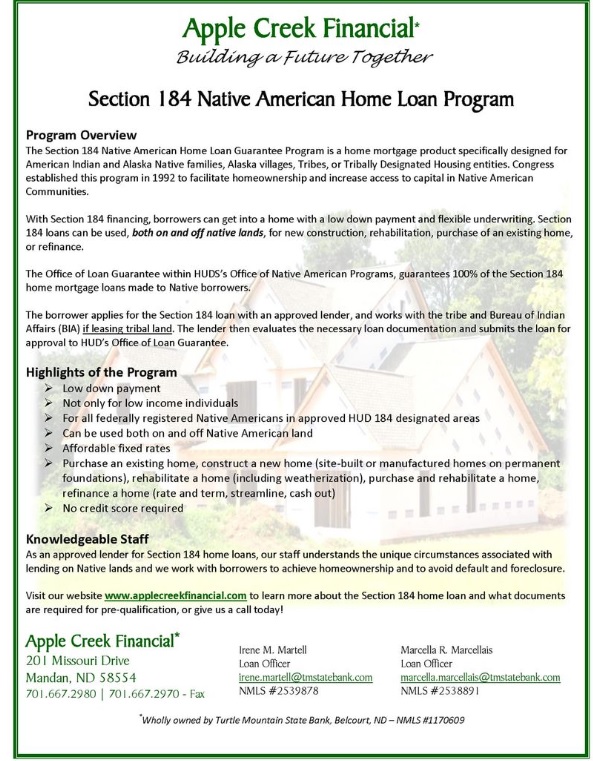
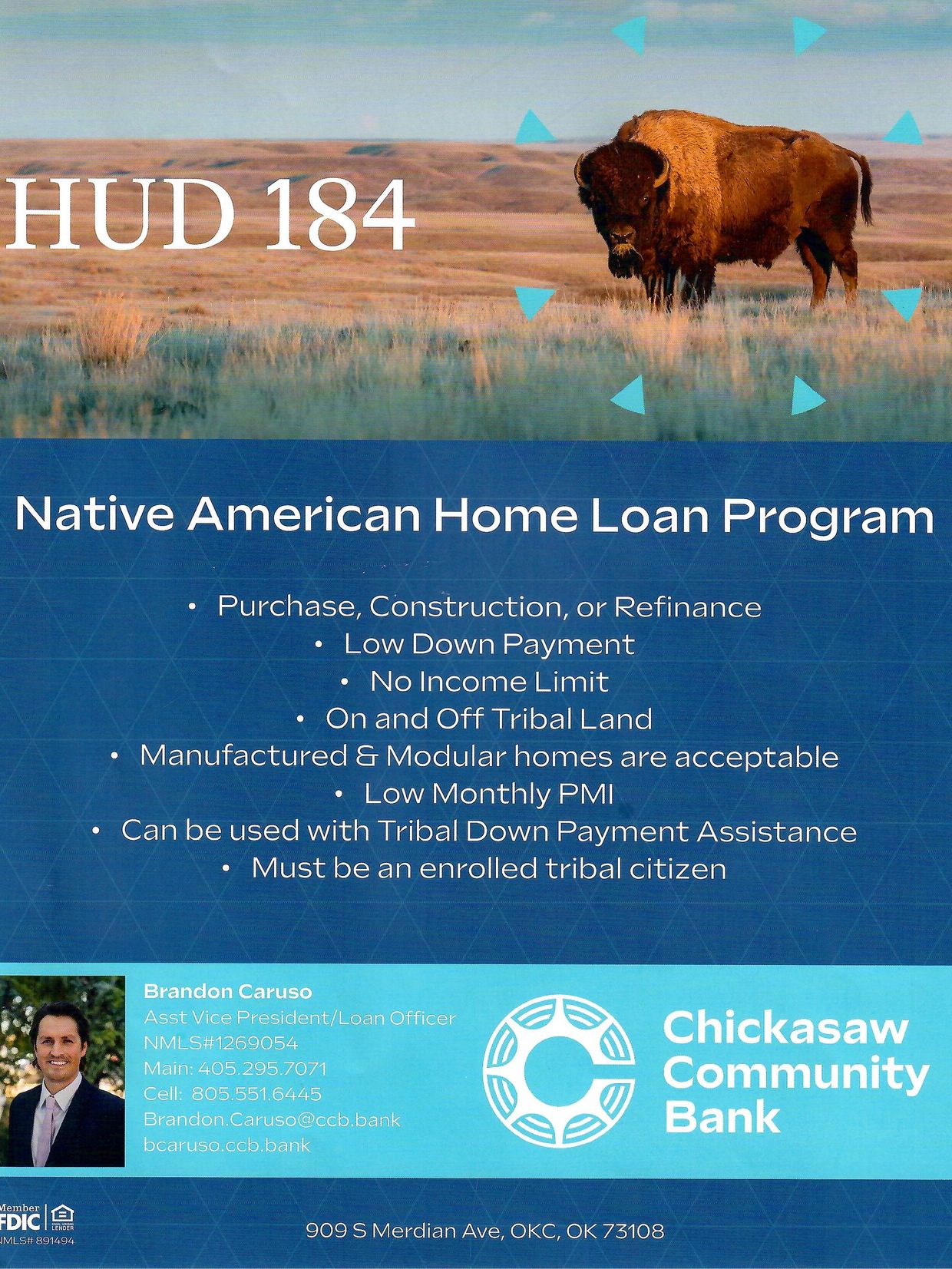
The HUD Section 184 Indian Home Loan Guarantee Program is the most prominent and impactful home loan program specifically designed for Native Americans and Alaska Natives. Established in 1992, its primary goal is to increase homeownership opportunities for eligible individuals and tribal housing entities.
How it Works:
Unlike direct loans from the government, Section 184 is a loan guarantee program. This means that approved private lenders (banks, credit unions, mortgage companies) originate the loans, and HUD guarantees a portion of the loan to the lender. This guarantee significantly reduces the risk for lenders, making them more willing to offer favorable terms to borrowers who might not qualify for conventional loans.
Key Features of Section 184:
- Eligibility: Must be an enrolled member of a federally recognized tribe or an Alaska Native.
- Property Location: Loans can be used to purchase, construct, or rehabilitate homes on and off trust lands, individually allotted lands, and in eligible areas. This flexibility is critical, as traditional mortgages often struggle with land title issues on tribal trust lands.
- Loan Types: Can be used for single-family homes, manufactured homes, and even multi-unit properties in certain circumstances.
- Low Down Payment: Typically requires a low down payment, often as little as 2.25% for loans over $50,000 and 1.25% for loans under $50,000.
- Flexible Underwriting: This is where the program shines for individuals with rental arrears. HUD 184 guidelines are often more flexible regarding credit history, allowing lenders to consider the overall financial picture rather than solely relying on credit scores.
- No Monthly Mortgage Insurance Premium (MIP): Unlike FHA loans, HUD 184 loans do not require monthly mortgage insurance, which can lead to significant long-term savings for homeowners. There is a one-time upfront guarantee fee (currently 1.5% of the loan amount), which can be financed into the loan.
- Competitive Interest Rates: Because of the HUD guarantee, lenders can offer competitive interest rates.
The Advantage for Individuals with Rental Arrears: Flexibility and Forgiveness
The HUD Section 184 program offers several distinct advantages for individuals with a history of rental arrears, making it a viable pathway to homeownership where conventional loans might fail.
Pros:
-
More Flexible Underwriting Guidelines: This is the program’s most significant benefit for those with past rental issues. While conventional lenders often have rigid credit score cutoffs and strict requirements regarding payment history, Section 184 guidelines encourage lenders to look beyond a single negative mark.
- Holistic Review: Lenders are encouraged to consider the "big picture" – current income stability, employment history, and mitigating circumstances for past arrears.
- Explanation Letters: Borrowers are often given the opportunity to provide a written explanation for past rental arrears, detailing the circumstances that led to the issues (e.g., job loss, medical emergency, temporary hardship) and demonstrating how their financial situation has since improved. This allows for a narrative that traditional algorithms cannot capture.
- Emphasis on Recent History: While past arrears are noted, a strong record of on-time payments in the most recent 12-24 months (for rent and other debts) can often outweigh older blemishes. Lenders want to see a pattern of rehabilitation and current financial responsibility.
-
Lower Credit Score Requirements: While not a "no credit check" loan, Section 184 typically accommodates lower credit scores than conventional mortgages. This directly benefits individuals whose scores have been negatively impacted by rental arrears. Some lenders may approve loans with scores as low as 620-640, or even lower with strong compensating factors.
-
Focus on Housing Stability: The program’s core mission is to increase homeownership within Native American communities. This inherent understanding of the unique challenges faced by these communities often translates into a more empathetic approach from lenders familiar with Section 184. They are more attuned to the goal of establishing long-term housing stability.
-
Education and Counseling Resources: Many tribal housing authorities and HUD-approved housing counseling agencies offer specific guidance for Section 184 applicants. These resources can be invaluable for individuals with past financial difficulties, helping them understand their credit report, create a budget, and prepare a strong loan application. This support system is often more robust than what’s available for conventional loan applicants.
-
Lower Down Payment and No Monthly PMI: While not directly addressing rental arrears, these features make homeownership more accessible and affordable. A lower down payment means less cash needed upfront, and the absence of monthly mortgage insurance reduces the monthly housing expense, making the loan more manageable for someone striving to maintain financial stability after past struggles.
The Challenges and Considerations: Navigating the Nuances
Despite its significant advantages, the HUD Section 184 program is not a magic bullet. Individuals with rental arrears must still approach it with diligence and realism.
Cons:
-
Rental Arrears Are Still a Red Flag (Just a Smaller One): While flexible, lenders are not blind to past arrears. Significant, recent, or multiple instances of rental default, especially if they led to eviction or collections, will still be a serious hurdle. The program aims to help, not to overlook current irresponsibility. Borrowers will need to demonstrate a clear and sustained improvement in their financial habits.
- Required Waiting Periods: For very severe rental arrears or evictions, there might be a mandatory waiting period (e.g., 1-3 years) before an applicant is considered eligible, even with Section 184.
- Compensating Factors: If rental arrears are present, lenders will look for strong compensating factors such as a very stable job history, significant cash reserves, a low debt-to-income ratio, or an excellent payment history on other, more recent debts.
-
Limited Lender Pool: Not all mortgage lenders are approved to originate Section 184 loans, and even fewer are truly experienced with the nuances of underwriting for borrowers with challenging credit histories, especially involving tribal lands. Finding a knowledgeable lender who understands the program’s flexibility and is willing to work with a borrower’s specific situation can require research and persistence.
-
Documentation and Explanations: While the opportunity to explain arrears is a pro, it also means more work for the borrower. Gathering documentation to support explanations (e.g., medical bills, layoff notices) and writing a compelling letter requires effort and honesty. Incomplete or unconvincing explanations can still lead to denial.
-
Property Eligibility and Appraisals on Tribal Lands: While Section 184 can be used on tribal trust lands, the appraisal process can be more complex and take longer due to unique land ownership structures and fewer comparable sales. This isn’t directly related to rental arrears but can add a layer of complexity to the overall home-buying journey.
-
Financial Readiness is Still Paramount: The program is designed to facilitate homeownership, not to enable individuals to take on a burden they cannot sustain. Borrowers must demonstrate a stable income, a reasonable debt-to-income ratio (even if slightly higher than conventional), and the ability to manage monthly mortgage payments, property taxes, and insurance. If the rental arrears were due to ongoing financial mismanagement rather than a temporary hardship, the core issues must be addressed first.
Navigating the Path to Homeownership with Rental Arrears via HUD 184
For an individual with a history of rental arrears looking at Native American home loans, a strategic approach is essential:
- Get Your Credit Report: Obtain free copies of your credit report from all three major bureaus (Experian, Equifax, TransUnion). Identify all reported arrears, collections, or evictions.
- Understand the "Why": Reflect on the reasons for the rental arrears. Be prepared to articulate these reasons clearly and honestly, focusing on what has changed and how you’ve improved your financial situation.
- Start Rebuilding (If Not Already): If the arrears are recent, focus on a consistent 12-24 months of on-time payments for all current obligations. This demonstrates a commitment to financial stability.
- Seek Housing Counseling: Contact a HUD-approved housing counseling agency, particularly one experienced with Section 184 loans. They can help you understand your options, clean up your credit, create a budget, and prepare your application.
- Find an Experienced Lender: Actively search for lenders who specialize in HUD Section 184 loans and have a track record of working with borrowers who have less-than-perfect credit. Ask direct questions about their policies regarding rental arrears.
- Gather Documentation: Prepare a detailed explanation letter for any rental arrears, supported by documentation (e.g., proof of job loss, medical bills, evidence of a payment plan you successfully completed).
- Budget Diligently: Demonstrate to yourself and the lender that you understand the financial responsibilities of homeownership beyond just the mortgage payment.
Recommendation: Is It a "Buy" for Individuals with Rental Arrears?
YES, with significant caveats and preparation.
For enrolled members of federally recognized tribes or Alaska Natives with a history of rental arrears, the HUD Section 184 Indian Home Loan Guarantee Program is undoubtedly a highly recommended and often the most viable "product" for achieving homeownership. Its flexible underwriting, lower down payment, and lack of monthly PMI are features specifically designed to bridge the gap for those who might otherwise be shut out of the housing market.
However, this recommendation comes with crucial conditions:
- You must demonstrate current financial stability and a commitment to responsible financial management. This means showing a consistent income, a stable job, and, ideally, at least 12-24 months of on-time payments on all current debts since the arrears occurred. The program is a second chance, not a free pass.
- You must be prepared to be transparent and proactive. Gather all necessary documentation, write a clear and honest letter of explanation for your past arrears, and be ready to work closely with your lender and potentially a housing counselor.
- You must be diligent in finding the right lender. An experienced Section 184 lender who understands the program’s flexibility and the unique circumstances of Native American borrowers will be your best ally.
In essence, the HUD Section 184 program is an invaluable tool for qualified Native Americans who have overcome past financial hurdles and are now ready to embrace the responsibilities of homeownership. It provides a unique pathway to stability and wealth building, offering the flexibility and understanding often missing from conventional lending options.
It represents hope and opportunity, but it demands commitment, honesty, and a renewed dedication to financial health from the borrower. For those willing to put in the work, this program can transform the dream of owning a home into a tangible reality, even with a challenging financial past.


