
A Second Chance at Home: Navigating Native American Home Loans with a History of Late Payments
The dream of homeownership is a cornerstone of the American experience, representing stability, wealth building, and a place to call one’s own. However, for many individuals, particularly within Native American communities, this dream can feel elusive, especially when a past history of late payments has cast a shadow on their credit report. Conventional lending institutions often view such a history as a significant risk, leading to loan denials or prohibitively high interest rates.
Yet, a beacon of hope exists in specialized lending programs designed to address the unique circumstances and historical challenges faced by Native Americans. These programs, most notably the HUD Section 184 Indian Home Loan Guarantee Program, are not just about providing financing; they represent a culturally sensitive approach to financial empowerment, offering a vital pathway to homeownership even for those with less-than-perfect credit.
This article will delve into the landscape of Native American home loans, with a particular focus on their suitability for individuals with a history of late payments. We will explore the advantages and disadvantages of these specialized programs, ultimately providing a comprehensive "product review" and a recommendation for those considering this crucial step towards securing their future.
The Unique Landscape of Native American Homeownership

Before diving into the specifics of the loan programs, it’s essential to understand the unique context of Native American homeownership. Historical policies, economic disparities, and the complexities of land tenure – particularly on trust land within reservations – have created significant barriers. The homeownership rate for Native Americans and Alaska Natives consistently lags behind other demographic groups, highlighting an urgent need for tailored financial solutions.
Traditional mortgage lenders often struggle with the nuances of lending on trust land, where the land is held by the U.S. government for the benefit of a tribe or individual. This often means complex lease agreements rather than outright land ownership, which can deter conventional lenders. Furthermore, the economic realities in many tribal communities, including lower average incomes and limited access to financial education, can contribute to credit challenges, including late payments.
It is against this backdrop that programs like HUD Section 184 emerge as critical tools, designed to bridge these gaps and provide a more accessible route to homeownership.
Product Spotlight: The HUD Section 184 Indian Home Loan Guarantee Program
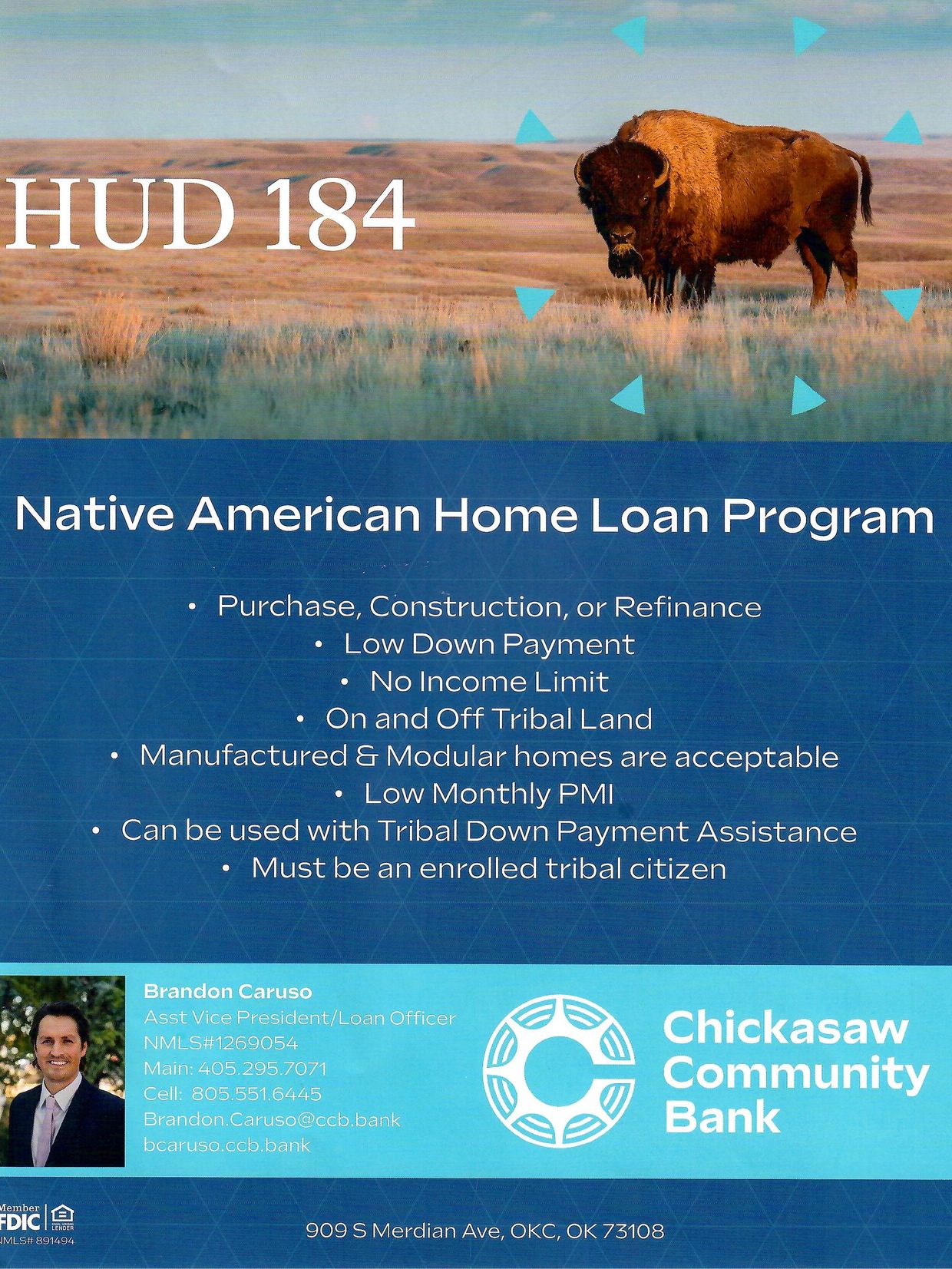
The HUD Section 184 program is arguably the most significant "product" in this discussion. Established in 1992, it is a mortgage loan program specifically for Native American and Alaska Native families, federally recognized tribes, and tribally designated housing entities. While it doesn’t directly lend money, it guarantees loans made by private lenders to eligible Native American borrowers. This guarantee protects lenders from losses in case of default, making them more willing to lend to a broader range of applicants, including those who might not qualify for conventional loans.
Crucially, the Section 184 program understands that a credit score is just one piece of a borrower’s financial story. It encourages lenders to use "manual underwriting," a more holistic review process that considers an applicant’s entire financial situation, employment history, payment patterns on non-traditional accounts (like rent or utility bills), and current ability to pay, rather than relying solely on automated credit scoring models. This flexibility is what makes it particularly relevant for individuals with a history of late payments.
Advantages: A Second Chance and Tailored Support
For individuals with a history of late payments, Native American home loan programs, especially HUD Section 184, offer a distinct set of advantages:
-
Flexible Underwriting & Lower Credit Score Requirements: This is perhaps the most significant benefit. Unlike conventional loans that often demand FICO scores above 620 or even 680, Section 184 lenders are often more lenient. While a good credit history is always preferred, a past of late payments doesn’t automatically disqualify an applicant. The emphasis shifts to current financial stability, consistent income, and a willingness to address past issues. Lenders are encouraged to look beyond the score and understand why late payments occurred (e.g., medical emergency, job loss) and if the borrower has since demonstrated improved financial management.
-
Low Down Payment: Section 184 loans typically require a very low down payment – as little as 1.25% for loans over $50,000, and 2.25% for loans under $50,000. This significantly reduces the upfront financial burden, which can be a major hurdle for many, especially those recovering from financial setbacks that may have led to late payments.
-
Competitive Interest Rates: Because the loans are federally guaranteed, lenders perceive them as less risky. This often translates into competitive, fixed interest rates that are comparable to conventional loans, preventing borrowers with past credit issues from being relegated to predatory "subprime" rates.
-
No Mortgage Insurance for Life of the Loan: Unlike FHA loans, which require mortgage insurance for the life of the loan, Section 184 loans only require an upfront guarantee fee and an annual fee for the life of the loan or until the loan-to-value ratio reaches 78%. This can result in substantial savings over the loan term.
-
Cultural Sensitivity and Expertise: Lenders participating in the Section 184 program are typically familiar with the unique aspects of tribal land tenure, BIA (Bureau of Indian Affairs) processes, and the cultural context of Native American communities. This expertise can streamline what would otherwise be a complex and intimidating process for borrowers on reservations or trust lands. They understand leasehold estates and work with tribal governments to ensure smooth transactions.
-
Broader Eligibility for Property Types: Section 184 loans can be used to purchase existing homes, construct new homes, rehabilitate homes, or even refinance existing mortgages. They can be used on trust land, fee simple land, or in approved areas off-reservation, offering significant flexibility.
-
Opportunity for Financial Education and Counseling: Many lenders and tribal housing authorities offer or require credit counseling for borrowers with past credit issues. While this might seem like a disadvantage, it’s a profound advantage. It provides borrowers with the tools and knowledge to manage their finances effectively, improve their credit, and ensure long-term homeownership success. It’s a supportive framework, not just a punitive measure.
-
Building Generational Wealth: For Native American families, homeownership is not just about having a roof over their heads; it’s about reclaiming economic stability, building equity, and creating a legacy for future generations. These loans directly contribute to closing the wealth gap and fostering self-determination.
Disadvantages: Navigating the Nuances
While highly beneficial, Native American home loan programs also come with certain challenges and considerations:
-
Limited Lender Availability: Not all mortgage lenders are approved to offer Section 184 loans, and fewer still have extensive experience with them, especially in regions with smaller Native American populations. This can make finding a knowledgeable lender a challenge, requiring borrowers to actively seek out specialized institutions or those with a dedicated Section 184 department.
-
Application Complexity and Timeline: While the guarantee simplifies lending, the overall application process can be intricate, particularly for properties on trust land. This involves coordinating with tribal housing authorities, the Bureau of Indian Affairs (BIA) for lease approvals, and the lender. This multi-party involvement can lead to longer processing times compared to conventional loans. Patience and meticulous documentation are crucial.
-
Geographical Restrictions (for certain aspects): While Section 184 can be used off-reservation, its primary focus and most unique advantages (like dealing with trust land) are most impactful within or near tribal communities. Borrowers living far from tribal lands might find fewer local lenders familiar with the program.
-
Credit Counseling Requirements: While an advantage for financial literacy, mandatory credit counseling or pre-purchase education can be perceived as an additional hurdle or time commitment for some borrowers. It requires dedication and willingness to engage with the process.
-
Program Specifics and Eligibility: To qualify for Section 184, borrowers must be an enrolled member of a federally recognized tribe or a descendant of one. This naturally limits the program’s reach to specific individuals. Other programs like USDA Rural Development or VA loans might have different eligibility, but they don’t offer the same cultural sensitivity or trust land expertise.
-
Loan Limits: While generous, Section 184 loans have maximum loan limits (which vary by county and are tied to FHA loan limits). In very high-cost housing markets, these limits might not be sufficient to purchase a desired home.
-
Potential for Misinformation: Because these loans are specialized, some general lenders or real estate agents may not be fully informed about their nuances. Borrowers must be diligent in their research and ensure they are working with professionals who truly understand the program.
-
Addressing the Root Cause of Late Payments: While the loan offers a second chance, it doesn’t automatically fix underlying financial habits. If the root causes of past late payments (e.g., poor budgeting, overspending, lack of an emergency fund) are not addressed, borrowers could risk falling into similar patterns, jeopardizing their homeownership.
Who is This Product For?
The HUD Section 184 Indian Home Loan Guarantee Program, and similar culturally sensitive lending approaches, are ideally suited for:
- Enrolled members of federally recognized tribes (or eligible descendants) who aspire to homeownership.
- Individuals with a history of late payments on their credit report, but who have demonstrated recent financial stability and an improved payment history.
- Borrowers who are willing to engage in financial education or credit counseling to strengthen their money management skills.
- Those seeking to purchase, build, or rehabilitate a home on tribal trust land, fee simple land within or near a reservation, or in other approved areas.
- First-time homebuyers who need lower down payment options and more flexible underwriting.
- Individuals who value a lending process that is culturally informed and respectful of Native American traditions and land tenure systems.
Recommendation: A Powerful Tool for Empowerment
For Native American individuals with a history of late payments who dream of homeownership, the HUD Section 184 Indian Home Loan Guarantee Program is highly recommended as a primary and often superior financing option. It is not just a loan; it is a thoughtfully designed program that acknowledges historical inequities and provides a structured, supportive pathway to financial stability and generational wealth.
While the process may require patience and diligence, the advantages of flexible underwriting, low down payments, competitive rates, and cultural sensitivity far outweigh the challenges. It truly offers a "second chance" for those who have faced financial setbacks but are now ready to commit to responsible homeownership.
Our recommendation comes with a strong caveat:
- Do Your Homework: Start by researching lenders specifically approved for Section 184 loans. Seek out those with a strong track record and positive reviews within Native American communities.
- Be Prepared: Gather all necessary documentation, including proof of tribal enrollment, income verification, and a detailed explanation of any past credit issues, along with evidence of current financial improvement.
- Embrace Education: Actively participate in any recommended financial counseling. This is an investment in your long-term success, not just a requirement.
- Understand the Land: If purchasing on trust land, familiarize yourself with the tribal regulations and BIA lease processes in addition to the loan requirements.
- Advocate for Yourself: Don’t be afraid to ask questions, seek clarification, and ensure you fully understand every step of the process.
In conclusion, for Native Americans navigating the complexities of credit challenges, the specialized home loan programs, particularly HUD Section 184, are invaluable resources. They represent a significant step towards economic self-determination, offering not just a mortgage, but a bridge to a more secure and prosperous future. With diligent preparation and the right support, the dream of owning a home can become a tangible reality, even after a history of late payments.


