Unlocking Multi-Family Potential: A Deep Dive into Native American Home Loans (Section 184) for Investment
For many, the dream of homeownership extends beyond a single dwelling; it encompasses the vision of a multi-family unit – a property that not only provides a home but also generates rental income, builds wealth, and offers a path to financial independence. For eligible Native American individuals, the HUD Section 184 Indian Home Loan Guarantee Program stands as a unique and powerful tool to achieve this ambition. While primarily known for facilitating single-family homeownership, Section 184 can indeed be leveraged for multi-family units (up to four units), presenting a distinct set of advantages and challenges.
This comprehensive review will explore the intricacies of utilizing Section 184 for purchasing multi-family properties, outlining its benefits, dissecting its drawbacks, and ultimately providing a well-rounded purchase recommendation for individuals looking to embark on this journey.
Understanding the Section 184 Indian Home Loan Guarantee Program
The Section 184 program, administered by the U.S. Department of Housing and Urban Development (HUD) Office of Native American Programs, is specifically designed to provide mortgage financing opportunities for eligible Native American and Alaska Native individuals, families, and tribal governments. It works by guaranteeing loans made by private lenders to Native American borrowers, significantly reducing the risk for lenders and making homeownership more accessible.
Key Features of Section 184:
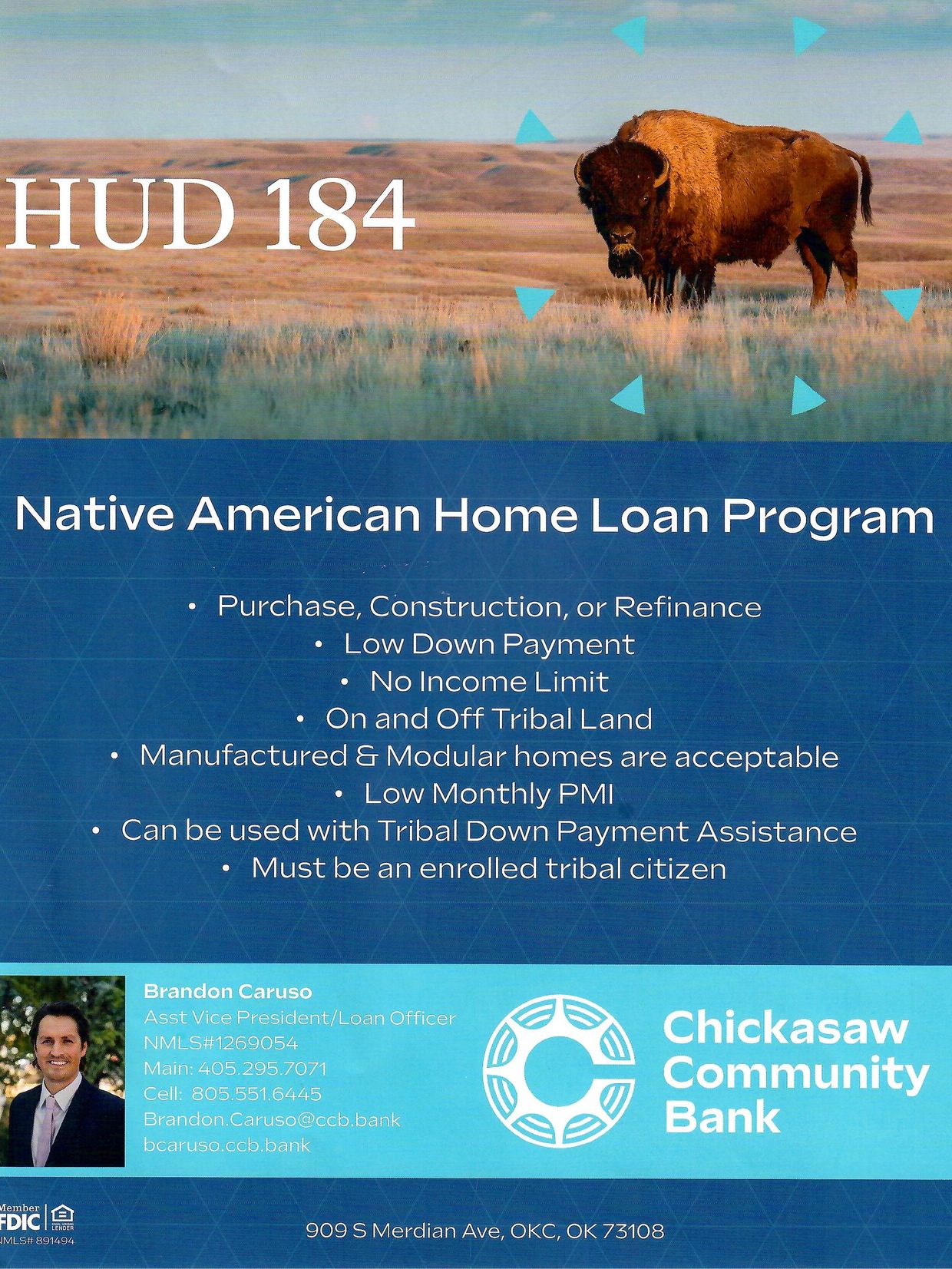
- Eligibility: Restricted to enrolled members of federally recognized tribes. This is a non-negotiable prerequisite.
- Property Types: Covers new construction, existing homes, rehabilitation, refinance, and importantly, multi-family units (duplexes, triplexes, fourplexes).
- Location: Loans can be used to purchase homes on and off Native American trust lands, including fee simple land, tribal trust land, and individually restricted land.
- Guaranteed Loan: HUD guarantees 100% of the loan to the lender, which translates into more favorable terms for the borrower.
When considering a multi-family unit, the Section 184 program takes on an added layer of complexity and potential reward, moving beyond mere shelter to become a genuine investment vehicle.
The Allure of Multi-Family Units for Native American Borrowers

The decision to purchase a multi-family unit, rather than a single-family home, often stems from a desire for accelerated wealth building and financial stability. For Native American borrowers, Section 184 amplifies these benefits:
- Rental Income and Mortgage Offset: The most obvious advantage is the potential for rental income from the additional units. This income can significantly offset, or even entirely cover, the monthly mortgage payment for the entire property, freeing up personal income for other investments or living expenses.
- Accelerated Equity Growth: With rental income contributing to the mortgage, borrowers can potentially pay down their loan faster, building equity at an accelerated rate. This equity can then be leveraged for future investments or serve as a significant asset.
- Multi-Generational Housing: Multi-family units can facilitate multi-generational living, a common and valued practice within many Native American communities. This allows families to live in close proximity while maintaining separate living spaces, fostering community and support.
- Entry into Real Estate Investment: For many, a multi-family unit purchased with Section 184 is their first foray into real estate investment. It provides hands-on experience as a landlord and property manager, building valuable skills and knowledge for future ventures.
- Community Development: By acquiring and managing multi-family properties, Native American borrowers can contribute to the housing stock and economic development within their communities, whether on or off tribal lands.
Advantages (Pros) of Using Section 184 for Multi-Family Units
The Section 184 program offers several compelling advantages that make it an attractive option for Native American individuals seeking to purchase multi-family properties:
- Lower Down Payment Requirements: One of the most significant benefits is the remarkably low down payment. For loans over $50,000, only 2.25% is required. For loans $50,000 or less, it’s an even lower 1.25%. This significantly reduces the upfront capital needed, making multi-family investment more accessible.
- Flexible Underwriting Standards: Section 184 is designed to be more flexible than conventional loans, particularly concerning credit history and debt-to-income ratios. While good credit is always beneficial, the program considers a broader range of factors, making it more forgiving for those with less-than-perfect credit profiles.
- Competitive Interest Rates: Due to the HUD guarantee, lenders are able to offer competitive interest rates, often at or below market rates. This translates to lower monthly payments and substantial savings over the life of the loan.
- No Monthly Mortgage Insurance (MI): Unlike FHA loans which typically require monthly mortgage insurance for the life of the loan (or until significant equity is built), Section 184 has an upfront 1% guarantee fee that can be financed into the loan. This eliminates ongoing monthly MI payments, resulting in substantial long-term savings.
- Broad Geographic Reach: The program supports purchases both on and off tribal lands. This flexibility is crucial for multi-family investors, as property availability and market conditions can vary widely between reservation areas and surrounding communities.
- Potential for Higher Loan Amounts: Since multi-family properties are generally more expensive than single-family homes, the ability to secure larger loan amounts with favorable terms is a major advantage.
- Wealth Building and Financial Empowerment: By facilitating the purchase of income-generating assets, Section 184 directly contributes to wealth building, financial self-sufficiency, and the economic empowerment of Native American individuals and communities.
Disadvantages (Cons) of Using Section 184 for Multi-Family Units
Despite its many advantages, leveraging Section 184 for multi-family units comes with its own set of challenges and complexities that borrowers must carefully consider:
- Strict Eligibility Requirements: The primary hurdle is the requirement of being an enrolled member of a federally recognized tribe. This instantly excludes a large segment of the population, even those with Native American heritage who are not enrolled.
- Land Tenure Complexities (Especially on Trust Land): This is perhaps the most significant challenge.
- Trust Land: Purchasing a multi-family unit on tribal trust land often involves a leasehold interest rather than fee simple ownership. This means the borrower owns the improvements (the building) but leases the land from the tribe or individual allottee. This can complicate appraisals, future sales, and requires tribal approval for the lease, which can add significant time to the process.
- Restricted Land: Similar to trust land, individually restricted land requires the approval of the Bureau of Indian Affairs (BIA) for any transactions, adding another layer of bureaucracy.
- Fee Simple Land: While simpler, finding multi-family units for sale on fee simple land within or adjacent to tribal communities that meet program requirements can still be challenging.
- Limited Lender Pool: Not all mortgage lenders offer Section 184 loans. Borrowers may need to seek out specialized lenders or those with experience working with Native American housing programs, which can limit options and require more proactive searching.
- Appraisal Challenges: Appraising multi-family properties, especially on trust or restricted land, can be difficult. The lack of comparable sales data in certain areas, combined with the unique land tenure arrangements, can lead to lower valuations or delays in the appraisal process.
- Increased Property Management Responsibilities: Owning a multi-family unit means becoming a landlord. This entails screening tenants, drafting lease agreements, collecting rent, handling maintenance requests, addressing tenant disputes, and complying with landlord-tenant laws. These responsibilities are significantly greater than those for a single-family home.
- Market-Specific Risks: The success of a multi-family investment heavily depends on the local rental market. Vacancy rates, rental prices, and tenant demand can fluctuate. Borrowers must conduct thorough market research to ensure their investment is viable.
- Potential for Longer Processing Times: Due to the various approvals required (tribal housing authority, BIA for trust/restricted land, HUD), the loan processing time for Section 184 multi-family loans can be longer than conventional loans.
- Property Condition and Inspection: Multi-family units, especially older ones, can come with complex structural and mechanical issues. Thorough inspections are critical, and the costs of potential repairs or renovations must be factored into the budget.
Key Considerations Before Applying
Before pursuing a Section 184 multi-family loan, prospective borrowers should undertake thorough due diligence:
- Verify Eligibility: Confirm your enrollment status with a federally recognized tribe.
- Financial Health: While flexible, a strong financial standing (stable income, manageable debt, and a good credit score) will always make the process smoother and yield better terms.
- Understand Land Tenure: Research the specific land status of any potential property. If it’s on trust or restricted land, understand the tribal approval process and the implications of a leasehold interest.
- Property Due Diligence: Conduct comprehensive inspections. Understand the property’s condition, potential repair costs, and its income-generating potential (projected rent, vacancy rates).
- Rental Market Analysis: Research the local rental market. What are typical rents for similar units? What is the demand like? What are the local landlord-tenant laws?
- Develop a Property Management Plan: How will you manage the property? Will you do it yourself, or hire a property management company? Factor in the costs and time commitment.
- Long-Term Goals: Clearly define your objectives. Is this a long-term investment? Do you plan to live in one unit and rent the others? How does this property fit into your overall financial strategy?
- Seek Expert Advice: Consult with a Section 184-approved lender, a tribal housing authority, and a real estate agent experienced with Native American housing programs and multi-family investments.
Purchase Recommendation: Buy, Hold, or Reconsider?
Recommendation: BUY (With Caution and Thorough Preparation)
For the eligible Native American individual who is well-prepared, diligent, and strategically focused, purchasing a multi-family unit using a Section 184 loan is a strong recommendation. It represents an exceptional opportunity for wealth creation, financial stability, and community empowerment that is unparalleled by many other loan products.
Who Should Buy?
- Eligible Tribal Members: Individuals who meet the strict tribal enrollment criteria.
- Financially Ready: Those with a stable income, a reasonable credit history, and sufficient savings for the low down payment, closing costs, and a reserve fund for property management.
- Committed to Landlord Responsibilities: Individuals who understand and are willing to embrace the responsibilities of property management, including tenant screening, maintenance, and legal compliance.
- Educated on Land Tenure: Borrowers who have thoroughly researched and understand the implications of the property’s land status (fee simple vs. trust/restricted land) and are prepared for the associated processes.
- Strong Local Market Understanding: Those who have conducted thorough research on the local rental market, ensuring there is demand for rental units and that projected rents will support the investment.
- Long-Term Vision: Individuals looking to build long-term wealth, generate passive income, and potentially facilitate multi-generational living.
When to Hold or Reconsider?
- Uncertain Eligibility: If there’s any doubt about tribal enrollment status.
- Financial Instability: If income is inconsistent, debt is high, or there are insufficient reserves for unexpected property expenses.
- Reluctance to be a Landlord: If the idea of managing tenants, dealing with maintenance, and handling rental income/expenses is daunting or undesired.
- Lack of Understanding of Land Tenure: If the complexities of trust or restricted land ownership are not fully grasped, or if the tribal approval process seems too opaque.
- Weak Rental Market: If the local market shows high vacancy rates, declining rental prices, or low demand for multi-family units.
- Short-Term Investment Horizon: Multi-family properties are typically long-term investments; a quick flip is generally not advisable or compatible with the program’s intent.
Conclusion
The HUD Section 184 Indian Home Loan Guarantee Program, when applied to multi-family units, offers a profound pathway to not only secure a home but also to cultivate a robust financial future. It is a testament to the program’s vision of empowering Native American individuals and fostering economic self-sufficiency.
While the advantages of low down payments, flexible underwriting, and competitive rates are incredibly appealing, the complexities surrounding land tenure, property management, and lender availability demand meticulous preparation and a thorough understanding of the commitment involved.
For the well-informed and determined Native American borrower, this program is a powerful catalyst for building generational wealth and securing a place within their community. However, it is not a path to be walked lightly. Prospective buyers must engage in comprehensive research, seek expert guidance, and be prepared for the dual role of homeowner and responsible landlord. With the right approach, the dream of multi-family ownership through Section 184 can indeed become a rewarding reality.


