
Building Roots, Preserving Heritage: A Comprehensive Review of Native American Home Loans for Traditional Home Construction
For many Native Americans, a home is more than just shelter; it’s a living connection to ancestral lands, cultural identity, and community heritage. The desire to build homes that reflect traditional architectural styles, utilize sustainable local materials, and embody cultural values is a powerful expression of sovereignty and self-determination. However, navigating the complexities of modern home financing for such unique, often non-standard constructions presents a distinct set of challenges.
This article reviews the landscape of Native American home loans, specifically focusing on their applicability and utility for individuals seeking to build traditional homes. We will explore the primary financial instruments available, delve into their advantages and disadvantages in this unique context, and provide comprehensive recommendations for those embarking on this culturally significant journey.
Understanding the Landscape: Native American Home Loans
The primary and most widely recognized financial tool for Native Americans seeking homeownership on tribal lands is the Section 184 Indian Home Loan Guarantee Program, administered by the U.S. Department of Housing and Urban Development (HUD), Office of Native American Programs (ONAP). While other options like VA loans (for eligible veterans), conventional loans (less common on trust land), and tribal housing programs exist, Section 184 is uniquely designed to address the specific legal and financial challenges inherent in lending on trust and restricted fee simple lands.

What constitutes a "traditional home" in this context? This isn’t just about historical replicas. It encompasses a spectrum:
- Architectural Styles: Homes inspired by or directly replicating structures like Hogans (Navajo), pueblos (Pueblo nations), longhouses (Iroquois, Pacific Northwest), earth lodges (Plains tribes), or wickiups (Apache).
- Materials: Utilizing local, natural, and sustainable materials such as adobe, straw bale, wood, stone, and earth, often sourced directly from the land.
- Construction Techniques: Employing ancestral building methods, passive solar design, natural ventilation, and other time-honored practices.
- Cultural Significance: Incorporating specific orientations, sacred spaces, artistic elements, and community design principles that reflect tribal traditions and spiritual beliefs.
- Sustainability & Resilience: Often inherently designed for their specific environments, promoting energy efficiency and low environmental impact.
The challenge lies in aligning these culturally rich, often custom-built, and non-standard homes with the often rigid requirements of modern financial institutions.
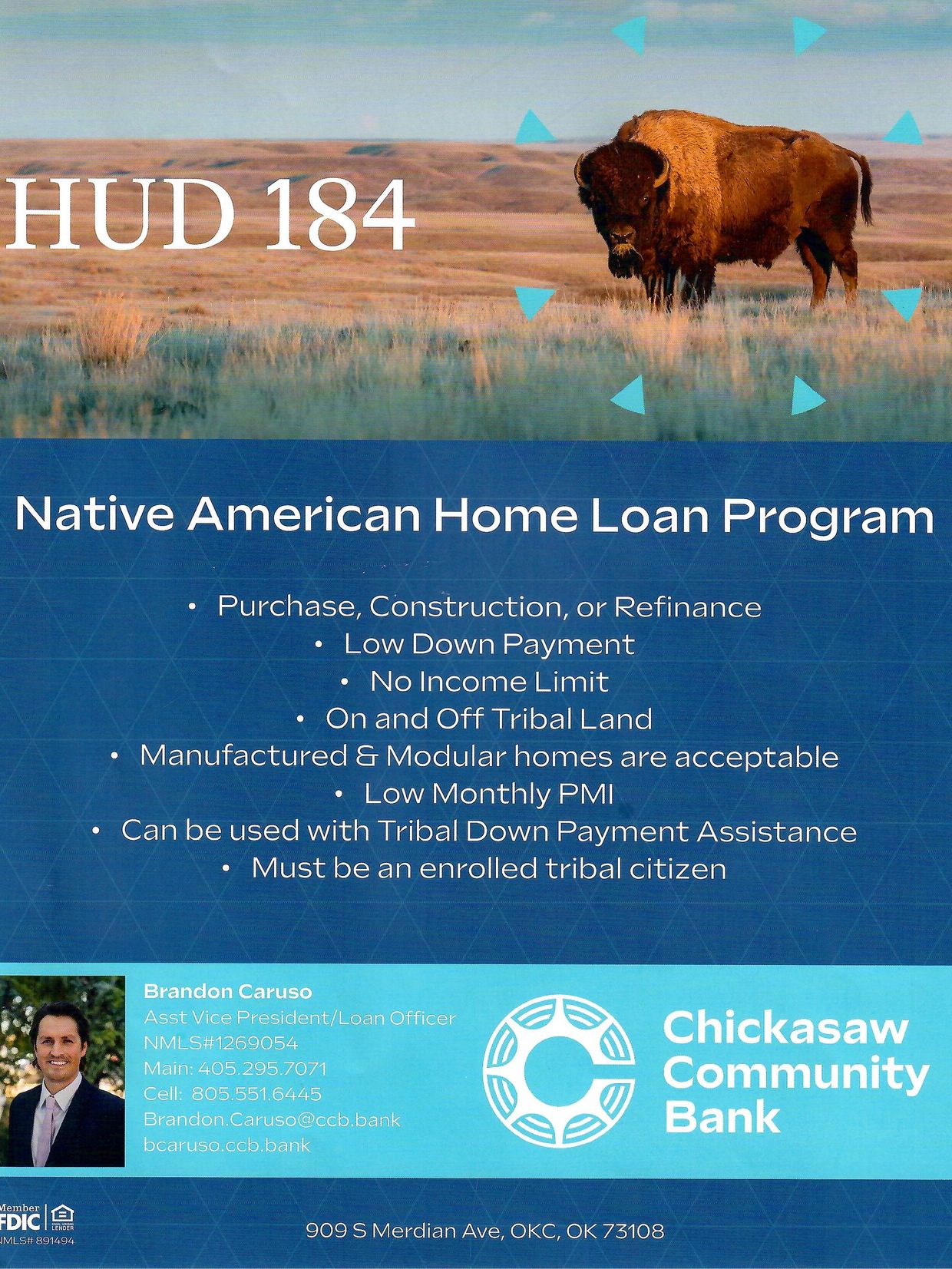
The Section 184 Loan: A Closer Look for Traditional Builds
The Section 184 program guarantees loans made by private lenders to eligible Native American and Alaska Native individuals, tribes, or tribally designated housing entities. This guarantee reduces the risk for lenders, making them more willing to lend on tribal lands where traditional mortgages are often impractical due to unique land tenure systems (e.g., trust land where individuals don’t hold fee simple title).
Key Features Relevant to Traditional Home Construction:
- Loan Purpose: Section 184 loans can be used for new construction, purchase of existing homes, rehabilitation, and refinance. The "new construction" aspect is paramount for traditional builds.
- Land Eligibility: Crucially, these loans can be used on Native American trust land, restricted fee land, and fee simple land located within an eligible Indian Area. This directly addresses the biggest hurdle for conventional financing.
- Flexible Underwriting: Lenders are encouraged to use flexible underwriting criteria, considering factors beyond just credit scores, such as rental history and utility payments. This can be beneficial for self-employed builders or those with non-traditional financial histories.
- Low Down Payment & Mortgage Insurance: Typically requires a low down payment (as low as 1.25% for loans over $50,000, 2.25% for loans under $50,000) and offers affordable mortgage insurance premiums.
- Competitive Interest Rates: Often comparable to conventional market rates, sometimes even lower due to the government guarantee.
- Direct Tribal Involvement: The process often involves direct engagement with tribal housing authorities or tribal governments, which can provide invaluable local knowledge and support for culturally appropriate construction.
Benefits: The Advantages of Using Native American Home Loans for Traditional Builds
For individuals seeking to build a traditional home, leveraging programs like Section 184 offers a multitude of compelling advantages:
-
Cultural Preservation and Revitalization: This is arguably the most significant benefit. These loans provide the financial means to construct homes that are direct expressions of tribal culture, language, and art. It allows for the tangible preservation of architectural styles, building techniques, and design principles that might otherwise be lost. This fosters cultural pride and provides a living link to ancestral heritage for future generations.
-
Economic Empowerment and Self-Sufficiency: Building traditional homes often involves sourcing local materials and employing tribal members who possess knowledge of traditional building methods. This stimulates local economies, creates jobs within the community, and promotes self-sufficiency by reducing reliance on external suppliers and contractors. It can also encourage the revival of traditional crafts and trades.
-
Community Building and Identity: A cluster of traditionally built homes can significantly strengthen community identity and cohesion. These homes serve as visible symbols of collective heritage and resilience. They can foster a sense of belonging and pride, reinforcing cultural values within the community’s physical landscape.
-
Tailored Financial Support: Section 184 loans are specifically designed to overcome the unique financial and legal hurdles associated with homeownership on tribal lands. This means the program understands and accommodates the complexities of trust land, which is a fundamental requirement for many traditional builds located on reservations.
-
Lower Barriers to Entry: With low down payments and flexible underwriting, these loans make homeownership more accessible to a broader range of Native American individuals, including those who might not qualify for conventional loans due to limited credit history or non-traditional income sources.
-
Environmental Stewardship and Sustainability: Many traditional building methods are inherently sustainable, utilizing local, natural, and renewable resources. They often incorporate passive design principles optimized for local climate conditions, leading to energy efficiency and a reduced environmental footprint. Financing these homes directly supports environmentally responsible construction practices.
-
Flexibility in Design and Construction: While appraisals can be a challenge (discussed below), the underlying philosophy of Section 184, particularly for new construction, can be more accommodating of custom builds that deviate from standard suburban blueprints. With proper documentation and an experienced team, it’s possible to secure financing for truly unique, culturally specific designs.
Drawbacks: Challenges and Considerations
Despite the significant advantages, utilizing Native American home loans for traditional home construction also presents several drawbacks and unique challenges:
-
Eligibility Restrictions: Section 184 loans are exclusively for federally recognized Native American and Alaska Native individuals, tribes, or TDHEs. This naturally limits the pool of eligible applicants.
-
Land Ownership Complexities: While Section 184 addresses trust land issues, the nuances of land tenure can still be complex. Building on trust land requires additional steps, including leases or permits from the Bureau of Indian Affairs (BIA) and tribal government approvals. This process can be lengthy and require significant coordination. Understanding the distinction between trust land and restricted fee simple land is crucial.
-
Appraisal Challenges for Non-Standard Homes: This is perhaps the biggest hurdle for traditional builds. Appraisers typically rely on "comparables" – recently sold homes of similar size, style, and amenities in the same area. For a Hogan, an earth lodge, or a longhouse, suitable comps are virtually non-existent. Appraisers may struggle to assign a fair market value to unique materials, construction techniques, and cultural significance that doesn’t align with conventional valuation models. This can lead to lower appraisals than the actual construction cost, creating a funding gap.
-
Limited Lender Pool and Expertise: While the program is nationwide, not all lenders participate in Section 184, and even fewer have extensive experience with the program, especially for custom, non-traditional builds. Finding a lender knowledgeable about both Section 184 and the specific challenges of traditional construction on tribal lands can be difficult and time-consuming.
-
Educational and Regulatory Hurdles: Both borrowers and lenders need to be educated on the specific requirements of Section 184, tribal housing codes, and BIA regulations. This learning curve can slow down the process and add layers of bureaucracy. Tribal governments also have their own housing ordinances and building codes that must be adhered to.
-
Slower Process: Due to the multiple layers of approval (HUD, lender, BIA, tribal government) and the custom nature of the construction, the timeline for securing and closing on a loan for a traditional home can be significantly longer than for a conventional home. Patience is a virtue in this process.
-
Finding Qualified Builders and Architects: Constructing a traditional home requires specialized knowledge of historical building techniques, cultural protocols, and sustainable materials. Finding architects and contractors with this specific expertise, who are also familiar with modern building codes and the Section 184 process, can be challenging.
-
Potential for Misunderstanding or Misapplication: If not approached with cultural sensitivity and deep understanding, there’s a risk that attempts to build "traditional" homes could inadvertently result in superficial or inauthentic structures that don’t truly embody the spirit of the culture they aim to represent.
Purchasing Recommendations: Navigating the Path to Your Traditional Home
For those committed to building a traditional home using Native American home loans, a strategic and informed approach is essential. Here are key recommendations:
-
Deep Dive into Section 184 and Tribal Housing Programs: Begin by thoroughly understanding the Section 184 program guidelines, eligibility criteria, and the specific requirements for new construction. Simultaneously, research your tribe’s housing authority or department, as they often have their own programs, codes, and valuable resources.
-
Engage Your Tribal Government and Housing Authority Early: This is perhaps the most critical step. Your tribe’s housing authority, land office, and cultural department will be invaluable resources. They can provide guidance on land tenure, tribal building codes, cultural considerations, approved contractors, and local resources. They can also facilitate necessary tribal resolutions and approvals.
-
Seek Specialized Lenders: Do not approach just any bank. Actively search for lenders explicitly experienced with Section 184 loans, particularly those with a history of financing custom or unique builds on tribal lands. Ask about their experience with appraisals for non-standard homes. A good lender will be a partner in navigating the process.
-
Assemble a Knowledgeable Design and Construction Team:
- Architect/Designer: Find an architect or designer with a deep understanding of traditional Native American architecture, sustainable building practices, and cultural sensitivity. They should be able to translate your vision into constructible plans that meet both cultural and modern building code requirements.
- Contractor: Partner with a contractor experienced in the specific traditional building techniques you envision (e.g., adobe, straw bale, timber framing) and who has a track record of working on tribal lands. They should also be familiar with the Section 184 construction loan disbursement process.
-
Prepare for Appraisal Challenges: Be proactive. Work with your architect and tribal cultural experts to develop comprehensive documentation that details the cultural significance, unique materials, specialized construction techniques, and sustainable features of your traditional home. This documentation can help educate the appraiser and justify the value. Your lender should ideally work with appraisers who have some experience or willingness to learn about appraising unique properties on tribal lands.
-
Understand Land Tenure and Obtain Clear Documentation: Whether building on trust land or restricted fee simple, ensure all land documentation (e.g., leases, permits, surveys, title reports) is meticulously prepared and approved by the BIA and your tribal government. Delays here can halt the entire process.
-
Develop a Detailed Budget and Contingency Plan: Custom, traditional builds can be more expensive than standard homes due to specialized materials, labor, and the learning curve for contractors. Ensure your budget is comprehensive, includes a significant contingency fund (15-20% is advisable), and is clearly communicated to your lender.
-
Prioritize Financial Preparedness: While Section 184 offers flexible underwriting, having a solid financial foundation (good credit history, stable income, minimal debt) will always strengthen your application and smooth the process. Be prepared to provide detailed financial documentation.
-
Embrace Cultural Authenticity and Community Input: This is not just about a house; it’s about a home that resonates with your heritage. Involve elders, cultural experts, and community members in the design and planning phases. Their insights can enrich the project and ensure its authenticity.
-
Cultivate Patience and Persistence: Building a traditional home on tribal lands with a specialized loan program is a unique journey. It will likely encounter unforeseen obstacles and require more time than conventional construction. Maintain open communication with all parties involved and be prepared for a marathon, not a sprint.
Conclusion
Native American home loans, particularly the HUD Section 184 program, offer an invaluable pathway for individuals seeking to build traditional homes that honor their heritage and strengthen their communities. While the journey is often complex, marked by unique challenges related to land tenure, appraisal methodologies, and specialized construction, the benefits far outweigh the difficulties.
By providing access to capital, fostering cultural preservation, stimulating local economies, and promoting sustainable living, these loans are not just financial instruments; they are tools for self-determination and the revitalization of Indigenous ways of life. For those willing to navigate the intricacies with thorough preparation, cultural sensitivity, and unwavering persistence, the dream of building a home that is both shelter and a profound statement of identity is not just attainable – it is an act of profound cultural affirmation.


