
Building Green, Building Community: A Comprehensive Review of Native American Home Loans for Sustainable Housing
The dream of homeownership is deeply ingrained in the human spirit, representing security, stability, and a place to nurture family and community. For Native American individuals and families, this dream often intertwines with a profound connection to the land, traditional ecological knowledge, and a vision for self-sufficiency and environmental stewardship. As the global focus shifts towards sustainable living, the aspiration to build "green" homes – those that are energy-efficient, environmentally responsible, and healthy – is gaining significant traction within Indigenous communities.
However, realizing this dream, especially on tribal lands, comes with unique challenges rooted in historical injustices, complex land tenure systems, and often limited access to conventional financial resources. This comprehensive review delves into the landscape of home loan options specifically available to Native American individuals seeking to build green homes, examining their advantages, disadvantages, and offering actionable recommendations.
The Imperative of Green Homes in Native American Communities
Before exploring the financial mechanisms, it’s crucial to understand why green homes are particularly vital for Native American communities:
- Cultural Alignment: Many Indigenous cultures emphasize living in harmony with nature. Green building practices, such as using local materials, minimizing waste, conserving water, and harnessing renewable energy, resonate deeply with traditional ecological knowledge and values of stewardship.
- Climate Resilience: Native American communities are disproportionately affected by climate change, from extreme weather events to resource scarcity. Green homes offer enhanced resilience through energy independence, water conservation, and durable, climate-appropriate designs.
- Economic Empowerment: Reducing energy consumption through efficient design and renewable energy sources translates into lower utility bills, freeing up household income. It also creates opportunities for local green job training and economic development within tribal nations.
- Health and Well-being: Green homes often prioritize indoor air quality, natural light, and non-toxic materials, contributing to healthier living environments, especially important in communities facing higher rates of chronic health conditions.
- Self-Determination: Building sustainable housing allows tribes and individuals to assert greater control over their housing solutions, reducing reliance on external systems and fostering self-sufficiency.
Despite these compelling reasons, the path to building a green home on tribal land is not straightforward. It requires navigating specialized loan programs that acknowledge the unique legal, economic, and social contexts.
Key Loan Programs and Pathways for Native American Green Home Builders
Several primary avenues exist for Native American individuals seeking home loans, many of which can be leveraged for green building projects:
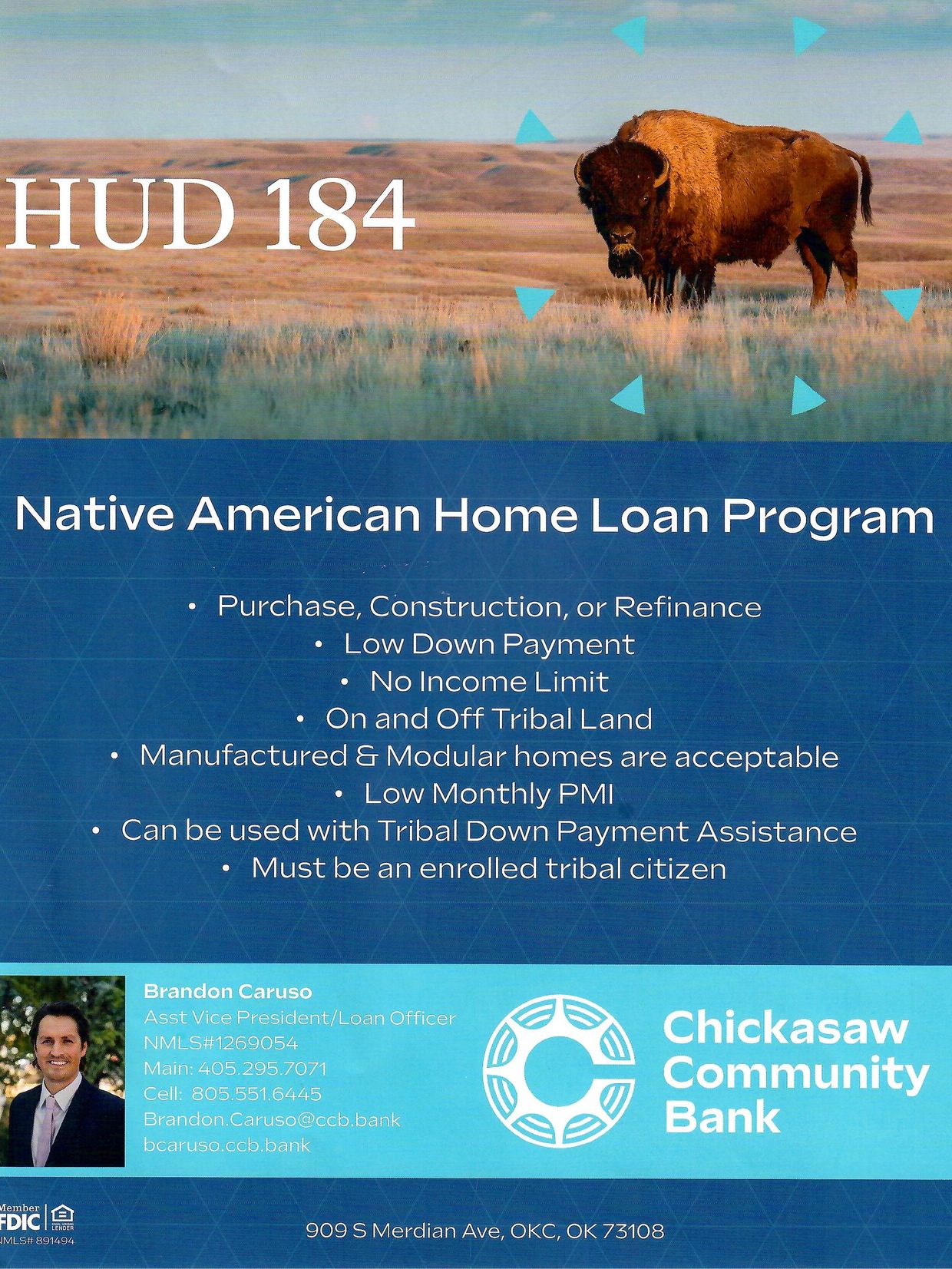
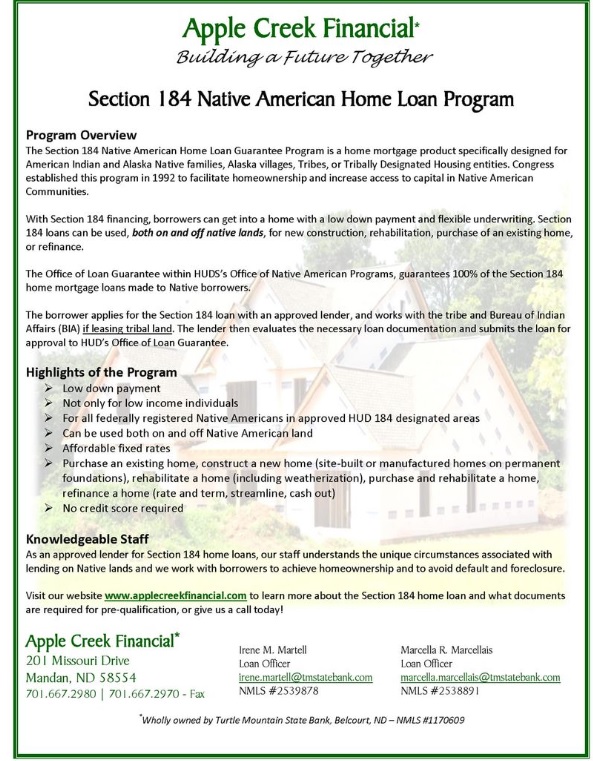
1. The HUD Section 184 Indian Home Loan Guarantee Program
Overview: The U.S. Department of Housing and Urban Development (HUD) Section 184 program is arguably the most significant and tailored financial tool for Native American homeownership. It’s a mortgage loan guarantee program designed to increase homeownership opportunities for eligible Native American and Alaska Native individuals, families, and tribal governments. HUD guarantees the loan, reducing the risk for approved lenders and encouraging them to make loans in Indian Country.
How it Supports Green Homes: Section 184 loans can be used for new construction, purchasing existing homes, rehabilitation, or refinancing. For green home builders, this means:
- New Construction: Financing the construction of a new energy-efficient or sustainably designed home.
- Rehabilitation: Funding upgrades to an existing home to improve its energy efficiency (e.g., new windows, insulation, solar panels) or incorporate green materials.
- Land Acquisition: In some cases, it can be used to purchase land on which a green home will be built.
2. USDA Rural Development Housing Programs
Overview: The U.S. Department of Agriculture (USDA) offers various housing programs primarily aimed at rural areas, which often include tribal lands. The two most relevant are:
- Section 502 Direct Loan Program: Provides low-interest loans directly to low- and very-low-income applicants to purchase or build homes in eligible rural areas.
- Section 502 Guaranteed Loan Program: Guarantees loans made by approved lenders to moderate-income applicants in eligible rural areas, similar to the HUD 184 model but for a broader rural population.
How it Supports Green Homes: Both 502 programs can be used for new construction or substantial rehabilitation. They are often flexible enough to accommodate the higher upfront costs associated with certain green building materials or energy systems, especially when those features contribute to long-term affordability through reduced utility bills. USDA also sometimes offers specific energy efficiency incentives or grants.
3. Tribal Housing Authorities and Programs
Overview: Many federally recognized tribes have their own housing authorities or departments. These entities often receive federal funding (like HUD’s Indian Housing Block Grant – IHBG) and administer local programs that can supplement federal loans, offer down payment assistance, provide land leases, or even build homes directly for tribal members.
How it Supports Green Homes: Tribal housing authorities are increasingly incorporating green building standards into their projects, recognizing the benefits for their communities. They may offer:
- Direct Lending or Grants: For specific green upgrades or new construction.
- Technical Assistance: Connecting members with green builders or energy auditors.
- Land Leases: Facilitating home construction on tribal trust lands.
- Policy Support: Developing tribal building codes that encourage or mandate sustainable practices.
4. Community Development Financial Institutions (CDFIs)
Overview: CDFIs are specialized financial institutions that provide financial services in economically distressed communities. Many CDFIs specifically serve Native American communities, understanding the unique cultural and economic contexts. They include community development banks, credit unions, loan funds, and venture capital funds.
How it Supports Green Homes: CDFIs are often more flexible and innovative than traditional banks. They may offer:
- Bridge Loans: To cover gaps in funding for green projects.
- Specialized Green Loans: Tailored to fund renewable energy systems, energy efficiency retrofits, or sustainable construction.
- Financial Literacy and Technical Assistance: Crucial for navigating complex projects.
Advantages (Kelebihan) of These Programs for Green Home Building
- Accessibility for Trust Land: A significant advantage, particularly for HUD Section 184 and some tribal programs, is their ability to finance homes on tribal trust lands. Conventional lenders often hesitate due to the unique land tenure system (land is held in trust by the U.S. government for the benefit of the tribe or individual, rather than outright ownership). These programs have established processes for leasehold mortgages.
- Lower Down Payments & Flexible Underwriting: Section 184 typically requires a very low down payment (as little as 2.25% for loans over $50,000, 1.25% for loans under) and has more flexible credit requirements compared to conventional loans, making homeownership more attainable. USDA programs also offer low-to-no down payment options.
- Competitive Interest Rates: Due to the federal guarantee or direct lending, interest rates are often competitive, and sometimes below market rates, reducing the overall cost of the loan.
- Cultural Sensitivity: These programs are designed with the unique needs of Native American communities in mind, often involving tribal governments in the process and respecting cultural protocols.
- Long-Term Cost Savings: While green homes can have higher upfront costs, the long-term benefits of reduced utility bills (energy and water) often outweigh this, leading to significant savings over the life of the loan. The loans facilitate access to these savings.
- Enhanced Health and Comfort: Green homes provide healthier indoor environments and improved thermal comfort, contributing directly to the well-being of residents.
- Environmental Stewardship: These loans enable individuals to align their housing with environmental values, reducing their carbon footprint and contributing to broader community sustainability goals.
- Economic Development: Investment in green housing creates local jobs in construction, renewable energy installation, and maintenance, fostering economic growth within tribal communities.
Disadvantages (Kekurangan) and Challenges
- Limited Lender Participation: While HUD Section 184 is a powerful tool, not all lenders are approved to offer these loans, and even fewer may have experience with green building projects on tribal lands. This can make finding a qualified lender challenging.
- Bureaucracy and Processing Time: Federal programs, by their nature, can involve extensive paperwork and longer processing times. The complexity of land tenure on tribal lands can further extend timelines.
- Availability of Green Building Expertise: In many remote or rural tribal areas, finding contractors, architects, and appraisers with specific expertise in green building techniques and certifications can be difficult and costly.
- Appraisal Challenges: Appraising green homes, especially those with unique or non-standard features (e.g., passive solar design, earth-sheltered homes, rainwater harvesting systems), can be challenging for appraisers unfamiliar with their value proposition. This can impact loan amounts.
- Infrastructure Limitations: Building green homes often involves connecting to utilities. In remote tribal areas, access to reliable grid electricity, water, and sewer infrastructure can be limited or nonexistent, requiring significant upfront investment in off-grid systems which may exceed loan limits.
- Loan Limits: While generally adequate, loan limits for federal programs might not always cover the full cost of highly ambitious or cutting-edge green home projects, which can sometimes have higher initial capital outlays.
- Awareness and Education Gap: Many Native American individuals and even tribal housing authorities may not be fully aware of the specific features of these loan programs or how they can be best leveraged for green building.
- Complex Land Leases: While Section 184 addresses trust land issues, navigating the specific terms of tribal land leases and ensuring they meet lender requirements can still be a complex process.
Recommendations for Purchase (Suitability and Actionable Steps)
For Native American individuals committed to building a green, sustainable home, these specialized loan programs are not just viable; they are often the most practical and culturally appropriate pathways. The "purchase recommendation" here isn’t about buying a product, but rather recommending the suitability of these programs and the actions one should take.
Who is this "product" for?
These loan programs are highly recommended for:
- Members of federally recognized Native American tribes or Alaska Native Villages.
- Individuals seeking to build or purchase a home on tribal trust land or in eligible rural areas.
- Those committed to sustainable living and willing to invest in the long-term benefits of a green home.
- Applicants who may face barriers to conventional financing due to credit history or down payment requirements.
Actionable Steps for Prospective Green Homeowners:
- Educate Yourself: Understand the specific requirements and benefits of HUD Section 184 and relevant USDA programs. Attend workshops offered by tribal housing authorities or housing counseling agencies specializing in Native American homeownership.
- Connect with a HUD Section 184 Approved Lender: Start here, as they are specifically authorized and experienced in these loans. Ask if they have experience financing green construction or energy-efficient upgrades.
- Engage Your Tribal Housing Authority: They are invaluable resources. They can provide information on tribal-specific housing initiatives, land lease processes, and potential supplemental assistance.
- Seek Green Building Expertise Early: Before finalizing plans, consult with architects, builders, or energy auditors experienced in sustainable construction and familiar with local climate conditions and materials. Look for those with experience in rural or tribal settings.
- Plan for Certifications (Optional but Recommended): Consider pursuing green building certifications like ENERGY STAR, LEED for Homes, or Passive House standards. While not always required for loans, they provide clear benchmarks, can enhance appraisal values, and ensure a truly high-performing home.
- Budget for Resiliency: Factor in not just energy efficiency but also water conservation (rainwater harvesting, greywater systems) and durable, climate-resilient materials.
- Explore All Avenues: Don’t limit yourself to one program. Look for stacking opportunities (e.g., a Section 184 loan combined with a tribal down payment assistance program or a USDA grant for energy efficiency).
- Be Patient and Persistent: The process can be complex, but the rewards of a culturally relevant, sustainable home are immense.
Conclusion
The journey to building a green home for Native American individuals is a powerful act of self-determination, environmental stewardship, and cultural reaffirmation. While the path is paved with unique challenges, specialized loan programs like the HUD Section 184 Indian Home Loan Guarantee Program, USDA Rural Development initiatives, and the support of Tribal Housing Authorities and CDFIs offer vital financial bridges.
These "products" are not merely financial instruments; they are catalysts for healthier, more resilient, and culturally aligned communities. By understanding their advantages, anticipating their challenges, and proactively engaging with the right resources, Native American individuals can successfully navigate the landscape of homeownership, building not just houses, but sustainable legacies for generations to come. The recommendation is clear: for eligible individuals, these programs represent an unparalleled opportunity to blend modern sustainability with ancestral wisdom, creating homes that truly honor the land and its people.


