
Building a Legacy: A Comprehensive Review of Native American Home Loans for Aging in Place
For many, the idea of "aging in place" – remaining in one’s home and community as they grow older – is not just a preference, but a deeply cherished aspiration. It represents autonomy, comfort, and a profound connection to one’s roots. This desire is particularly strong within Native American communities, where home often symbolizes cultural continuity, family legacy, and a sacred link to ancestral lands. However, achieving this goal can be fraught with unique financial and logistical challenges, especially when it comes to housing.
This comprehensive review will explore various Native American home loan programs, specifically evaluating their efficacy as "products" designed to facilitate aging in place. We will delve into their features, assess their advantages and disadvantages, and ultimately provide a recommendation for individuals and families navigating this crucial life stage.
The Unique Landscape of Native American Homeownership
Before diving into the loans themselves, it’s vital to understand the distinct context of Native American homeownership. Factors such as trust land status, diverse tribal regulations, remote locations, and historical economic disparities create a housing landscape unlike any other in the United States. Traditional mortgage products often struggle to adapt to these complexities, leaving many Native individuals without viable options.
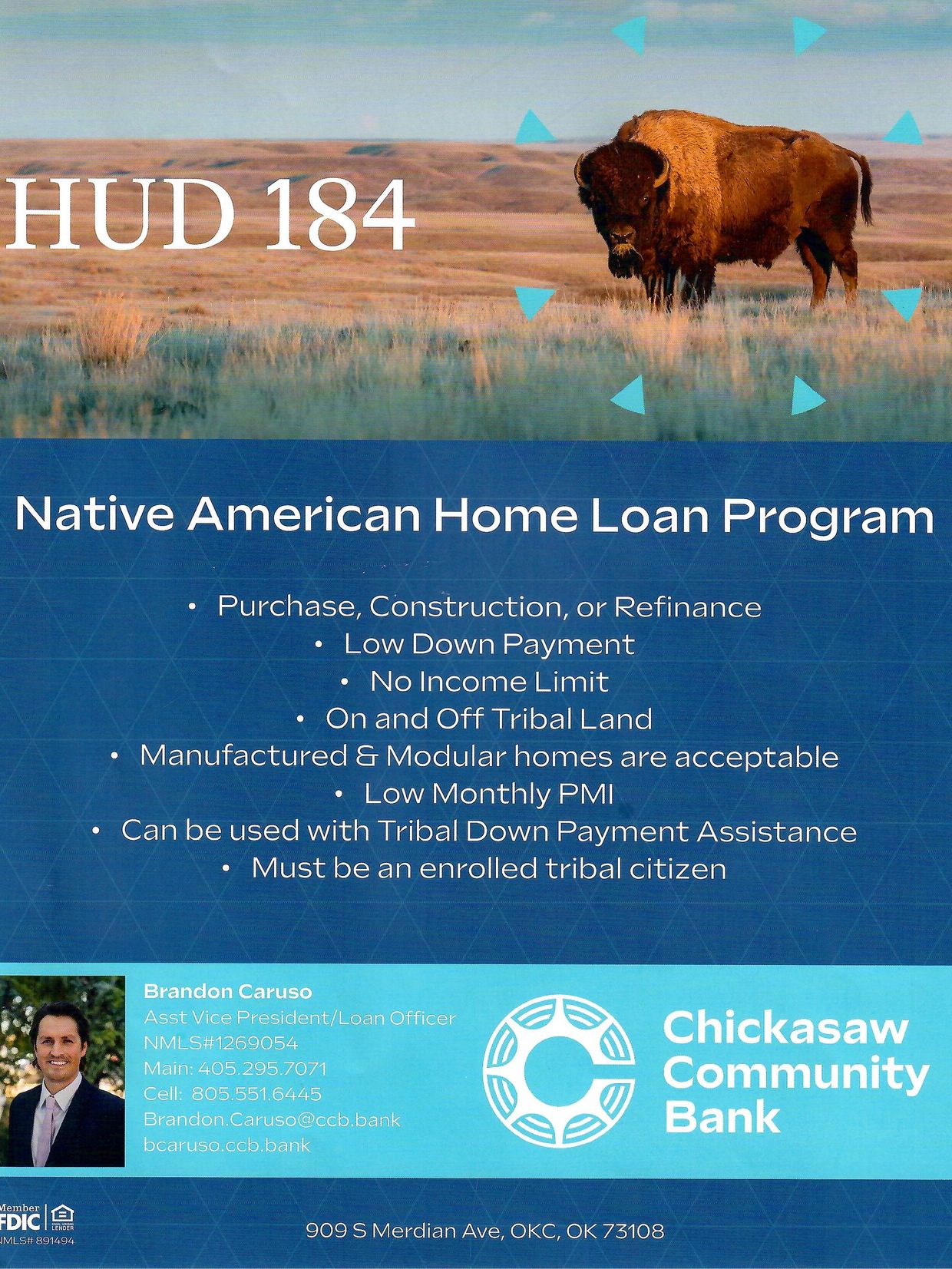
This is where specialized programs step in, designed to bridge these gaps and empower Native Americans to achieve their housing dreams, including the vital goal of aging in place.
The "Products" Under Review: Key Native American Home Loan Programs
When discussing "Native American home loans," we are primarily referring to two cornerstone programs, with others playing supporting roles:
-
HUD Section 184 Indian Home Loan Guarantee Program:
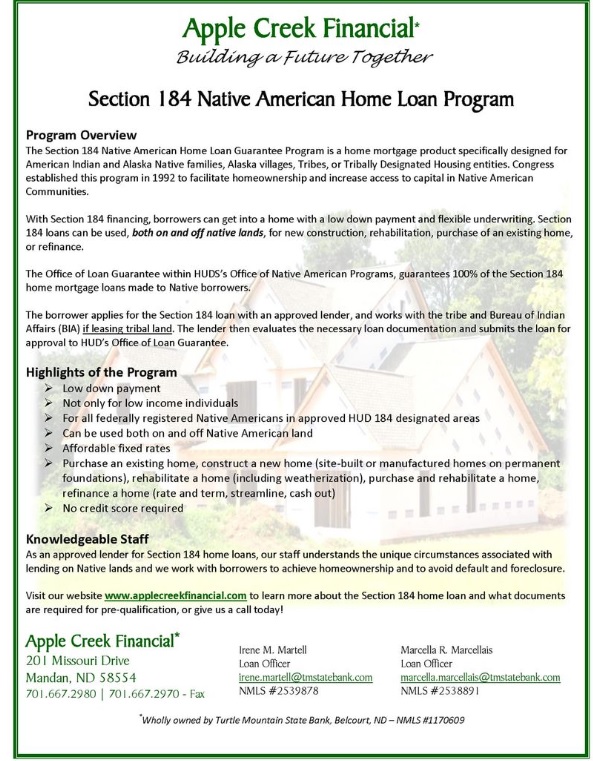
- What it is: This program, administered by the U.S. Department of Housing and Urban Development (HUD), provides a loan guarantee to approved lenders. This guarantee reduces the risk for lenders, making it easier for Native Americans and Alaska Natives to secure home loans, particularly on trust lands where traditional mortgages are often unavailable.
- How it works for aging in place: Section 184 loans can be used for purchasing a home, constructing a new one, rehabilitating an existing home, or refinancing. For those aging in place, the rehabilitation and refinancing options are particularly powerful. It allows homeowners to finance essential accessibility modifications (ramps, grab bars, wider doorways, walk-in showers) or to refinance existing, higher-interest mortgages, freeing up monthly income for ongoing care or living expenses.
-
VA Native American Direct Loan (NADL) Program:
- What it is: This program, offered by the Department of Veterans Affairs (VA), provides direct home loans to eligible Native American veterans to purchase, construct, or improve homes on Federal Trust Land.
- How it works for aging in place: The NADL program is specifically tailored for veterans. For an aging Native American veteran, it offers an unparalleled opportunity to build an accessible home, make necessary modifications to an existing one, or even refinance an existing NADL loan to adjust terms or consolidate debt. The direct nature of the loan from the VA can often simplify the process.
-
Other Relevant Programs (Supportive Roles):
- USDA Rural Development Home Loans (Section 502 Direct & Guaranteed): While not exclusively Native American, these loans can be highly beneficial for individuals in rural tribal areas. They offer low-interest loans with no down payment for eligible low- and moderate-income individuals, which can be crucial for aging in place, especially if they need to build or significantly renovate.
- Tribal Housing Programs: Many tribal nations have their own housing authorities and programs, often funded by HUD’s Indian Housing Block Grant (IHBG). These programs vary widely but can offer down payment assistance, rehabilitation grants, or even direct housing units tailored to the needs of elders.
Evaluating the "Product" Features for Aging in Place
Let’s dissect how these loans specifically address the needs of those wishing to age in place:
- Accessibility Modifications: Both Section 184 and NADL explicitly allow for the financing of home improvements. This is a game-changer for aging in place, as it enables the installation of ramps, stairlifts, grab bars, accessible bathrooms, and other modifications that ensure safety and independence.
- Refinancing Options: The ability to refinance an existing mortgage through Section 184 or NADL can significantly reduce monthly housing costs. This frees up critical funds that can then be allocated to in-home care services, medical expenses, property taxes, or other needs associated with aging.
- New Construction/Relocation: For those whose current homes are simply unsuitable or unsafe for long-term aging, these programs provide avenues to build a new, purpose-built accessible home within their community, or purchase a more suitable existing one.
- Land Status Flexibility: A paramount feature is the ability to finance homes on trust land, which is often impossible with conventional mortgages. This directly supports the cultural imperative for many Native Americans to remain on ancestral lands, ensuring continuity and connection for elders.
- Lower Down Payments & Flexible Underwriting: These programs generally feature lower down payment requirements (as low as 2.25% for Section 184 and often no down payment for NADL) and more flexible underwriting standards. This makes homeownership more attainable, reducing financial strain that can become overwhelming later in life.
- Security and Stability: Owning one’s home outright, or having a stable, affordable mortgage, provides immense security. This stability is crucial for elders, removing the stress of rent increases or potential displacement and allowing them to focus on their health and well-being.
- Intergenerational Living Support: By making homes more affordable and adaptable, these loans indirectly support intergenerational living, a common and valued practice in many Native American cultures. Family members can more easily live together and provide care for elders in a secure and culturally appropriate environment.
Pros: The Advantages of These "Products"
- Tailored to Unique Needs: Unlike generic loans, these programs are specifically designed to address the complex land status issues and financial realities of Native American communities.
- Access to Trust Land: They provide crucial access to financing for homes on trust lands, a significant barrier for conventional lenders.
- Affordability: Generally feature lower interest rates, reduced down payments, and flexible credit requirements, making homeownership more accessible and sustainable.
- Direct Support for Aging in Place: Explicitly allow for financing of home modifications and offer refinancing options to free up funds for care.
- Cultural Sensitivity: Enable individuals to remain on ancestral lands and within their communities, upholding cultural values of connection and legacy.
- Government-Backed Security: The guarantee or direct lending from HUD and VA provides a layer of stability and trust.
- Educational and Counseling Resources: Many lenders and tribal housing authorities offer counseling and support to navigate the process.
Cons: The Disadvantages and Challenges
- Eligibility Restrictions:
- Section 184 is limited to enrolled members of federally recognized tribes.
- NADL is exclusively for eligible Native American veterans.
- This excludes many individuals who may identify as Native American but do not meet these specific criteria.
- Lender Participation: While increasing, not all lenders offer Section 184 loans, and finding an experienced lender, especially in remote areas, can be a challenge. NADL is direct from the VA but still requires navigation of federal bureaucracy.
- Bureaucracy and Processing Time: Government-backed loans can sometimes involve more paperwork and longer processing times compared to conventional loans. This can be particularly frustrating for elders or those needing urgent modifications.
- Land Status Complexity Remains: While these loans address trust land, the intricacies of land assignments, probate, and title issues on trust lands can still present hurdles and delays.
- Awareness and Education Gap: Many eligible individuals and even financial advisors are unaware of these programs or how to access them effectively.
- Not a Panacea for All Aging Costs: While they can significantly reduce housing burdens and finance modifications, these loans do not cover ongoing costs of in-home care, medical treatments, or long-term care facilities, which remain substantial concerns.
- Limited Off-Reservation Impact: While Section 184 can be used off-reservation, its unique value proposition is most pronounced on trust land. For Native Americans living far from tribal lands, other loan products might be more competitive.
The "Purchase Recommendation"
For eligible Native American individuals and veterans seeking to age in place, these specialized home loan programs are highly recommended and often indispensable. They are not merely an option; for many, they are the only viable path to securing stable, affordable, and culturally appropriate housing that can be adapted for long-term independent living.
Who should consider these "products"?
- Enrolled members of federally recognized tribes: Especially those living on or near trust lands, or those seeking to purchase/refinance a home in an eligible area.
- Native American veterans: The NADL program offers exceptional benefits for those on trust land.
- Individuals planning for future accessibility needs: Even if not immediate, the ability to finance modifications preemptively is invaluable.
- Families supporting aging parents/grandparents: These loans can facilitate multi-generational living arrangements that benefit elders.
Steps to "Purchase" (Access) These Products:
- Determine Eligibility: Confirm your tribal enrollment (for Section 184) or veteran status (for NADL).
- Contact Your Tribal Housing Authority: They are often the first and best resource for understanding local housing needs, available programs, and navigating tribal-specific requirements.
- Find Approved Lenders: For Section 184, seek out lenders approved by HUD to offer these loans. For NADL, contact the VA directly.
- Seek Counseling: Many organizations offer pre-purchase and credit counseling specifically for Native American homebuyers. This can be crucial.
- Understand Land Status: If on trust land, prepare to navigate the unique requirements for title and land assignments.
- Articulate Your Aging-in-Place Needs: Clearly communicate to your lender or housing counselor how you envision using the loan to support aging in place (e.g., for specific modifications, refinancing to reduce payments for care).
Conclusion
Native American home loan programs, particularly HUD Section 184 and VA NADL, are not just financial instruments; they are vital tools for cultural preservation, economic empowerment, and the dignified aging of Native American elders. While they come with their own set of complexities and limitations, their unique features, especially their adaptability to trust land and their explicit support for home modifications, make them invaluable for individuals committed to aging in place within their cherished homes and communities.
The "product" of these loans offers a pathway to stability, independence, and the continuation of a legacy, ensuring that Native American elders can live out their golden years with comfort, security, and a deep connection to all that home represents. For eligible individuals, exploring these options is not just recommended; it’s an essential step towards fulfilling a profound and culturally significant life goal.


