
Navigating Native American Home Loans for Pre-Owned Manufactured Homes: A Comprehensive Review
Homeownership is a cornerstone of financial stability, community building, and generational wealth. For many Native Americans, however, the path to owning a home can be uniquely challenging, often compounded by factors such as land tenure complexities, remote locations, and limited access to traditional financial services. Manufactured homes, particularly pre-owned ones, present an appealing and often more affordable entry point into homeownership. But how do specialized Native American home loan programs intersect with the specific requirements and nuances of purchasing a pre-owned manufactured home?
This comprehensive review will delve into the landscape of Native American home loans, primarily focusing on the Department of Housing and Urban Development (HUD) Section 184 Indian Home Loan Guarantee Program, as it applies to individuals seeking to purchase pre-owned manufactured homes. We will explore the advantages and disadvantages, key considerations, and provide actionable recommendations for prospective buyers navigating this unique segment of the housing market.
Understanding the Landscape: Section 184 and Manufactured Homes
Before diving into the specifics, it’s crucial to understand the two main components of this discussion:
-
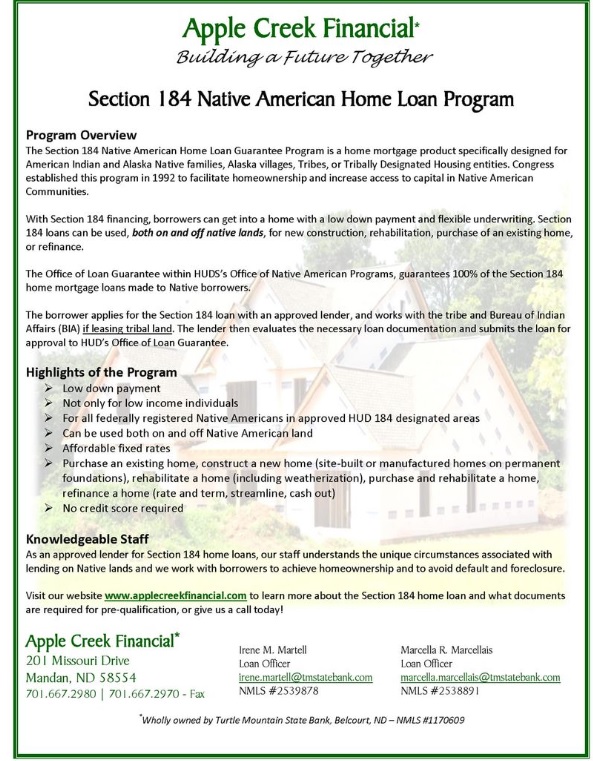
HUD Section 184 Indian Home Loan Guarantee Program: This program is specifically designed to provide mortgage financing opportunities for eligible Native American and Alaska Native individuals, families, and tribes. It allows for flexible underwriting, lower down payments, and competitive interest rates, making homeownership more accessible on and off tribal trust lands, and in eligible areas. HUD guarantees the loan, reducing risk for approved lenders and encouraging their participation.
-
Manufactured Homes: These are homes built in a factory to the federal HUD Manufactured Home Construction and Safety Standards (HUD Code). They are transported to a site and installed on a permanent foundation. Unlike "mobile homes" (a term for homes built before 1976), modern manufactured homes are built to rigorous standards, offering durability and energy efficiency.
- Pre-owned Manufactured Homes: These are homes that have had at least one previous owner. They are generally more affordable than new manufactured homes or traditional stick-built homes, making them an attractive option for budget-conscious buyers.
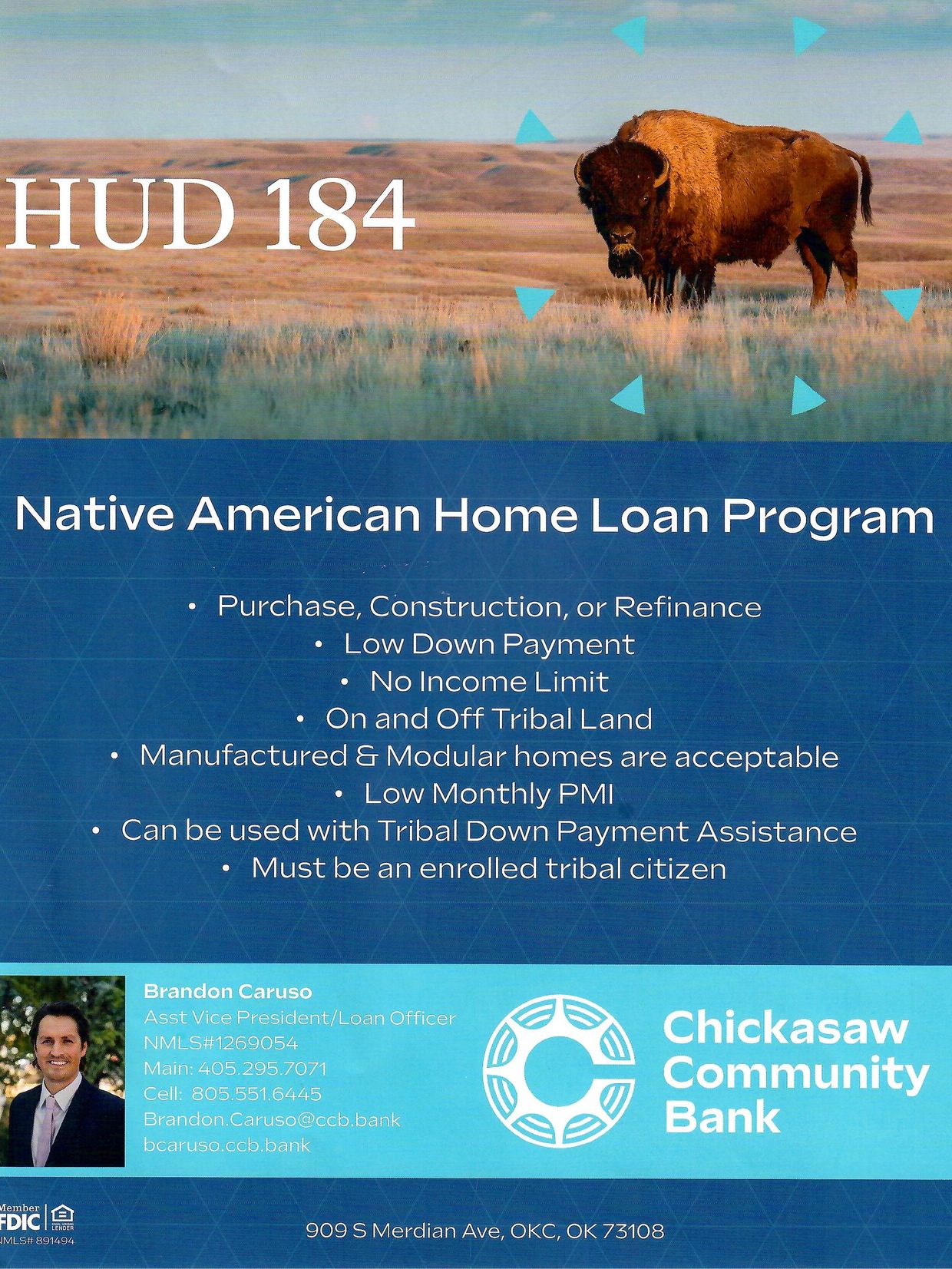
The intersection of these two elements creates a unique set of opportunities and challenges that demand careful consideration.
Advantages of Using Native American Home Loans for Pre-Owned Manufactured Homes
Leveraging programs like the Section 184 loan for a pre-owned manufactured home offers several distinct benefits:
-
Increased Affordability: Pre-owned manufactured homes are inherently more affordable than new constructions or traditional site-built homes. When combined with the financial advantages of a Section 184 loan (low down payment, competitive rates), the overall cost of homeownership becomes significantly more attainable for many Native American families. This lower entry barrier can be a game-changer for those with limited savings or moderate incomes.
-
Lower Down Payment Requirements: Section 184 loans typically require a very low down payment, often as little as 2.25% for loans over $50,000 and 1.25% for loans under $50,000. This is a substantial advantage compared to conventional loans that often demand 5-20% down, which can be a significant hurdle for many first-time homebuyers.
-
Flexible Underwriting Guidelines: The Section 184 program is known for its more flexible credit and debt-to-income ratio requirements compared to conventional loans. Lenders are encouraged to consider the unique financial circumstances of Native American borrowers, which can be beneficial for those with less-than-perfect credit histories or non-traditional income sources.
-
Competitive Interest Rates: Section 184 loans offer competitive fixed interest rates, helping borrowers secure predictable monthly payments over the life of the loan. This stability is especially valuable in fluctuating economic climates and allows for better long-term financial planning.
-
Broad Geographic Eligibility: The Section 184 program is available in many areas across the United States, including on and off reservations, and in eligible tribal areas. This flexibility is crucial for Native Americans who may wish to live within or near their tribal communities, even if traditional housing stock is limited. It also applies to trust land, fee simple land, and restricted fee land.
-
Access to Homeownership Counseling: Many Section 184 lenders and tribal housing authorities provide access to pre-purchase counseling. This invaluable resource helps buyers understand the homeownership process, manage their finances, and prepare for the responsibilities of owning a home, including the specific considerations for manufactured homes.
-
Support for Community Development: By facilitating homeownership, these loans contribute to the economic and social stability of Native American communities. They can help address housing shortages, promote self-sufficiency, and strengthen the overall infrastructure of tribal nations.
Disadvantages and Challenges
Despite the significant advantages, there are several disadvantages and challenges associated with using Native American home loans for pre-owned manufactured homes:
-
Limited Lender Participation: While the Section 184 program is nationwide, not all lenders are approved to offer these loans, and even fewer may specialize in financing manufactured homes, particularly pre-owned ones. This can limit options and require borrowers to search extensively for a qualified and experienced lender.
-
Age and Condition Restrictions for Manufactured Homes: This is a critical hurdle. Most lenders, even those participating in Section 184, impose strict age limits on manufactured homes they will finance. Homes typically need to be no older than 10-20 years. Furthermore, the home must be in good condition, meet HUD code standards, and pass a thorough inspection and appraisal. Very old or poorly maintained manufactured homes may not qualify for financing.
-
Appraisal Challenges: Appraising pre-owned manufactured homes can be more complex than stick-built homes. It requires specific expertise to accurately assess value, especially when comparable sales data for similar homes in the same area is scarce. Factors like depreciation, the quality of the permanent foundation, and the overall condition play a significant role. An appraisal that comes in too low can derail a purchase.
-
Land Ownership Complexities: While Section 184 can finance homes on trust land, fee simple land, and restricted fee land, the nuances of land tenure on tribal lands can add layers of complexity.
- Trust Land: Requires additional documentation, such as a Leasehold Mortgage or an Assignment of Lease, and involves tribal approval processes. This can extend closing times.
- Fee Simple Land: Generally more straightforward, but ensuring clear title is always essential.
- Manufactured Home as Personal Property vs. Real Estate: If the manufactured home is not permanently affixed to the land and taxed as real estate, it may be considered personal property (chattel loan) rather than real estate. Section 184 loans are for real estate, so the home must be permanently affixed to land owned by the borrower (or leased with a long-term, HUD-approved lease).
-
Permanent Foundation Requirement: For a manufactured home to qualify for a Section 184 loan (or most traditional mortgages), it must be permanently affixed to a foundation that meets FHA/HUD guidelines. This means it cannot be on temporary piers or blocks. If a pre-owned home is not already on such a foundation, the cost of installing one can be significant and must be factored into the overall budget.
-
Inspection and Structural Integrity Concerns: Older manufactured homes may have hidden issues such as outdated electrical systems, plumbing problems, roof leaks, or structural deficiencies that could make them ineligible for financing or costly to repair. A thorough inspection is paramount, and any required repairs may need to be completed before loan approval.
-
Insurance Requirements: Lenders will require comprehensive hazard insurance, and potentially flood insurance, which can be more expensive for older manufactured homes or those in certain locations.
-
Perception and Resale Value: Despite advancements in quality, some stigma still exists around manufactured homes, which can sometimes impact future resale value and appraisal comparisons.
-
Potentially Longer Closing Times: Due to the specialized nature of the loan, the property type, and potential land tenure issues, the closing process for a Section 184 loan on a pre-owned manufactured home can sometimes take longer than a conventional loan on a traditional home.
Key Considerations for Pre-Owned Manufactured Homes
When specifically targeting pre-owned manufactured homes with a Native American home loan, keep these crucial points in mind:
- Foundation: Verify the home is (or can be) placed on a permanent, FHA-approved foundation. This is non-negotiable for real estate financing.
- Age and Condition: Understand the lender’s specific age limits. Prioritize homes that are well-maintained and show no signs of major structural issues. A professional home inspection is vital.
- HUD Certification: Ensure the home has its original HUD tag and data plate, proving it was built to federal standards. Without these, financing will be extremely difficult, if not impossible.
- Title and Land Ownership: Confirm the manufactured home’s title can be "retired" or "converted" from personal property to real property, effectively making it part of the land. This is essential for mortgage financing. Thoroughly understand the land ownership (fee simple, trust, etc.) and any associated leases or restrictions.
- Utilities and Access: Verify that the property has reliable access to essential utilities (water, sewer/septic, electricity) and proper road access.
- Environmental Factors: Consider flood zones, proximity to industrial areas, or other environmental concerns that might impact the property’s value or insurability.
Recommendations for Prospective Buyers
For Native American individuals considering a pre-owned manufactured home using a specialized loan program, the following recommendations are crucial:
-
Seek Out Experienced Lenders and Loan Officers: Not all lenders are equally adept at handling Section 184 loans, especially for manufactured homes. Find a lender with a proven track record in both areas. Ask specific questions about their experience with pre-owned manufactured homes and tribal land.
-
Get Pre-Approved Early: A pre-approval will clarify your budget, identify any potential credit issues, and show sellers you are a serious buyer, giving you an edge in a competitive market.
-
Prioritize Education and Counseling: Take advantage of any homeownership counseling offered through your tribe, HUD-approved agencies, or your lender. Understanding the entire process, from loan terms to home maintenance, is invaluable.
-
Conduct Thorough Due Diligence on the Home:
- Professional Home Inspection: This is non-negotiable. Hire an inspector experienced with manufactured homes. They can identify critical issues that might not be visible to the untrained eye.
- Appraisal: Ensure the appraiser is familiar with manufactured homes in your area and the specifics of the Section 184 program.
- Review all Documentation: Get copies of the home’s HUD tag/data plate, any previous inspection reports, and repair records.
-
Understand Land Tenure Intricacies: If the home is on tribal land, work closely with your tribal housing authority and legal counsel to understand all lease agreements, tribal ordinances, and the process for securing the necessary land documents.
-
Budget for Potential Upgrades and Repairs: Pre-owned homes, especially manufactured ones, may require immediate repairs or upgrades to meet financing requirements or simply to make them habitable. Factor these costs into your overall budget. Consider an escrow for repairs if your loan program allows.
-
Explore All Options: While pre-owned manufactured homes offer affordability, also consider the long-term costs. Sometimes, a slightly newer or even a new manufactured home might offer better energy efficiency, fewer maintenance issues, and easier financing, potentially saving money in the long run.
-
Be Patient and Persistent: The process can be complex and may take time. Patience, persistence, and thoroughness will be your greatest assets.
Conclusion
For eligible Native American individuals and families, the HUD Section 184 Indian Home Loan Guarantee Program offers a powerful pathway to homeownership. When combined with the affordability of pre-owned manufactured homes, it opens doors that might otherwise remain closed. However, this journey is not without its specific challenges, particularly regarding the age, condition, foundation, and land tenure of manufactured properties.
By understanding the unique advantages and disadvantages, diligently addressing key considerations, and following expert recommendations, prospective buyers can successfully navigate this specialized segment of the housing market. Achieving homeownership, whether in a traditional or manufactured home, represents a significant step towards financial empowerment and building lasting legacies within Native American communities. With the right preparation and support, the dream of owning a home on one’s own terms can become a tangible reality.


