
Building on Sacred Ground: A Comprehensive Review of Native American Home Loans for Essential Workers on Reservation
For essential workers – the dedicated individuals who form the bedrock of community health, education, safety, and infrastructure – the dream of homeownership represents more than just a roof over their heads. It signifies stability, wealth creation, a legacy for their children, and a deeper rootedness in the places they serve. This dream, however, often faces unique and formidable barriers when pursued by Native American essential workers on reservation lands. The intersection of sovereign tribal governance, federal trust land complexities, and historical economic disparities creates a landscape unlike any other in the U.S. housing market.
This comprehensive review will delve into the "product" – Native American home loan programs tailored for essential workers residing on reservations. We will explore the nuances of this critical financial tool, highlighting its advantages, dissecting its challenges, and ultimately offering a recommendation for those dedicated individuals looking to invest in their homes and communities.
The Landscape: Why Essential Workers on Reservation Need Specialized Solutions
Before examining the loans themselves, it’s crucial to understand the unique context. "Essential workers" on reservations encompass a broad spectrum: nurses, doctors, teachers, tribal police officers, firefighters, sanitation workers, utility technicians, grocery store staff, and many more. Their consistent presence and dedication are vital for the day-to-day functioning and long-term resilience of tribal nations. Retaining these skilled individuals, especially those who are tribal members, is a priority for every reservation.

However, homeownership on tribal lands presents distinct challenges:
- Land Tenure: The most significant hurdle is the nature of land ownership. Much of Indian Country is held in "trust" by the federal government for the benefit of individual tribal members or the tribe itself. This means individual homeowners typically cannot own the land outright (fee simple) but rather lease it. This unique arrangement complicates traditional mortgage lending, as lenders cannot easily foreclose on and repossess trust land.
- Infrastructure Gaps: Many reservations, particularly those in remote areas, lack the robust infrastructure (roads, water, sewer, electricity, internet) found in non-tribal communities. The cost of connecting to or developing these services can be prohibitive for individual homeowners.
- Appraisal Challenges: The lack of comparable sales data for homes on trust land, combined with the unique land tenure, makes appraisals complex and often undervalues properties.
- Lender Familiarity: Many mainstream lenders are unfamiliar with tribal law, trust land intricacies, and the specific programs designed for Native Americans, leading to reluctance or outright refusal to lend.
- Credit and Financial Literacy: Historical economic disadvantages and limited access to mainstream financial services can mean essential workers on reservations face credit challenges or lack the financial literacy needed to navigate complex loan processes.
These factors underscore the necessity of specialized loan programs that address these structural issues, rather than expecting essential workers to fit into conventional lending models.
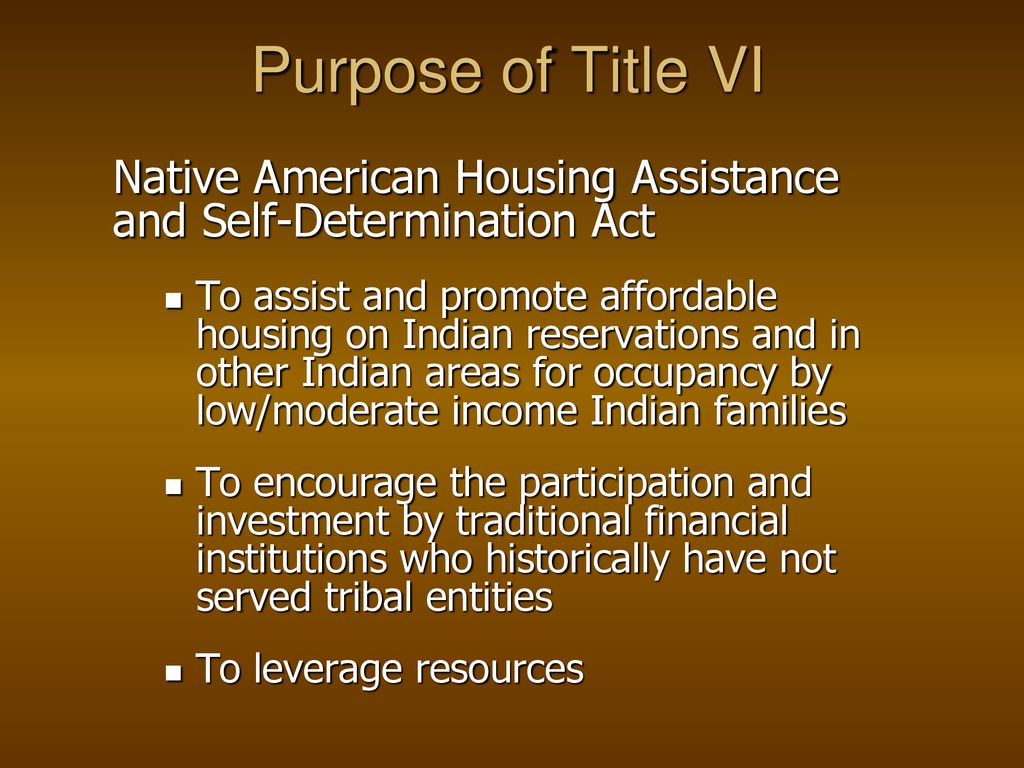
The "Product": Key Native American Home Loan Programs
While not a single "product," these loan programs collectively serve as the primary pathways to homeownership for essential workers on reservation.
1. HUD Section 184 Indian Home Loan Guarantee Program
This is arguably the most impactful and widely utilized program. Administered by the U.S. Department of Housing and Urban Development (HUD), the Section 184 program guarantees loans made by approved lenders to Native American and Alaska Native individuals, families, and tribal governments. This guarantee mitigates the risk for lenders, making them more willing to lend on trust land.
Key Features:
- Eligibility: Must be an enrolled member of a federally recognized tribe or an Alaska Native.
- Loan Types: Can be used for purchase, refinance, rehabilitation, or new construction.
- Property Location: Applicable for homes on trust land, restricted land, fee simple land within tribal areas, and even off-reservation, provided the borrower is Native American.
- Down Payment: As low as 2.25% for loans over $50,000, and 1.25% for loans under $50,000.
- Interest Rates: Competitive market rates.
- Loan Terms: Fixed-rate, 30-year mortgages.
- Underwriting Flexibility: Recognizes unique tribal income structures and credit histories.
- Tribal Participation: Requires tribal approval for land leases and other necessary documents.
2. VA Native American Direct Loan (NADL) Program
For Native American essential workers who are also eligible veterans, the Department of Veterans Affairs (VA) offers the NADL program. This program directly lends money to eligible Native American veterans to purchase, construct, or improve homes on federal trust land.
Key Features:
- Eligibility: Native American veteran (enrolled member of a federally recognized tribe) who is eligible for VA home loan benefits.
- Loan Type: Direct loan from the VA, not a guarantee.
- Property Location: Strictly for homes on federal trust land.
- Down Payment: No down payment required.
- Interest Rate: Fixed, low interest rate set by the VA.
- Loan Term: 30 years.
- No Private Mortgage Insurance (PMI): A significant cost saving.
- Limited Availability: Funds are limited and allocated annually.
3. Tribal Housing Authorities and Programs
Many tribal nations operate their own housing authorities, which play a crucial role in facilitating homeownership. They often act as intermediaries, provide housing counseling, assist with land leases, and sometimes offer down payment assistance, infrastructure development, or even direct lending through tribal programs.
4. Native Community Development Financial Institutions (CDFIs)
Native CDFIs are mission-driven financial institutions that provide financial products and services in Native American communities. They are uniquely positioned to understand the needs and challenges of their communities and can offer tailored loans, financial literacy training, and credit building assistance.
The Advantages (Pros) of These Programs
For essential workers on reservation, these specialized loan programs offer a multitude of benefits:
- Access to Homeownership on Trust Land: This is the paramount advantage. Without programs like Section 184 and NADL, securing a mortgage on trust land would be nearly impossible through conventional channels. These programs bridge the gap between tribal land tenure and mainstream finance.
- Lower Financial Barriers:
- Low Down Payments: Section 184’s low down payment requirements make homeownership more accessible, especially for essential workers who may not have substantial savings. NADL’s zero down payment is a game-changer for eligible veterans.
- Competitive Interest Rates: Both Section 184 and NADL offer rates comparable to or better than conventional loans, ensuring affordability.
- No PMI (NADL): The absence of Private Mortgage Insurance for NADL borrowers significantly reduces monthly housing costs.
- Tailored Underwriting and Support:
- Understanding Unique Income: Section 184 lenders are trained to understand diverse income sources common in tribal communities, including per capita payments, trust income, and traditional employment.
- Flexible Credit Standards: While creditworthiness is still important, these programs often allow for more flexible underwriting, considering alternative credit histories or less-than-perfect credit profiles.
- Cultural Sensitivity: Approved lenders and housing counselors are often more attuned to the cultural and social contexts of Native American communities.
- Community Stability and Retention: By enabling essential workers to own homes on reservation, these programs contribute directly to:
- Workforce Retention: Essential workers are more likely to stay and serve their communities if they can build equity and stability there. This directly strengthens critical services like healthcare, education, and public safety.
- Economic Development: Homeownership stimulates local economies through construction, maintenance, and retail spending.
- Intergenerational Wealth Building: Home equity is a primary driver of wealth creation, which can be passed down, breaking cycles of poverty and fostering economic self-sufficiency within tribal families.
- Preservation of Culture and Community: Homeownership allows families to remain on their ancestral lands, strengthening cultural ties, language preservation, and the continuation of tribal traditions within their communities. It supports the vision of self-determination for tribal nations.
- Direct Support and Advocacy: Tribal Housing Authorities and Native CDFIs provide invaluable direct support, from financial counseling to navigating the land lease process, acting as advocates for the essential worker throughout the journey.
The Disadvantages and Challenges (Cons)
While transformative, these programs are not without their complexities and potential drawbacks:
- Complexity of Trust Land Process: Despite the programs, navigating the federal trust land system remains intricate. It involves coordinating between the borrower, lender, Bureau of Indian Affairs (BIA), and the tribal government.
- Land Lease Agreements: Obtaining and approving the necessary land lease for the home can be a lengthy and bureaucratic process, often requiring multiple signatures and approvals.
- Appraisal Difficulties: Even with Section 184’s specific guidelines, appraisers unfamiliar with trust land can still undervalue properties due to a lack of comparable sales or misunderstanding of the unique market.
- BIA Involvement: The BIA’s role in approving leases and titles can add layers of bureaucracy and extend processing times.
- Limited Lender Pool: While the number is growing, not all mortgage lenders are approved Section 184 lenders, and fewer still have the expertise or willingness to work on trust land. This can limit choices for essential workers, especially in remote areas.
- Infrastructure Costs and Availability: Even if a loan is approved, the cost of bringing essential services (water, sewer, electricity, internet) to a new home site on reservation can be substantial and may not be fully covered by the loan. This can delay or even derail construction plans.
- Longer Processing Times: Due to the multiple stakeholders (borrower, lender, tribe, BIA, HUD/VA), the timeline for approval and closing on a home loan on trust land can be significantly longer than for a conventional loan. Patience and persistence are crucial.
- Perception and Education Gaps: Some essential workers may be unaware of these programs, or harbor skepticism due to past experiences with financial institutions. There’s a continuous need for education and outreach.
- Ongoing Maintenance and Future Planning: Like any homeownership, borrowers are responsible for property taxes (if applicable), home insurance, and maintenance. Planning for future home improvements or refinancing can also be subject to the same land tenure complexities.
- NADL Funding Limitations: While an excellent program, NADL’s direct lending status means it’s subject to annual funding appropriations, which can limit availability at times.
Recommendation for Essential Workers on Reservation
Overall Recommendation: Highly Recommended with Strategic Preparation.
For essential workers on reservation, pursuing homeownership through programs like HUD Section 184 or the VA Native American Direct Loan is not just an option; it is often the most viable and empowering pathway to achieving this fundamental American dream. These programs are specifically designed to overcome historical and systemic barriers, offering financial stability, community strengthening, and the preservation of cultural ties.
However, success hinges on a proactive and informed approach. Here’s a targeted recommendation:
-
Start Early with Financial Readiness:
- Credit Health: Focus on building and maintaining a strong credit score. If your credit is poor, seek guidance from a Native CDFI or Tribal Housing Authority on credit repair.
- Budgeting and Savings: Begin saving for the down payment (if applicable), closing costs, and a reserve fund for unforeseen expenses.
- Financial Literacy: Attend workshops offered by your Tribal Housing Authority or Native CDFIs to understand the basics of mortgages, interest rates, and homeownership responsibilities.
-
Engage Your Tribal Housing Authority (THA) Immediately:
- The THA is your most valuable resource. They can provide counseling, assist with land lease processes, identify tribal-specific down payment assistance programs, and connect you with approved lenders. They understand the local landscape and tribal laws.
-
Research and Select an Experienced Lender:
- Prioritize lenders with proven experience in Section 184 and/or NADL loans, especially those who have successfully closed loans on your specific reservation. Ask for references.
- Don’t be afraid to interview several lenders to find one who is knowledgeable, communicative, and respectful of tribal sovereignty.
-
Understand Your Land Tenure:
- Familiarize yourself with the specifics of land ownership on your reservation (e.g., trust land, restricted fee, allotted land). This knowledge is crucial for understanding the lease process and appraisal nuances.
-
Be Patient and Persistent:
- The process can be lengthy and require significant paperwork and coordination. Maintain open communication with your lender, the THA, and the BIA. Your persistence will pay off.
-
Explore All Available Resources:
- Beyond Section 184 and NADL, inquire about state or tribal specific down payment assistance programs, grants, and credit-building initiatives. Native CDFIs are excellent resources for these.
Conclusion
Native American home loans for essential workers on reservation are not merely financial instruments; they are catalysts for community development, economic empowerment, and cultural resilience. They acknowledge and address the unique historical and structural challenges faced by Indigenous peoples in achieving homeownership on their ancestral lands. While the path may be more complex than conventional lending, the rewards – a stable home, generational wealth, and the ability to continue serving and strengthening one’s community – are immeasurable.
For the essential workers who dedicate their lives to the well-being of their tribal nations, these programs offer a tangible means to build a future on sacred ground. With diligent preparation, strong tribal support, and a commitment to navigating the process, the dream of homeownership on reservation is not just attainable, but a powerful step towards true self-determination and lasting prosperity.


