Homeownership on Hallowed Ground: A Review of Native American Home Loan Programs for Single Mothers on Reservations
The dream of homeownership is a universal aspiration, representing stability, security, and a foundation for the future. For single mothers, particularly those residing on Native American reservations, this dream holds even deeper significance. It’s not just about four walls and a roof; it’s about providing a stable environment for their children, strengthening community ties, preserving cultural heritage, and building generational wealth in places often overlooked by mainstream financial institutions.
However, the path to homeownership on reservations is uniquely challenging. A complex interplay of land tenure systems, socio-economic disparities, historical injustices, and limited access to conventional financing has historically made this dream seem distant. Fortunately, several specialized home loan programs exist, designed to bridge these gaps and empower Native American single mothers to achieve homeownership on their ancestral lands. This article will review these vital programs, exploring their advantages and disadvantages, and offering a comprehensive recommendation for those embarking on this significant journey.
The Unique Landscape: Why Homeownership on Reservations is Different
Before delving into specific programs, it’s crucial to understand the distinctive context of homeownership on Native American reservations. Unlike fee-simple land ownership prevalent elsewhere, much of the land on reservations is held in trust by the U.S. government for the benefit of the tribe or individual allottees. This "trust land" status impacts everything from property taxes to the ability to use land as collateral, often deterring conventional lenders.
For single mothers, these challenges are compounded by systemic issues such as lower average incomes, higher rates of poverty, limited access to credit, and often, a lack of financial literacy resources. Many also face the additional burdens of childcare, limited job opportunities, and domestic violence, further complicating their financial stability and ability to navigate complex loan applications. Homeownership, in this context, offers not just shelter but a critical step towards breaking cycles of poverty and fostering self-sufficiency.
Key Home Loan Programs: A Detailed Review
Several federal and tribal programs offer pathways to homeownership for Native Americans. While not all are exclusively for single mothers, their features often make them particularly beneficial for this demographic.
1. The HUD Section 184 Indian Home Loan Guarantee Program
Product Overview:
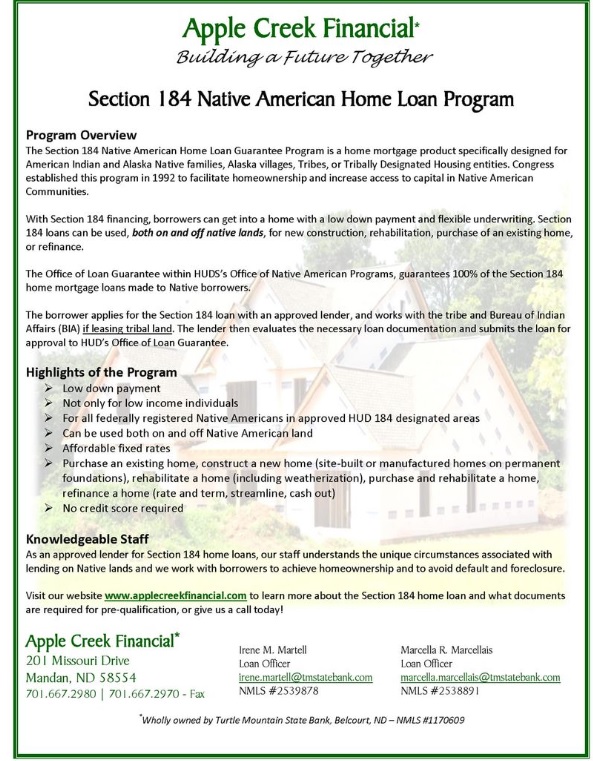
The HUD Section 184 program is arguably the most significant and specifically tailored home loan program for Native Americans. It is a loan guarantee program, meaning HUD guarantees a portion of the loan to approved lenders, reducing their risk and encouraging them to lend on trust lands where they might otherwise hesitate. This program can be used for new construction, purchase of existing homes, rehabilitation, or even refinancing.
Key Features:
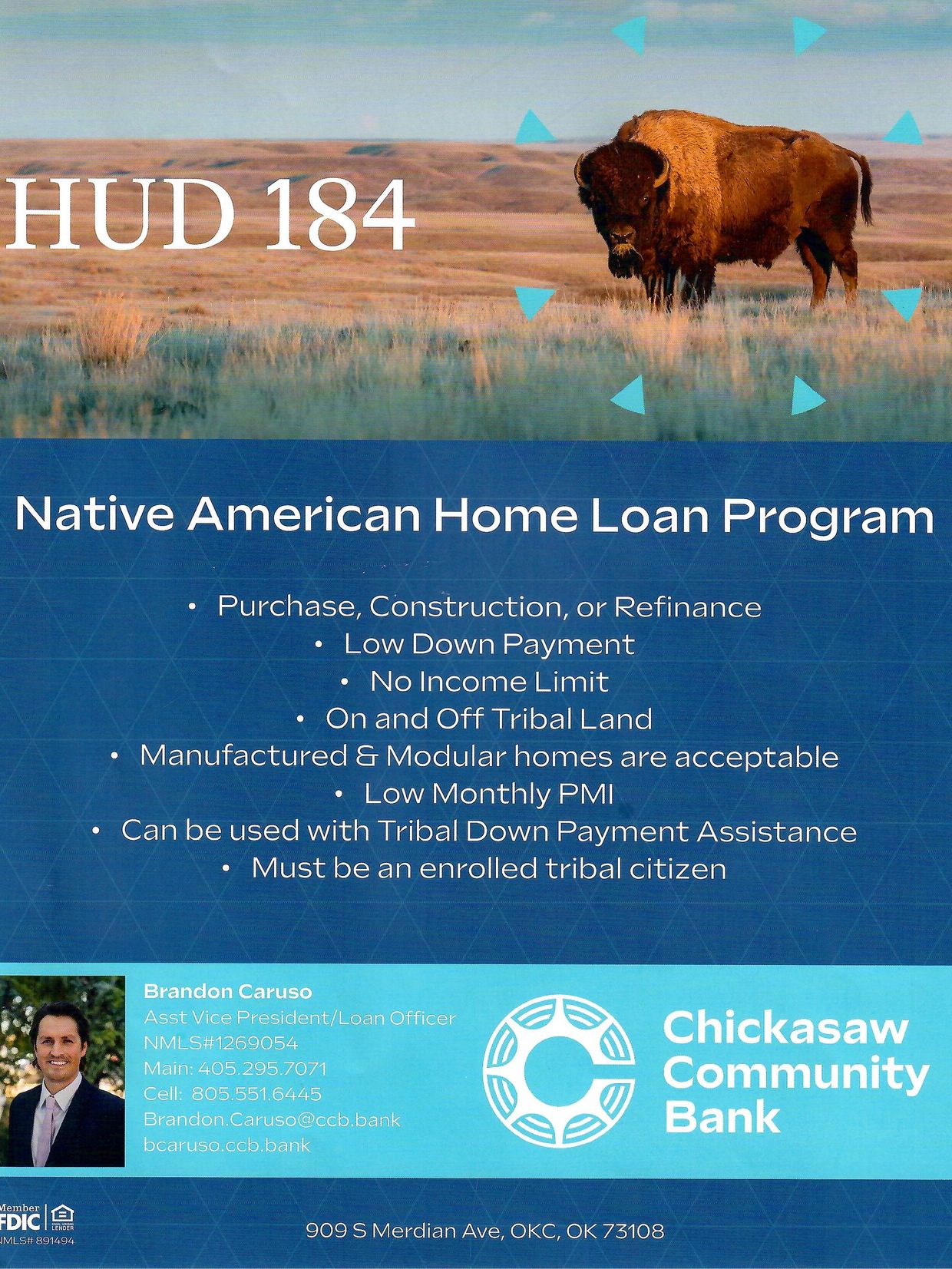
- Eligibility: Must be an enrolled member of a federally recognized tribe. The property must be on trust land, fee simple land within a reservation, or in an eligible Indian area.
- Loan Types: Fixed-rate mortgages for up to 30 years.
- Down Payment: As low as 2.25% for loans over $50,000, and 1.25% for loans $50,000 or less.
- Mortgage Insurance: A one-time upfront guarantee fee (1.5%) and an annual loan guarantee fee (0.25%) are required.
- Underwriting: Flexible underwriting guidelines, often more understanding of non-traditional credit histories and income sources common on reservations.
Advantages for Single Mothers:
- Low Down Payment: This is a critical advantage, as single mothers often have limited savings.
- Flexible Credit Guidelines: The program’s understanding of unique financial situations on reservations means that past credit challenges may not be an insurmountable barrier.
- Competitive Interest Rates: Because the loan is guaranteed by HUD, lenders can offer attractive rates.
- Tailored to Trust Land: Crucially, Section 184 is specifically designed to work with tribal land tenure systems, including leases, making homeownership possible where conventional loans cannot.
- Broad Use: Can be used for various housing needs, offering flexibility.
- Reduced Risk for Lenders: The guarantee encourages more lenders to participate, theoretically increasing access.
Disadvantages:
- Lender Availability: While increasing, not all lenders are familiar with or offer Section 184 loans. Finding an experienced lender can be challenging.
- Appraisal Challenges: Appraising properties on trust land can be complex due to lack of comparable sales data, potentially leading to lower valuations or delays.
- Tribal Approval: Requires a "Tribal Certification" confirming the borrower’s tribal enrollment and the land lease agreement, which can add a layer of bureaucracy.
- Program Awareness: Many potential borrowers, and even some lenders, are still unaware of the program’s full scope and benefits.
- Limited to Federally Recognized Tribes: Excludes members of state-recognized tribes or those without tribal enrollment.
2. VA Native American Direct Loan (NADL) Program
Product Overview:
The VA NADL program offers direct home loans to eligible Native American veterans to purchase, construct, or improve homes on Native American trust lands. It is a direct loan from the Department of Veterans Affairs, not a guarantee program.
Key Features:
- Eligibility: Must be a Native American veteran (or their spouse) who is an enrolled member of a federally recognized tribe. Must also be eligible for VA home loan benefits.
- Location: Home must be on Native American trust land.
- Loan Terms: No down payment, competitive fixed interest rates, and no private mortgage insurance.
- Loan Purpose: Purchase, construct, or improve a home, or refinance an existing NADL loan.
Advantages for Single Mothers (who are veterans):
- No Down Payment: This is a monumental benefit, eliminating a major hurdle for many single mothers.
- Low Fixed Interest Rates: Direct loans from the VA often have highly favorable rates, leading to lower monthly payments.
- No Private Mortgage Insurance (PMI): Saves significant money over the life of the loan.
- Direct Support from VA: Borrowers work directly with the VA, which can streamline the process for those familiar with VA services.
- Specifically for Trust Land: Designed to navigate the complexities of trust land.
Disadvantages:
- Veteran Status Required: Only available to Native American veterans, significantly limiting its applicability.
- Land Lease Requirement: The veteran must have a valid interest in the land (e.g., a tribal lease) for the property on trust land.
- Limited to Trust Land: Cannot be used for homes on fee-simple land outside of trust land.
3. USDA Rural Development (RD) Programs (e.g., Section 502 Direct and Guaranteed Loans)
Product Overview:
The USDA Rural Development offers various housing programs aimed at helping low- and moderate-income individuals purchase homes in rural areas. While not exclusive to Native Americans, many reservations and surrounding communities qualify as rural. The two main types are Direct Loans (for very low- and low-income borrowers) and Guaranteed Loans (for moderate-income borrowers).
Key Features:
- Eligibility: Income limits apply (based on the area median income). Property must be in an eligible rural area.
- Direct Loans (Section 502 Direct): For very low- and low-income applicants. Offers payment assistance to reduce monthly mortgage payments. No down payment required.
- Guaranteed Loans (Section 502 Guaranteed): For moderate-income applicants. No down payment required. Loans are made by approved lenders and guaranteed by USDA.
- Loan Purpose: Purchase, build, repair, or relocate a home.
Advantages for Single Mothers:
- Zero Down Payment (Both Programs): A significant barrier removed, especially for those with limited savings.
- Low-Income Focus (Direct Loans): Payment assistance can make homeownership affordable for those with very limited incomes.
- Competitive Rates: Guaranteed loans offer competitive rates due to the USDA backing.
- Broader Geographic Scope: Can be used in any qualifying rural area, including many areas surrounding reservations that might not be on trust land.
- Flexible Credit: USDA programs are generally more flexible with credit requirements than conventional loans.
Disadvantages:
- Income Limits: Strict income limits can disqualify some potential borrowers, especially those whose income fluctuates.
- Geographic Restrictions: Property must be in a USDA-eligible rural area, which may exclude some reservation lands or nearby towns.
- Less Tailored to Trust Land: While usable, these programs are not specifically designed for the complexities of tribal land tenure, potentially leading to more hurdles than Section 184 or NADL for trust land properties.
- Annual Fees: Guaranteed loans require an upfront guarantee fee and an annual fee, similar to mortgage insurance.
4. Tribal Housing Programs & Community Development Financial Institutions (CDFIs)
Product Overview:
Many tribes operate their own housing authorities or programs, often funded by HUD’s Indian Housing Block Grant (IHBG). These programs vary widely but can include rental assistance, home rehabilitation, down payment assistance, and sometimes even direct homeownership programs or land leases. Additionally, Native CDFIs (Community Development Financial Institutions) play a crucial role, offering culturally sensitive financial products, including small loans, credit building programs, and financial literacy training, often acting as a bridge to larger mortgage programs.
Key Features:
- Eligibility: Varies by tribe and CDFI. Usually requires tribal enrollment or residency.
- Services: Down payment assistance, financial counseling, credit repair, technical assistance, affordable housing development.
- Relationship: Often work in conjunction with federal programs (e.g., providing down payment assistance for a Section 184 loan).
Advantages for Single Mothers:
- Culturally Sensitive Support: Programs are often run by tribal members who understand the unique cultural and socio-economic context.
- Tailored to Local Needs: Specific tribal programs can address unique housing needs and challenges within their community.
- Financial Literacy & Credit Building: CDFIs and tribal programs often provide vital education and tools to prepare borrowers for homeownership.
- Down Payment Assistance: Can make federal programs even more accessible by covering the required down payment.
- Holistic Approach: May offer wrap-around services, from childcare support to job training, which are invaluable for single mothers.
Disadvantages:
- Funding Limitations: Tribal programs and CDFIs often have limited funding, leading to waitlists or strict eligibility.
- Varying Availability: The scope and quality of programs vary significantly from tribe to tribe.
- Not Primary Lenders: Most are not primary mortgage lenders but rather provide supplementary support or small-dollar loans.
- Awareness: Many individuals may not be aware of the full range of services offered by their tribal housing authority or local CDFI.
Overarching Advantages of These Programs for Single Mothers
Beyond the specific program features, homeownership achieved through these avenues offers profound benefits for Native American single mothers:
- Stability and Security for Children: A stable home environment is crucial for children’s development, offering a sense of belonging, safety, and continuity in education. It can break cycles of frequent moves and housing insecurity.
- Wealth Building and Economic Empowerment: Homeownership is a primary vehicle for building equity and generational wealth. For single mothers, this represents a tangible asset that can provide future security, fund education, or serve as a legacy.
- Community Strength and Cultural Connection: Owning a home on ancestral lands strengthens ties to community, culture, and traditions. It allows mothers to raise their children immersed in their heritage, fostering identity and belonging.
- Improved Health and Educational Outcomes: Stable housing is linked to better health outcomes (reduced stress, better access to healthcare) and improved educational attainment for children (stable schools, dedicated study spaces).
- Empowerment and Self-Sufficiency: The journey to homeownership is empowering, building confidence and demonstrating resilience. It signifies a significant step towards self-sufficiency and breaking free from systemic disadvantages.
Disadvantages and Challenges Facing Single Mothers
Despite the existence of these programs, Native American single mothers still face significant hurdles:
- Navigating Complexity: The application processes for these programs, especially on trust land, can be complex and intimidating, requiring extensive documentation and coordination between various entities (lenders, tribal authorities, federal agencies).
- Credit History and Financial Literacy: Many single mothers may have limited or damaged credit histories due to past financial hardship, or lack familiarity with credit building and financial planning. While programs are flexible, good credit is always an advantage.
- Limited Income and Income Volatility: Single mothers often face lower wages, fewer job opportunities, and income that can fluctuate, making it difficult to meet consistent income requirements or save for closing costs.
- Housing Stock and Infrastructure: On many reservations, there’s a shortage of adequate, affordable housing. Infrastructure issues (lack of water, sewer, electricity, roads) can make new construction or rehabilitation costly and complex.
- Appraisal and Valuation Issues: The unique nature of trust land and lack of comparable sales can lead to lower appraisals, impacting loan amounts and increasing the out-of-pocket costs for borrowers.
- Domestic Violence Impact: Single mothers who have experienced domestic violence may have additional financial burdens, credit damage, and emotional trauma that make navigating the homeownership process even more challenging.
- Geographic Isolation and Access to Resources: Remote reservation locations can limit access to experienced lenders, housing counselors, and other support services that are crucial for successful homeownership.
- Cultural Barriers: Sometimes, cultural norms or past negative experiences with government programs can create mistrust or reluctance to engage with external financial institutions.
Recommendation: Your Path to Homeownership
For Native American single mothers on reservations, there isn’t a single "best" program; the ideal path depends on individual circumstances, including veteran status, income level, and specific tribal resources. The overarching recommendation is a holistic, proactive, and informed approach.
Here’s a step-by-step recommendation:
- Engage Your Tribal Housing Authority (THA) and Community: Your THA is your first and most vital resource. They understand the local context, tribal land laws, and often have specific programs or can connect you with appropriate resources, including Native CDFIs. They can also help with the necessary tribal certifications for programs like Section 184.
- Prioritize Financial Literacy and Credit Building: Invest time in understanding personal finance. Seek out financial counseling, often offered by THAs, Native CDFIs, or HUD-approved housing counseling agencies. Focus on building or repairing your credit score – even small steps can make a big difference.
- Explore All Federal Options (HUD 184, VA NADL, USDA RD):
- If you are a veteran: The VA NADL program should be your primary focus due to its zero down payment, low rates, and no PMI.
- If you are not a veteran but are an enrolled member of a federally recognized tribe: The HUD Section 184 program is likely your best bet, specifically designed for your situation on trust land. Start looking for an approved Section 184 lender early.
- If neither of the above applies, or if your property is in a qualifying rural area off trust land: Explore USDA Rural Development programs.
- Seek Pre-Purchase Counseling: A HUD-approved housing counselor (many specialize in Native American housing) can guide you through the entire process, help you understand the programs, and prepare you for homeownership.
- Understand Land Tenure: Be clear about whether the land is trust land, fee simple, or an allotment. This dictates which programs are viable and the specific documentation required.
- Build a Support Network: Connect with other single mothers who have navigated this path. Share experiences, resources, and encouragement.
- Be Patient and Persistent: The homeownership journey on a reservation can be long and complex. Persistence, attention to detail, and a willingness to learn are crucial.
Conclusion
Homeownership for Native American single mothers on reservations is more than a transaction; it is an act of reclamation, empowerment, and a vital investment in the future of their children and their communities. While the challenges are real and often systemic, the existence of dedicated programs like HUD Section 184, VA NADL, and USDA Rural Development, coupled with the invaluable support of tribal housing authorities and Native CDFIs, offers tangible pathways to this dream.
By understanding these "products" – their features, advantages, and disadvantages – and by proactively engaging with available resources, single mothers can navigate the complexities and secure a stable, culturally connected home for their families. The journey demands resilience and informed decision-making, but the reward—a legacy of security and self-determination on hallowed ground—is immeasurable.


