Navigating the Path to Homeownership: A Comprehensive Review of Native American Home Loan Counseling Services
The dream of homeownership is a cornerstone of the American experience, representing stability, wealth building, and a place to call one’s own. For Native American individuals and families, this dream often comes with unique complexities, rooted in historical injustices, distinct land tenure systems, and socio-economic disparities. While generic home loan services exist, they often fall short in addressing the specific needs and cultural contexts of Indigenous communities. This is where specialized Native American home loan counseling services step in, offering a vital bridge to successful homeownership.
This comprehensive review delves into the landscape of Native American home loan counseling services, examining their offerings, advantages, disadvantages, and ultimately providing a recommendation for engagement. We’ll explore what makes these services indispensable and how prospective homeowners can find the support they need "near me."
Understanding the Unique Landscape: Why Specialized Counseling Matters
Before diving into the services themselves, it’s crucial to understand why specialized counseling is not just beneficial, but often essential. Native American communities face distinct challenges that are rarely understood or addressed by mainstream financial institutions:
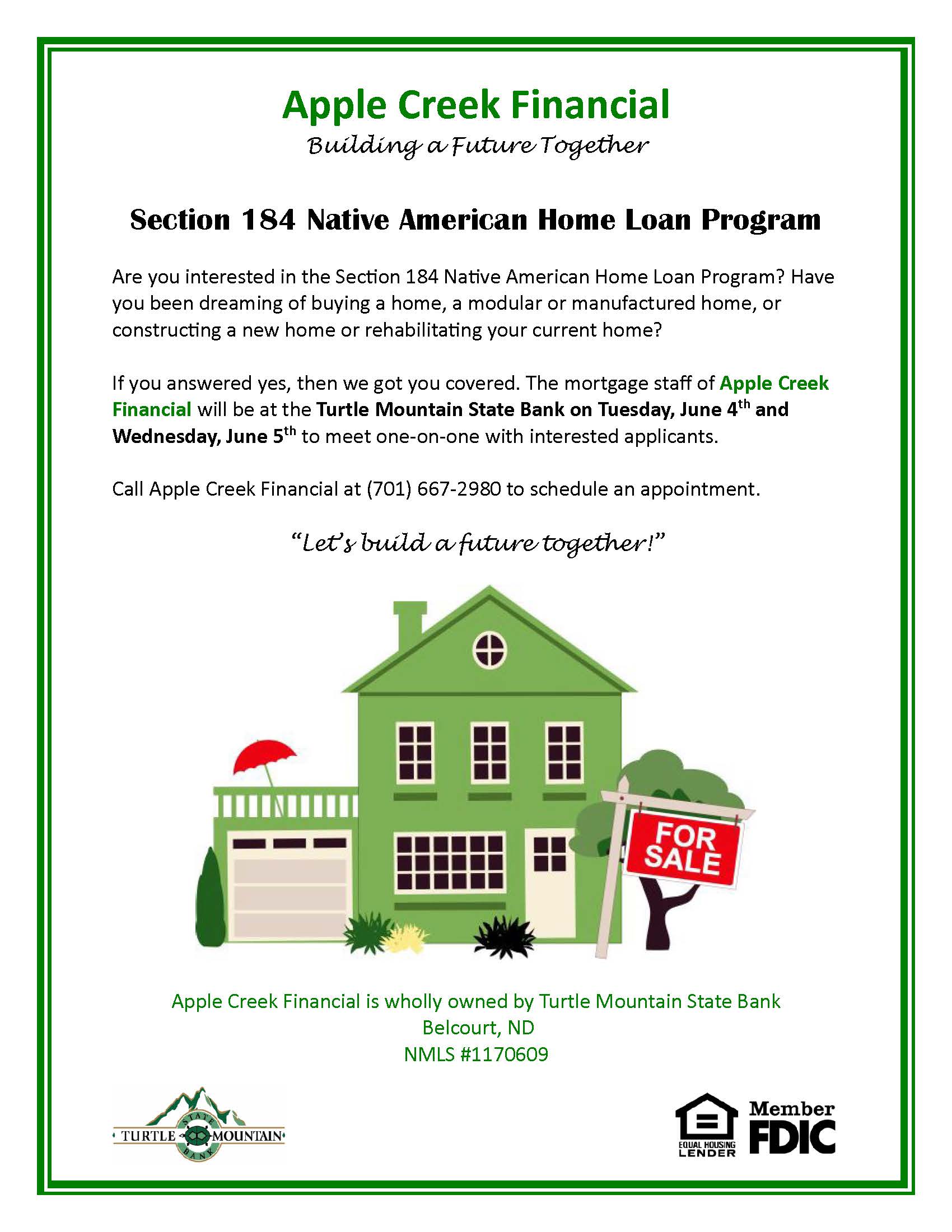
- Trust Land vs. Fee Simple Land: A significant portion of Native American lands are held in trust by the federal government, making traditional mortgages difficult or impossible to obtain. Specialized counseling is expert in programs like HUD Section 184, which are specifically designed for these unique land situations.
- Credit History and Financial Literacy: Historical economic disadvantages and a different approach to financial systems can sometimes lead to less conventional credit histories or a need for targeted financial literacy education.
- Income and Employment Volatility: Many tribal economies are tied to specific industries (e.g., gaming, natural resources) that can experience fluctuations, impacting income stability and loan qualification.
- Cultural Context and Historical Trauma: Financial decisions are often intertwined with cultural values, family obligations, and the lingering effects of historical trauma. A culturally sensitive counselor understands these nuances, fostering trust and providing support that resonates deeply.
- Lack of Awareness of Specialized Programs: Many Native Americans are simply unaware of the specific federal and tribal programs designed to assist them, such as the HUD Section 184 Indian Home Loan Guarantee Program or USDA Rural Development loans.
Generic loan officers or counselors may inadvertently overlook these critical factors, leading to frustration, denied applications, or an incomplete understanding of available options. Specialized Native American home loan counseling services are designed to overcome these barriers, providing tailored guidance and advocacy.
What Do Native American Home Loan Counseling Services Offer?

These services act as comprehensive navigators through the homeownership journey, offering a range of support tailored to individual needs. While specific offerings may vary by organization, common services include:
- Pre-Purchase Counseling: This is often the first and most critical step. Counselors work with clients to:
- Assess Financial Readiness: Review income, expenses, and existing debt to create a realistic budget.
- Credit Counseling: Help clients understand their credit report, identify errors, develop strategies for improving credit scores, and establish positive credit habits.
- Savings Plans: Assist in creating a plan to save for down payments, closing costs, and emergency funds.
- Goal Setting: Help define homeownership goals, desired location (on or off tribal land), and housing type.
- Loan Program Education and Application Assistance:
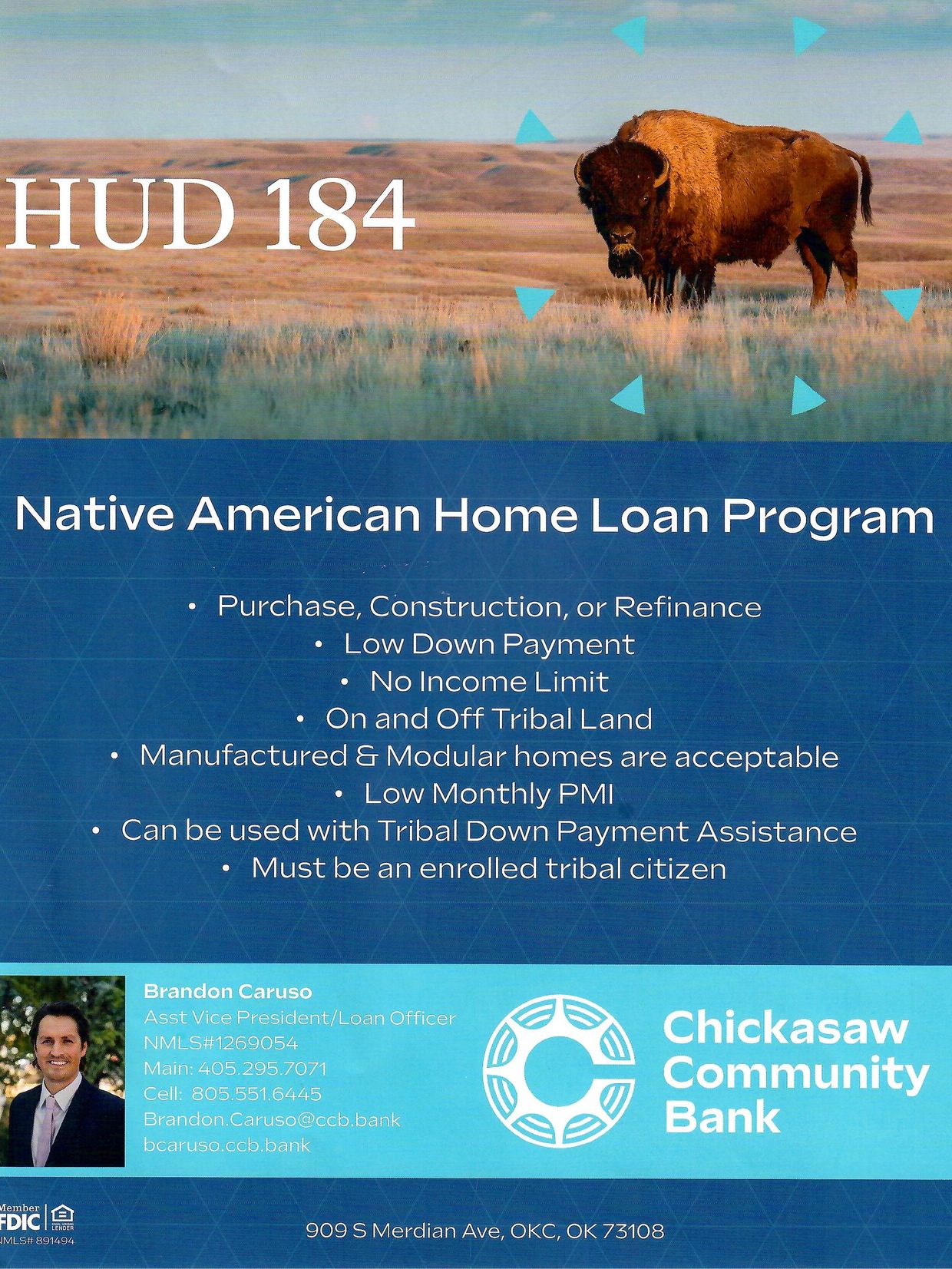
- HUD Section 184 Expertise: This is a cornerstone. Counselors provide in-depth information about the Section 184 program, its eligibility requirements, and the unique process for obtaining a loan on trust land. They help gather necessary documentation and navigate the application.
- Other Loan Programs: Guidance on FHA, VA, USDA Rural Development, conventional loans, and any specific tribal housing programs.
- Lender Referrals: Connecting clients with lenders who are experienced in working with Native American borrowers and specialized loan programs.
- Post-Purchase Counseling and Foreclosure Prevention:
- Homeownership Education: Teaching clients about the responsibilities of homeownership, including maintenance, insurance, property taxes, and budgeting for home-related expenses.
- Delinquency and Foreclosure Prevention: For existing homeowners facing financial difficulties, counselors can provide assistance in understanding options like loan modifications, forbearance, or refinancing, helping to prevent foreclosure.
- Financial Literacy and Empowerment: Beyond just the loan process, these services often aim to build long-term financial stability. This can include workshops on budgeting, managing debt, building savings, and understanding predatory lending practices.
- Advocacy and Liaison Services: Counselors often act as advocates for their clients, communicating with lenders, tribal housing authorities, and federal agencies to ensure a smooth process and protect the client’s interests.
Finding "Native American Home Loan Counseling Services Near Me"
The phrase "near me" is crucial, implying accessibility and local relevance. While some services operate nationally, many have local offices or strong community ties. Here’s how to locate them:
- HUD-Approved Housing Counseling Agencies: The U.S. Department of Housing and Urban Development (HUD) funds and certifies housing counseling agencies. Many of these agencies specialize in serving Native American communities or have counselors with expertise in Section 184 loans. You can search HUD’s website for approved agencies and filter by location or services offered.
- Tribal Housing Authorities (THAs): Most federally recognized tribes have a Tribal Housing Authority. These entities are invaluable resources, often providing direct counseling services, operating their own housing programs, or partnering with external agencies. Contacting your tribal nation’s housing department is an excellent first step.
- Native American Non-Profit Organizations: Numerous non-profit organizations are dedicated to promoting economic development and homeownership within Indigenous communities. Organizations like the National American Indian Housing Council (NAIHC) or regional Native CDFIs (Community Development Financial Institutions) can often provide direct services or refer you to local providers.
- Online Search and Directories: A targeted online search using terms like "Native American home loan counseling ," "HUD Section 184 counseling," or "tribal housing assistance" can yield relevant results. Websites of national Native American organizations often have resource directories.
- Word of Mouth and Community Referrals: In close-knit Native communities, asking tribal elders, community leaders, or fellow tribal members who have successfully navigated homeownership can provide valuable personal recommendations.
Many services are now offered virtually (phone, video conferencing), expanding their reach beyond physical locations, making "near me" more flexible than ever.
Pros (Advantages) of Native American Home Loan Counseling Services
Engaging with these specialized services offers a multitude of benefits:
- Cultural Competency and Sensitivity: This is arguably the most significant advantage. Counselors understand the historical context, cultural values, and unique family structures prevalent in Native communities. This fosters a sense of trust and provides a safe space for clients to discuss financial matters without judgment or the need to explain their background repeatedly. They understand the importance of community and traditional ways of life, which can influence financial decisions.
- Expertise in Specialized Loan Programs: These services are the definitive experts on HUD Section 184 loans, a program specifically designed for Native Americans. They possess in-depth knowledge of its nuances, eligibility criteria, and the often-complex process of securing loans on trust land, which most mainstream lenders and counselors lack. This expertise significantly streamlines the application process.
- Holistic Financial Guidance: Beyond just the home loan, counselors often address broader financial literacy, credit repair, budgeting, and debt management. Their goal is not just to get a client into a home, but to ensure long-term financial stability and empower them with the knowledge to maintain their homeownership.
- Advocacy and Support: Counselors act as strong advocates for their clients, liaising with lenders, tribal authorities, and federal agencies. They can help navigate bureaucratic hurdles, explain complex terms, and ensure that the client’s rights and interests are protected throughout the process. This is especially valuable for first-time homebuyers or those with limited experience with financial institutions.
- Community Connection and Trust: Being part of or closely affiliated with Native American communities, these services often benefit from inherent trust. This community connection can lead to more effective outreach, greater client engagement, and a supportive environment where clients feel understood and valued.
- Addressing Unique Barriers: They are specifically equipped to address issues like inherited land, lack of traditional addresses on trust land, challenges with credit scores due to different financial practices, and the impact of historical trauma on financial decision-making.
Cons (Disadvantages/Challenges) of Native American Home Loan Counseling Services
While invaluable, these services are not without their challenges:
- Limited Availability and Geographic Gaps: Despite growing efforts, the number of specialized Native American housing counseling agencies may still be limited in certain rural or remote areas. Finding a physical office "near me" might be difficult, though virtual services are mitigating this. This can lead to longer wait times for appointments or the need to travel significant distances.
- Funding Dependence and Capacity Issues: Many of these services rely on federal grants, tribal funding, or donations. Fluctuations in funding can impact their capacity, leading to staffing shortages, reduced service offerings, or an inability to serve all who need assistance. This can sometimes result in counselors being stretched thin.
- Awareness and Outreach: Despite their crucial role, many Native Americans remain unaware that these specialized services exist or how to access them. Effective outreach and education within communities are ongoing challenges.
- Varying Levels of Expertise: While most agencies are highly professional, like any service, the quality and depth of expertise can vary. It’s important for clients to do their due diligence and ensure the agency is HUD-approved and has a strong track record, particularly with Section 184 loans.
- Navigating Bureaucracy: Even with expert guidance, the process of securing a home loan, especially on trust land, can be lengthy and involve multiple agencies (BIA, HUD, tribal government). While counselors help, they cannot eliminate the inherent bureaucracy entirely, which can test a client’s patience.
- Cultural Nuances Across Tribes: While generally culturally competent, a counselor from one tribal background might still need to learn specific nuances of another tribe’s traditions or land management practices, requiring open communication from both sides.
Recommendation for Engagement
Based on their unparalleled expertise, cultural sensitivity, and comprehensive support, I highly recommend Native American home loan counseling services for any Indigenous individual or family aspiring to homeownership.
Who should use these services?
- First-time homebuyers: These services are an absolute must for navigating the complexities of the home-buying process.
- Individuals considering buying on trust land: Their expertise in HUD Section 184 is indispensable.
- Anyone needing credit repair or financial literacy guidance: They provide the tools and education for long-term financial health.
- Existing homeowners facing financial difficulties: Their foreclosure prevention services can be a lifeline.
- Those who have faced barriers or discrimination in mainstream lending: These services offer a supportive and understanding environment.
How to approach engagement:
- Start Early: The earlier you engage, the more time you have to address credit issues, build savings, and understand the process.
- Be Prepared: Gather financial documents, be honest about your financial situation, and be ready to commit to the counseling process.
- Ask Questions: Don’t hesitate to ask counselors about their experience, specific loan programs, and what to expect at each step.
- Leverage Virtual Options: If local physical services are scarce, embrace online and phone counseling to access expertise from anywhere.
While challenges like availability and funding exist, the benefits of specialized, culturally competent home loan counseling far outweigh the drawbacks. These services are not just about securing a loan; they are about empowering Native Americans to build generational wealth, foster stable communities, and realize the dream of a safe, secure home that resonates with their cultural identity. For those seeking to embark on the homeownership journey, these services are not merely a recommendation but a crucial investment in a more secure and prosperous future.


