Building on Sacred Ground: A Comprehensive Review of Native American Construction Loans on Tribal Land
The dream of homeownership is a cornerstone of the American experience, representing stability, wealth creation, and a legacy for future generations. However, for Native Americans seeking to build homes on their ancestral tribal lands, this dream often encounters a unique and complex landscape of legal, financial, and logistical challenges. Unlike conventional home loans, financing construction on tribal land is not a one-size-fits-all product; it’s a specialized category of financial instruments designed to navigate the intricacies of tribal sovereignty, land tenure, and the unique socio-economic realities of Indigenous communities.
This comprehensive review will delve into the world of Native American construction loans, exploring the specific programs available, their inherent advantages and disadvantages, and ultimately, providing a "buying recommendation" for those considering this path. We aim to demystify this critical area, highlighting both its profound benefits and the hurdles that require careful navigation.
Understanding the Unique Landscape: Tribal Land and Homeownership
Before diving into the loan products themselves, it’s crucial to understand the foundational difference that sets tribal land apart. Much of the land within tribal reservations is held in "trust" by the U.S. government for the benefit of individual Native Americans or the tribe as a whole. This "trust land" cannot be bought or sold like typical fee-simple land, and individual tribal members do not hold a deed in the conventional sense. Instead, they often have a leasehold interest or an allotment.

This unique land tenure system presents a significant challenge for traditional lenders. Conventional mortgages typically require the land to serve as collateral, which is complicated when the land is held in trust and cannot be easily foreclosed upon or transferred. This is precisely why specialized loan programs and a deep understanding of tribal law and federal regulations are indispensable for construction on tribal lands.
The "Products" on Offer: Specialized Loan Programs
While there isn’t a single "Native American Construction Loan," there are several key programs and approaches that serve this purpose:
-
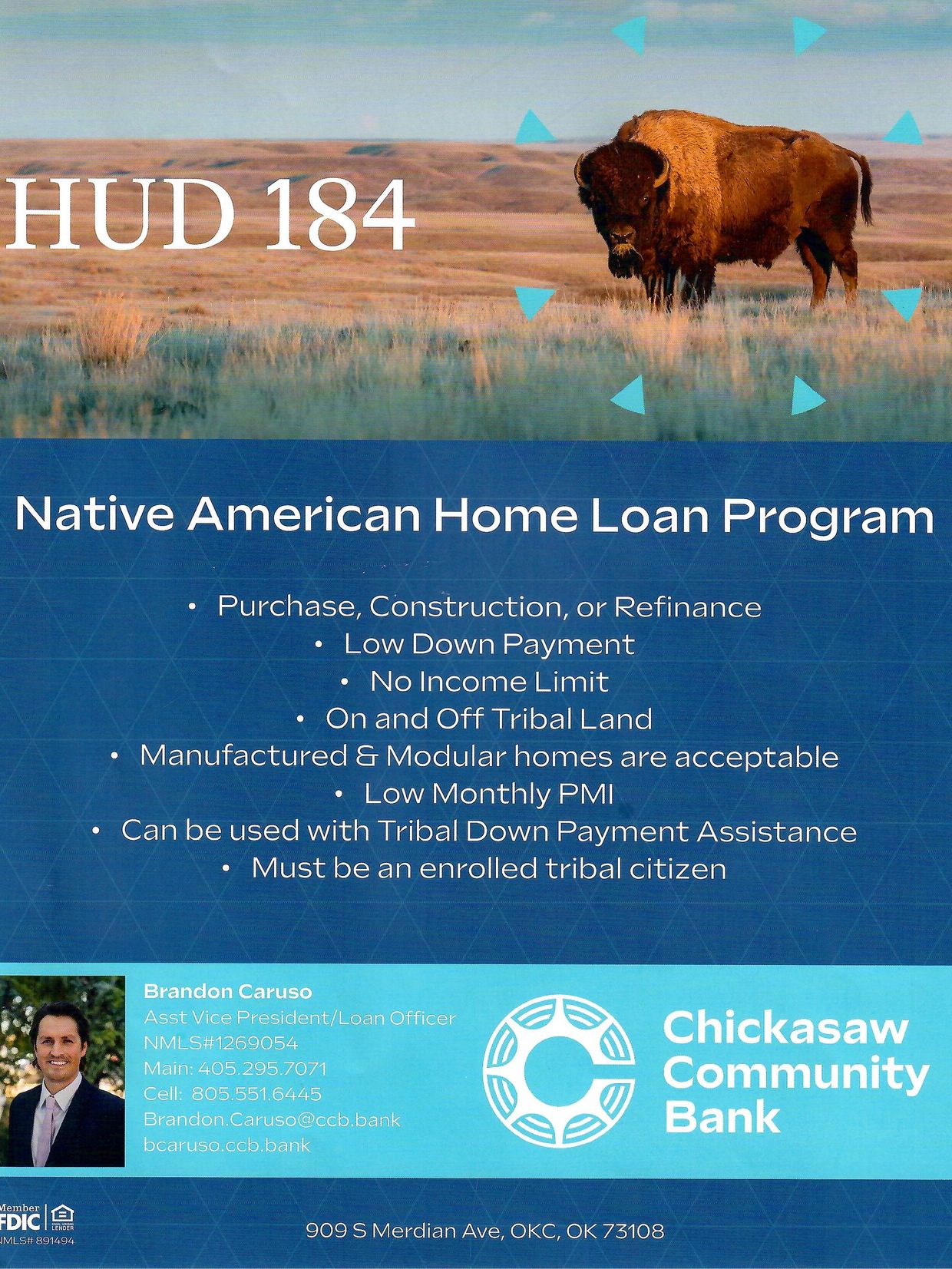
HUD Section 184 Indian Home Loan Guarantee Program: This is arguably the most significant and widely used program. Administered by the U.S. Department of Housing and Urban Development (HUD), Section 184 does not directly lend money but rather guarantees loans made by private lenders to eligible Native American and Alaska Native individuals, tribes, and Tribally Designated Housing Entities (TDHEs). This guarantee protects lenders from loss, making them more willing to lend on trust lands.
-
VA Native American Direct Loan (NADL) Program: For eligible Native American veterans, the VA offers the NADL program, which provides direct home loans from the Department of Veterans Affairs. This program is specifically designed to help Native American veterans finance the purchase, construction, or improvement of homes on Federal Trust Land.
-
USDA Rural Development Home Loans (Section 502): While not exclusively for Native Americans, the USDA’s Section 502 Direct and Guaranteed Loan programs are often applicable to tribal lands, many of which are in rural areas. These programs offer very low-interest rates and zero down payment options for low- and very-low-income applicants.
-
Tribal Housing Programs and Initiatives: Many Native American tribes have established their own housing authorities, programs, and financial institutions to support homeownership and construction for their members. These can include direct loans, down payment assistance, infrastructure development, and technical support.
-
Conventional Loans with Tribal Leasehold Mortgages: In some specific cases, and with highly structured agreements, conventional lenders may offer loans on tribal land if the tribe has developed a sophisticated leasehold mortgage program that provides the necessary security for the lender. This is less common for construction but can exist.
Advantages: The Pros of Native American Construction Loans
The availability of specialized construction loans on tribal land offers a multitude of benefits, both for individual homeowners and for the broader tribal community:
-
Homeownership on Ancestral Land: Perhaps the most profound advantage is the ability for Native Americans to build and own homes on their traditional territories. This fosters a deep connection to culture, community, and heritage, strengthening tribal identity and sovereignty. It provides a stable base for families to thrive and pass down traditions.
-
Tailored Loan Programs: Programs like Section 184 and VA NADL are specifically designed to address the unique challenges of lending on trust land. They feature flexible underwriting guidelines, often requiring lower down payments (as low as 1.25% for Section 184) and more lenient credit requirements compared to conventional loans. This makes homeownership more accessible to a broader range of tribal members.
-
Economic Empowerment and Wealth Creation: Homeownership is a primary driver of intergenerational wealth. By enabling tribal members to build equity in their homes, these loans contribute to individual financial stability and collective economic development within the tribe. Construction projects also create jobs for tribal members and local contractors, stimulating the local economy.
-
Community Development and Infrastructure Improvement: As more homes are built, there’s a greater incentive and necessity to develop essential infrastructure such as roads, water, sewer, and electricity. This improves the overall quality of life on reservations, attracting more residents and fostering community growth.
-
Cultural Preservation: Having stable homes on tribal land allows families to remain connected to their cultural practices, languages, and community support systems. It helps counter the historical displacement and forced assimilation policies that have impacted Native communities.
-
Security and Stability: Owning a home provides a sense of security and stability that renting cannot. It offers a permanent residence for families, contributing to better health outcomes, educational attainment, and overall well-being.
-
Favorable Loan Terms: Programs like VA NADL offer extremely competitive interest rates and require no down payment, making them highly attractive for eligible veterans. Section 184 also typically features competitive fixed interest rates.
-
Tribal Self-Determination: By facilitating homeownership and development on their own terms, these loan programs support the broader goal of tribal self-determination and self-governance, allowing tribes to control their destiny and build resilient communities.
Disadvantages: The Cons and Challenges
Despite the significant advantages, the process of obtaining and utilizing Native American construction loans is not without its complexities and potential drawbacks:
-
Complexity of Land Tenure and Approvals: This remains the biggest hurdle. Building on trust land requires navigating the Bureau of Indian Affairs (BIA) approval process for leases, rights-of-way, and permits. This can be lengthy, bureaucratic, and require significant documentation, leading to delays. The inability to use trust land directly as collateral also means specific lender-borrower agreements are needed.
-
Limited Lender Participation: While programs like Section 184 guarantee loans, many conventional banks and credit unions are still unfamiliar with the intricacies of tribal land. This can result in a limited pool of participating lenders, particularly in remote areas, making it harder for applicants to find a loan officer with the necessary expertise.
-
Appraisal Challenges: Appraising homes on tribal land can be difficult. There may be a lack of comparable sales data, unique construction methods, and challenges in valuing a leasehold interest versus fee-simple ownership. This can lead to lower appraisals, impacting the loan amount or requiring a larger out-of-pocket contribution from the borrower.
-
Infrastructure Gaps: Many tribal lands, especially in remote areas, lack basic infrastructure like paved roads, public utilities (water, sewer, electricity), and reliable internet. Connecting to these services can be incredibly expensive and time-consuming, adding significantly to the overall construction cost and timeline.
-
Jurisdictional Issues and Permitting: Navigating building codes, zoning regulations, and permitting can be complex, involving not just tribal authorities but potentially federal agencies (like the BIA) and sometimes state or county entities depending on the specific location and land status. This multi-layered bureaucracy can lead to delays and confusion.
-
Higher Construction Costs: Remote locations, specialized contractors familiar with tribal land requirements, and the need to bring in infrastructure can drive up construction costs compared to building in more established, off-reservation areas. Shipping materials to remote sites also adds expenses.
-
Lack of Awareness and Education: Both among potential borrowers and even some lenders, there can be a lack of comprehensive understanding about these specialized loan programs and the processes involved. This knowledge gap can lead to frustration, delays, and missed opportunities.
-
Patience and Persistence Required: The entire process, from securing land tenure approvals to final construction, often takes longer than conventional home building. Borrowers must be prepared for a marathon, not a sprint, and possess significant patience and persistence.
-
Potential for Fraud and Exploitation: As with any complex financial landscape, there is a risk of unscrupulous contractors or lenders preying on less informed individuals. Due diligence is paramount.
The "Buying Recommendation": Is It Worth It?
For whom is this "product" a good fit?
Native American construction loans are an indispensable tool for eligible tribal members who aspire to build a home on their ancestral lands. They are particularly well-suited for:
- Individuals and families who are enrolled members of federally recognized tribes.
- Those with a strong desire to live within their tribal community and connect with their heritage.
- Veterans who are Native American, as the VA NADL offers exceptional benefits.
- Tribes and Tribally Designated Housing Entities looking to expand housing options for their members.
When is it a "good buy"?
This is a "good buy" when the goal is to build a permanent, stable home on tribal land, leveraging programs specifically designed to overcome the unique challenges of trust land. It’s an excellent choice when:
- The borrower has a clear understanding of their land tenure status and the necessary tribal and BIA approval processes.
- They are prepared for a potentially longer and more complex application and construction timeline.
- They have access to experienced lenders, tribal housing authorities, and contractors familiar with tribal land projects.
- The long-term benefits of living on ancestral land, building equity, and contributing to tribal sovereignty outweigh the immediate complexities.
Overall Verdict:
Native American construction loans are not just financial products; they are pathways to self-determination, cultural continuity, and economic empowerment for Indigenous communities. Despite the inherent complexities and challenges, the specialized programs like HUD Section 184 and VA NADL are essential and highly recommended for those they are designed to serve.
Recommendation for Success:
To maximize the chances of a successful construction loan experience, prospective homeowners should:
- Start with Your Tribal Housing Authority: This is often the first and most critical step. Your tribal housing office can provide invaluable guidance on land assignments, tribal requirements, BIA processes, and local resources.
- Seek Out Experienced Lenders: Do not settle for a lender unfamiliar with Section 184 or VA NADL. Find a loan officer and institution that has a proven track record of successfully closing loans on tribal land. They will understand the nuances of the BIA process, appraisals, and tribal agreements.
- Understand Your Land Status: Work with your tribal government and the BIA to clarify your land assignment, leasehold interest, and any necessary approvals before you even apply for a loan.
- Be Financially Prepared: While these programs offer flexibility, a strong credit history, stable income, and some savings for potential unexpected costs will always strengthen your application.
- Due Diligence on Contractors: Choose contractors who are licensed, insured, and ideally, have experience building on tribal lands. Understand the permitting process and ensure your contractor is equipped to navigate it.
- Patience and Persistence: Recognize that the process may take longer than a conventional loan. Stay organized, communicate regularly with all parties involved (lender, BIA, tribal housing, contractor), and be prepared to advocate for yourself.
- Leverage All Available Resources: Look into tribal down payment assistance programs, homebuyer education courses, and other support services that can ease the journey.
In conclusion, while the path to building a home on tribal land through specialized construction loans is paved with unique challenges, it is a journey well worth undertaking. These "products" are not merely financial instruments; they are a vital mechanism for Native Americans to realize the dream of homeownership, strengthen their communities, and uphold their sovereign right to build a future on their sacred ground. With proper preparation, an understanding of the process, and the right support system, this dream is not only achievable but profoundly impactful.


